
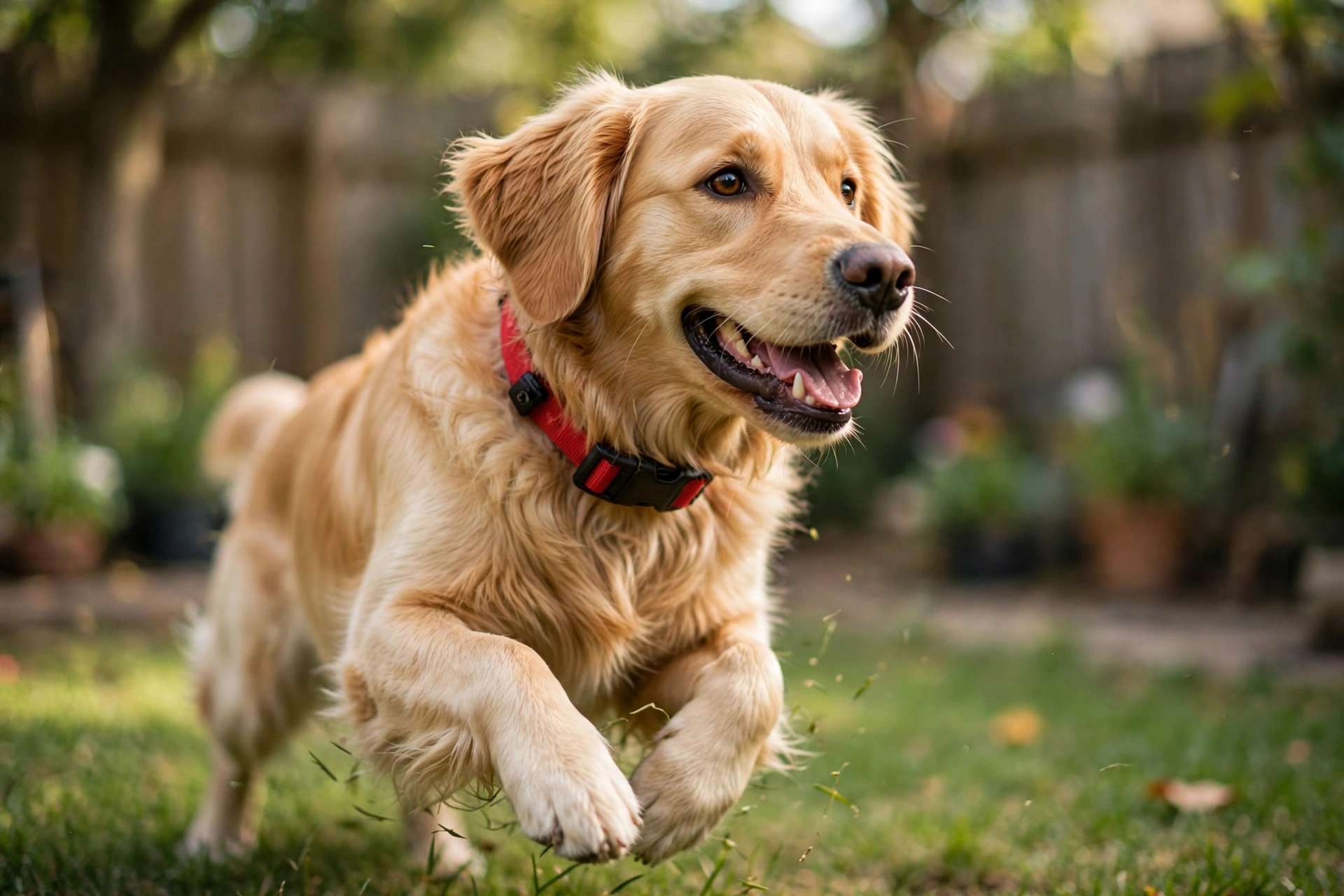
The best breakaway dog collars exist for a scenario most owners never consider until it happens: a collar catching on something — a crate wire, a fence picket, a branch, another dog’s jaw during play — and becoming a strangulation hazard. Breakaway collars solve this with a buckle engineered to release under sudden pressure, freeing the dog before panic and injury escalate. I researched the category’s options on Amazon, led by the KeepSafe line that defined the concept, and evaluated them on release reliability, everyday practicality, and the critical question of when breakaway is (and isn’t) the right choice.
Affiliate disclosure
As an Amazon Associate, Dogslifelearning earns from qualifying purchases. If you buy through links on this page, I may earn a commission at no extra cost to you.
⚡ The short answer
🥇KeepSafe BreakAway (Large, Black)The original safety design→🥈KeepSafe BreakAway (Medium, Blue)Proven release buckle→🥉KeepSafe BreakAway (Large, Red)Bright safety color→
Quick Picks
| Product | Best For | Standout Feature |
|---|---|---|
| KeepSafe BreakAway (Large, Black) | Overall pick | The original safety design |
| KeepSafe BreakAway (Medium, Blue) | Medium dogs | Proven release buckle |
| KeepSafe BreakAway (Large, Red) | High visibility | Bright safety color |
| CollarDirect Breakaway (Baby Pink) | Medium-large dogs | Waterproof + breakaway buckle |
| KeepSafe BreakAway (Medium, Red) | Medium dogs | Proven release buckle |
The 5 collars, reviewed
Overall pick
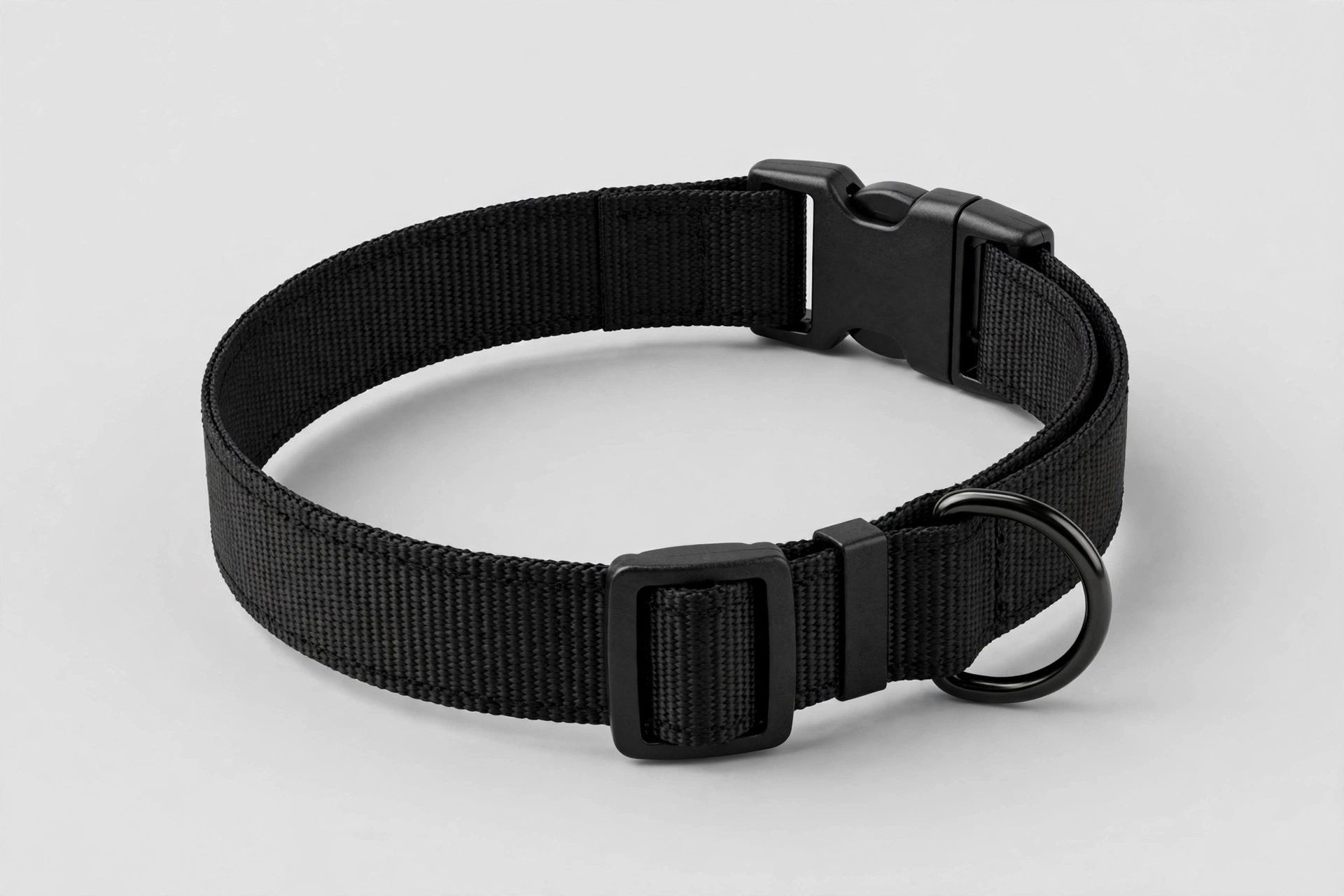
KeepSafe BreakAway Collar (Large, Black)
KeepSafe invented this category, and their BreakAway remains the reference design: a patented buckle that releases when the dog’s collar snags with force, plus a D-ring positioned to hold tags. The large size suits Labs, Goldens, Shepherds, and similar breeds. I consider this the default recommendation for the core use case — dogs that wear collars around the house, in crates, or during multi-dog play. The black colorway is discreet for everyday wear. If you buy one breakaway collar, make it this lineage.
Medium dogs
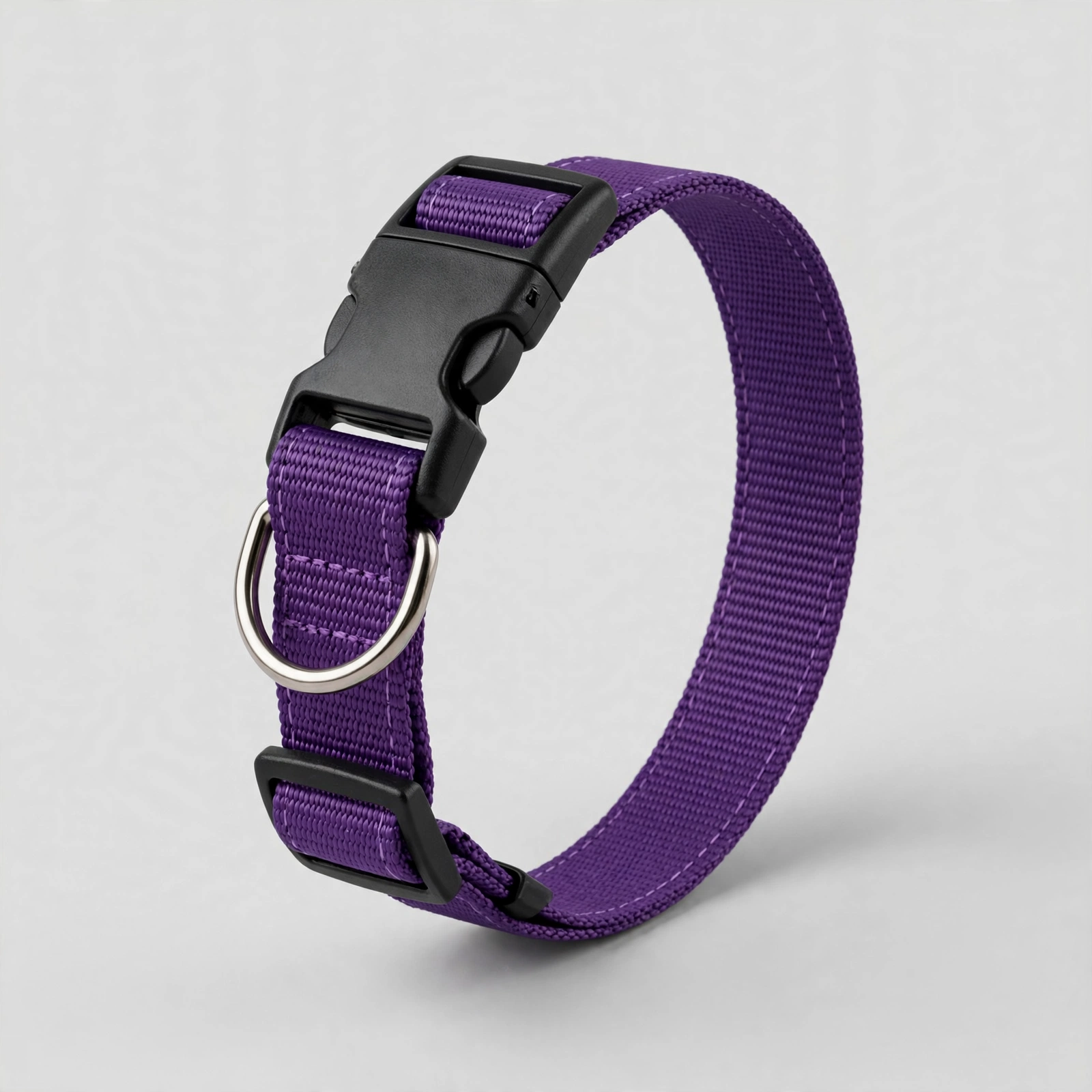
KeepSafe BreakAway Collar (Medium, Blue)
The medium KeepSafe scales the same proven buckle for Beagles, Cocker Spaniels, French Bulldogs, and similar mid-size breeds — and the release tension is calibrated for lighter dogs, which matters (a buckle tuned for an 80-pound Lab won’t release reliably for a 20-pound dog). The blue colorway is cheerful and highly visible. I particularly recommend breakaway collars for brachycephalic breeds like Frenchies, whose breathing makes any neck entrapment more dangerous. Proper sizing is safety-critical here; measure carefully.
High visibility
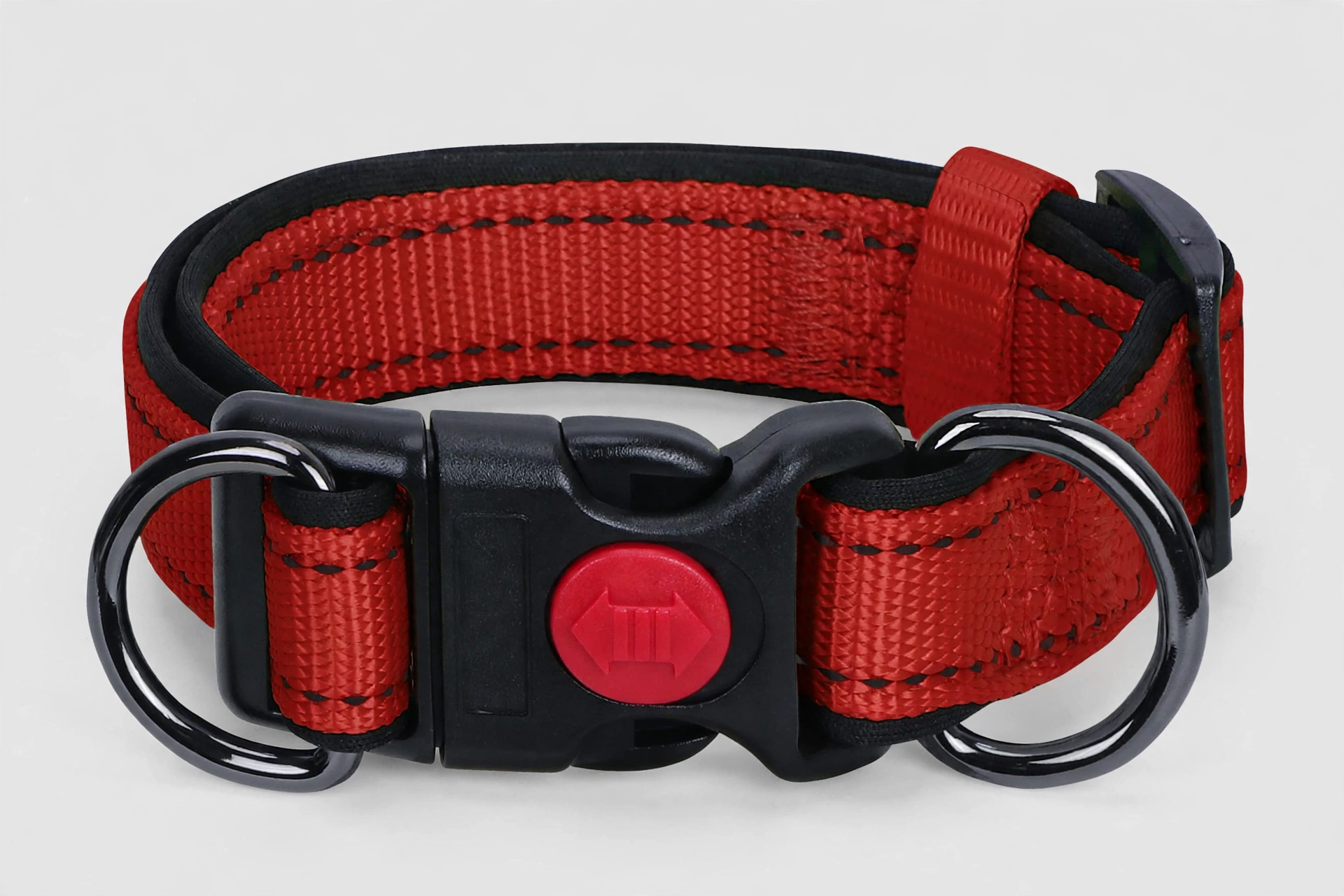
KeepSafe BreakAway Collar (Large, Red)
Same trusted KeepSafe mechanism in high-visibility red — my pick for owners who want the safety function plus visibility. Red reads as an alert color, which suits the safety positioning, and it’s easier to spot the collar (and the dog) in the yard or park. Functionally identical to the black version: patented release buckle, tag D-ring, large-dog sizing. Choose your color on visibility preference and your dog’s coat — red pops beautifully on black, chocolate, and golden coats.
Medium-large dogs
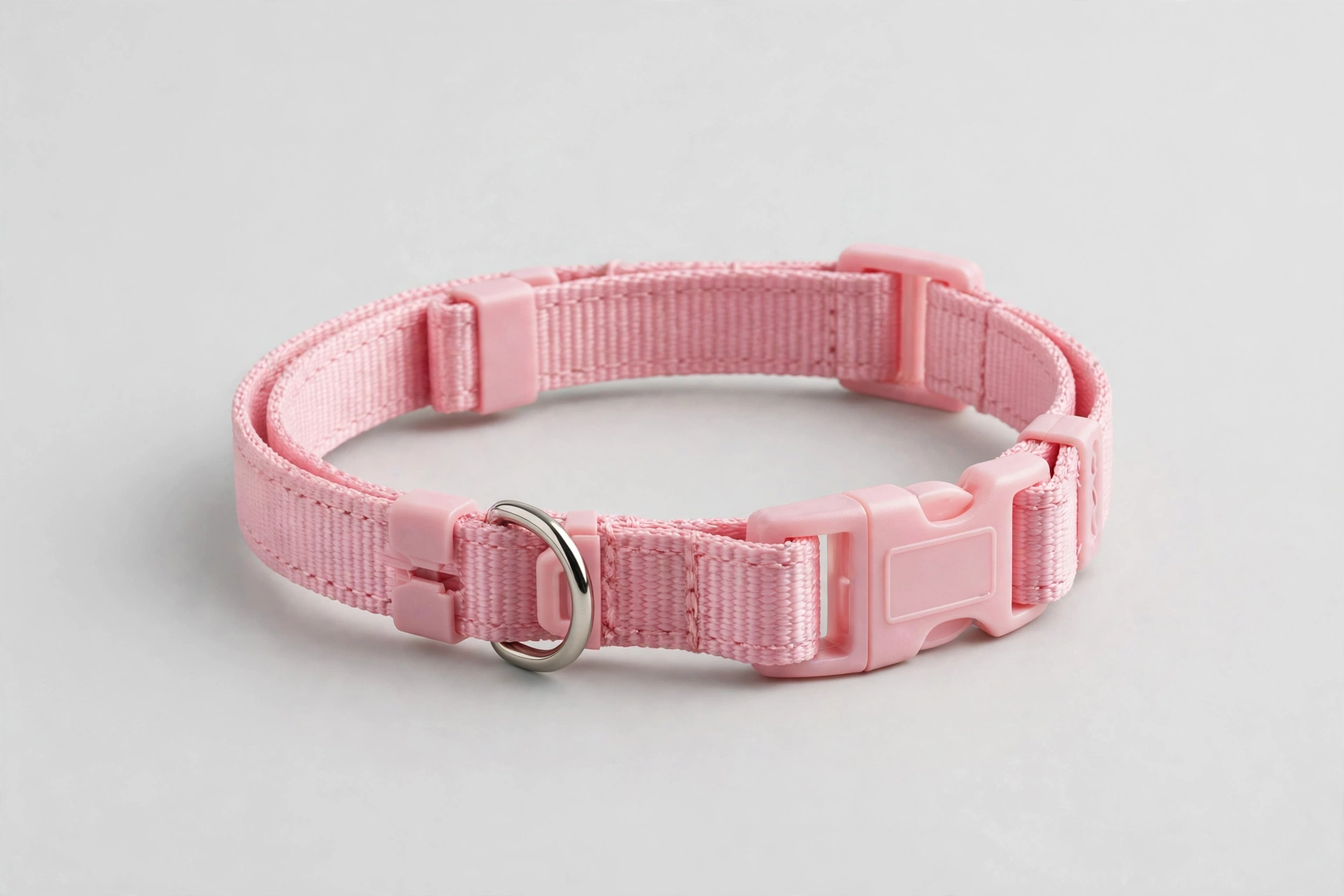
CollarDirect Waterproof Breakaway Dog Collar (Baby Pink)
For owners who want breakaway safety plus waterproof practicality, CollarDirect’s waterproof breakaway collar pairs a breakaway buckle with a wipe-clean waterproof build in baby pink. Important sizing note: this collar fits necks 18″–26″, so it suits medium-large dogs — it is not an XS or tiny-dog collar, and I don’t present it as one. The waterproof construction suits dogs who swim, hike in rain, or live the muddy life, where a standard webbing collar stays damp. The breakaway buckle provides the same snag-release safety as the KeepSafe line, in a wash-and-go package.
Medium dogs
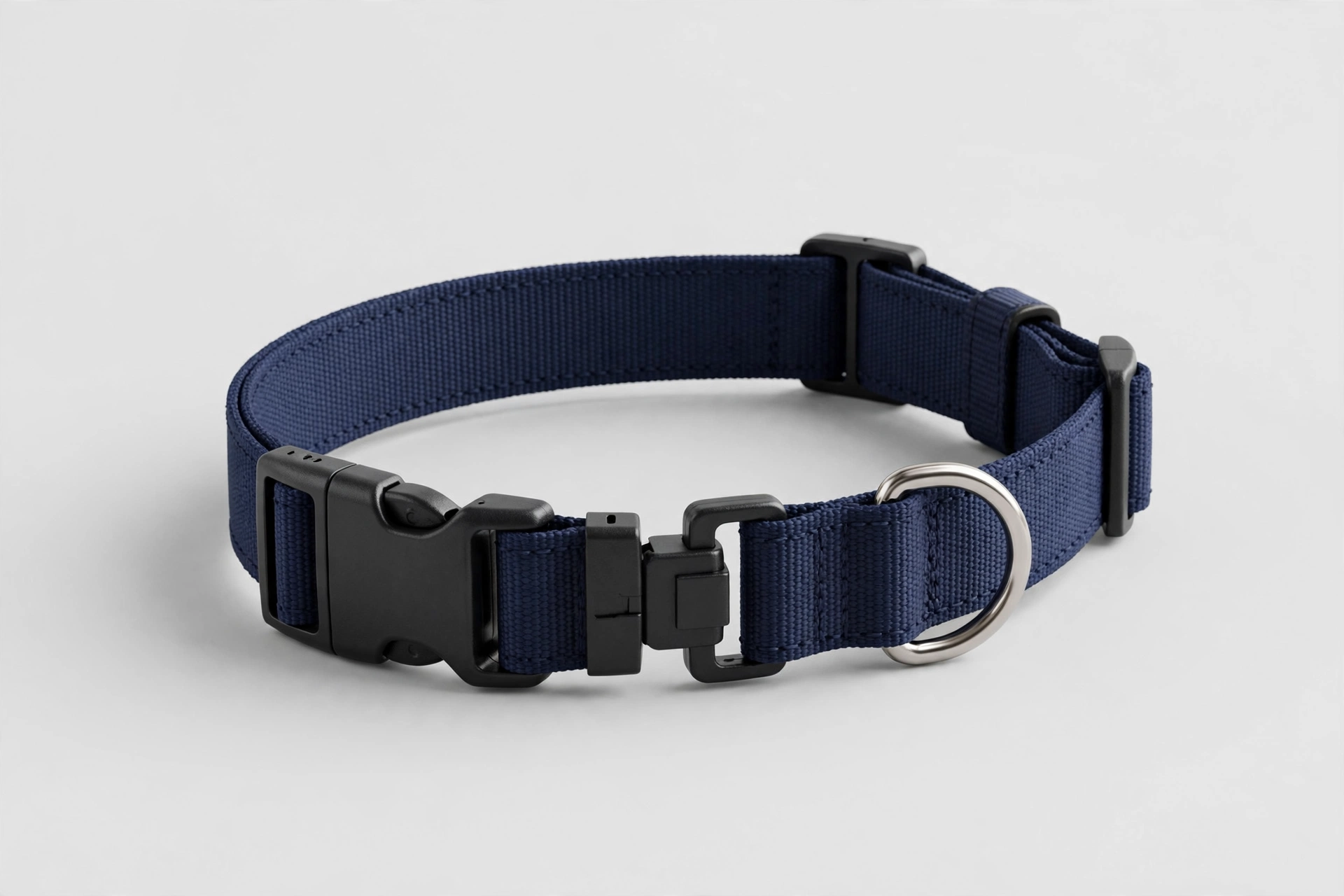
KeepSafe BreakAway Collar (Medium, Red)
The medium KeepSafe in red gives mid-size dogs the same patented release buckle as the large versions, calibrated for their weight — and red is the highest-visibility colorway in the line, which suits the safety positioning. Same KeepSafe lineage: proven buckle, tag D-ring, sizing matched to the dog’s weight. If you want the category-defining design in the most visible color for a medium dog, this is the one. As with every breakaway: test the release with a firm tug on arrival, and use it as the house/tag collar, not the leash collar.
Buying Guide: Breakaway Safety, Fully Explained
How the breakaway mechanism works
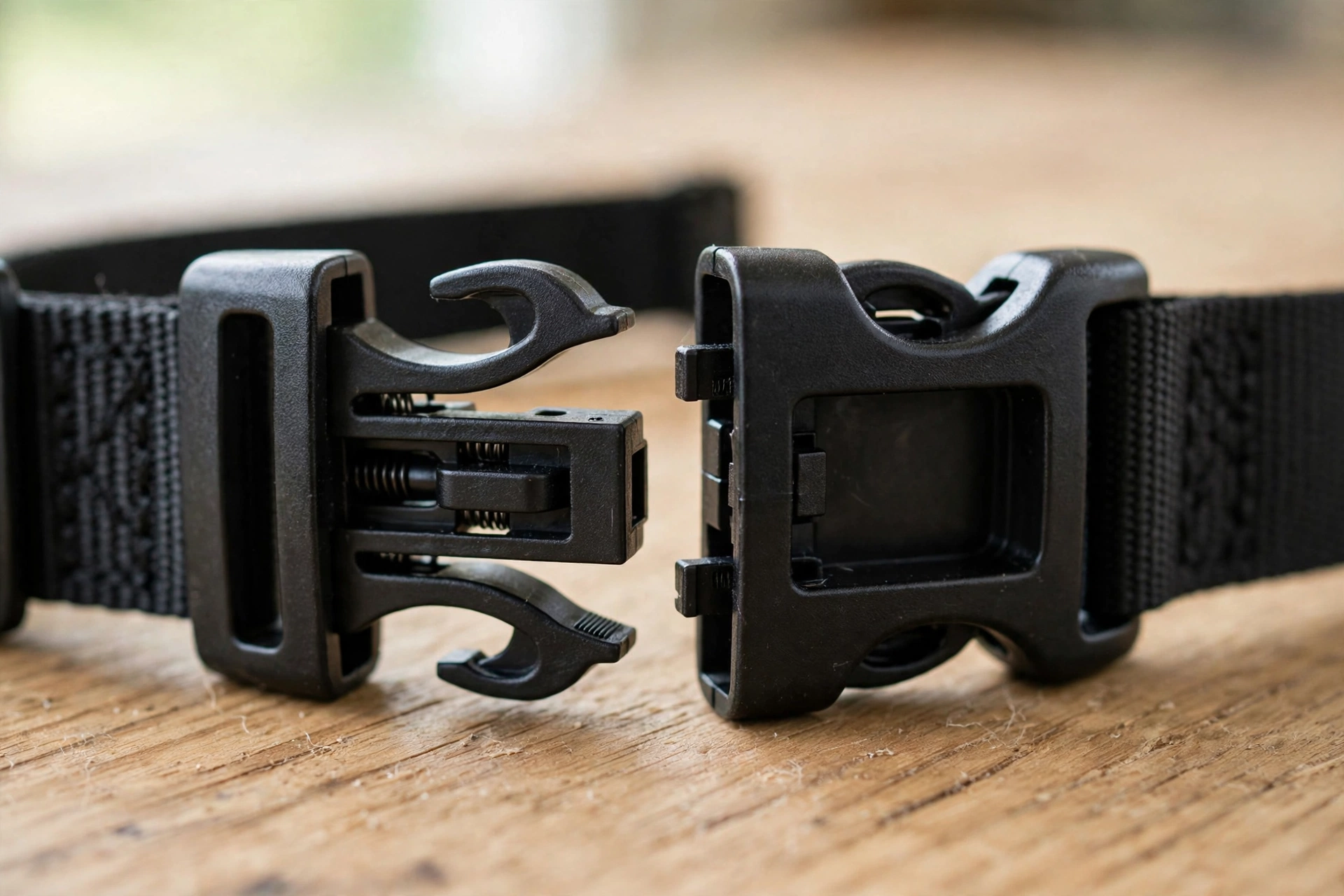
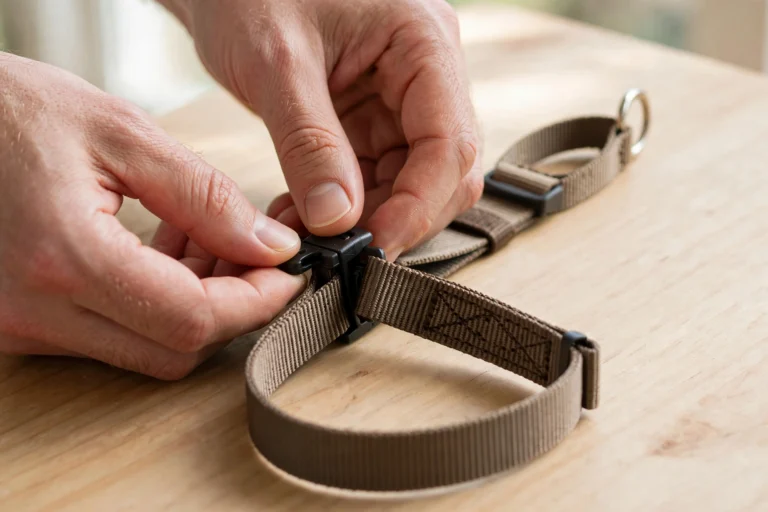
A breakaway buckle is engineered with a deliberate weak point: under normal wear it holds like any buckle, but when force exceeds a designed threshold — the dog lunging against a snag, the collar catching and the dog panicking — the buckle separates, freeing the neck. KeepSafe’s patented design uses a two-part buckle with calibrated release tension; the D-ring for tags is positioned on a section that stays with the released collar half (so tags stay with the collar, not the dog — worth knowing). The threshold is the critical engineering: too light and the collar falls off constantly; too heavy and it doesn’t protect. This is why I favor the tested KeepSafe mechanism over uncalibrated generics. Breakaway designs are one branch of the wider dog collar family on Wikipedia. For leash behavior rather than unsupervised safety, see my best no-pull dog collars guide, and for remote training tools, the best e-collars for dogs guide.
When breakaway collars are the right choice
Breakaway collars shine in specific scenarios: dogs that wear collars unsupervised at home (the snag risk is real — crate wires, cabinet handles, deck railings); multi-dog households where play involves jaw-grabbing collars (a leading cause of collar strangulation); puppies, whose curiosity puts them in every gap; and dogs left in crates or kennels with collars on. I also recommend them for the “house collar” role — the collar worn for ID tags during indoor life. In these contexts, the breakaway trades a small inconvenience (occasionally finding the collar on the floor) for protection against a rare but catastrophic event.
When breakaway is the WRONG choice
This is equally important: never walk a dog on a leash attached to a breakaway collar as the sole connection. If the dog lunges — at a squirrel, another dog, traffic — the buckle can release and your dog is suddenly loose, possibly in danger. The safe system is: breakaway collar for tags/ID during unsupervised wear, plus a standard flat collar, martingale, or harness for leashed walks. Some owners use both simultaneously (breakaway with tags + harness for the leash). Never rely on a breakaway collar for restraint — it’s a safety device, not a control device, and confusing the two creates the exact emergency it’s meant to prevent.
Sizing and release calibration
Breakaway sizing follows standard collar rules (two-finger fit) with one addition: the release tension must suit the dog’s weight. A buckle calibrated for large dogs may not release for a small dog’s panic force; one calibrated for small dogs may pop off a large dog during normal roughhousing. Buy the size range matching your dog’s weight, not just neck inches. After purchase, test the release with a firm hand-tug — you should feel a distinct threshold, not a hair-trigger and not a wrestling match. Re-test every few months; buckles wear, and a worn buckle’s threshold drifts.
The indoor-collar debate
There’s a legitimate school of thought that says: no collar indoors at all — naked neck, zero snag risk, problem solved. I respect this position; it’s the simplest safety answer. The counter-argument: a collared dog that slips out the door has ID; a naked dog has none (microchips help only if someone scans). My synthesis: if your dog wears a collar indoors, make it breakaway; if you go collar-free indoors, ensure the collar goes on for every outing and the microchip registration is current. Either system works when applied consistently. What doesn’t work is a standard buckled collar worn 24/7 — that’s the highest-risk configuration.
Frequently Asked Questions
Do breakaway collars really prevent strangulation?
They dramatically reduce the risk from snag-type incidents — the collar releases instead of tightening around the neck. No product eliminates all risk (a breakaway can’t help if the dog is entangled in a way that doesn’t load the buckle), but for the classic scenarios (crate wire, fence, playmate’s jaw), they’re the purpose-built solution. I consider them the single most effective anti-strangulation product available, with the caveat that supervision and environment management matter too.
Will the collar fall off too easily?
A properly calibrated breakaway shouldn’t release during normal wear — walking, playing, scratching. If yours pops off constantly, it’s either miscalibrated, worn out, or the wrong size/weight range for your dog. Occasional releases during wild play are normal and actually evidence the mechanism works. If it becomes annoying, check fit first (too loose = more false releases), then consider whether the weight calibration suits your dog.
Can I attach a leash to a breakaway collar?
You physically can, but I strongly advise against it as the sole leash connection — a hard lunge can pop the buckle and free the dog unexpectedly. The safe practice: leash to a harness or standard collar for walks; let the breakaway collar carry tags during unsupervised indoor wear. If you want one-collar simplicity, a martingale for walks plus breakaway for home is the two-collar system I recommend most.
Are breakaway collars good for puppies?
Yes — puppies are prime candidates. They’re endlessly curious, squeeze into gaps, chew everything, and play-mouth each other’s collars constantly. A breakaway collar for the house plus supervision is my recommended puppy setup. Size up as they grow (monthly checks for young puppies), and remember the leash rule applies doubly for puppies: walk them on a harness or standard collar, never on the breakaway alone.
How often should I replace a breakaway collar?
Inspect the buckle mechanism monthly and replace the collar every 12–18 months, or sooner if the release feels different (easier or harder than when new). Buckle springs and plastic fatigue with cycles and UV exposure; a degraded buckle may fail to release when needed or release when it shouldn’t — both bad. After any incident where the buckle released under load, inspect carefully before reuse; some mechanisms are single-use by design intent.
Do vets recommend breakaway collars?
Many do, particularly for the indoor-wear use case — veterinary emergency literature documents collar-strangulation incidents, and breakaway designs directly address the mechanism. That said, individual vets’ recommendations vary with the dog’s lifestyle; a vet may suggest collar-free crating instead. I recommend discussing your specific setup (crate use, multi-dog play, unsupervised wear) with your vet, who can advise for your household’s actual risk profile.
Can breakaway collars be used with GPS trackers?
Yes, with a design consideration: most GPS trackers (like AirTag holders or Fi modules) attach to the collar, and if the collar breaks away, the tracker goes with the collar — not the dog. For a lost-dog scenario, that’s exactly backwards from what you want. My recommendation: put the GPS tracker on the walk collar or harness (the gear the dog wears when escape risk is highest), and let the breakaway collar carry simple ID tags for indoor wear. Each device on the gear matching its risk scenario — that’s the systems thinking this category rewards.
Are there breakaway harnesses too?
Not really, as a category — the breakaway concept is collar-specific because harnesses distribute force across the body and don’t create the same strangulation geometry. Harnesses can still snag, but the failure mode is different (entrapment rather than neck constriction). For escape-prone dogs, the better investment is a properly fitted, escape-proof harness (three-strap designs) rather than a breakaway concept applied to harnesses. Use each safety technology where its physics actually applies.
Do dogs need breakaway collars?
Not every dog — but most dogs benefit from one for unsupervised wear. A breakaway dog collar is the right call whenever your dog wears a collar without you watching: in the crate, in the yard, and in multi-dog homes where playmates mouth each other’s collars. It is not a walking collar: a hard lunge can pop the buckle, so leash up to a harness or a standard collar instead. And note the difference from quick-release collars, whose buckle still needs a hand to open — breakaway releases on its own under load. If your dog slips flat collars on walks, a martingale is the safer walking option; keep the breakaway for the unobserved hours.
Verdict
My verdict on the best breakaway dog collars is straightforward: the KeepSafe BreakAway line is the category-defining choice — buy the size and color matching your dog, use it as the house/tag collar, and walk on a separate harness or standard collar. The CollarDirect adds a waterproof breakaway option for medium-large dogs. The larger lesson: think in systems, not single products. Breakaway for unsupervised ID wear, real restraint gear for walks, and your dog gets both safety and security. It’s a small investment against a rare-but-devastating risk — the easiest safety upgrade in this entire 100-article cluster. If you take one action from this guide, let it be this: audit where your dog wears a collar unsupervised today, and make sure every one of those situations uses breakaway. The walk gear can stay exactly as it is. That single change — breakaway for the unobserved hours — is the whole philosophy in one move.


2 Comments