
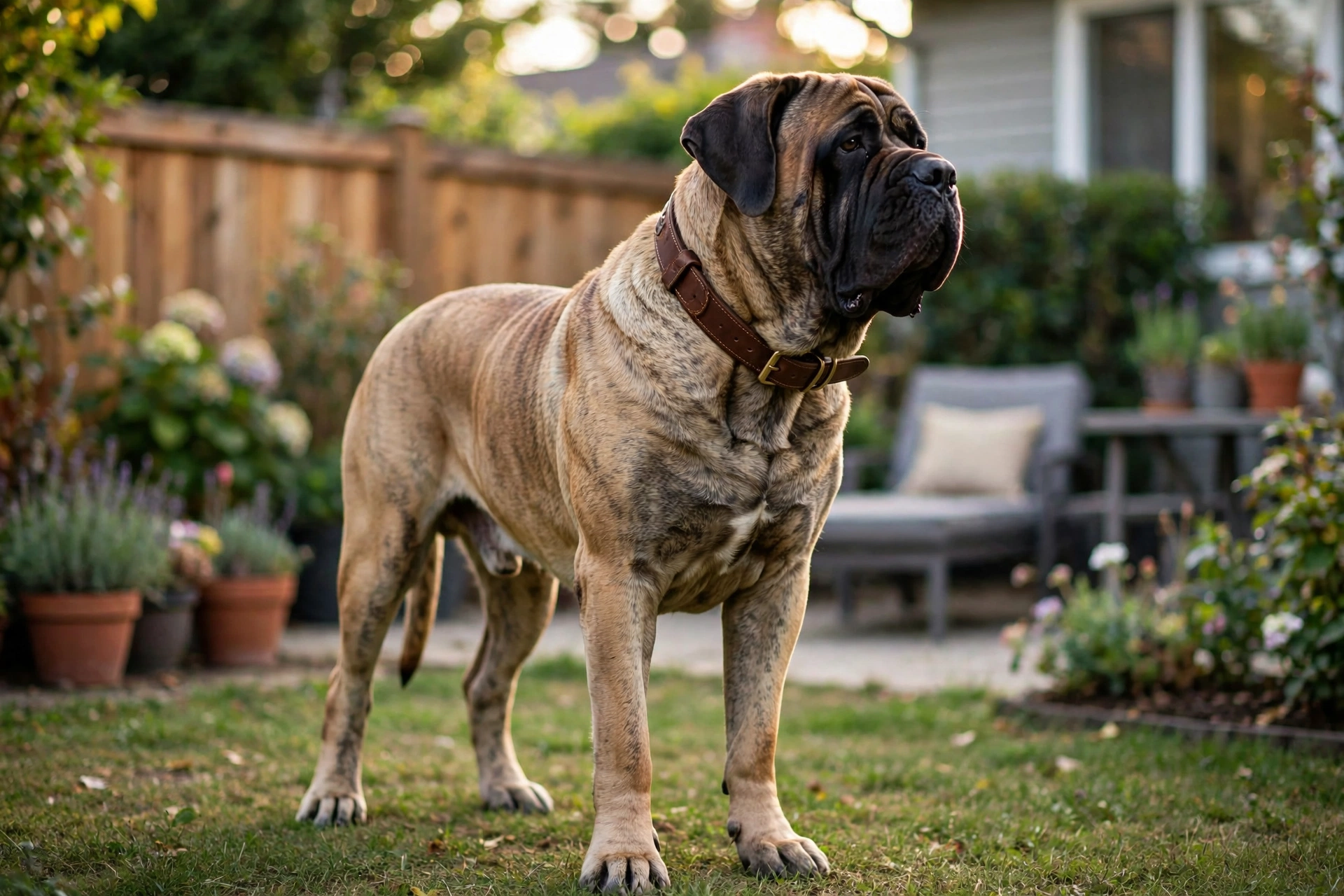
The best wide dog collars are built on simple physics: pressure equals force divided by area, so doubling collar width halves the pressure on your dog’s neck. For large breeds, strong pullers, sighthounds with delicate necks, and brachycephalic breeds with breathing sensitivity, that math translates directly into comfort and safety. I compared the strongest wide-collar options on Amazon — 1.5 to 2-inch designs in leather, tactical nylon, and padded martingale styles — judging them on pressure distribution, hardware strength, and honest suitability for the dogs that need width most.
Affiliate disclosure
As an Amazon Associate, Dogslifelearning earns from qualifying purchases. If you buy through links on this page, I may earn a commission at no extra cost to you.
⚡ The short answer
🥇LOIIHEII 2″ LeatherOverall pick→
🥈DEZIZEUSK9 TacticalWorking dogs→
🥉2″ Collar with HandleClose control→
Quick Picks
| Product | Best For | Standout Feature |
|---|---|---|
| LOIIHEII 2″ Leather | Overall pick | Genuine leather, 2″ width |
| DEZIZEUSK9 Tactical | Working dogs | Tactical build + handle |
| 2″ Collar with Handle | Close control | Integrated grab handle |
| Mayerzon 1.5″ Martingale | Gentle control | Padded limited-slip |
| ComfortFlex Wide | Sporty comfort | Athletic martingale |
| ADITYNA Wide Padded Tactical | Strong pullers | Handle + neoprene padding |
The 6 wide collars, reviewed
LOIIHEII 2-Inch Leather Dog Collar
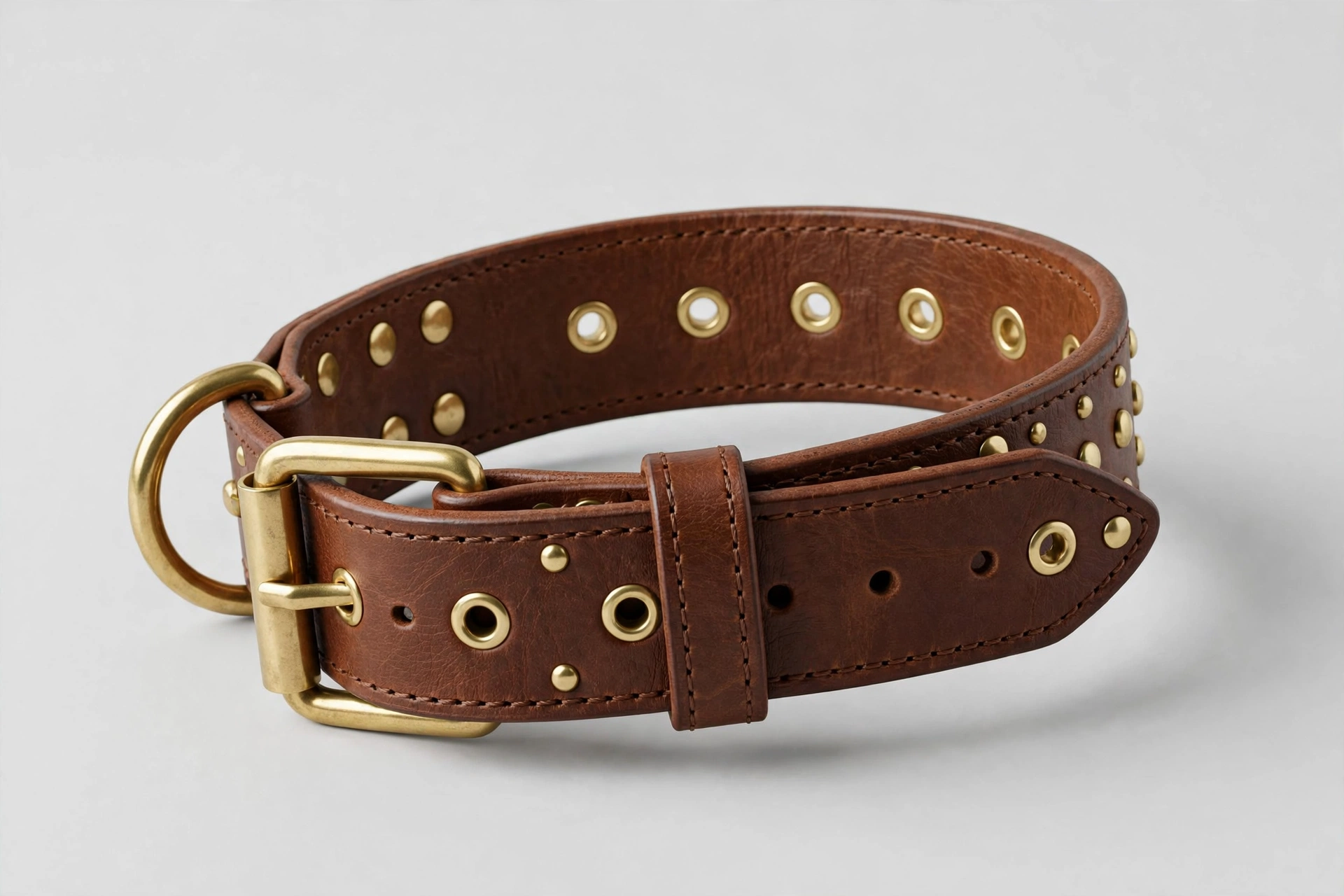
The LOIIHEII is my overall pick — a genuine 2-inch leather collar with eagle-shaped zinc-alloy hardware in the red XL version that delivers the width promise in the material that wears best. Wide leather distributes pressure beautifully while developing the patina that makes leather gear personal. The 2-inch width is the sweet spot for large breeds: meaningful pressure reduction without the bulk of wider designs. For the daily-worn collar on a big dog, leather-plus-width is the combination I recommend most.
DEZIZEUSK9 Tactical Wide Collar
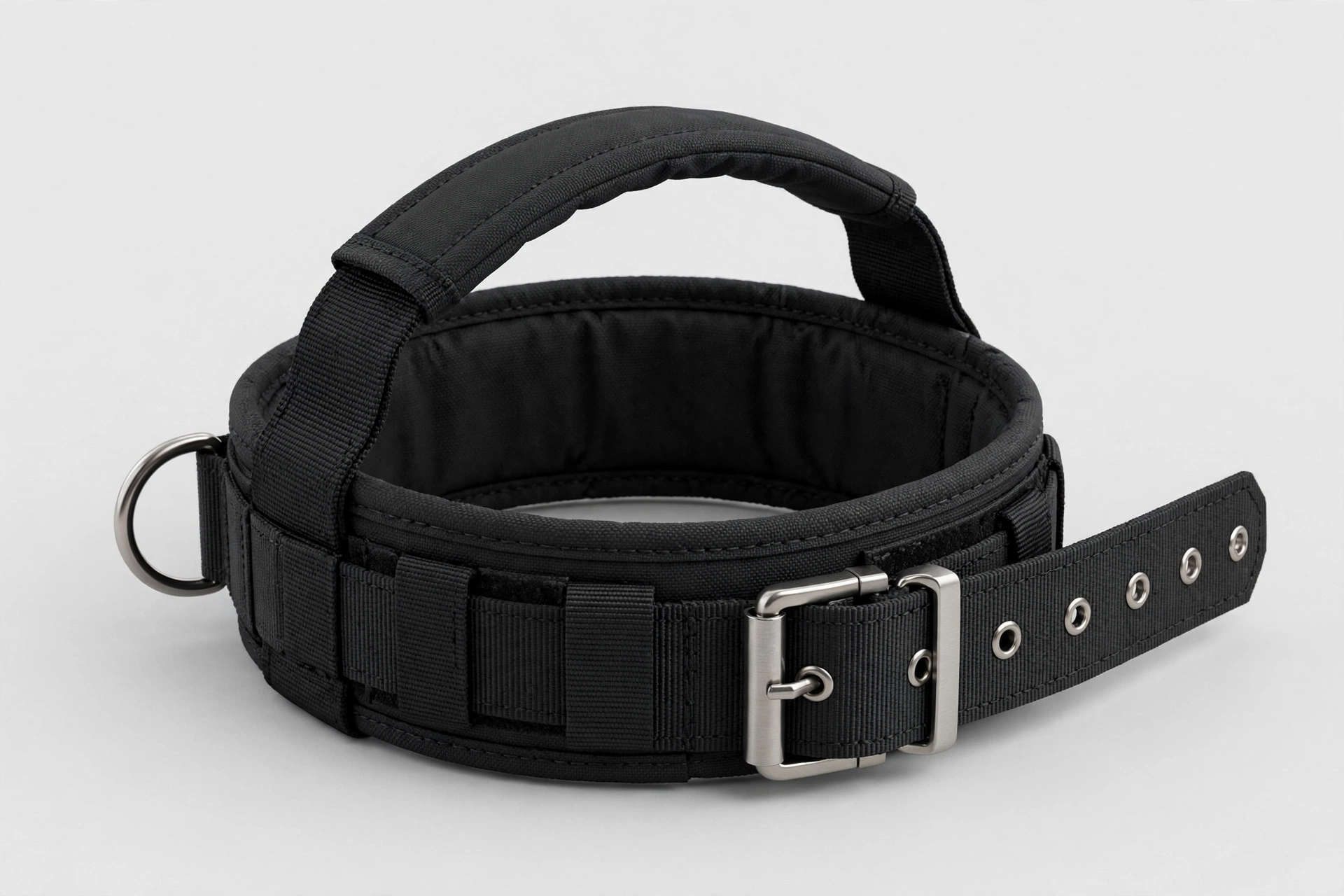
DEZIZEUSK9’s tactical collar brings military-spec thinking to width — heavy nylon webbing, metal buckle, and the wide cut that working-dog handlers demand. This is the pick for Malinois, German Shepherds, and Cane Corsos in training or service roles, where the collar must handle serious forces without folding or twisting. The tactical aesthetic is earned here, not decorative. For pet owners, it’s arguably overbuilt — but overbuilt is a fine problem to have in a collar.
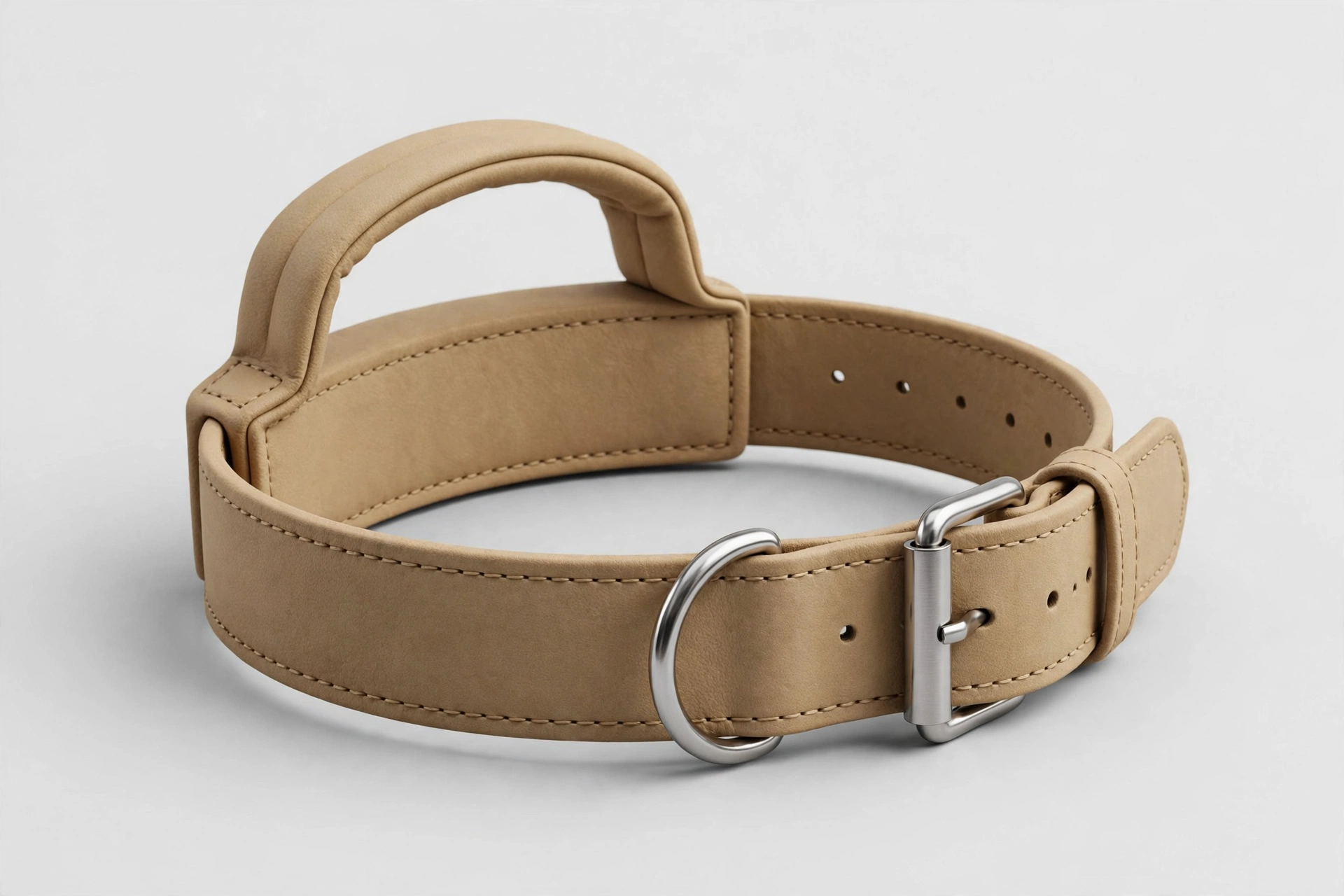
2-Inch Wide Collar with Handle
The integrated grab handle is one of the most useful features in big-dog gear — a built-in grip for close control at crosswalks, vet offices, and crowded trails. Combined with 2-inch width, this design gives you both comfort and command. I recommend handle collars for strong, excitable dogs where you occasionally need instant physical control without grabbing the collar itself (safer for your fingers, clearer for the dog). The handle should lie flat when not in use; check that it doesn’t flop annoyingly.

Mayerzon 1.5″ Padded Martingale
The Mayerzon combines width with the martingale’s limited-slip action and neoprene padding — three comfort technologies in one collar. The 1.5-inch width suits medium-large dogs where a full 2 inches would overwhelm, and the martingale action prevents the escape-artist slip that plagues sighthounds and narrow-headed breeds. The neoprene lining cushions the trachea during pulling episodes. For the puller who needs both control and kindness, this is the most complete design here.
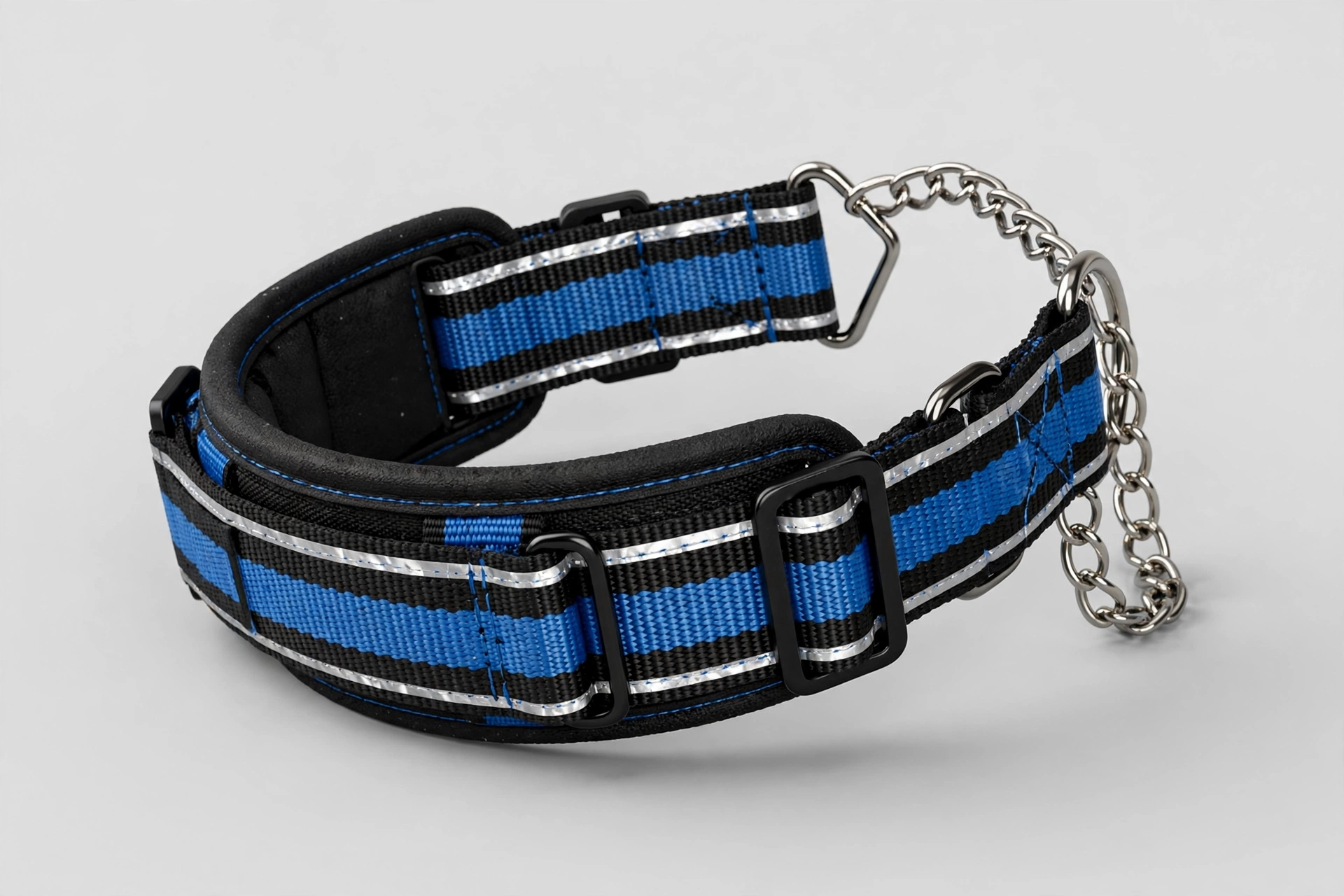
ComfortFlex Wide Martingale
ComfortFlex’s wide martingale brings athletic styling to the category — the sporty look suits active breeds and owners who want performance aesthetics. The limited-slip function is properly implemented, and the wider cut improves on standard martingales’ pressure profile. I like this for the jogging, hiking, canicross-adjacent owner whose dog is an athlete too — gear that looks like it belongs on the trail. Fit it per martingale rules: control loop nearly closing at full tighten.
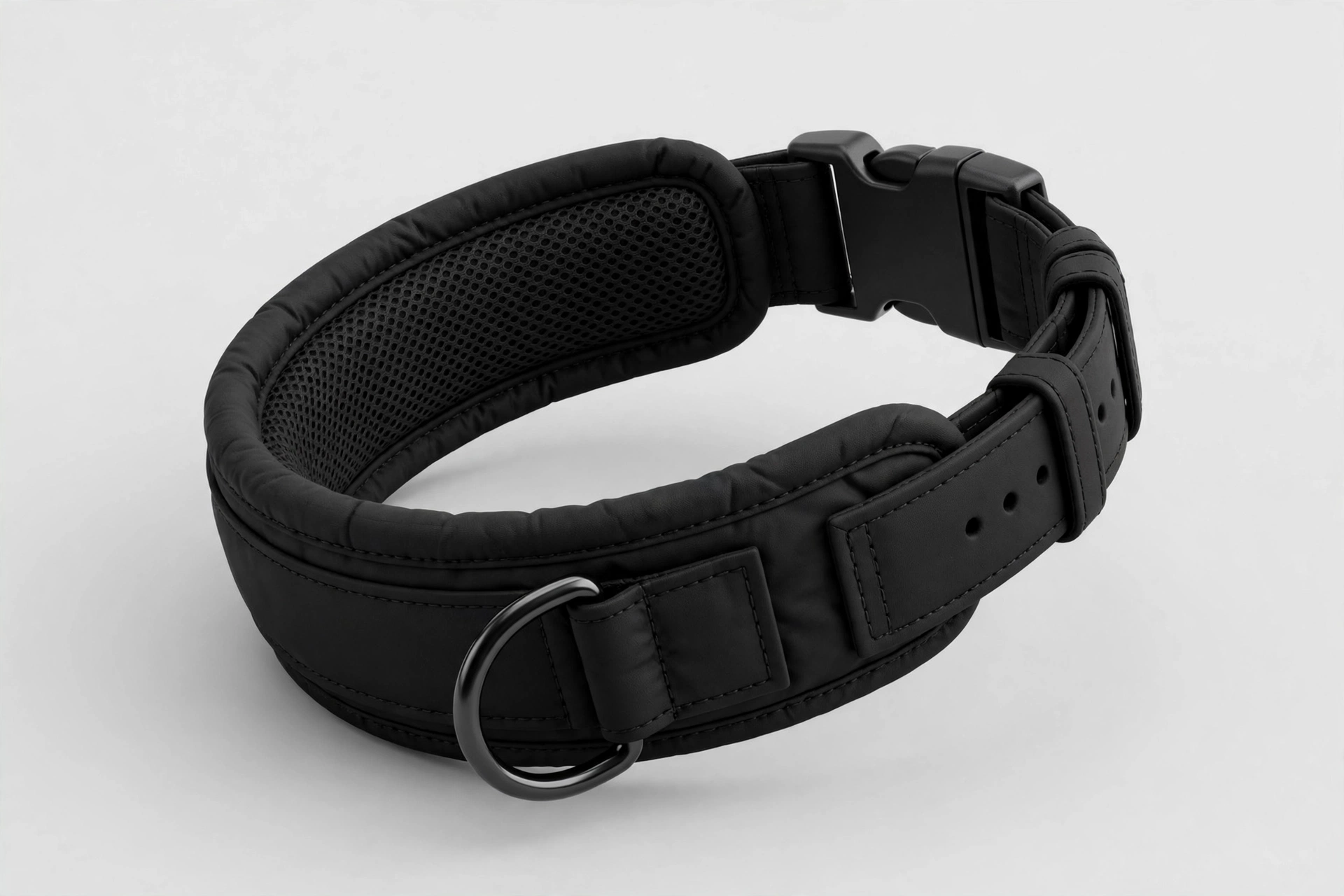
ADITYNA Wide Padded Tactical Collar
The ADITYNA rounds out the list as the tactical option — a wide, neoprene-padded collar with an integrated grab handle, reflective trim, and morale patches, in green. Note the honest spec: this is a wide padded tactical collar, and I do not claim a full 2-inch width for it — the value here is the handle-plus-padding combination for strong pullers who need close control at crosswalks and trailheads. The neoprene padding cushions the neck during pulling episodes, and the handle gives you instant physical control without grabbing the collar itself. For the owner who wants control hardware plus comfort, this is the practical pick.
Buying Guide: The Case for Width
The pressure physics, simply
A 60-pound dog lunging generates remarkable force through the leash — and a 1-inch collar concentrates all of it on a one-inch band of trachea, esophagus, and cervical spine. Widening to 2 inches doesn’t just feel nicer; it measurably reduces peak tissue pressure, lowering the risk of tracheal irritation, coughing, and the gagging that narrow collars provoke in pullers. Sighthound owners learned this decades ago (Greyhounds’ delicate necks demanded wide martingales); the lesson applies to every breed. Width is the cheapest comfort upgrade in collars — it costs little and changes everything. Sighthound collar history is part of the broader dog collar story on Wikipedia. Wide collars suit many of the breeds in my best collars for English Bulldogs guide, and pullers benefit from the best no-pull dog collars guide.
Which dogs need wide collars most
Priority candidates: large and giant breeds (more mass = more force); strong pullers of any size (pressure spikes during lunges); sighthounds (Greyhounds, Whippets, Salukis — delicate necks, escape-artist heads); brachycephalic breeds (Bulldogs, Pugs, Frenchies — airway protection is medical); long-necked breeds; and any dog with a history of collar coughing. For small, gentle, non-pulling dogs, standard width is fine — width solves a problem they don’t have. I recommend wide as the default for any dog over 50 pounds or any known puller, regardless of breed.
Width vs padding vs martingale: combining features
These three comfort technologies stack: width distributes pressure, padding cushions it, and martingale action prevents both escape and constant tightening. The ideal puller’s collar combines all three (like the Mayerzon here). But each addition has trade-offs: padding adds bulk and dry-time; martingales need precise fitting; extreme width (2″+) can overwhelm small necks and restrict head movement if mis-sized. My framework: start with width (the highest-impact change), add padding for sensitive dogs, add martingale for escape artists and training feedback. Don’t pay for features solving problems you don’t have.
Materials for wide collars
Wide collars come in the full material range, each with implications at width: leather (the classic — beautiful, molds to the neck, needs conditioning); nylon webbing (light, washable, affordable — the practical default); neoprene-padded nylon (maximum cushion, slower drying); tactical nylon with metal hardware (bombproof, heavier). At 2-inch width, material weight matters more — a heavy wide collar on a small dog is counterproductive. Match material to lifestyle: leather for the companion, nylon for the athlete, tactical for the working dog, padded for the sensitive.
Fit and the two-finger rule at width
Wide collars fit by the same two-finger rule, but width introduces nuances: the collar should sit flat without curling (curling indicates too narrow for the neck curvature — size up); it shouldn’t impede the dog’s head movement or press the ears when the dog looks up; and on deep-chested breeds, check that the wide band doesn’t ride into the armpit area on small-framed dogs. For martingale wides, the standard applies: control loop nearly closing at full tighten. Re-check fit after the break-in period — leather and padding both settle, effectively loosening the fit slightly.
Wide collars for sighthounds: the classic use case
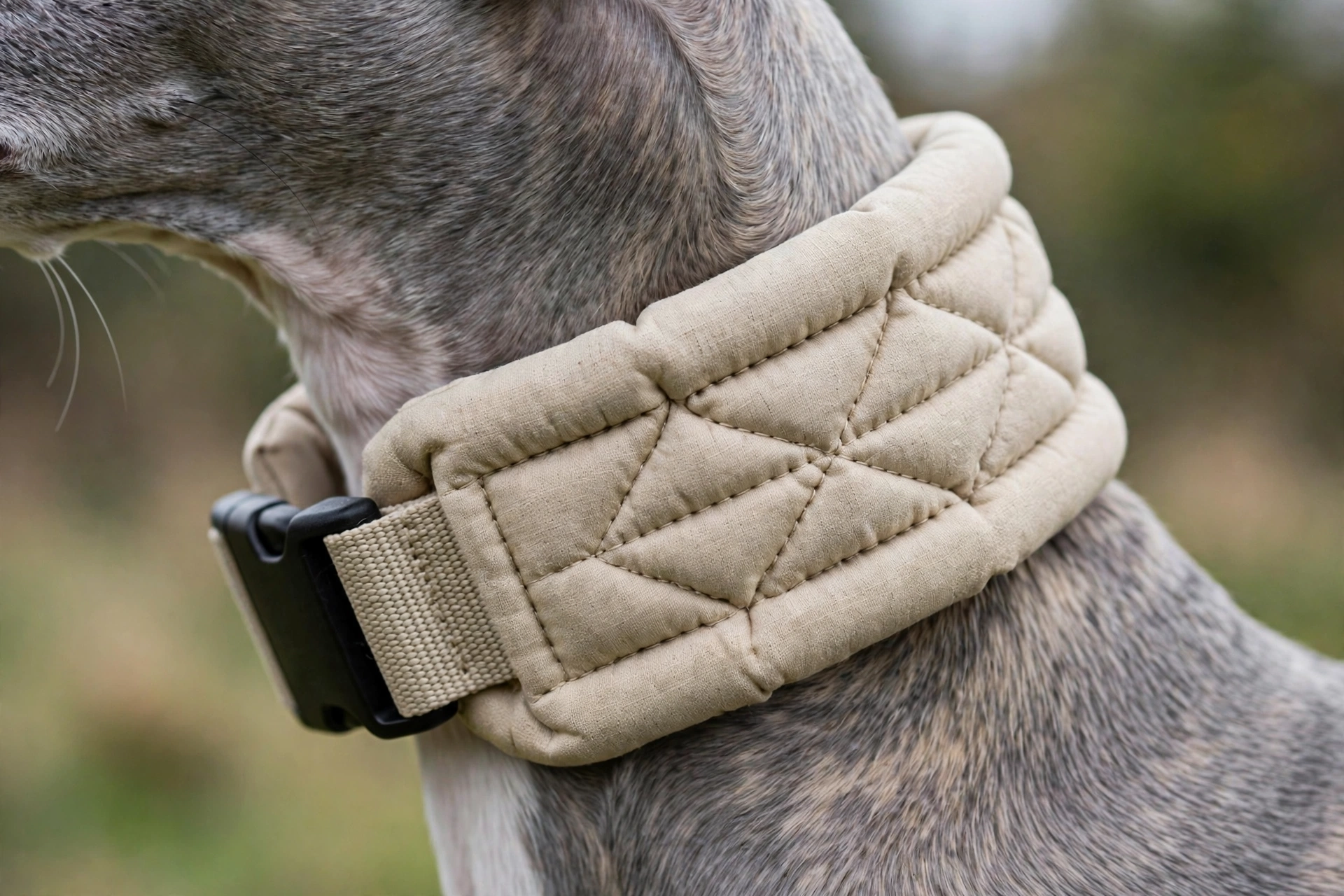
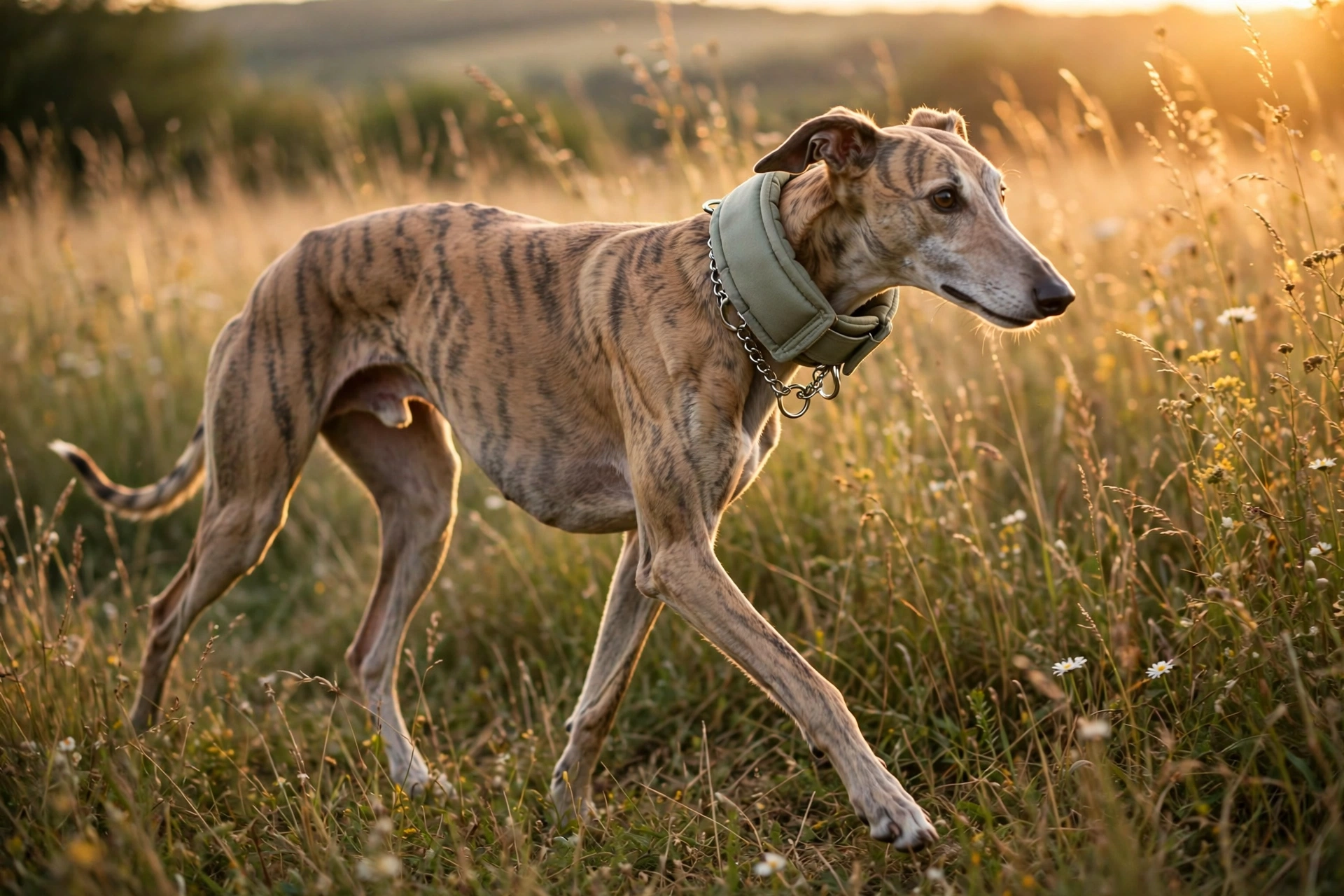
Sighthounds (Greyhounds, Whippets, Salukis, Borzois) are the original wide-collar breed — their long, slender necks are both delicate and slipperier than a standard collar expects. The sighthound world’s standard is the wide martingale: 2 inches of soft fabric that distributes the legendary sighthound neck pressure while the martingale action prevents the head-slip escape that sighthounds are famous for. If you own a sighthound, the wide martingale isn’t a recommendation — it’s the community consensus, refined over decades of breed experience. Start there; the breed clubs have already done your research.
Frequently Asked Questions
What width collar should my dog wear?
General guidance: 3/4–1 inch for dogs under 25 pounds; 1–1.5 inches for 25–60 pounds; 1.5–2 inches for 60+ pounds and all strong pullers. Sighthounds wear wide regardless of weight (1.5″+ martingales are the breed standard). Brachycephalic breeds benefit from 1.5″+ for airway protection. These are starting points — the dog’s neck shape, coat, and pulling style all modulate the answer. When between widths, I usually recommend going wider for comfort.
Are wide collars better for pullers?
For the dog’s comfort and safety during pulling — yes, meaningfully. Wide collars don’t train the dog not to pull (that’s training’s job), but they make the pulling episodes less harmful while you work on it. Think of width as protective equipment during the training process, not a training method itself. Combine a wide collar with a front-clip harness and a consistent loose-leash program for the complete solution.
Can small dogs wear wide collars?
Proportionally, yes — a 1 to 1.25-inch collar on a 15-pound dog is “wide” relative to their neck, and sighthound-type small breeds (Italian Greyhounds, Whippets) genuinely benefit. But don’t put a 2-inch collar on a Chihuahua — absolute width must suit the neck’s anatomy, or the collar restricts movement and looks absurd. Scale width to the dog: wide is relative, not absolute.
Do wide collars help with tracheal collapse?
They reduce one risk factor — concentrated tracheal pressure — which is genuinely valuable for at-risk breeds (Yorkies, Pomeranians, Chihuahuas, Pugs). But wide collars don’t treat or prevent tracheal collapse; that’s a veterinary condition involving cartilage weakness. If your dog honks, coughs, or shows breathing difficulty, see your vet — and in the meantime, walk on a harness (zero neck pressure) rather than any collar. I include the vet disclaimer because this is a medical issue wearing a gear question’s clothes.
Are wide leather collars heavy?
Somewhat — 2 inches of leather plus solid hardware has real heft, noticeable on small dogs and irrelevant on large ones. If weight concerns you, nylon webbing wides are significantly lighter, and padded nylon splits the difference. For most large-breed wearers, the weight is a non-issue within days (dogs adapt fast). For the rare weight-sensitive dog, go nylon and don’t look back.
How do I clean a wide padded collar?
Nylon wides: machine or hand wash, air dry. Leather wides: wipe clean, condition quarterly. Padded/neoprene wides: hand wash with mild soap, air dry thoroughly (padding traps moisture — the main maintenance burden of the style). For the drooly breeds that most need wide collars (Bulldogs, Mastiffs), washable materials save enormous hassle. Rotate two collars if your dog is a heavy drooler — one wearing, one drying.
How wide is too wide?
The practical limit is the dog’s neck length and comfort: the collar shouldn’t bunch at the jaw or dig at the shoulders, and the dog shouldn’t show restricted head movement. As a rule of thumb, 2 inches suits most medium-large dogs, 1.5 inches for smaller frames, and beyond 2 inches is specialty territory (sighthounds, giant breeds, fashion statements). “Too wide” announces itself — the dog fusses, the collar folds, or it migrates. When in doubt, the next width down is the safer choice; the pressure-distribution benefits plateau while the comfort costs keep rising.
Can wide collars be personalized?
Wide collars are the BEST canvas for personalization — the extra width fits larger embroidery, bigger nameplates, and more visible ID text. This is a genuine functional advantage: a 2-inch collar can carry a phone number in readable type, while a half-inch collar can’t. If ID visibility matters to you (escape artists, travel dogs), the wide collar’s personalization real estate is a safety feature, not just a style choice. Many owners choose wide specifically for this reason.
Related Buying Guides
The verdict
My top pick among the best wide dog collars is the LOIIHEII 2-inch leather for its classic pressure-distributing excellence, with the Mayerzon padded martingale as the complete comfort-and-control package for pullers. The principle to carry forward: width is the simplest, cheapest comfort upgrade in the collar world — more area, less pressure, happier neck. For big dogs, pullers, sighthounds, and flat-faced breeds, wide isn’t a style choice, it’s the responsible default. Measure the neck, buy the width, and feel the difference on your very next walk together outside.
6 Comments