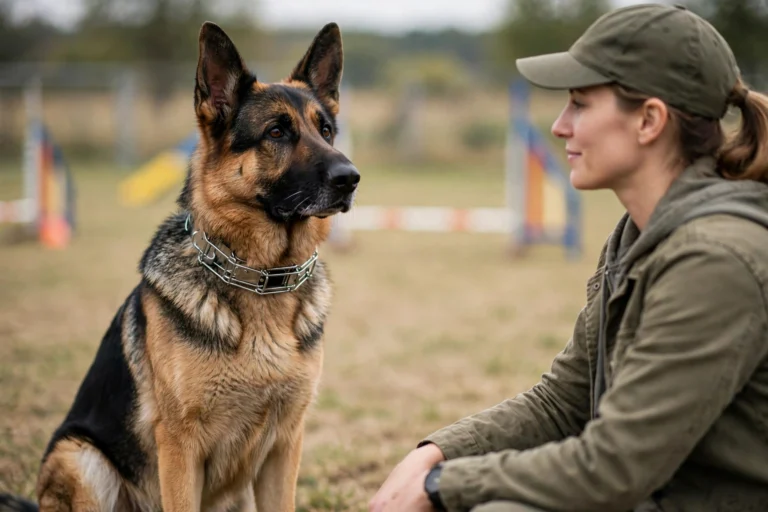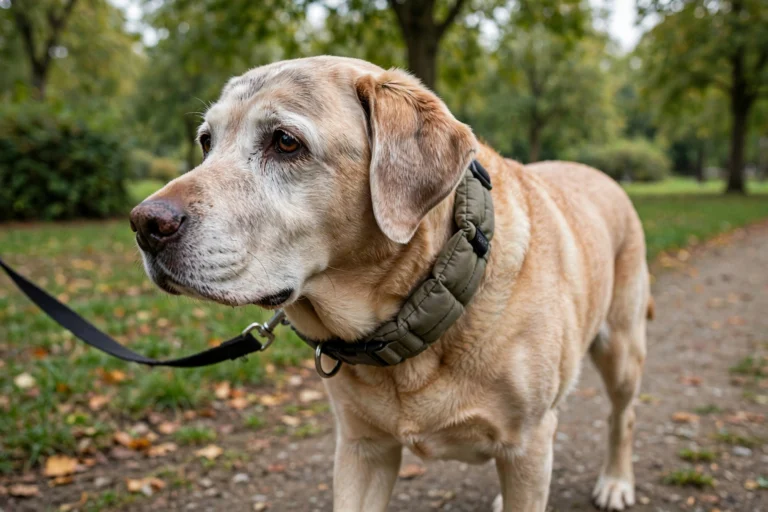
A service dog‘s collar does a different job than a pet’s: it carries identification that communicates “working dog, do not distract” to the public, it must be comfortable for all-day wear through long working hours, and it often needs to integrate with patches, vests, and handle systems. The best service dog collars combine clear, professional identification (embroidery or quality patches) with durable, comfortable construction built for daily working life. I have evaluated the identification collars, embroidered options, and patch systems handlers actually use — and because this category attracts misinformation, this guide also covers the legal facts: what the ADA actually requires, and the fake “certification” industry you should avoid.
Affiliate disclosure
As an Amazon Associate, I earn from qualifying purchases. If you buy through a link on this page, I may earn a commission at no extra cost to you.
⚡ The short answer
🥇WorkingServiceDog.com Clip-On ID TagBest identification→🥈Embroidered Service Dog CollarBest embroidered collar→🥉Mabor Service Dog Patch SetBest patch set→
Quick Picks: Best Service Dog Collars at a Glance
| Product | Best for | Standout feature |
|---|---|---|
| WorkingServiceDog.com Clip-On ID Tag | Best identification | USA-made, clips to any collar |
| Embroidered Service Dog Collar | Best embroidered collar | ID stitched into the collar |
| Mabor Service Dog Patch Set | Best patch set | 6 embroidered patches |
| Tactical Service Dog Collar | Best control | Handle + patch panels |
| MTLEE Service Dog Patch Set | Best value | 16 patches, multiple sizes |
5 Service Dog Collars and ID Systems
Service dog identification comes in three forms: collars with built-in ID (embroidery), clip-on tags, and patch systems for vests and tactical collars. These five cover all three.
WorkingServiceDog.com Clip-On ID Tag
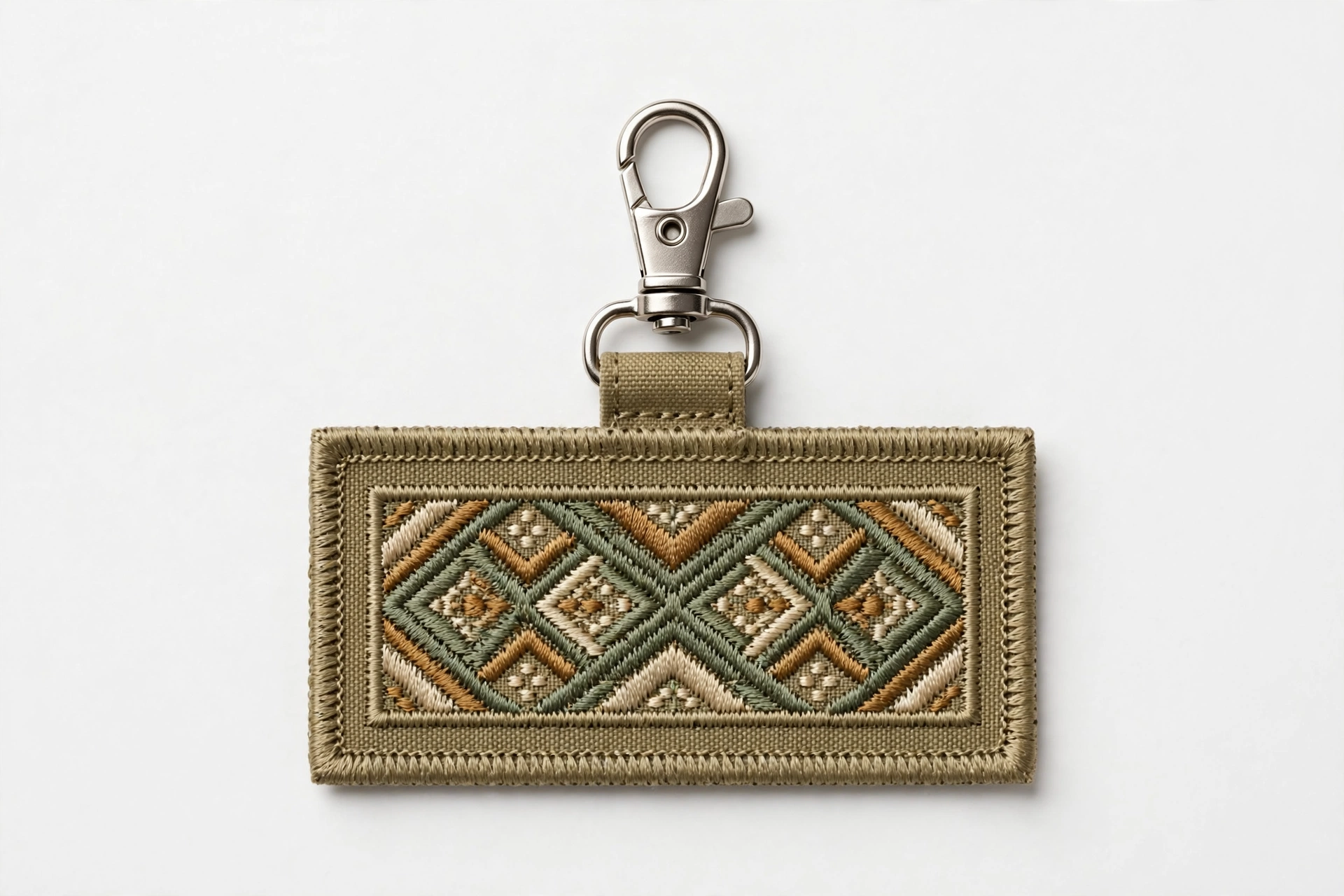
Sometimes the best solution is the simplest: this USA-made clip-on tag from WorkingServiceDog.com attaches to any collar, vest, harness, or leash with a swivel snap hook — heavy embroidered fabric, finished edges, bold readable text — this listing reads “I’m Friendly, Please Pet Me” — double-sided. I recommend it because it upgrades whatever collar your dog already wears comfortably, rather than forcing a new collar for the sake of ID. For handlers who swap between gear (vest days, collar-only days), the clip-on flexibility is genuinely useful. Made in the USA by a working-dog equipment specialist.
Embroidered Service Dog Collar
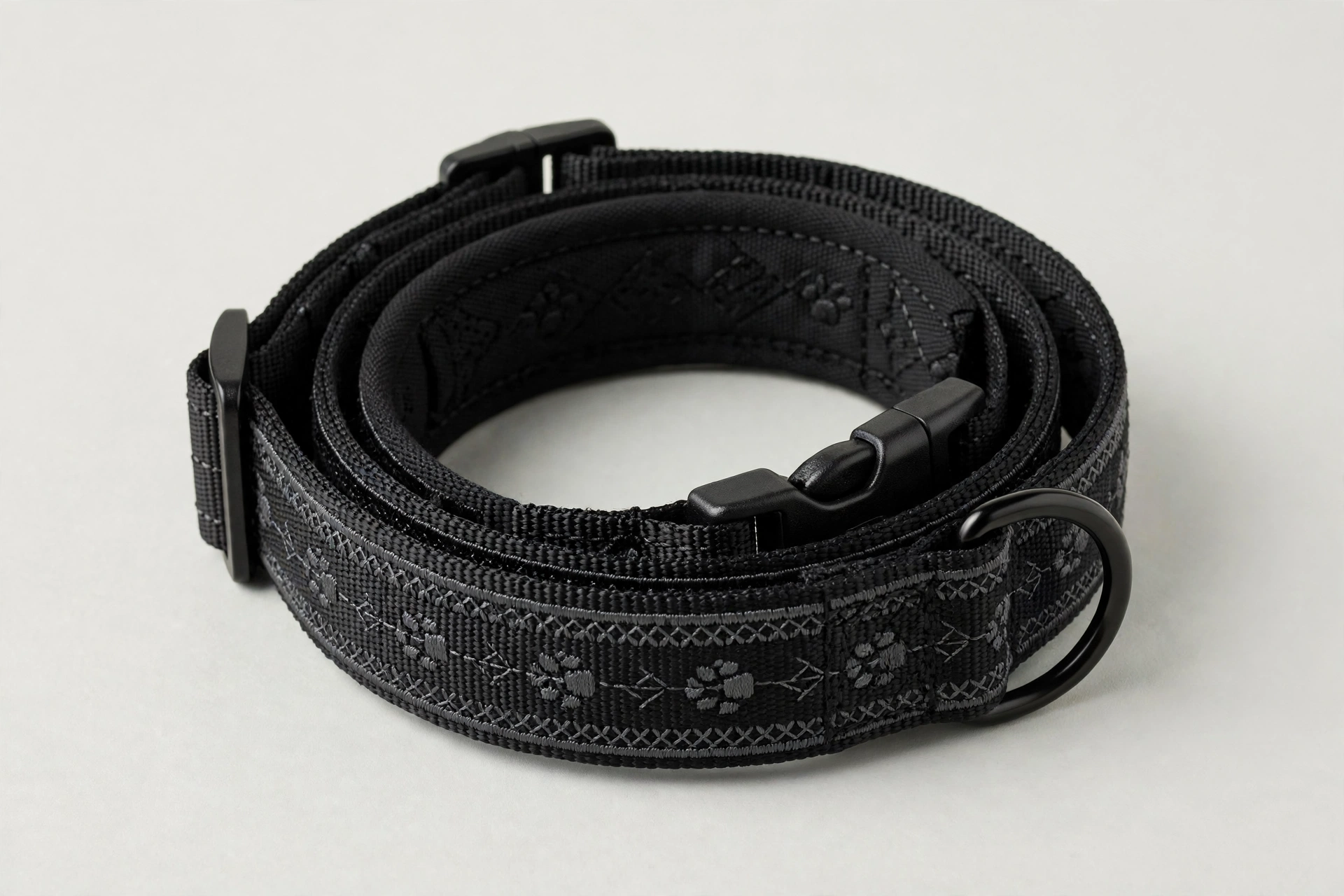
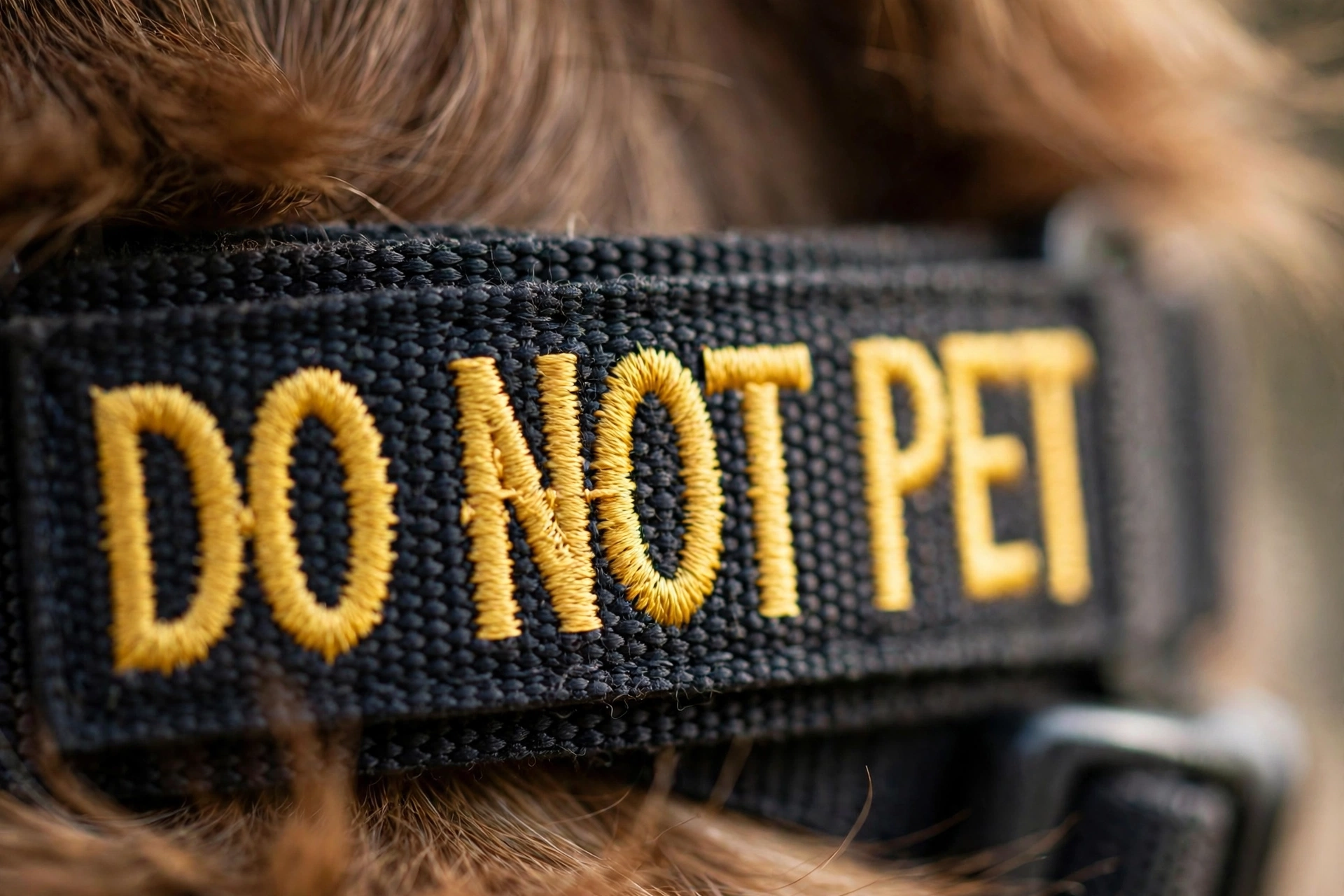
An embroidered collar puts “SERVICE DOG” (or “DO NOT PET”) directly into the webbing — identification that cannot fall off, fade like a hang tag, or snag on anything. I prefer embroidery over printed lettering for working dogs because it survives daily wear and washing. Look for large, high-contrast lettering readable at conversational distance, sturdy nylon webbing, and a reliable buckle. Check the current embroidered service dog collar options on the listing and choose lettering appropriate to your situation (some handlers prefer “DO NOT DISTRACT” over “DO NOT PET”).
Mabor Service Dog Patch Set
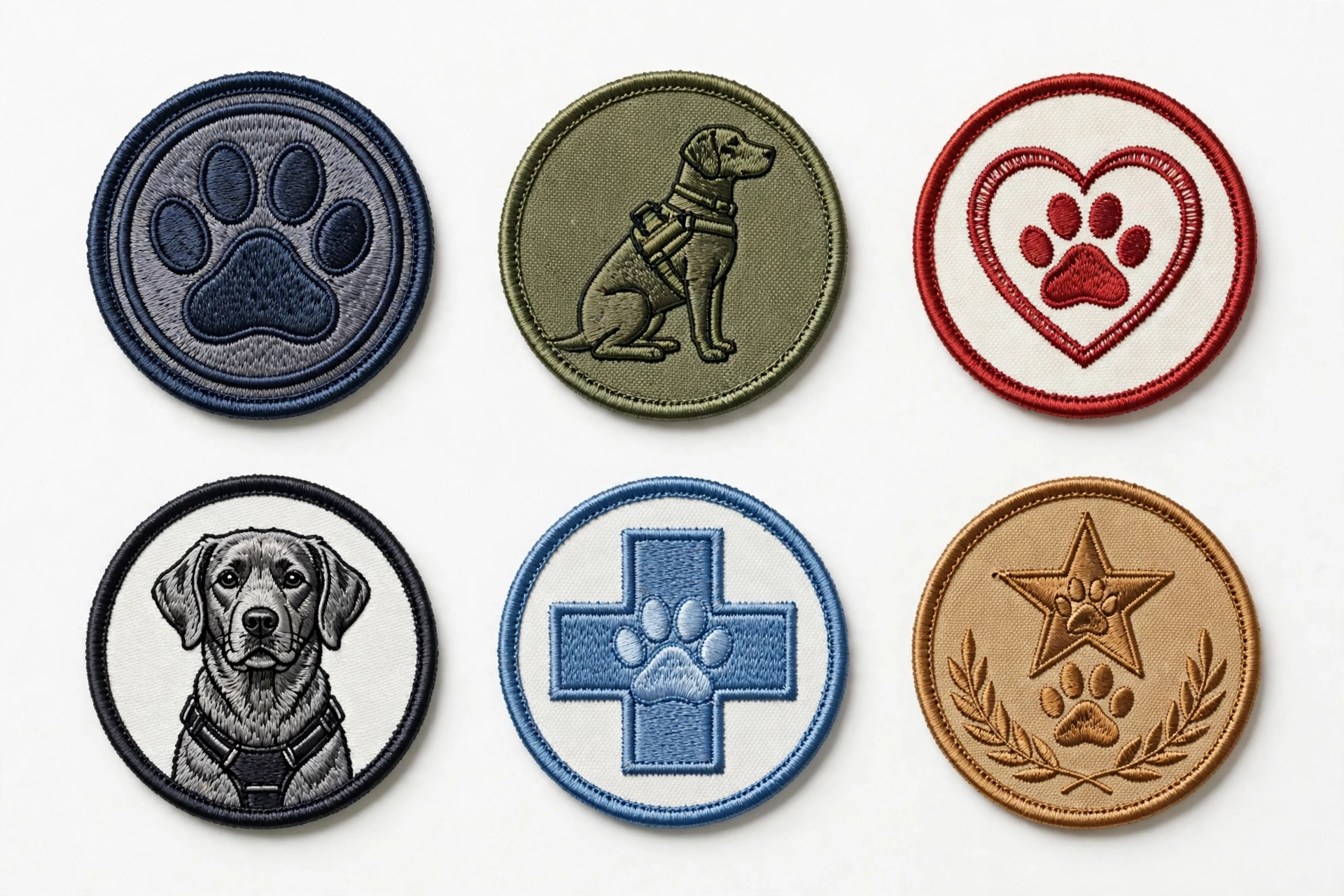
For handlers using vests, harnesses, or tactical collars with patch panels, the Mabor six-piece embroidered set covers the essential messages — service dog, in training, do not pet, emotional support — in a neutral black-and-white scheme that suits any gear color. Embroidered (not printed) lettering on PU and polyester holds up to daily use. I like having the full vocabulary on hand: different outings call for different messages, and swapping patches is faster than swapping gear.
Tactical Service Dog Collar with Handle
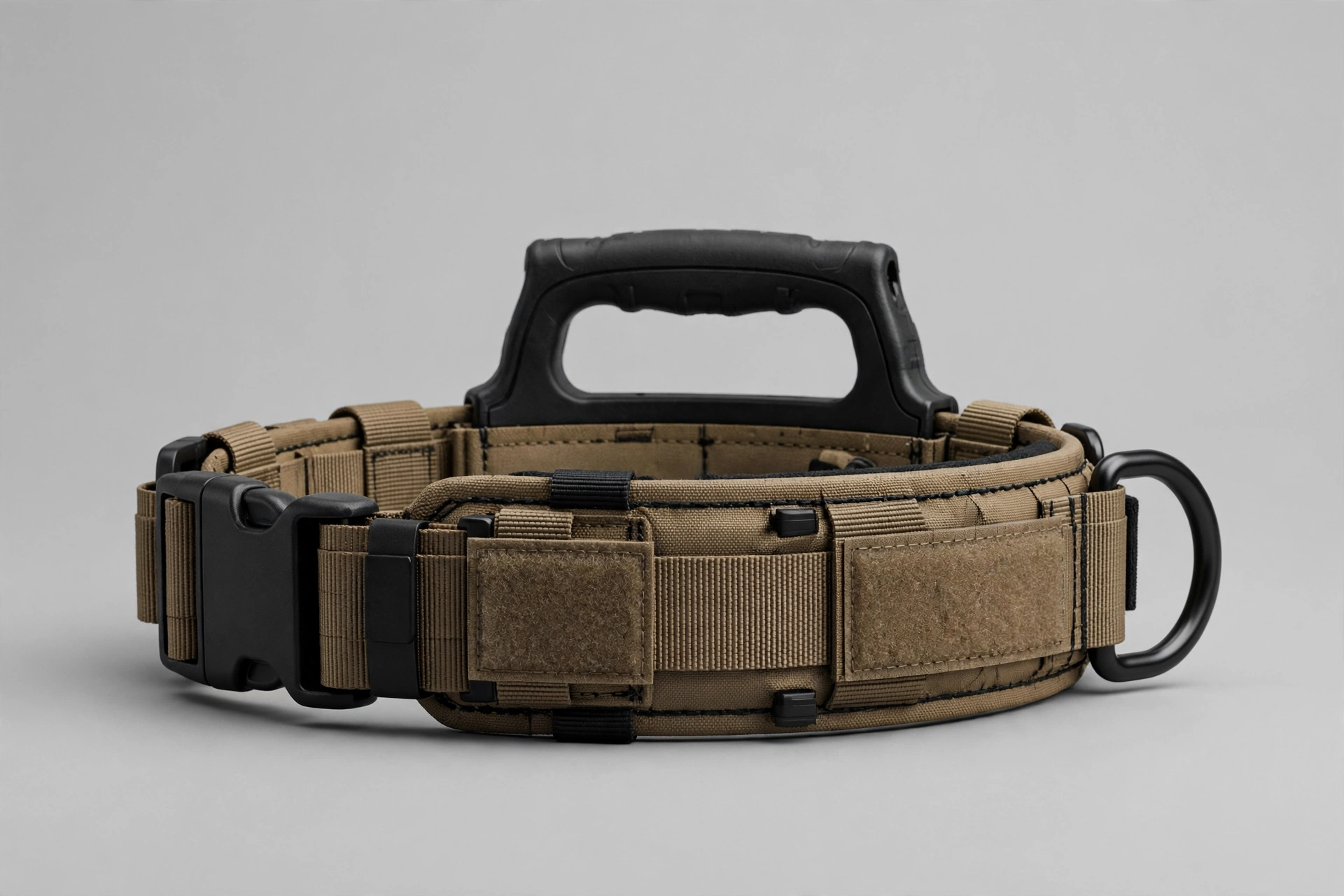
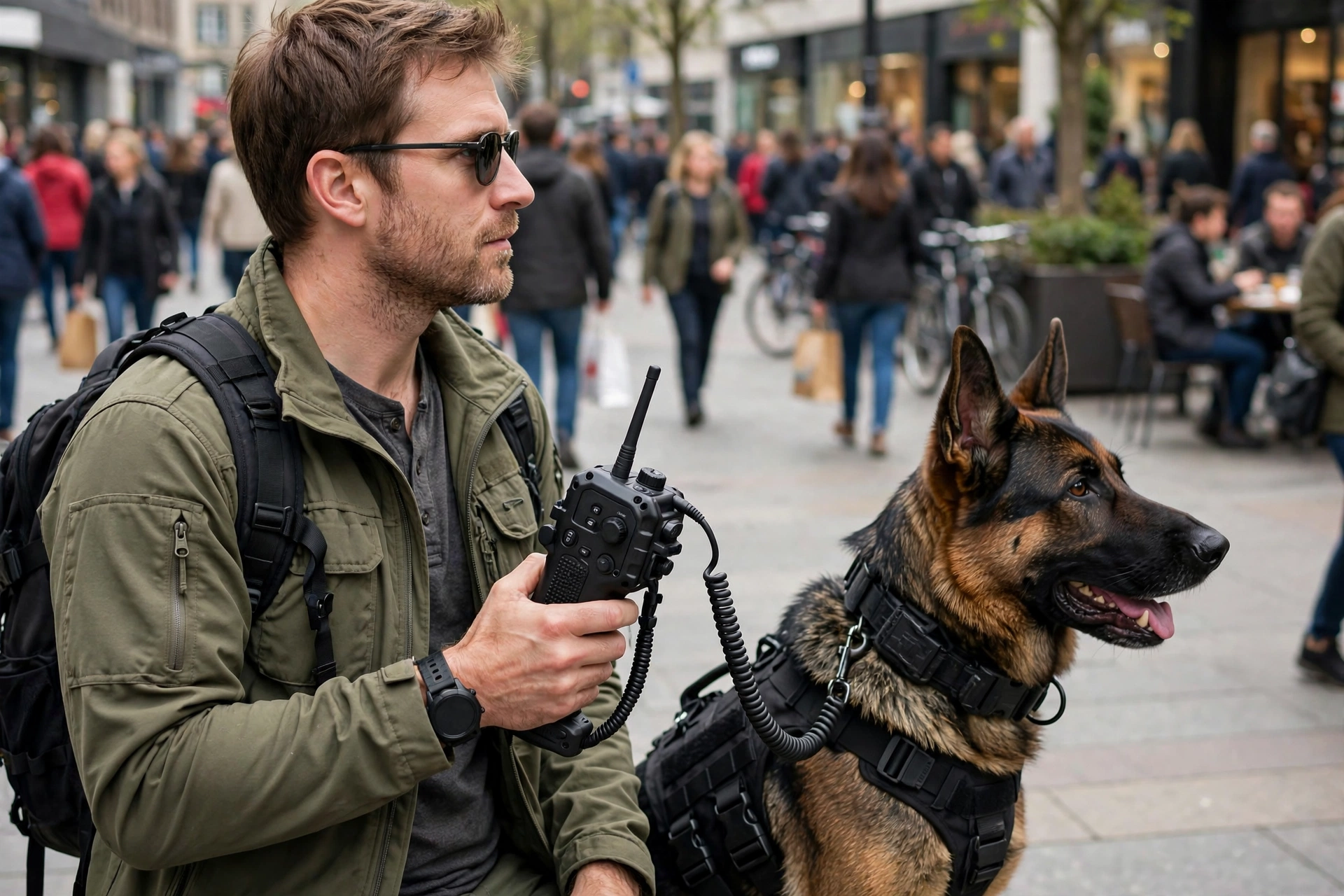
Many service dog handlers prefer a tactical-style collar: wide webbing for comfort during long working days, a control handle for close-quarters guidance (crowds, doorways, transit), a metal buckle for security, and hook-and-loop panels for patches. The handle is the working feature — it gives the handler physical connection without reaching for the dog. Check the current tactical service dog collar options on the listing and prioritize the handle’s comfort and the buckle’s strength.
MTLEE Service Dog Patch Set
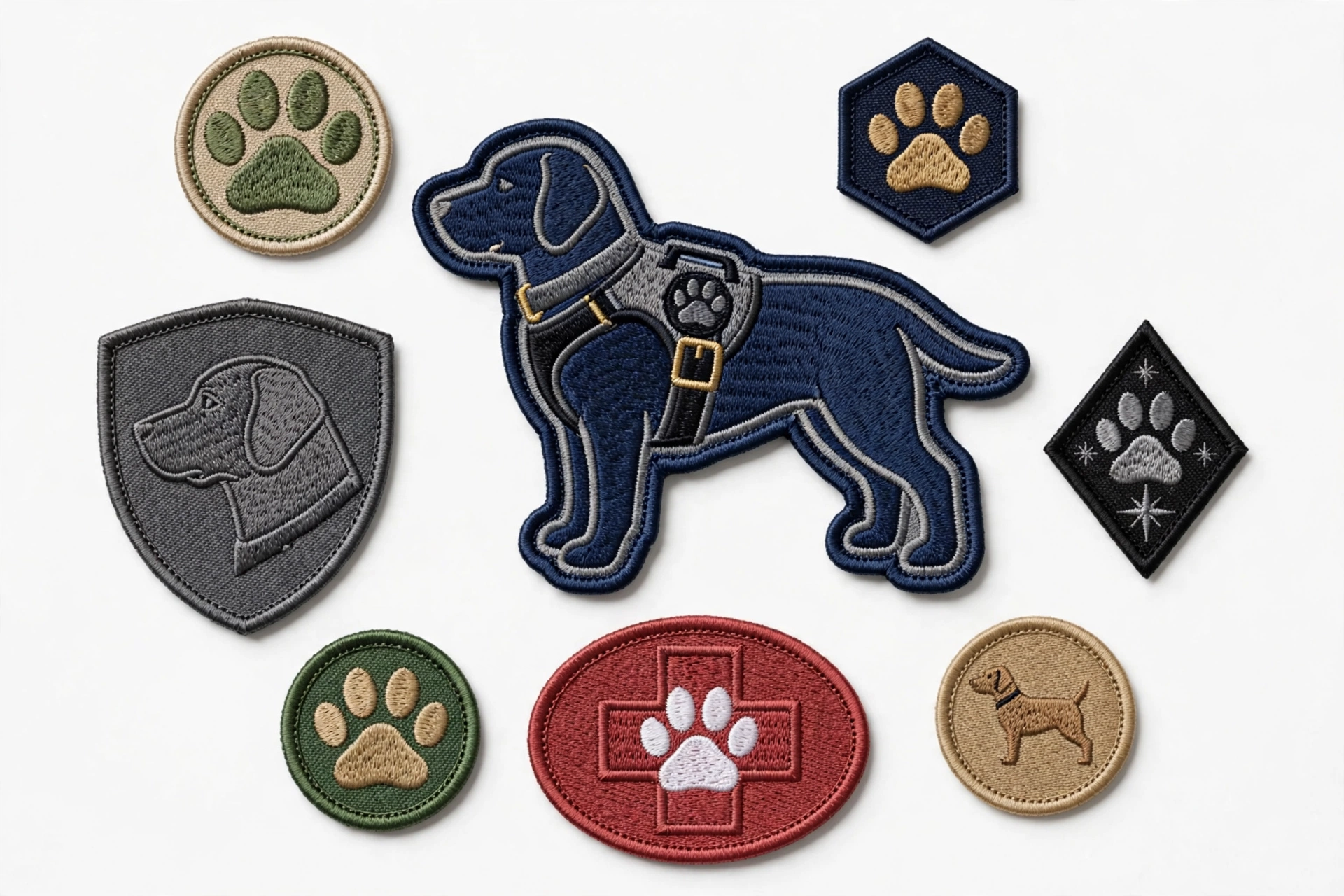
Sixteen patches in five sizes, covering service dog, in training, do not pet, and working-dog messages in canvas with colored embroidery — the MTLEE set is the value play for multi-dog households, training programs, or handlers who want backups for every vest, collar, and leash they own. Removable hook-and-loop backing swaps in seconds. At this quantity and price, there is no reason to run out of the right message for the moment.
Buying Guide: Service Dog Collars
Choosing service dog gear means getting the equipment right and the law right. Both matter. Working dogs must walk without pulling — no pull dog collars cover the training side — and most service dogs are large dogs, so size-appropriate hardware matters.
The legal facts: what the ADA actually requires
I want to be precise here, because misinformation costs handlers money and stress. Under the Americans with Disabilities Act (ADA) in the United States: there is no official service dog certification, registration, or ID requirement. Businesses may not demand documentation, and they may ask only two questions — (1) is this a service animal required because of a disability, and (2) what work or task has it been trained to perform. Vests, collars, patches, and ID cards are all optional — useful for smoothing public interactions, but not legally required. Anyone selling you a “certification,” “registration,” or “official ID” is selling something the law does not recognize. I say this bluntly because the fake-certification industry specifically targets new handlers.
Service dogs vs. emotional support animals
A related point of confusion: emotional support animals (ESAs) are not service dogs under the ADA and do not have public-access rights, though they have some housing protections under different law. Labeling an ESA’s gear “service dog” misrepresents the animal’s legal status and makes life harder for legitimate service dog teams, who face skepticism partly because of mislabeled pets. I urge honesty in labeling — it protects the handlers who genuinely need access.
Choosing the identification message
The wording on the collar shapes public behavior. “DO NOT PET” is direct and widely understood. “DO NOT DISTRACT” addresses the real problem (talking to, whistling at, or feeding the dog). “IN TRAINING” signals a young dog still learning, inviting patience. I recommend handlers think about which problem they encounter most and label for it — and keep a spare patch or tag with a different message for different contexts.
Comfort for all-day working wear
A service dog may wear its collar 8-12 hours daily, so comfort standards are higher than for pet collars: wide webbing or padding to distribute pressure, smooth edges, no hardware that digs when the dog lies down, and materials that do not trap heat. I also recommend a break routine — collar off during rest periods at home — because even the best collar causes wear with truly continuous use. Check the neck weekly for rubbing, especially under embroidery backing and patch panels.
Integration with vests and handles
Think of the collar as one component of a system: it should work with the vest or harness (no conflicting straps), carry the leash attachment as backup to the vest’s, and position patches where they are visible. For handlers who use a rigid counterbalance handle or guide handle on a harness, the collar’s job simplifies to ID plus backup leash attachment — a lighter collar suffices. For collar-primary handlers, the tactical collar with its control handle earns its place.
Training gear vs. working gear
I recommend keeping them separate. Training gear — the collar and patches you use during public-access training — should say “IN TRAINING” clearly, because it sets accurate expectations and invites patience from the public. Working gear carries the full “SERVICE DOG / DO NOT DISTRACT” identification. Mixing them up (a fully-labeled dog that is still in training, or an in-training label on a working dog) creates confusion. Two labeled setups cost little and keep every outing honest.
Retired service dogs: transitioning the gear
When a service dog retires, I recommend retiring the working identification with it: remove the “SERVICE DOG” patches and embroidery from daily wear, and switch to a regular collar. A retired dog in working gear confuses the public and, more importantly, can create access disputes the dog no longer needs to navigate. Keep one labeled setup as a keepsake if you like — many handlers do — but the retired dog’s daily collar should say nothing but the phone number. It is a small ritual that honors the career honestly.
Traveling with a service dog: gear tips
Travel multiplies gear needs: I pack a backup collar and leash (airlines and hotels are where gear gets lost), a spare ID tag, and printed copies of the ADA’s two-question rule for the rare confrontation with uninformed staff. Keep the dog’s working collar on during travel days — consistent identification smooths every interaction from security to the hotel desk. And know the specific rules for air travel, which have their own documentation requirements separate from the ADA’s public-access rules; check the current DOT guidance before flying.
Frequently Asked Questions
Does my service dog need a special collar by law?
No. Under the ADA, there is no legal requirement for any special collar, vest, patch, or ID — what makes a service dog is its trained tasks, not its equipment. Identification gear is optional but practically useful: it reduces public confrontations and keeps strangers from distracting your dog. I recommend it for smoothness, not for legality.
Are online service dog registrations legitimate?
No — and I want to be direct about this. There is no official service dog registry, certification, or ID in the United States, so any site selling “official registration” or “certification” is selling a meaningless product. These purchases do not grant any legal rights and can actually undermine your credibility. Save your money.
What should a service dog collar say?
The most useful messages are “SERVICE DOG” (identification), “DO NOT PET” or “DO NOT DISTRACT” (boundary-setting), and “IN TRAINING” for young dogs. Choose based on the problem you face most. Avoid cutesy or aggressive wording — professional, clear language gets the best public response.
Can I label my emotional support dog’s collar “service dog”?
Please do not. ESAs are not service dogs under the ADA and do not have public-access rights; mislabeling misrepresents the dog’s legal status and harms legitimate service dog teams by eroding public trust. Label ESA gear honestly as emotional support.
How do I stop people from distracting my service dog?
Clear collar/patch labeling is the first line of defense — most people respect a readable “DO NOT DISTRACT.” For persistent strangers, a calm rehearsed sentence (“Please don’t distract him, he’s working”) works better than confrontation. Some handlers add a leash wrap with the same message for redundancy. Training a strong “leave it” and focus cue in the dog covers what labeling cannot.
What collar is most comfortable for all-day service work?
Wide, padded, smooth-edged collars in breathable materials — the wider the webbing, the better pressure distributes across long working days. I also insist on a daily collar-off rest period and weekly neck checks for rubbing. Rotate between two collars if one causes any wear pattern.
Should the collar or the vest carry the leash?
I use both, redundantly: the primary leash attachment on the vest or harness (which distributes force better), with the collar as the backup attachment point. This redundancy matters — if a vest buckle fails in a busy street, the collar leash keeps the dog connected. Train the dog to walk politely on either attachment so a mid-outing switch does not change behavior.
Related Buying Guides
The verdict
My verdict: start with the WorkingServiceDog.com clip-on ID tag on whatever collar your dog already wears comfortably — it is the fastest, cheapest path to clear professional identification. Add an embroidered collar or a tactical collar with patches as your working setup matures. And keep the legal facts straight: no certification exists, no registry is official, and your dog’s trained tasks are what matter — the collar just helps the public understand that. Honest labeling protects you, your dog, and every service dog team that follows.