
Choosing among the best e-collars for dogs is one of the most consequential gear decisions a dog owner can make — these are remote training collars that deliver static stimulation, vibration, or tone. I want to be upfront: I cover e-collars because owners search for them and deserve honest guidance, but I believe they should only be used with proper education, low-level conditioning methods, and ideally under a certified trainer’s supervision. I researched the most established remote trainers on Amazon, comparing range, stimulation quality, waterproofing, and safety features.
Affiliate disclosure
As an Amazon Associate, Dogslifelearning earns from qualifying purchases. If you buy through links on this page, I may earn a commission at no extra cost to you.
⚡ The short answer
🥇SportDOG SportHunter 425XHunting & field work→🥈BOUSNIC 3300FT Dog Training CollarBudget training→🥉Dogtra 1900XSerious trainers→
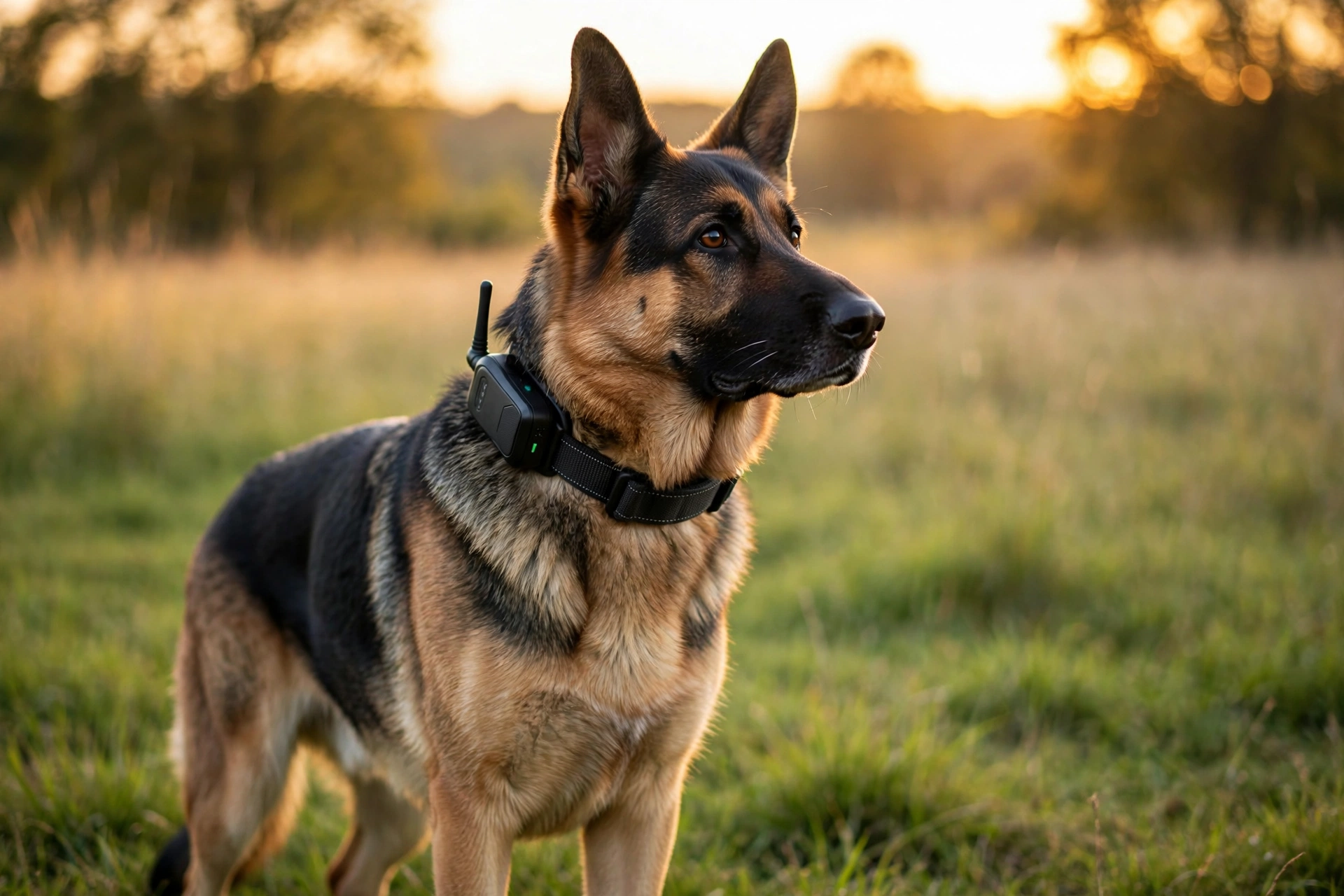
The Educator ET-300 is the pick for pet owners pursuing low-level conditioning, the Dogtra 1900X for serious trainers needing precision, and the SportDOG 425X for field and hunting work. Every pick assumes education, trainer guidance, and low-level conditioning — never punishment.
Quick Picks
| Product | Best For | Standout Feature |
|---|---|---|
| SportDOG SportHunter 425X | Hunting & field work | 500-yard range, waterproof |
| BOUSNIC 3300FT | Budget training | 3300FT range, dual channel |
| Dogtra 1900X | Serious trainers | Precise stimulation dial |
| Jugbow 4500FT | Long-range recall | 4500FT range |
| Educator ET-300 Mini | Gentle low-level work | “Blunt” stimulation tech |
| SLOPEHILL ProRemote | Everyday obedience | Simple remote layout |
Prices checked 2026-10-16; re-check before buying.
SportDOG SportHunter 425X
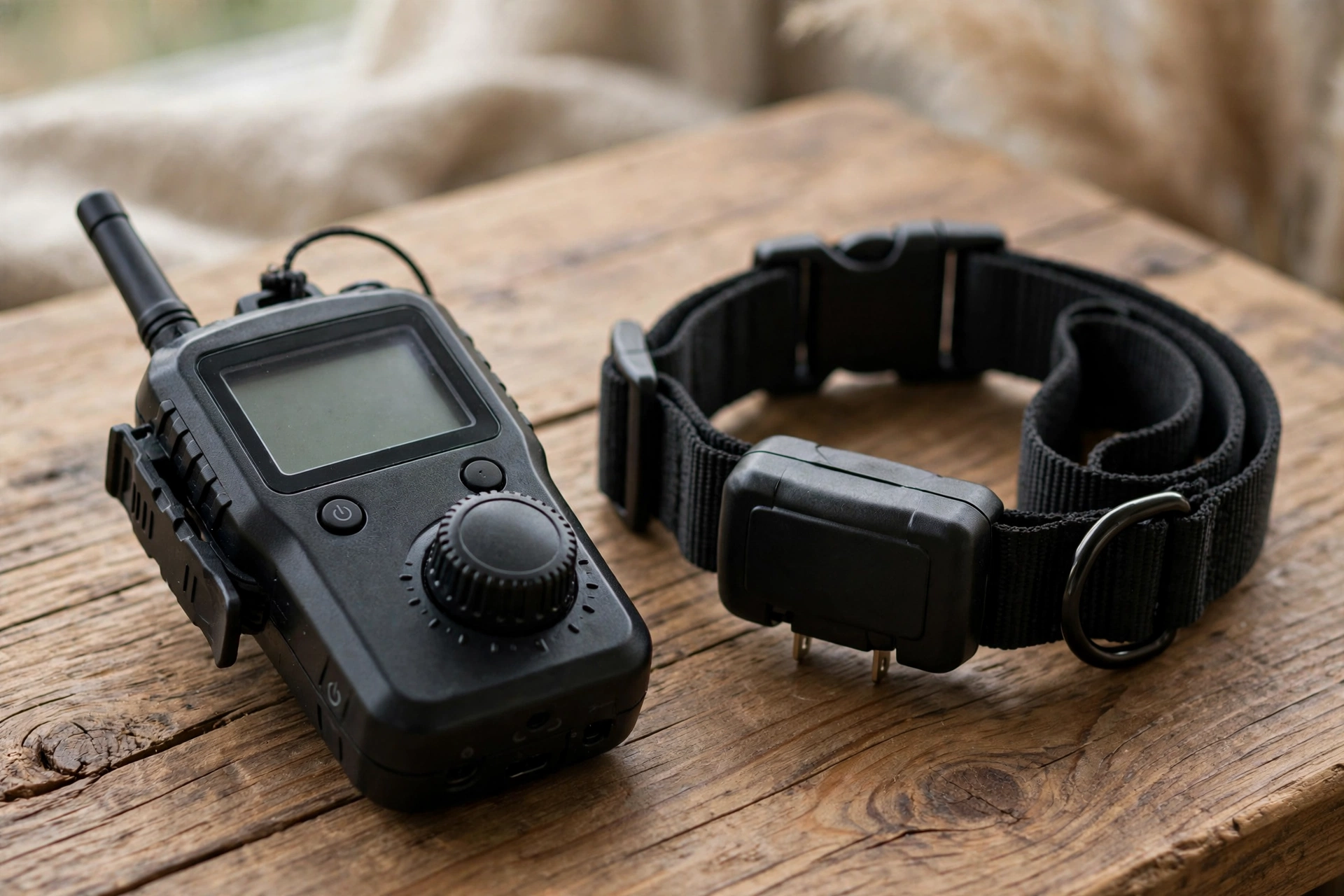
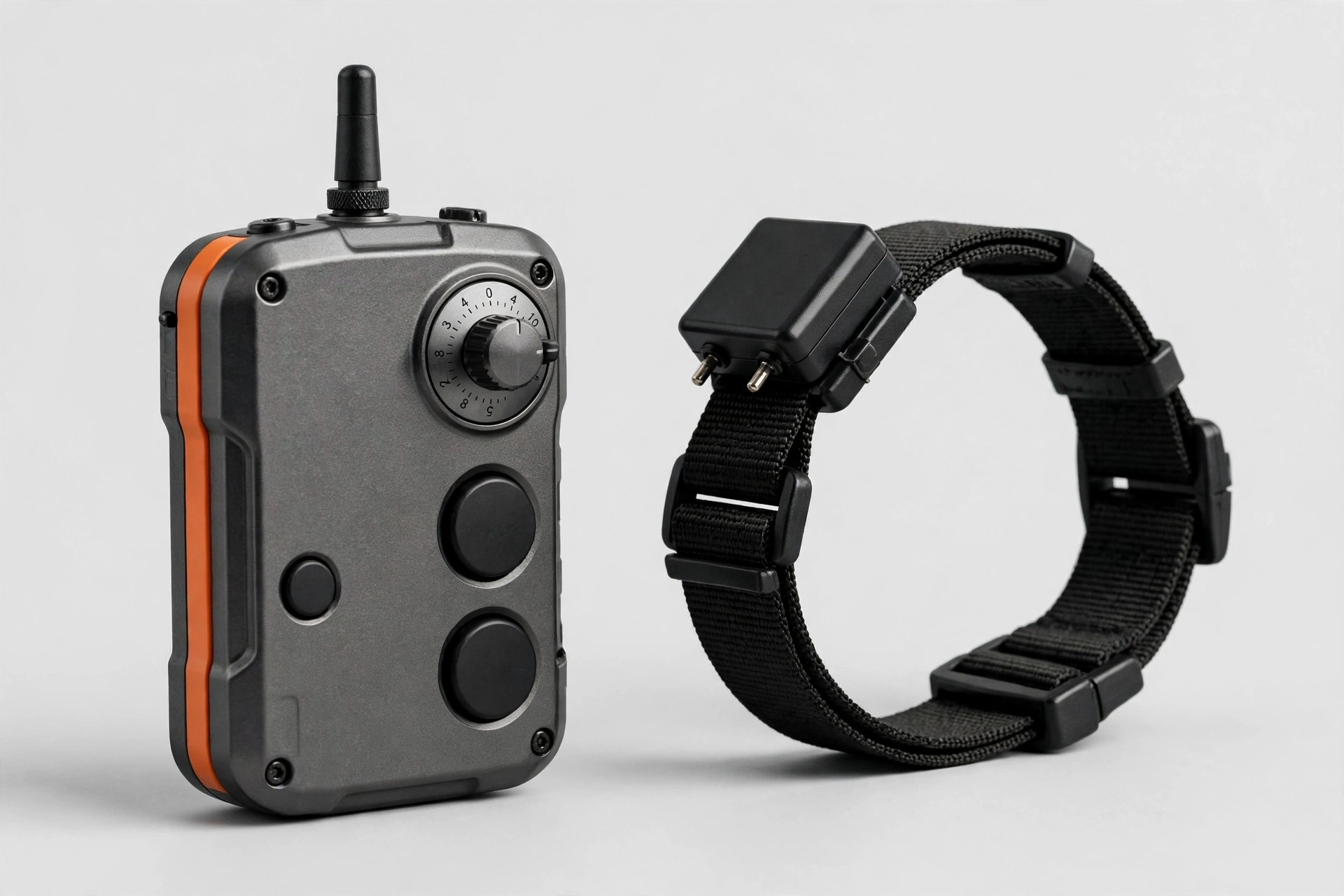
SportDOG is the established American hunting-dog brand, and the 425X is its workhorse: 500 yards of range, fully waterproof receiver, and 21 levels of static stimulation plus vibration and tone. I recommend it for field applications — upland bird dogs, retrievers, and hounds working at distance — where the range and ruggedness genuinely matter. The stimulation levels are consistent and the dial allows fine adjustments, which is critical for low-level conditioning work. If your use case is legitimate field training, this is the benchmark unit.
Pros & cons
- 500-yard range covers genuine field work
- Fully waterproof receiver
- 21 stimulation levels plus vibration and tone allow fine low-level adjustments
- Field-oriented range and build are more than most pet-obedience use needs
- Static stimulation can cause pain at high levels if misused
- Needs structured conditioning before any correction use
BOUSNIC 3300FT Dog Training Collar
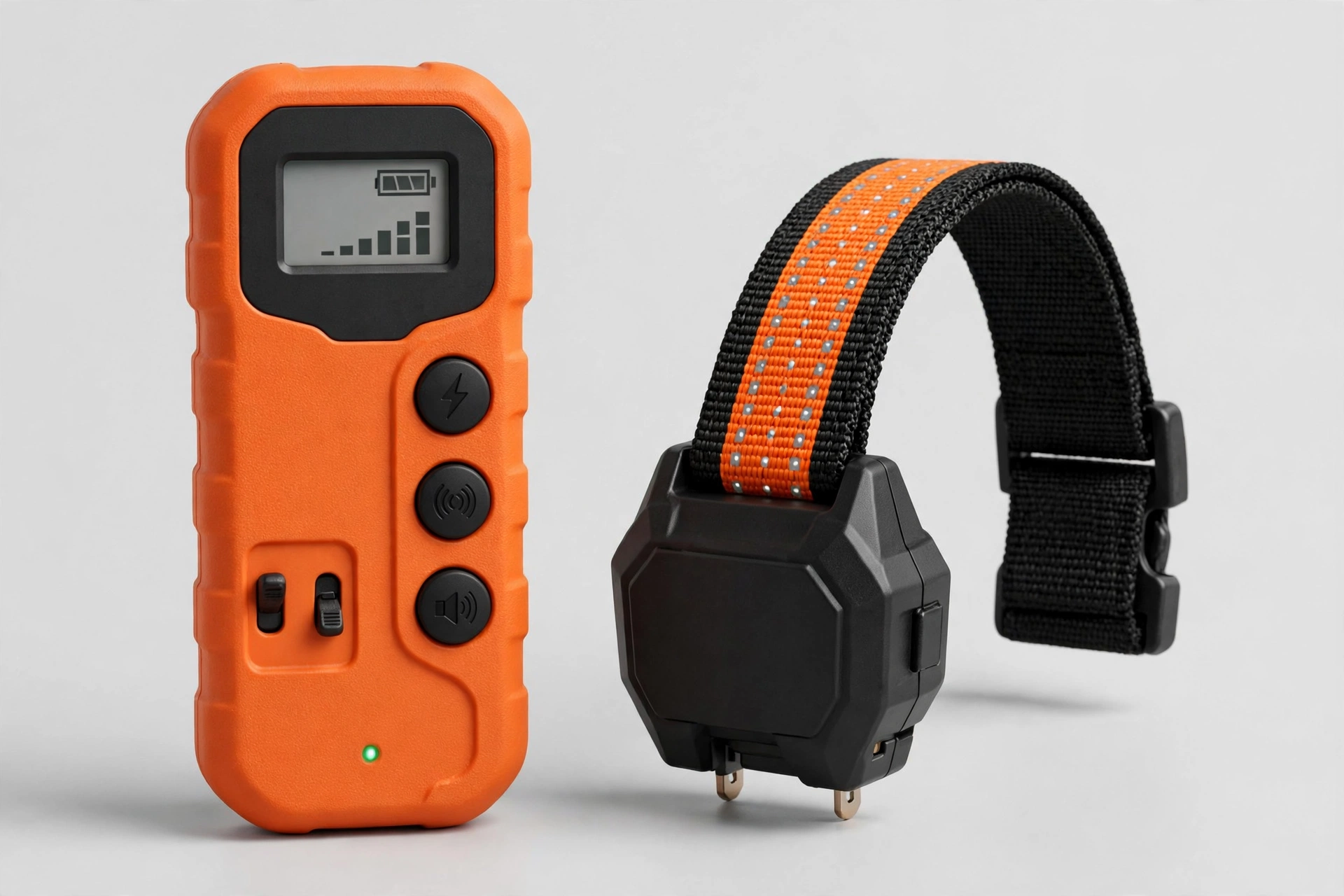
BOUSNIC dominates the budget end of the e-collar market with an enormous volume of owner reviews, and the 3300FT model offers dual-dog capability, a long claimed range, and static, vibration, and beep modes at a fraction of premium prices. My honest assessment: the hardware is serviceable for basic backyard obedience, but stimulation consistency and waterproofing don’t match SportDOG or Dogtra, and quality control is more variable. If budget forces your hand, it’s usable — but I strongly suggest having a trainer verify the unit’s output levels before first use on your dog.
Pros & cons
- Dual-dog capability in one remote
- Long claimed range
- Static, vibration, and beep modes at a budget price
- Stimulation consistency and waterproofing do not match premium brands
- Quality control is more variable
- A trainer should verify the unit’s output levels before first use on the dog
Dogtra 1900X
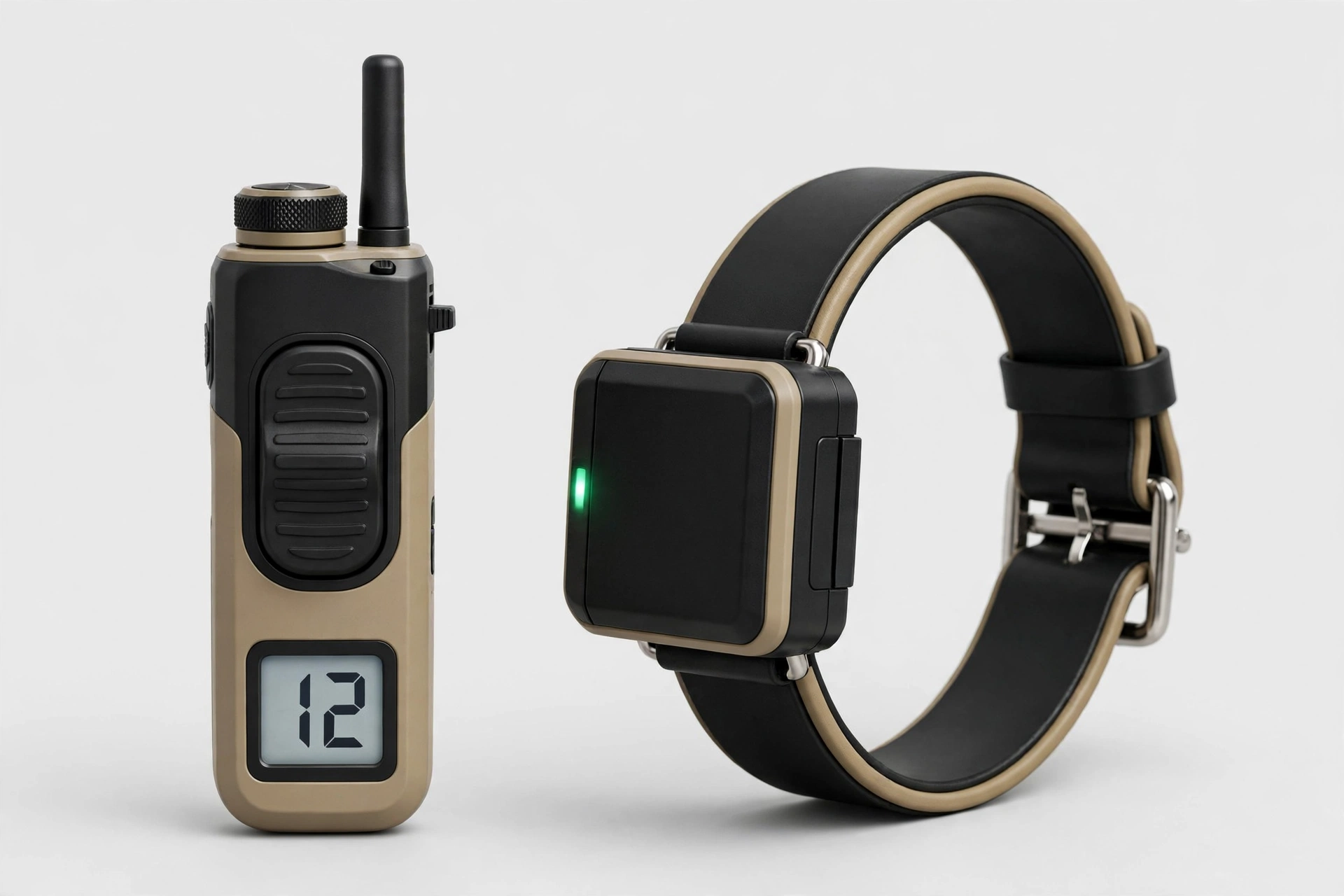
Dogtra is positioned as a professional trainer’s brand, and in the sources I reviewed the 1900X is the model working-dog trainers recommend most. Dogtra’s own spec page limits the 1900X to dogs 35 pounds and up with a minimum 13-inch neck, with a 3/4-mile range and IPX9K waterproof build. (Source: Dogtra, 1900X Camouflage 1-Dog Unit) The rheostat dial gives exceptionally precise, gradual stimulation control, the build quality is outstanding, and the 3/4-mile range covers genuine field work. This is a precision instrument, not a blunt tool, and in educated hands it enables the low-level “working level” conditioning method where the dog barely perceives the stimulation. The price reflects that; for committed training programs, it’s worth it.
Pros & cons
- Rheostat dial gives precise, gradual stimulation control
- Outstanding build quality
- 3/4-mile range covers genuine field work
- Manufacturer spec limits it to dogs 35 lb and up with a 13-inch minimum neck, so no small dogs
- Precision instrument that demands educated hands
- Premium price reflects the precision build
Jugbow 4500FT Dog Training Collar
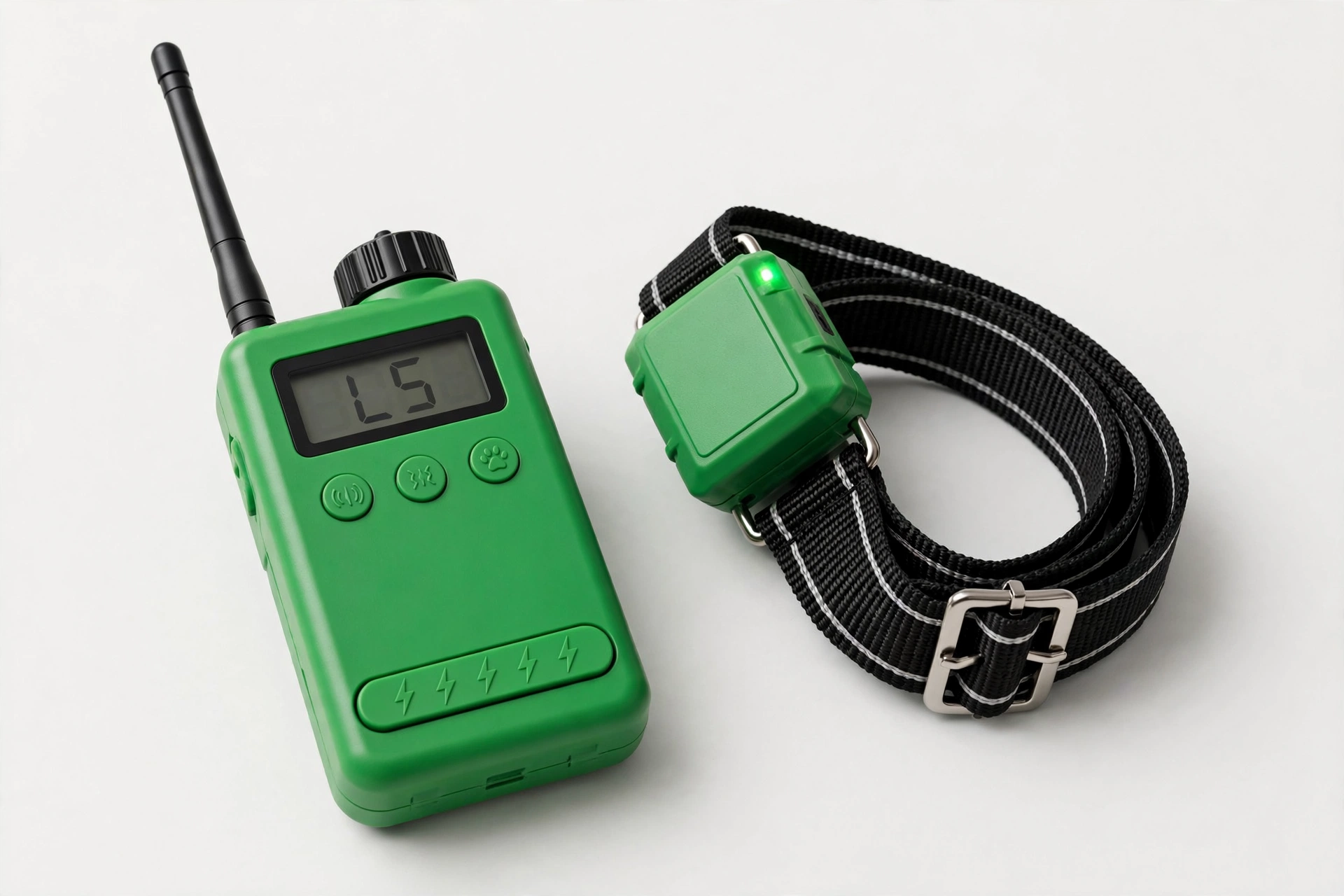
Jugbow’s headline feature is right in the name — 4500 feet of claimed range, aimed at owners who need off-leash recall insurance across big properties or open trails. It offers the standard trio of beep, vibration, and static modes with a large-button remote. I view it as a mid-tier value option: more range than you’ll likely need, decent feature set, but without the stimulation refinement of Dogtra or Educator. For recall training on acreage, the range is genuinely useful; for close-quarters obedience, it’s more than necessary.
Pros & cons
- 4500-foot claimed range suits off-leash recall across big properties
- Standard beep, vibration, and static modes
- Large-button remote
- More range than most owners need
- Lacks the stimulation refinement of Dogtra or Educator
- Manufacturer range claims assume open terrain, so woods and buildings cut real range
Educator ET-300 Mini Educator
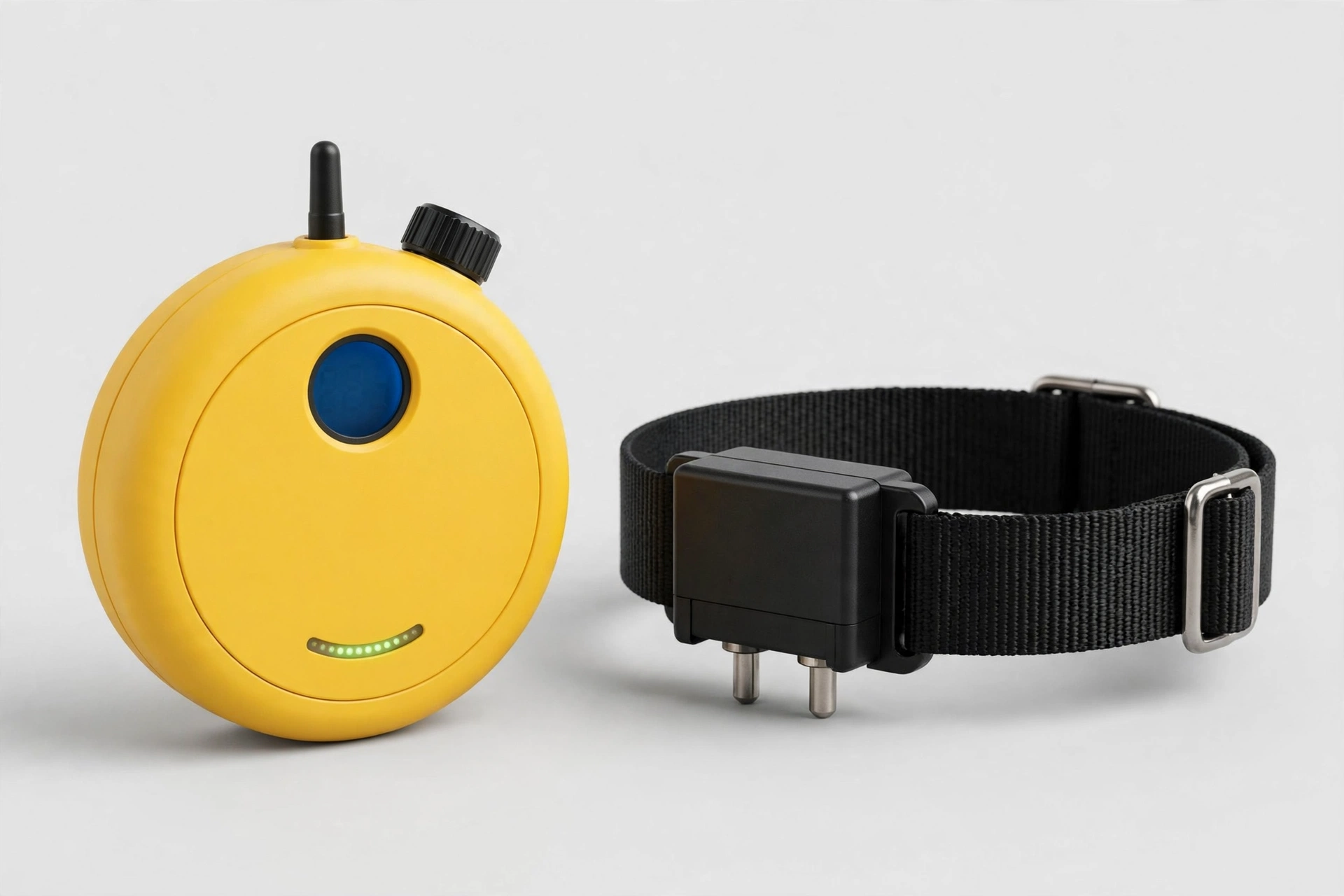
The Mini Educator is my top recommendation for owners pursuing low-level, humane e-collar conditioning — E-Collar Technologies designed its “blunt stimulation” to feel more like a tap than a sharp nick, and the 100 levels allow finding a true working level where the dog notices but isn’t stressed. The smaller receiver suits dogs down to about 10 pounds, and the stopwatch-style transmitter is ergonomic. Many certified trainers who use e-collars choose this brand specifically. If you’re going to use an e-collar for pet obedience, start here and start with a trainer.
Pros & cons
- Blunt stimulation designed to feel more like a tap than a sharp nick
- 100 levels allow finding a true low working level
- Compact receiver suits dogs down to about 10 pounds
- Still requires trainer-guided conditioning before use
- Small dogs leave less margin for error
- Conditioning takes days of structured work before any correction use
SLOPEHILL ProRemote Training Collar
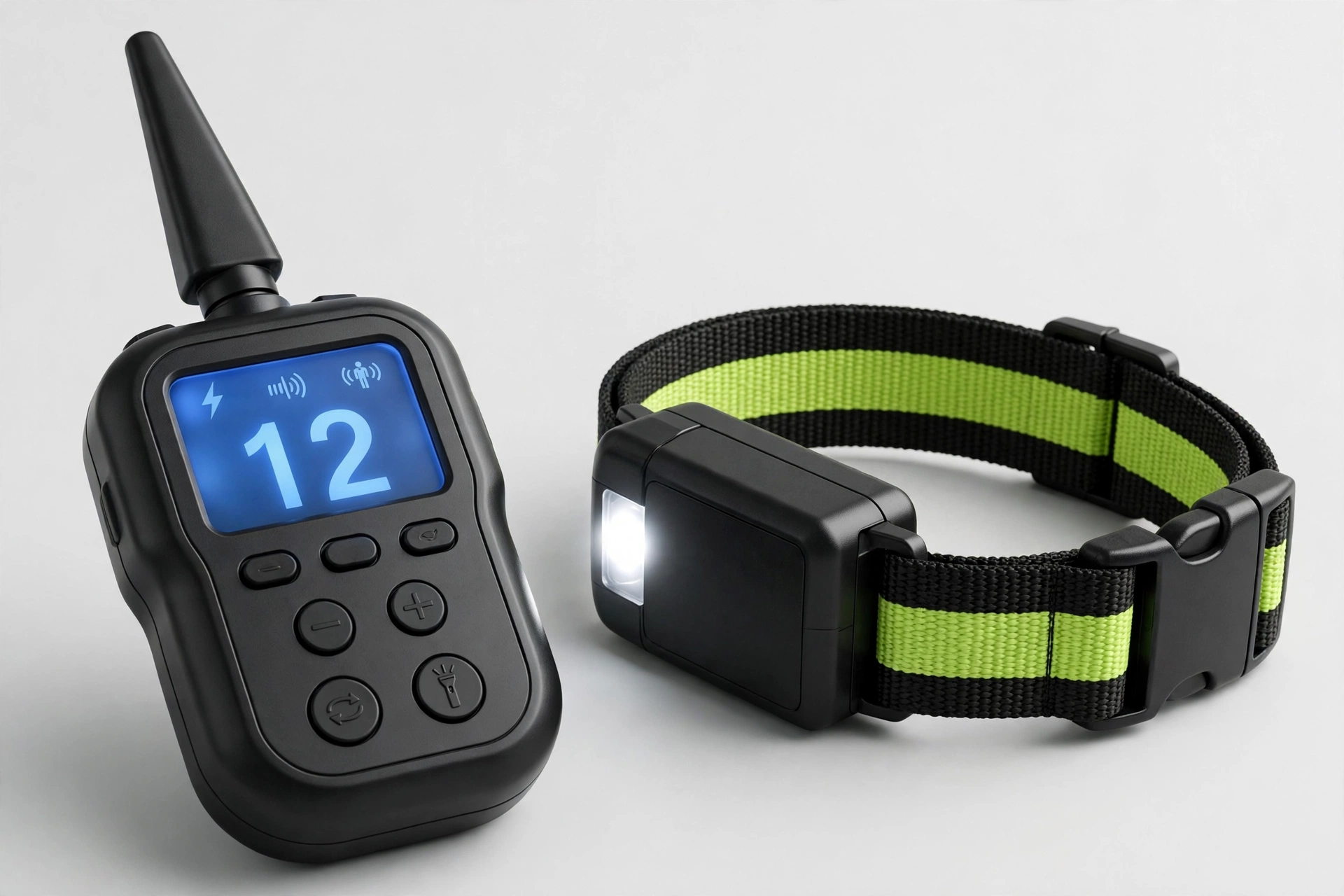
SLOPEHILL’s ProRemote targets everyday pet owners with a simplified remote — big buttons, clear mode indicators, and beep/vibration/static options without a learning curve. I consider it an entry-level unit for basic obedience reinforcement in the yard. The stimulation steps are coarser than premium brands, so finding a subtle working level is harder; lean on the vibration and tone modes first. As with any budget unit, verify fit and function carefully, and keep sessions short and positive.

Pros & cons
- Simplified remote with big buttons and clear mode indicators
- Beep, vibration, and static options with no learning curve
- Approachable entry-level unit for basic yard obedience
- Coarser stimulation steps make a subtle working level harder to find
- Lean on vibration and tone first, before static
- Budget unit needs careful fit and function checks before use
Buying Guide: Using E-Collars Responsibly
What an e-collar actually does
Modern e-collars (remote trainers) are a far cry from the harsh “shock collars” of decades past. Wikipedia defines a shock collar, also called an e-collar, as a collar that delivers current to the neck as aversive training, and notes several countries and regions have banned their use. (Source: Wikipedia, Shock collar) Quality units deliver adjustable static stimulation — often described as a TENS-like tingle at low levels — plus vibration and audible tone modes. They’re communication tools for off-leash reliability: recall, boundary respect, and field commands at distances where voice and leash can’t reach. The legitimate use cases are specific: hunting dogs, working K9s, off-leash hiking companions, and serious sport training. For basic house manners like jumping or counter-surfing, I believe positive-reinforcement training without an e-collar is the better first answer.
The humane-use framework I recommend
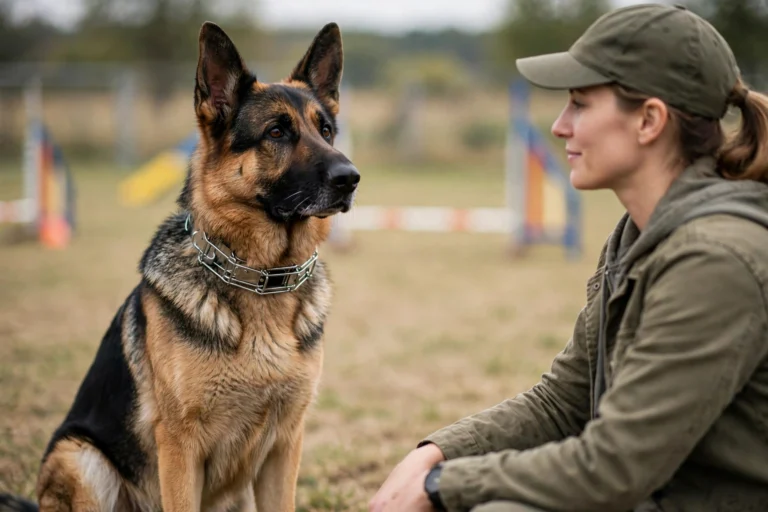
If you use an e-collar, the modern low-level method is the only approach I can stand behind: find the dog’s “working level” — the lowest stimulation they can perceive, often just an ear flick or head turn — and use it as a subtle prompt paired with rewards, never as punishment for disobedience. This requires conditioning the dog to understand the sensation before ever using it for corrections, which takes days of structured work. High-level “corrections” for misbehavior, prolonged stimulation, and using the collar out of frustration are misuse, full stop. Consult a vet or a certified trainer experienced in low-level e-collar methods (look for CPDT-KA, IAABC, or sport-specific credentials) before you begin — this is not a learn-from-YouTube skill.
Range, waterproofing, and stimulation quality
True waterproofing (submersible receiver) matters for retrievers, waterfowl dogs, and rainy climates; “water-resistant” is not the same thing. Stimulation quality is where premium brands earn their price: precise, consistent low levels (Dogtra’s dial, Educator’s 100 levels) versus the jumpy, inconsistent output of cheap units. Inconsistent stimulation confuses dogs and creates stress — this is the strongest argument for buying quality.
Fit, contact points, and skin health
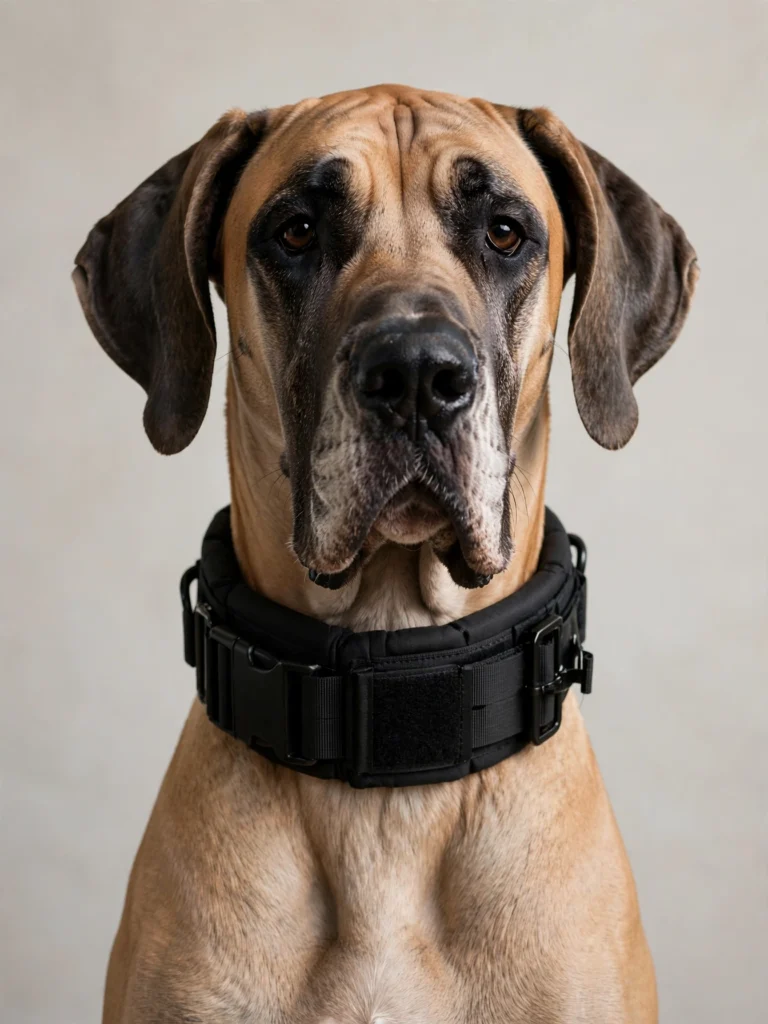
E-collar receivers must sit snug high on the neck with both contact points touching skin — rotate the unit every couple of hours and never leave it on more than 8 to 12 hours to prevent pressure necrosis (contact-point sores), a real and documented risk. Long-haired breeds like Huskies and Collies need longer contact points; short-coated breeds use standard ones. Clean the contact points regularly and check the neck daily. If you see redness or sores, stop use immediately and consult your vet. Fit matters more with e-collars than any other collar type because the hardware is heavier and the contact points press continuously.
When NOT to use an e-collar
I recommend against e-collars for: puppies under six months; fearful, anxious, or reactive dogs (aversives reliably worsen fear-based behavior); and aggression cases (suppressing warning signals like growling can create dogs that bite without warning — this needs a veterinary behaviorist, not a remote). If your training goal is basic obedience and manners, invest in a good positive-reinforcement trainer first; most pet owners never need an e-collar, and the industry’s best trainers will tell you the same.
Frequently Asked Questions
Do e-collars hurt dogs?
At high levels, static stimulation is painful — that’s the honest truth, and it’s why method matters so much. At properly conditioned low working levels, most dogs show only mild awareness (an ear twitch, a pause). This is why I insist on education and trainer guidance — the tool’s humaneness is determined by the hands holding the remote.
Are e-collars legal everywhere?
Regulations vary significantly. Some countries and regions restrict or ban static stimulation collars, and the trend in several European jurisdictions is toward prohibition. In the US, legality is generally permissive but some municipalities and training facilities restrict them. I recommend checking your local regulations before purchasing, and note that many board-and-train facilities, daycares, and dog sports venues have their own policies regardless of law.
How do I find my dog’s working level?
With the dog calm and standing, starting at the lowest level, deliver brief taps while watching closely. This must be done as a dedicated conditioning exercise, not during misbehavior, and ideally demonstrated by a trainer first. If you can’t find a level below an obvious stress response, the method or the unit isn’t right for your dog.
Related Buying Guides
The verdict
My recommendations among the best e-collars for dogs: the Educator ET-300 Mini Educator for pet owners pursuing low-level conditioning, the Dogtra 1900X for serious trainers who need precision, and the SportDOG 425X for field and hunting work. But the verdict that matters most isn’t a product pick — it’s the framework: get educated, work with a certified trainer, condition at low levels, and never use the collar in anger or as a shortcut around training. Used within that framework, a quality remote trainer is a communication tool; used outside it, it’s just punishment at a distance. If you’re unsure which side of that line you’re on, consult a vet or certified trainer before you buy — that conversation is worth more than any device.




5 Comments