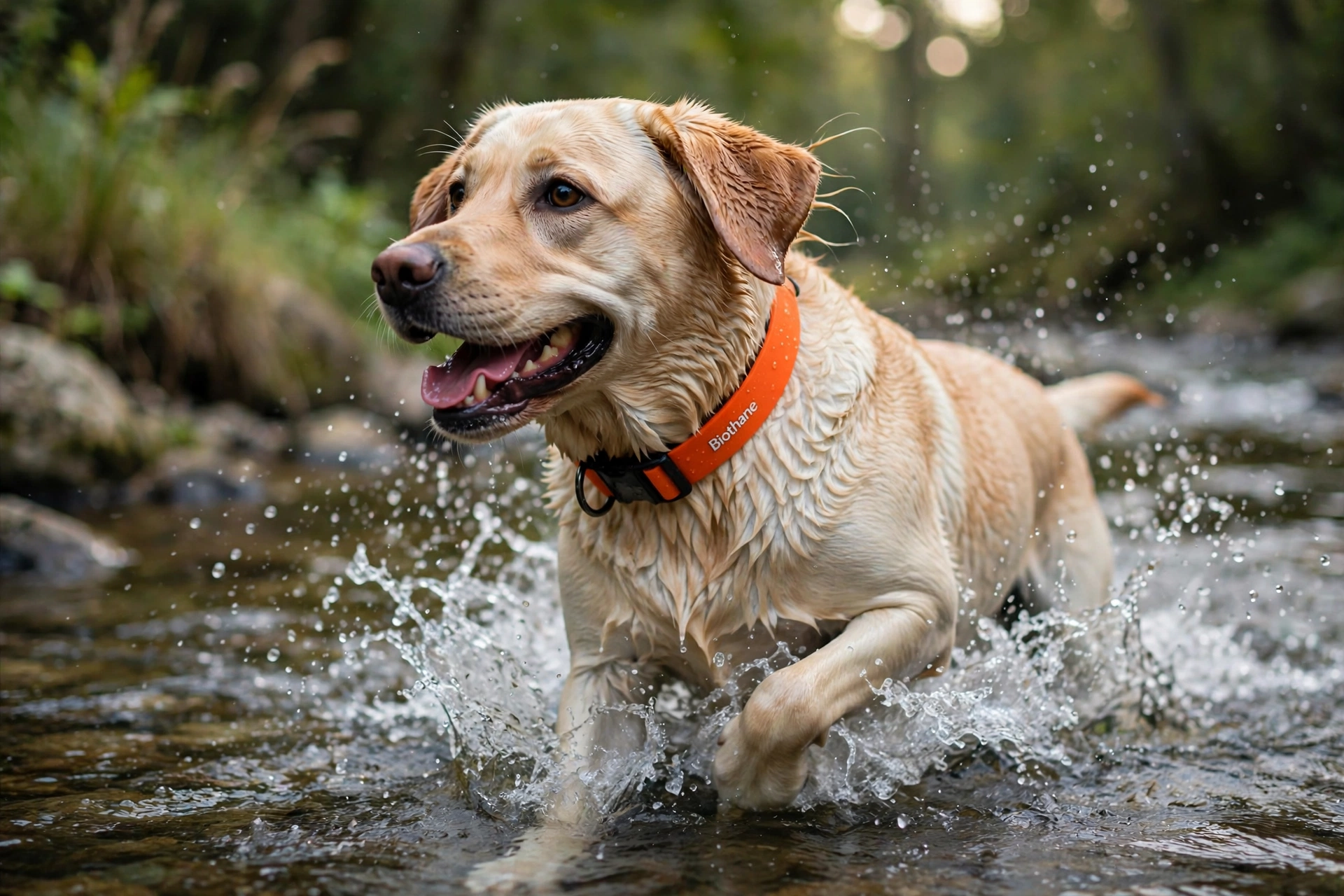
Among all collar materials, Biothane has the most evangelical user base — and after researching the best Biothane dog collars, I understand why. Biothane is polyester webbing coated in PVC or TPU: waterproof, odor-proof, mud-proof, and nearly indestructible, with the look and feel of leather but none of leather’s maintenance. It’s the material of choice for hunting dogs, water dogs, farm dogs, and anyone tired of the wet-dog-collar funk. I compared the top Amazon options, from trim-to-fit designs to patterned fashion Biothane, on coating quality, hardware, and honest field practicality.
Affiliate disclosure
As an Amazon Associate, Dogslifelearning earns from qualifying purchases. If you buy through links on this page, I may earn a commission at no extra cost to you.
⚡ The short answer
🥇Educator Biothane (Trim-to-Fit)Perfect sizing→
🥈Honey Dog Co RainbowColor lovers→
🥉Copper Twist ParacordRugged style→
Quick Picks
| Product | Best For | Standout Feature |
|---|---|---|
| Educator Biothane (Trim-to-Fit) | Perfect sizing | Cut-to-length design |
| Honey Dog Co Rainbow | Color lovers | Vibrant rainbow pattern |
| Copper Twist Paracord | Rugged style | Paracord + Biothane mix |
| DogTraxs Biothane | Active dogs | Sport-ready build |
| Dogline Biothane | Training use | Trainer-trusted design |
| NexaPaw Cobra Biothane | Maximum security | Cobra buckle |
The 6 Biothane collars, reviewed
Educator Biothane Collar (Trim-to-Fit)
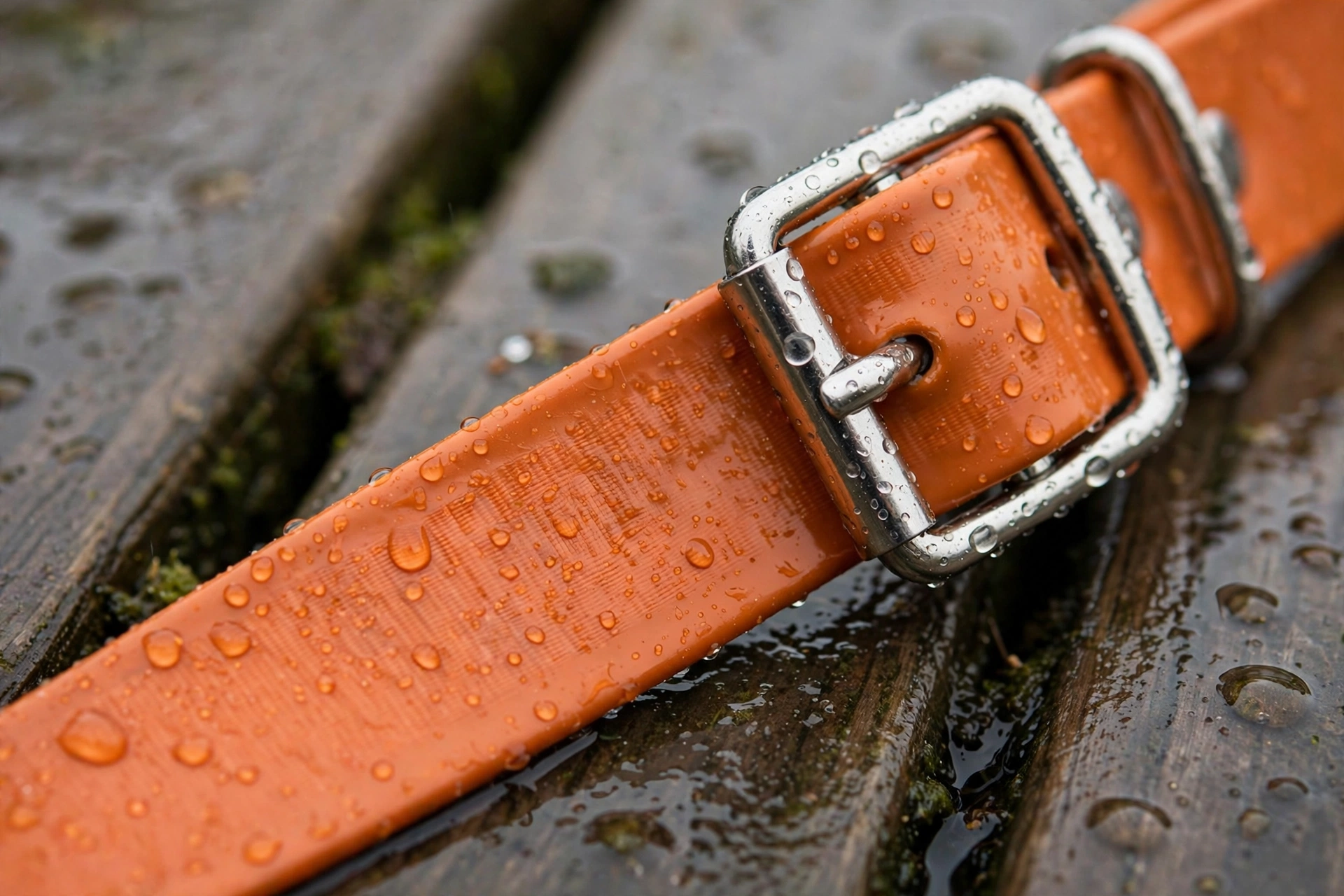
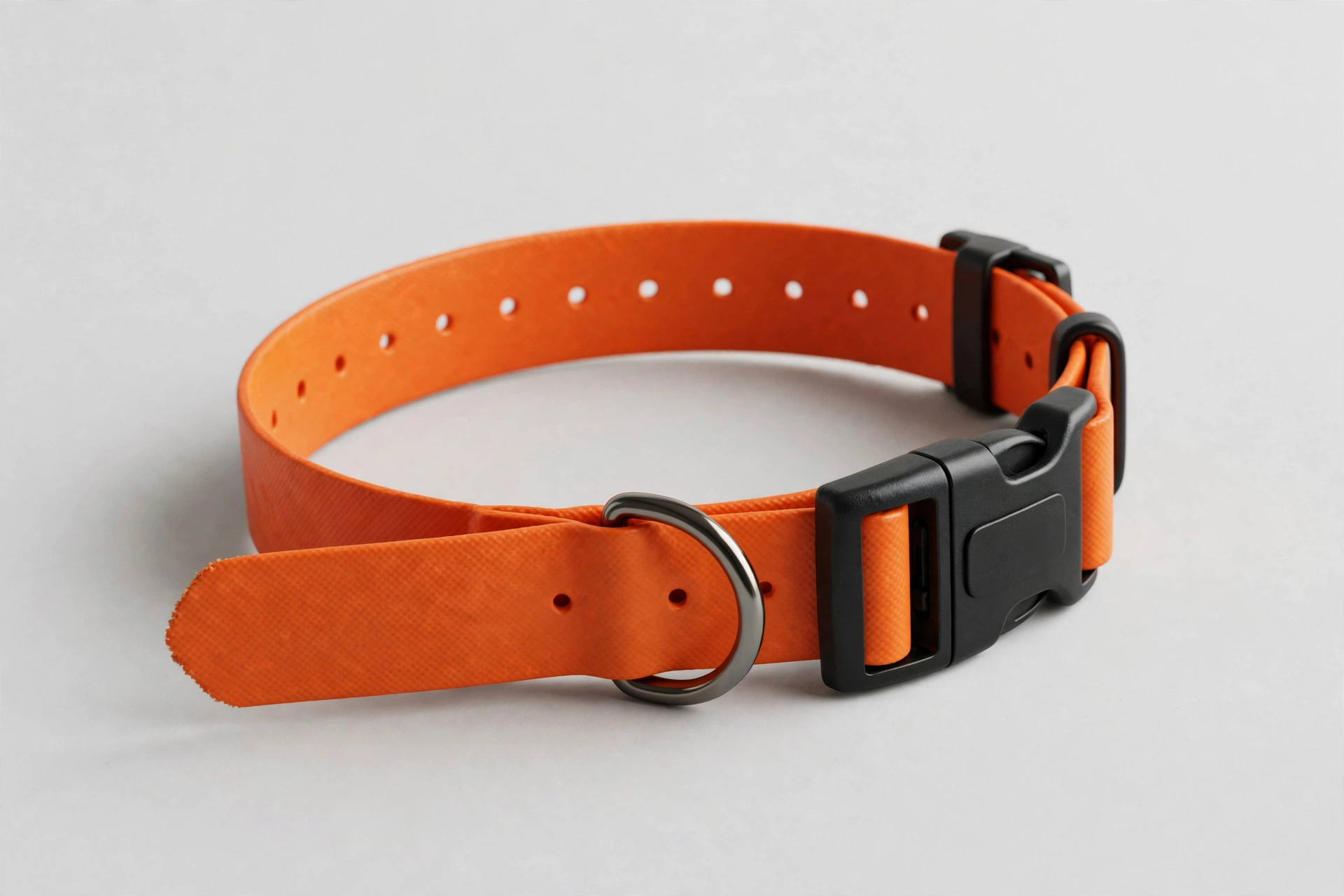
Educator’s trim-to-fit design solves Biothane’s one sizing annoyance — the material doesn’t slide through buckles like webbing, limiting adjustment — by letting you cut the collar to exact length. The result is a perfect, custom fit with no excess tail flapping. As the e-collar company’s collar offering, the quality control is excellent and the coating is the genuine Biothane brand material. For the precise fit that Biothane deserves, this is my top recommendation. Measure twice, cut once — literally.
Honey Dog Co Rainbow Biothane Collar
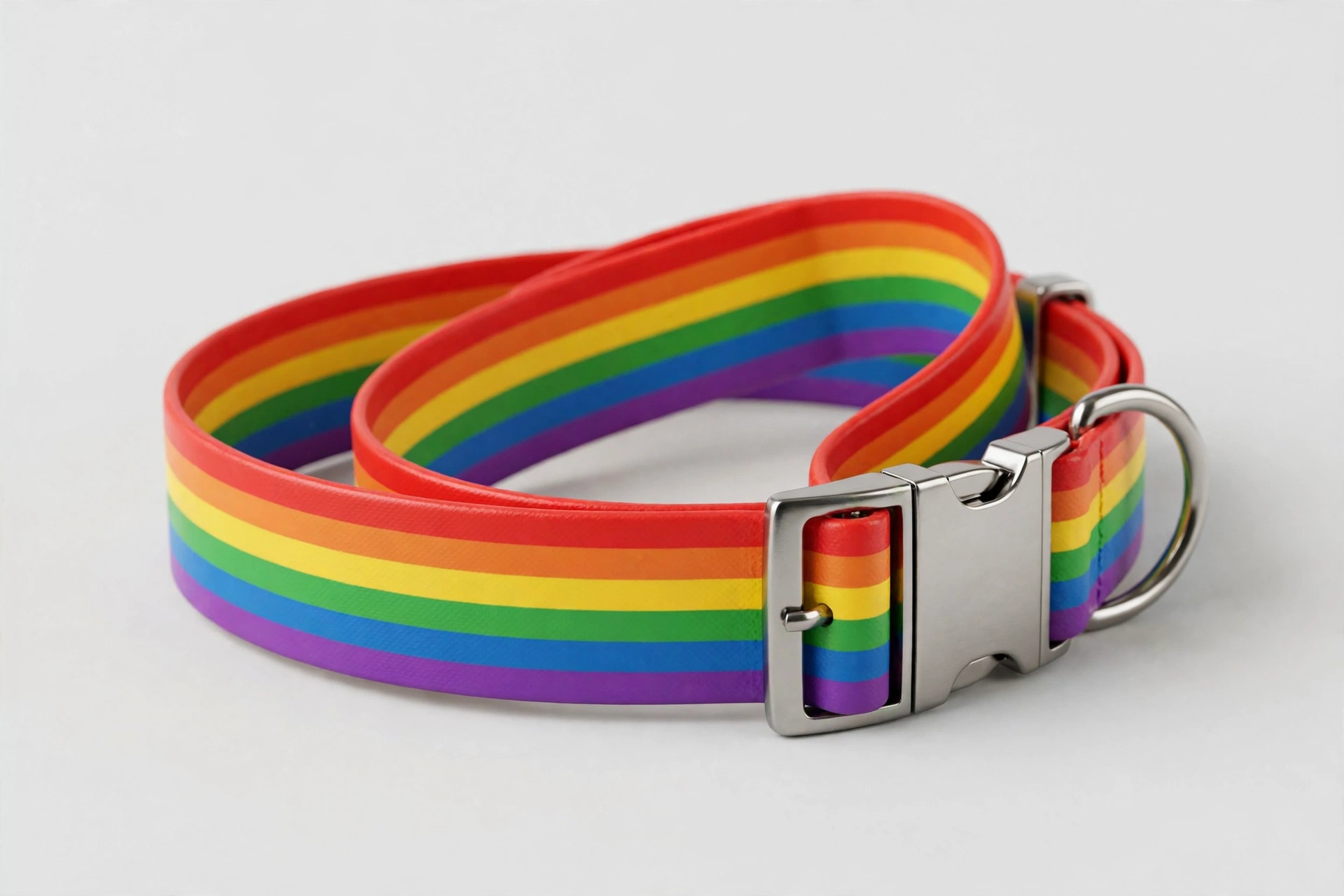
Honey Dog Co proves Biothane isn’t limited to solid colors — their rainbow pattern brings joy to the waterproof category. Patterned Biothane (printed under the coating) holds its design permanently, unlike printed webbing that fades. I love this for owners who want full performance without the tactical aesthetic — the dog park’s most cheerful indestructible collar. The underlying Biothane quality is solid, and the pattern adds zero maintenance burden. Fun that functions.
Copper Twist Paracord Biothane Collar
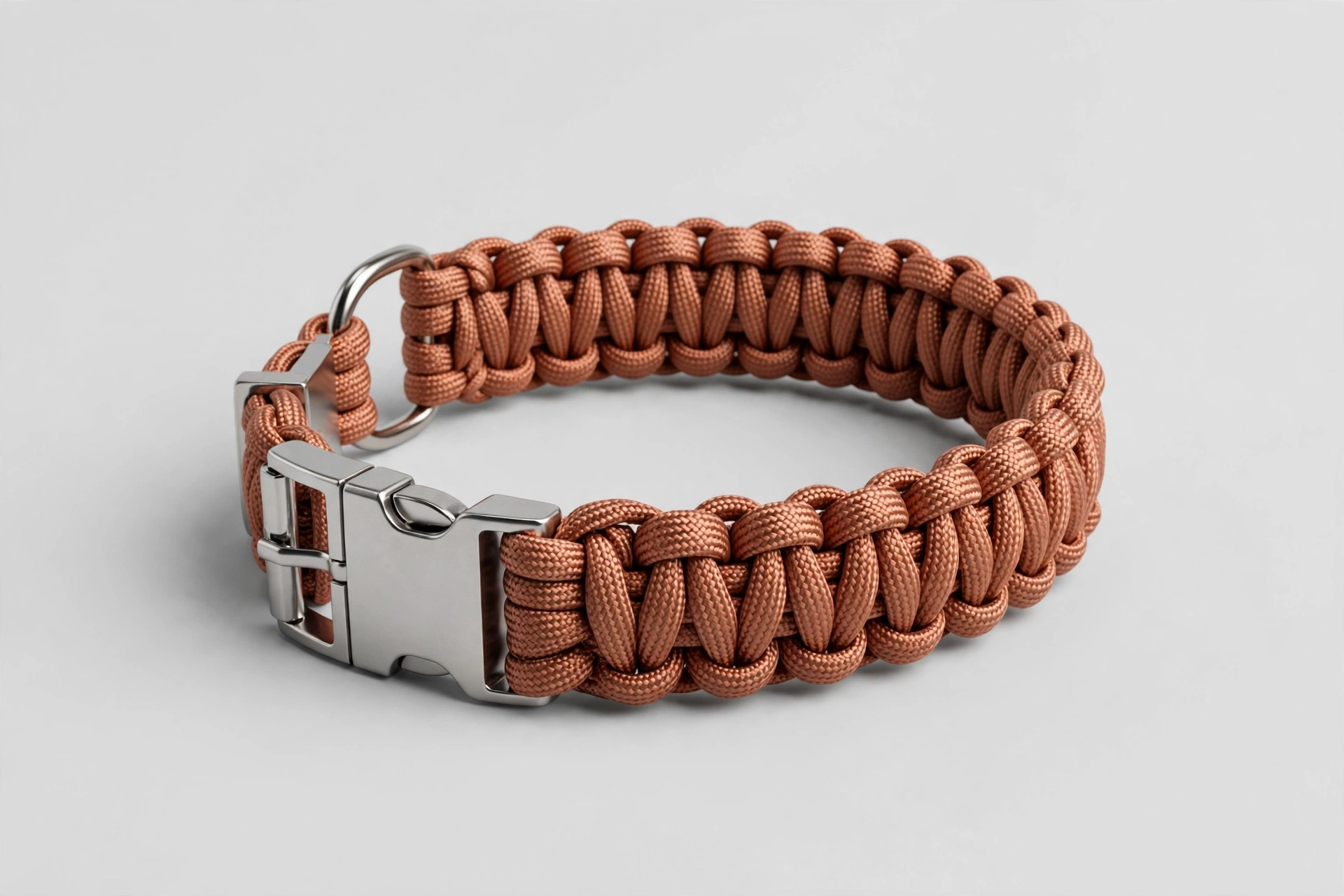
Copper Twist blends paracord craftsmanship with Biothane’s practicality — the paracord outer brings texture and style, the Biothane core brings waterproof structure. It’s the artisan entry in a category dominated by clean minimalism, appealing to owners who like handcrafted gear. The copper tones are distinctive and handsome. Note the paracord outer absorbs some water (unlike pure Biothane), so it’s water-resistant rather than waterproof — a fair trade for the look, but know what you’re buying.
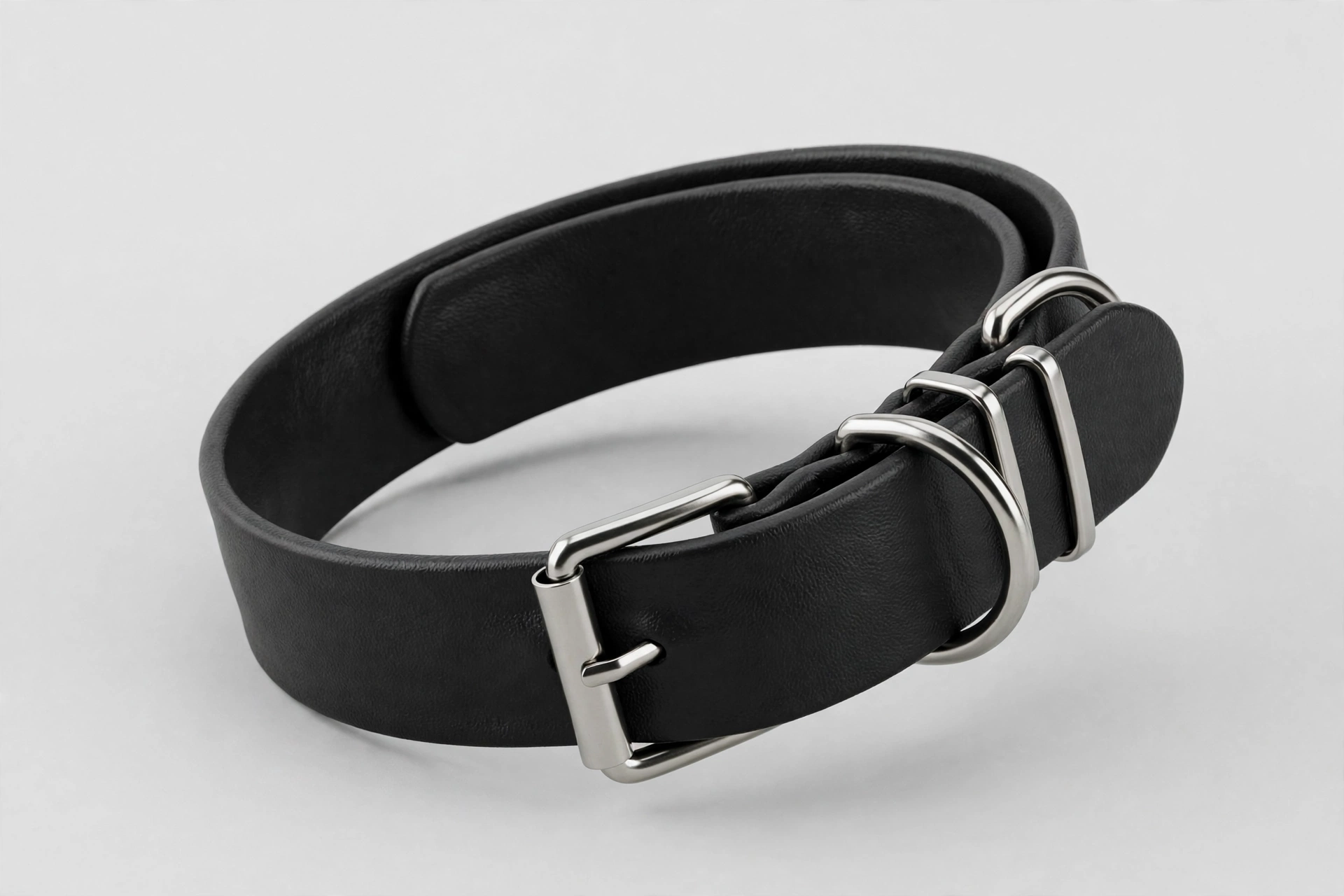
DogTraxs Biothane Dog Collar
DogTraxs targets the active-dog owner — hiking, dock diving, agility, the sports where collars get destroyed. The build is straightforward and tough: quality Biothane, solid hardware, no frills. I recommend this for the “one collar for everything” role that Biothane fills so well: trail to water to mud to rinse-and-repeat. At this price, it’s also the sensible choice for multi-dog households that need several indestructible collars without the premium-brand markup.
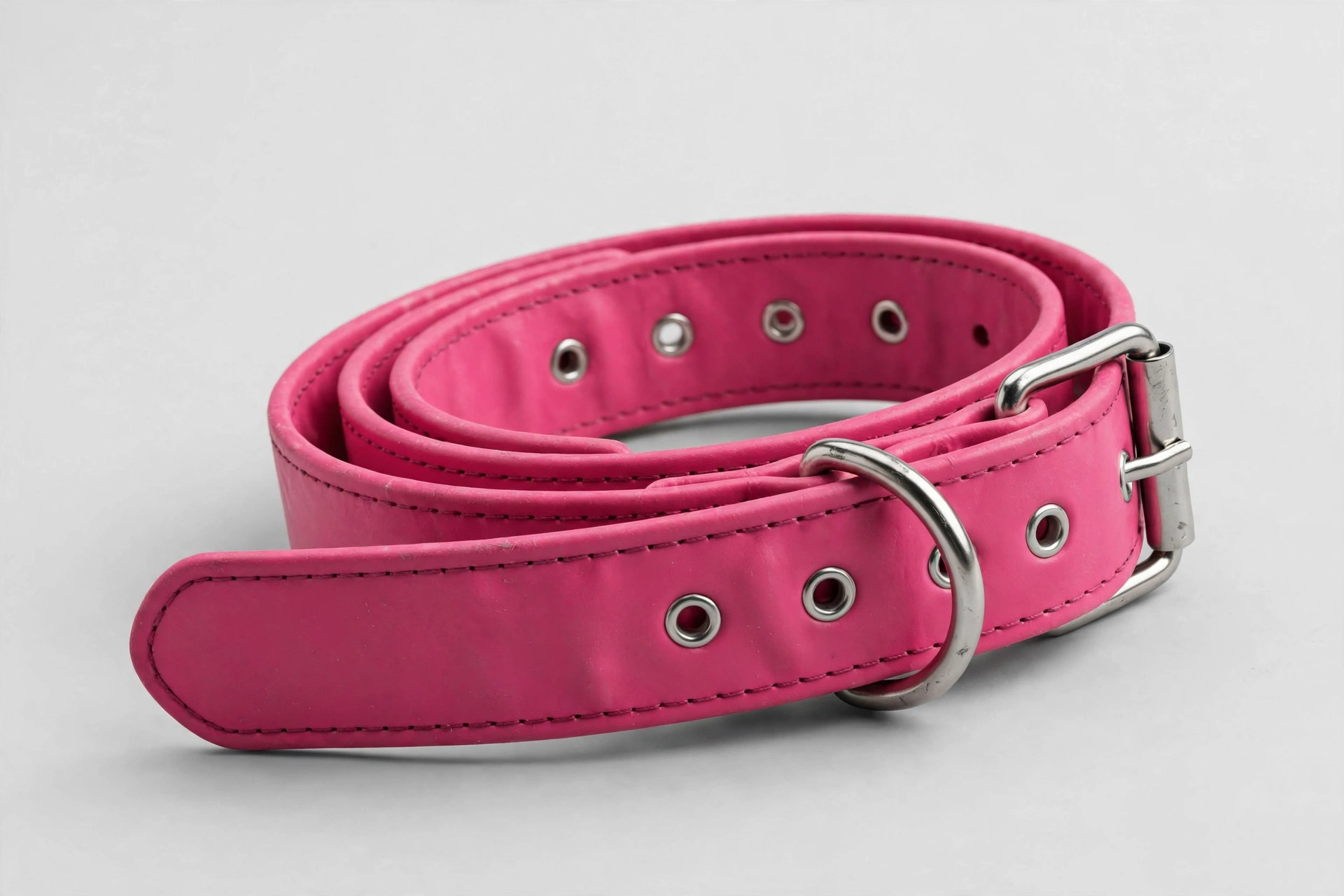
Dogline Biothane Dog Collar
Dogline is known in training circles, and their Biothane collar reflects that heritage — designed for trainers who need gear that survives daily professional use across dozens of dogs. The simplicity is the point: easy to clean between dogs (a hygiene advantage trainers value), tough enough for the strongest clients, and available in high-visibility colors for field work. If professional trainers choose it for their livelihood, it’s earned its place on your dog too.
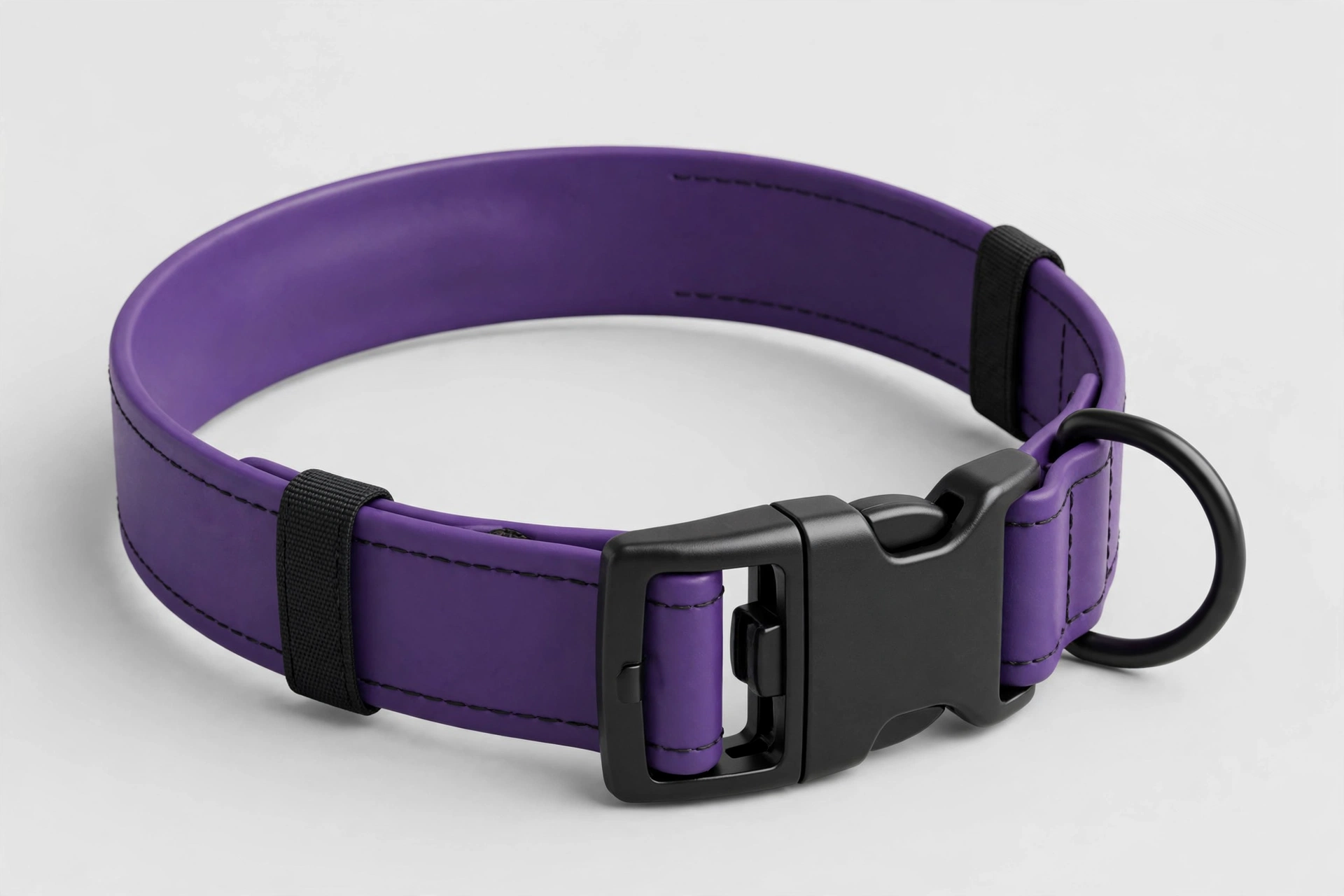
NexaPaw Cobra-Buckle Biothane Collar
The NexaPaw pairs Biothane with a cobra-style quick-release buckle — the military-grade buckle famous for its strength and satisfying click. This is the maximum-security option for powerful dogs where buckle failure isn’t an option: the cobra buckle’s rated strength dwarfs standard side-release buckles. The combination is overbuilt in the best way. For large, strong breeds with an owner who values bombproof gear, this is the category’s tank — and I mean that admiringly.

Buying Guide: The Biothane Advantage
What Biothane is (and isn’t)
Biothane is a brand name (often used generically) for polyester webbing coated with PVC or thermoplastic polyurethane (TPU). The coating makes it waterproof, odor-resistant, easy to clean, and highly abrasion-resistant, while the webbing core provides tensile strength (typically 500–1000+ lbs depending on width). It looks and feels somewhat like leather but outperforms leather in wet conditions and requires zero conditioning. What it isn’t: it isn’t as soft and supple as broken-in leather (it’s stiffer, especially in cold), it isn’t biodegradable, and cheaper “biothane-style” coated webbing isn’t the same as genuine Biothane brand material — coating quality varies enormously. Coated webbing is one of many modern materials used for dog collars, covered in Wikipedia’s overview. For another waterproof material with a heritage feel, see the best waxed canvas dog collars guide, and for outdoor visibility, the best dog collars with bells guide.
Where Biothane dominates
Biothane’s killer applications: water dogs (retrievers, dock divers — rinse and it’s like new), hunting dogs (blood, mud, and marsh wash off), farm and ranch dogs (manure-proof is a real category), muddy-climate daily life (Pacific Northwest, UK), and any owner who’s ever sniffed a funky wet nylon collar and despaired. The odor-proof quality alone converts most owners permanently — Biothane simply doesn’t develop the sour funk that plagues textile collars. If your dog’s lifestyle involves regular wetness or filth, Biothane isn’t just nice, it’s the rational default.
Coating quality: genuine vs generic
This is the category’s key quality divider. Genuine Biothane-brand material has a consistent, flexible coating that resists cracking for years; cheap coated webbing can stiffen, crack, or delaminate within a year, especially with UV exposure and cold flexing. How to tell: genuine Biothane has a slight matte texture and consistent flexibility; knockoffs often feel either plasticky-shiny or oddly stiff. Makers who use the real thing say so explicitly (“genuine Biothane”) — it’s a selling point they won’t hide. When a listing just says “waterproof coated webbing,” assume generic and price your expectations accordingly.
Hardware pairings
Biothane pairs with everything: standard quick-release buckles (convenient), metal roller buckles (classic), cobra buckles (maximum strength), and martingale chains (training). For water use, prefer stainless steel or solid brass hardware — coated steel eventually rusts where the coating chips. The Biothane itself is typically riveted or screwed rather than sewn (sewing perforates the waterproof coating), so inspect rivet quality: solid, even, no sharp edges. Chicago screws allow disassembly for hardware swaps — a nice repairability feature I always appreciate.
Care (spoiler: barely any)
Biothane care is the category’s punchline: rinse with water, wipe, done. Mud, blood, pond scum, mystery swamp — all hose off. No conditioning, no drying rituals, no odor treatments. For deep cleaning, mild soap and a brush; the coating is essentially non-porous. UV exposure over years can eventually degrade cheaper coatings (another reason for genuine material), so don’t store in permanent direct sun. This near-zero maintenance is a genuine lifestyle upgrade — calculate what your time is worth and Biothane’s premium looks like a bargain.
Biothane for e-collars and GPS: the working-dog stack
Biothane is the default strap material for e-collar receivers and GPS units (Garmin, Fi, Halo) for good reason — the same waterproof, odor-proof, indestructible virtues apply, and the wipe-clean surface is hygienic across multiple dogs for trainers. If you run an e-collar, replacing the standard strap with Biothane is one of the highest-value upgrades available: it won’t absorb sweat and grime against the contact points, and it survives the fieldwork that destroys nylon straps. Many working-dog suppliers sell Biothane e-collar straps in the exact lengths for major brands. The material’s dominance in professional gear is the strongest endorsement it has.
Frequently Asked Questions
Is Biothane better than leather?
For wet, dirty, hard-use conditions — yes, decisively: waterproof, odor-proof, maintenance-free, stronger per weight. For aesthetics, patina, and traditional feel — leather wins; Biothane doesn’t develop character, it just stays the same (which is either a virtue or a limitation depending on your philosophy). For comfort, broken-in leather is softer; Biothane is stiffer, especially new and in cold weather. I own the distinction this way: Biothane for function, leather for feeling.
Does Biothane smell?
New Biothane has a mild plasticky scent that fades quickly — nothing like new leather’s strong tannery smell. In use, it’s famously odor-proof: it doesn’t absorb the funk that makes nylon collars smell like a swamp. This is one of the most-cited reasons owners switch and never go back. If your Biothane collar smells, it’s the hardware or trapped debris — clean it and the smell goes, because the material itself doesn’t hold odor.
Can Biothane collars be cut to size?
Trim-to-fit designs (like the Educator) are made for it — cut with sharp scissors or a hot knife, seal the end, attach hardware. Standard Biothane collars aren’t meant for cutting (you’d destroy the finished end and rivets). The trim-to-fit concept exists precisely because Biothane doesn’t adjust like webbing — if you want a perfect custom fit, buy the design intended for it. Measure carefully; there’s no un-cutting.
Is Biothane safe for dogs?
Yes — the polyester core and PVC/TPU coating are inert and non-toxic in normal use, and Biothane’s smooth surface is gentle on coats (less matting than textured webbing). The standard cautions apply: proper fit, supervise chewers (no collar material survives determined chewing), and check for cracked coating on old collars (exposed edges can irritate). It’s widely used by professional trainers, hunters, and working-dog handlers — a strong real-world safety record.
Does Biothane get stiff in cold weather?
Somewhat — PVC-coated Biothane stiffens noticeably below freezing, while TPU-coated versions stay more flexible in cold. If you live in a serious-winter climate and the dog works outdoors, look for TPU-coated (“Beta” series) Biothane specifically, or accept the winter stiffness as a trade-off. The stiffness doesn’t damage the collar; it just feels less supple until warmed. Most owners in moderate climates never notice.
How long do Biothane collars last?
Years — typically 3–7+ for genuine Biothane with normal use, often outlasting the hardware. The coating is UV-stabilized and abrasion-resistant; failure usually comes from hardware wear, rivet loosening, or the owner’s desire for a new color long before the material gives up. This longevity is central to the value proposition: higher upfront cost, dramatically lower cost-per-year than replacing nylon collars annually. It’s the buy-it-for-life option for the waterproof category.
Does Biothane get slippery when wet?
The coated surface is smooth, so grip is slightly reduced when wet compared to textured nylon — noticeable if you’re grabbing the collar to restrain a dog, negligible in normal leash walking since the leash attaches to the D-ring, not your grip on the collar. The trade-off is overwhelmingly positive: a collar that doesn’t absorb water, doesn’t stretch, and doesn’t stink is worth slightly less grab-friction. For maximum wet grip, some makers add a textured or matte Biothane variant — worth seeking if you handle strong wet dogs regularly.
Can Biothane be chewed through?
Determined chewers can damage Biothane — it’s tough, not chew-proof. The coating resists abrasion impressively, but a committed dog working on it for hours can puncture and strip the coating, exposing the webbing. It’s more chew-resistant than plain nylon but less than chain or metal. My rule for chewers: Biothane for supervised wear (walks, outings), and remove it when the dog is crated or left alone to gnaw. No polymer collar is a substitute for addressing the chewing behavior itself.
Is Biothane vegan?
Yes — Biothane is a synthetic (polyester webbing with polymer coating); no animal products are involved. It’s one of the strongest vegan alternatives to leather, offering comparable durability with none of the animal inputs. For vegan owners who need real performance — working dogs, water dogs, heavy daily use — Biothane is arguably the best option on the market. The cork and hemp categories offer plant-based alternatives, but for waterproof toughness, Biothane stands alone.
Related Buying Guides
The verdict
Among the best Biothane dog collars, my top pick is the Educator trim-to-fit for its perfect custom sizing, with the Dogline as the trainer’s workhorse and the NexaPaw cobra-buckle for maximum security. The broader verdict: if your dog gets wet, muddy, or funky with any regularity, Biothane isn’t an upgrade — it’s the end of a problem you’ve been tolerating. Rinse-and-done maintenance, odor-proof wear, years of service: the evangelists are right about this one. Buy genuine Biothane, pair it with corrosion-proof hardware, and join the congregation.