
The best rolled leather dog collars are the connoisseur’s answer to a specific problem: flat collars mat, break, and chafe the coats of long-haired breeds. A rolled leather collar — a round leather cord rather than a flat strap — slides through fur instead of catching it, preventing the matting and breakage that flat collars cause on Spaniels, Setters, Collies, and Doodles. I compared the leading rolled leather options on Amazon, from the American-made Mendota benchmark to European-style brass fittings, judging on leather quality, hardware, sizing range, and that crucial fur-friendliness.
Affiliate disclosure
As an Amazon Associate, Dogslifelearning earns from qualifying purchases. If you buy through links on this page, I may earn a commission at no extra cost to you.
⚡ The short answer
🥇Mendota Rolled Leather (USA)American-made quality→🥈OOPSDOGGY Reflective RolledReflective stitching→🥉BRONZEDOG Rolled LeatherClassic brass fittings→
Quick Picks
| Product | Best For | Standout Feature |
|---|---|---|
| Mendota Rolled Leather (USA) | Overall pick | American-made quality |
| OOPSDOGGY Reflective Rolled | Night visibility | Reflective stitching |
| BRONZEDOG Rolled Leather | European style | Classic brass fittings |
| CollarDirect Rolled Leather | Value pick | Affordable genuine leather |
| BRONZEDOG Rolled (XL) | Giant breeds | Extra-large sizing |
| CollarDirect Rolled (Light Blue) | Color options | Pastel colorway |
The 6 collars, reviewed
Mendota Rolled Leather Dog Collar (Made in USA)
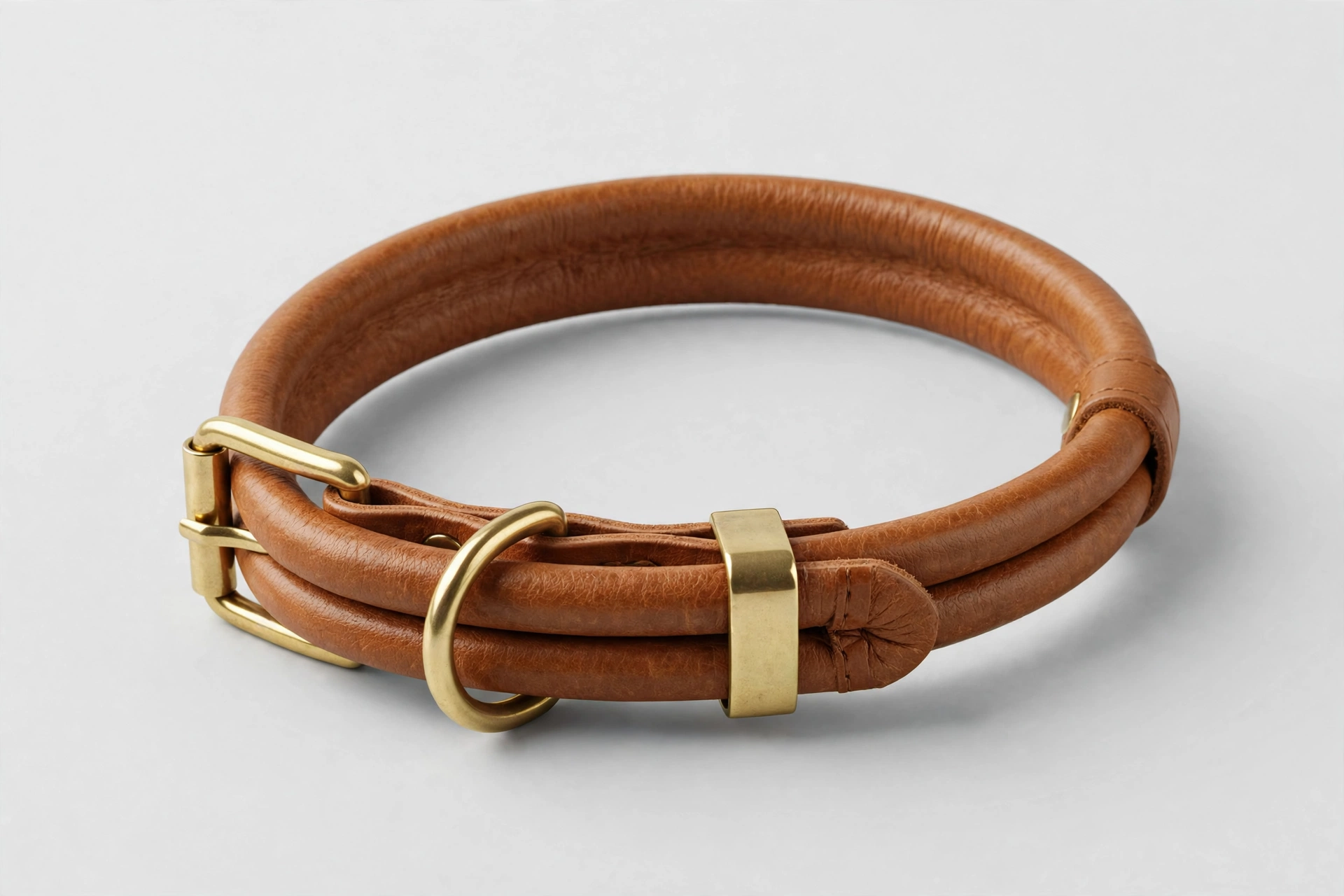
Mendota is the benchmark — American-made from quality bridle leather with solid brass hardware, and the brand the serious dog world has trusted for decades. The leather is supple from the start (no brutal break-in), the sliding adjustment is secure, and the rolled profile is perfectly round, not flattened. For long-haired breeds, this is the collar that ends the matting battle. I consider it the buy-it-for-life option: with occasional conditioning, a Mendota outlasts multiple cheaper collars. Worth every penny for the right dog.
OOPSDOGGY Reflective Rolled Leather Collar
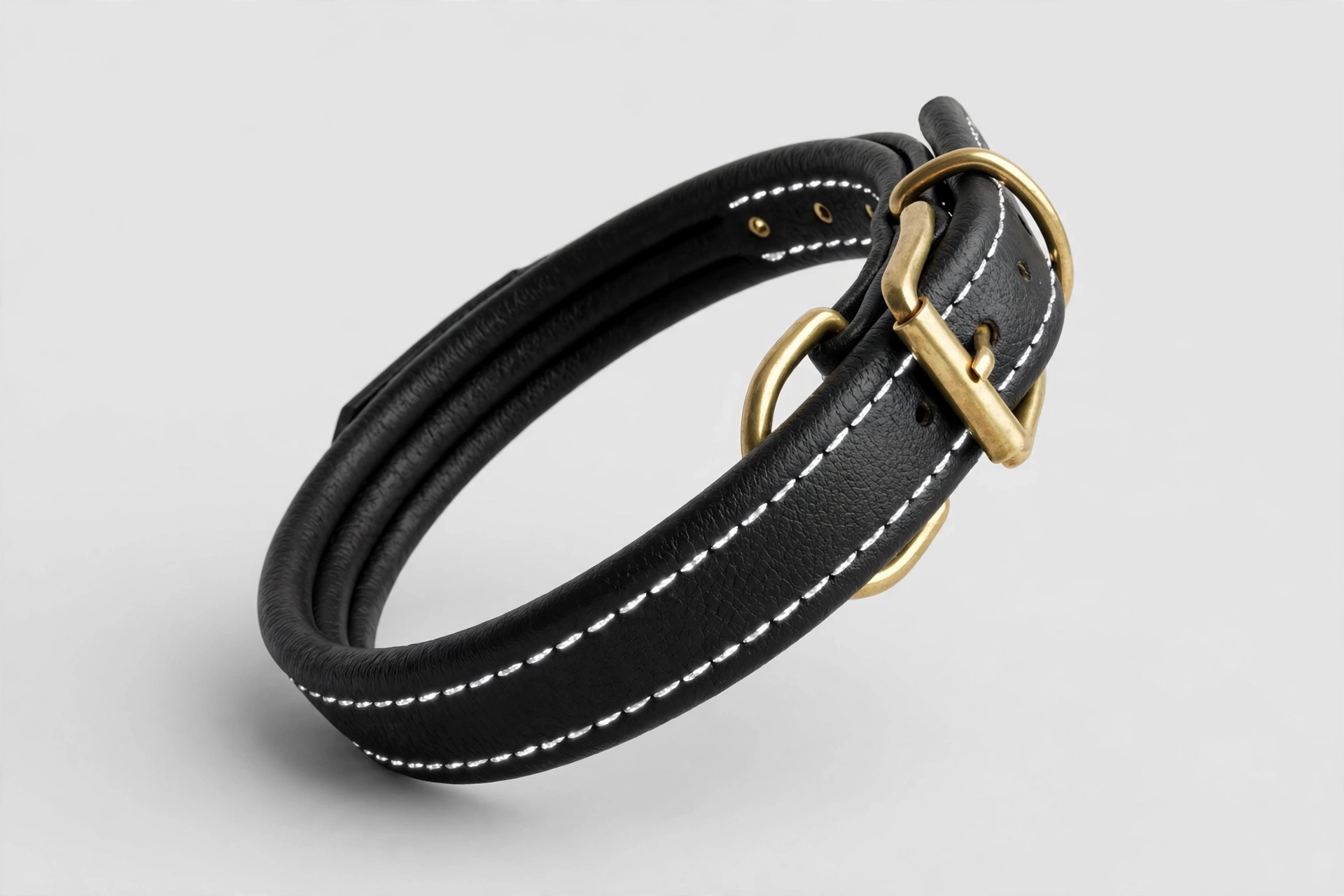
OOPSDOGGY adds a clever modern twist — reflective stitching woven into the rolled leather — giving the classic design night visibility for evening walks. I like this innovation more than I expected: rolled leather’s traditional weakness is invisibility after dark, and the reflective thread solves it without compromising the fur-friendly profile. The leather quality is respectable for the price tier. For owners who walk long-haired dogs at dawn or dusk, this is the most practical rolled option.
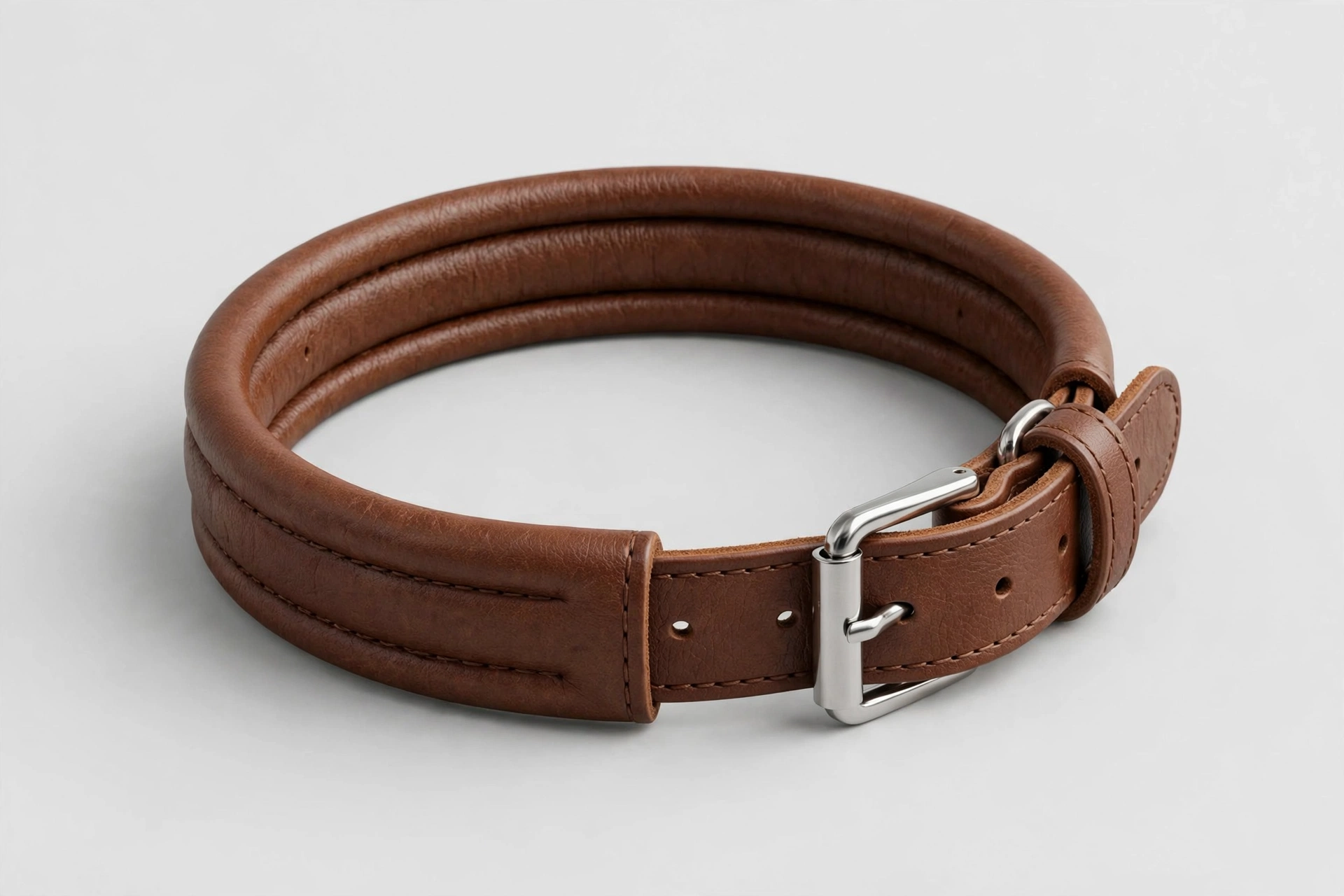
BRONZEDOG Rolled Leather Dog Collar
BRONZEDOG brings European styling — classic lines, quality leather, traditional brass fittings — at a mid-range price. The aesthetic is old-world equestrian, which suits the sporting breeds (Setters, Pointers, Spaniels) that most need rolled collars. Leather quality is good, with a smooth finish that resists dirt. I see this as the style-conscious alternative to Mendota: slightly more refined visually, comparably functional. For the owner who coordinates dog gear with field attire, this scratches the itch.
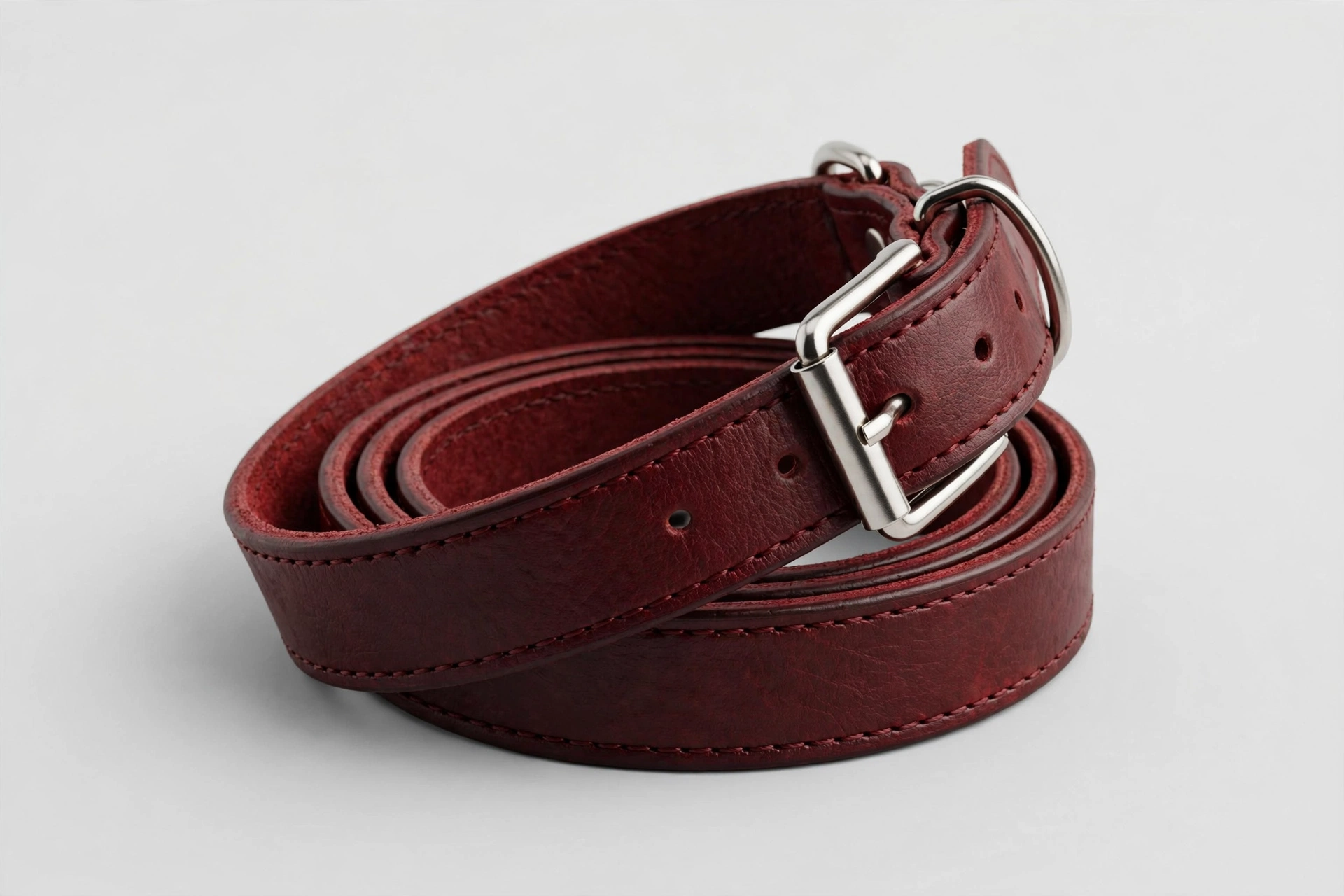
CollarDirect Rolled Leather Collar
CollarDirect is the value entry to genuine rolled leather — real leather construction at a price that makes the category accessible. The leather needs more break-in than premium options and the hardware is simpler, but the fundamental fur-friendly geometry is identical: round profile, no matting. I recommend this for trying the rolled concept before investing in a Mendota, or as the everyday beater while the good collar stays for occasions. An honest product at an honest price.
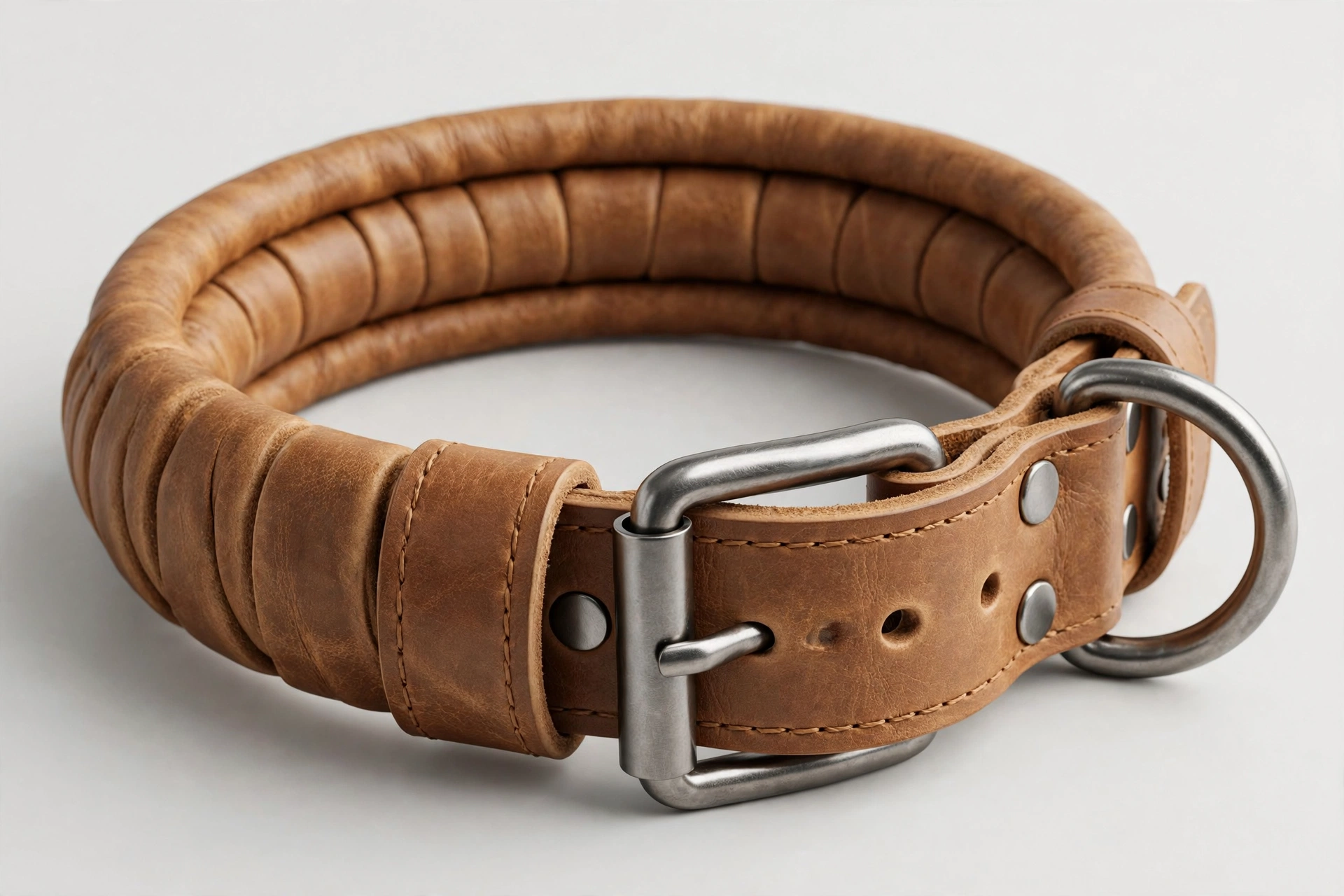
BRONZEDOG Rolled Leather Collar (XL)
The XL BRONZEDOG serves the big, long-haired breeds — Bernese Mountain Dogs, Newfoundlands, Leonbergers — that need both the rolled profile and serious sizing. Large rolled collars use thicker leather cord for proportional strength, and the hardware scales accordingly. Giant breeds with flowing coats suffer the worst flat-collar matting (more fur, more friction), so this is arguably where rolled leather matters most. Measure the massive neck carefully; XL in rolled collars varies significantly between makers.
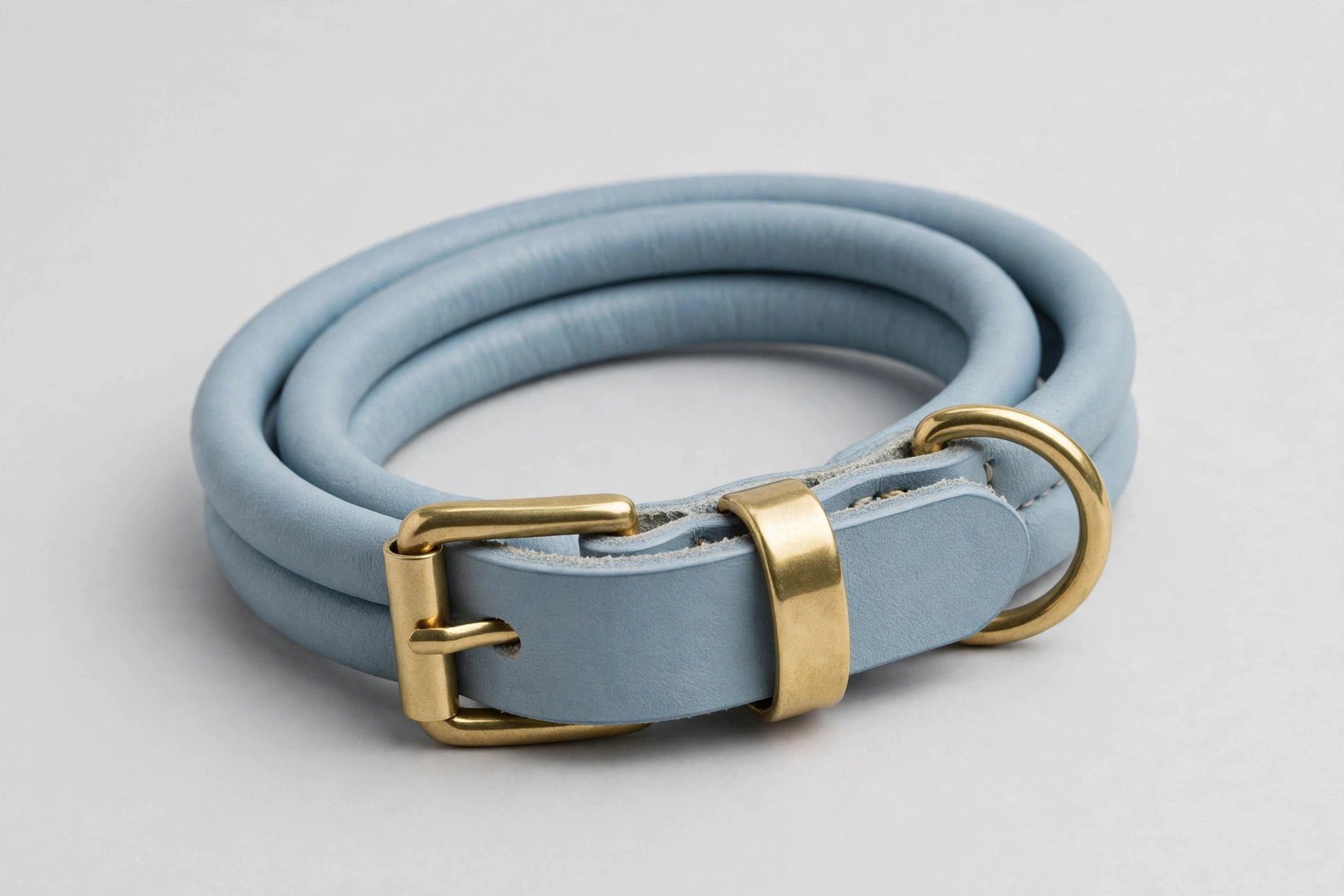
CollarDirect Rolled Leather Collar (Light Blue)
The light blue CollarDirect proves rolled leather isn’t limited to brown and black — pastel and color options let style-conscious owners coordinate. The powder-blue is particularly striking on silver, gray, and white coats (Weimaraners, Huskies, Samoyeds). Same value-tier construction as its sibling: genuine leather, simple hardware, needs break-in. Color-dyed leather needs slightly more care (dye can transfer when wet initially), so rinse-wipe it before first wear on a light-coated dog.
Buying Guide: Why Rolled Leather Works
The physics of fur-friendly
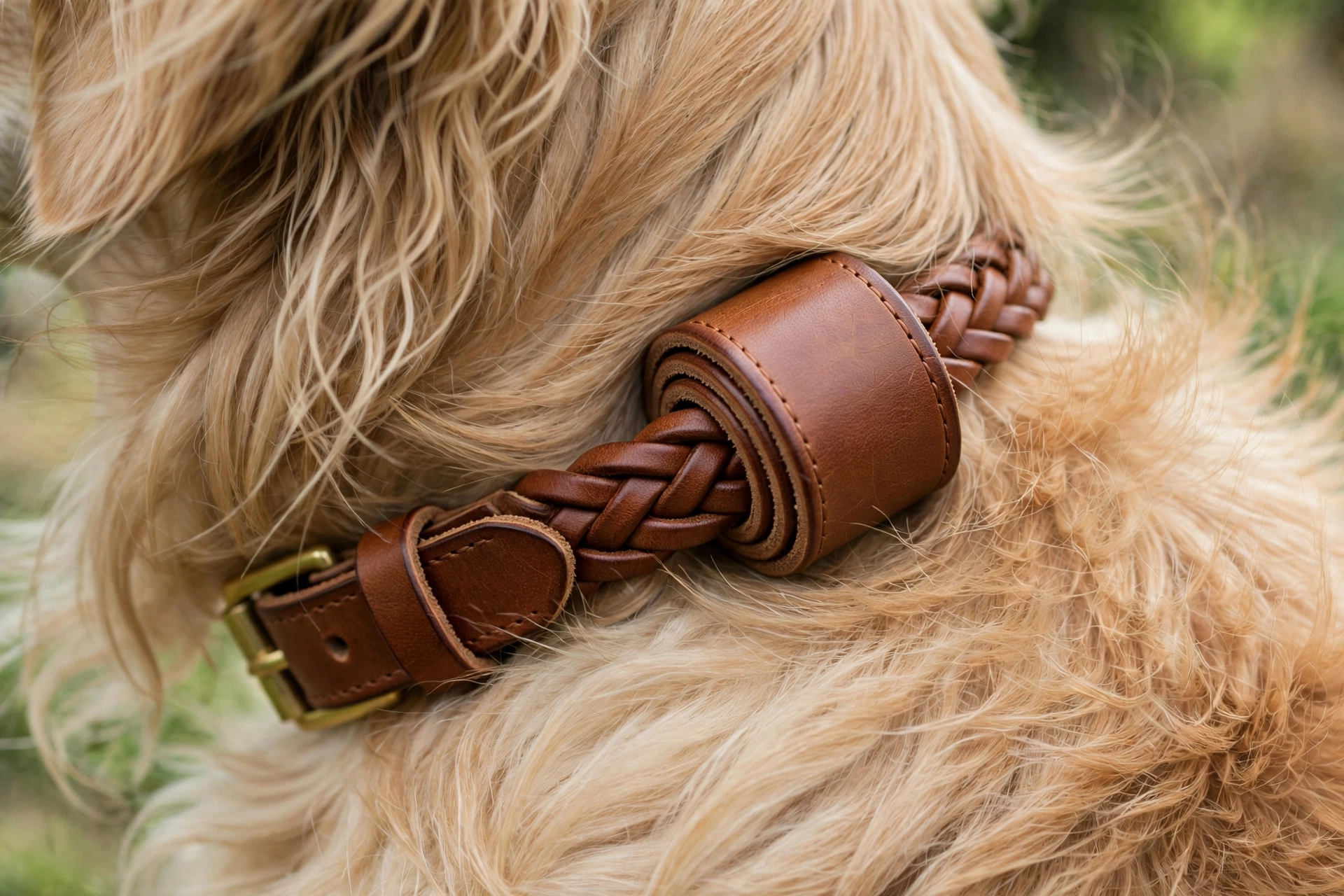
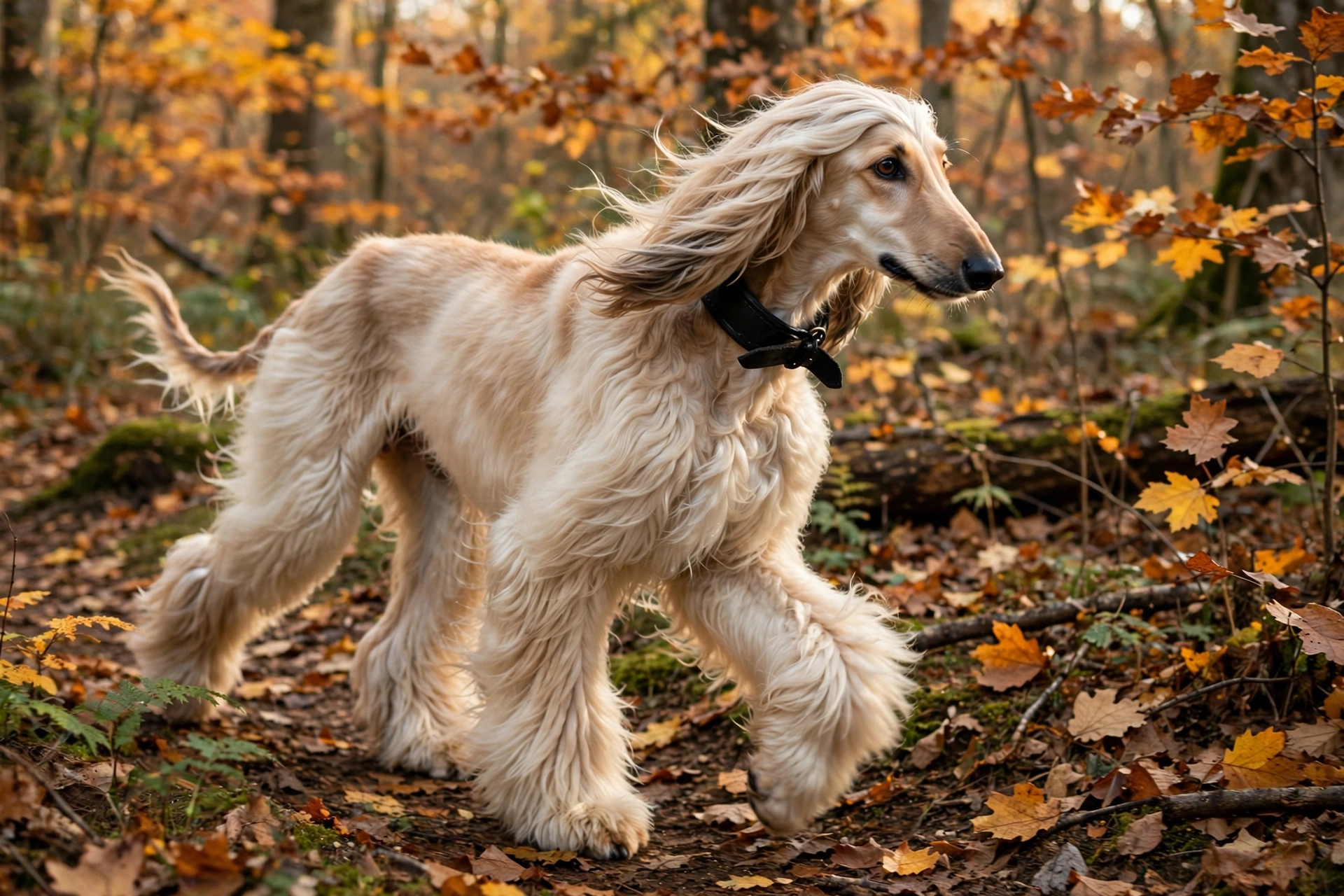
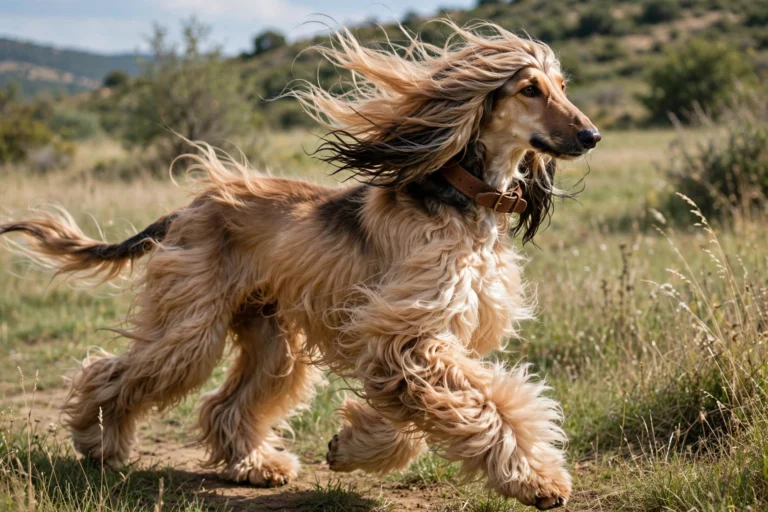
Flat collars damage long coats through friction across a wide contact band — every head turn drags webbing across fur, breaking coat and felting undercoat into mats. A rolled collar’s round profile minimizes contact area to a thin line, and the smooth leather surface lets fur slide rather than catch. The difference is dramatic on breeds with silky or double coats: owners switching to rolled collars typically report the neck-matting problem disappearing within weeks. It’s not marketing — it’s geometry. For Afghan Hounds, Old English Sheepdogs, Collies, and heavily-coated Doodles, rolled isn’t a preference, it’s coat preservation. Leather grading and tanning are covered in Wikipedia’s leather article. If you want the leather look without animal hide, see the best faux leather dog collars guide, and for a soft coat-friendly alternative, the best velvet dog collars guide.
Leather grades and what you’re paying for
Rolled collars use bridle leather or latigo (vegetable-tanned, hot-stuffed with waxes and tallows) at the quality end — supple, strong, weather-resistant, developing rich patina. Mid-tier options use decent top-grain with more break-in required. Budget options may use split leather or bonded leather — functional but shorter-lived. You can assess leather on arrival: it should smell like leather (not chemicals), flex without cracking, show tight grain, and have sealed, burnished edges. The price ladder in rolled collars tracks leather quality almost linearly — this is a category where spending more buys visibly, tangibly more.
Sizing rolled collars correctly
Rolled collars size by length like any collar, but two details matter: the leather doesn’t slide through buckles as freely as webbing, so adjustment range is narrower — buy closer to the true size; and the round profile sits slightly differently on the neck, so the two-finger rule still applies but check it after a week of wear as the leather settles. For growing puppies, rolled leather is a poor choice (they outgrow the narrow adjustment range fast); start them on adjustable nylon and graduate to rolled at adult size. Measure at the neck’s midpoint, not behind the ears where it’s thinner.
Hardware: brass, and why it matters
Quality rolled collars use solid brass hardware — buckles, D-rings, keepers — for reasons beyond looks: brass doesn’t rust, doesn’t react with leather tannins the way steel can, and develops its own patina matching the leather’s. Check that D-rings are welded (pull-test gently), buckle tongues seat fully, and keepers hold the tail flat. Nickel-plated hardware is acceptable at lower prices but the plating eventually wears. Avoid painted hardware entirely — it chips within weeks and looks terrible. On a premium collar, hardware should feel as considered as the leather.
Care: conditioning for decades of service
Leather care is simple but non-optional: wipe clean with a damp cloth, condition every 2–3 months with a quality leather balm (mink oil, neatsfoot, or beeswax-based), and never soak or heat-dry. Conditioning prevents the drying and cracking that kills leather collars — five minutes quarterly buys years of life. Store out of prolonged direct sun. With this basic care, a premium rolled collar (Mendota-tier) genuinely lasts a decade or more; I’ve seen twenty-year-old Mendotas still in service. That’s the buy-it-for-life math that justifies the upfront cost.
Rolled collars for short-coated breeds: worth it?
The fur-saving benefit is minimal on short coats — a Boxer or Doberman won’t mat regardless — but rolled collars still offer real advantages: the round profile eliminates the edge pressure that flat collars exert, many dogs find them more comfortable, and the classic equestrian aesthetic suits sporting breeds beautifully. The trade-offs: less control surface for training strong pullers, and typically higher prices than flat collars. My verdict for short-coated dogs: a legitimate comfort and style choice, not a necessity. If your short-coated dog pulls hard, prioritize a wide flat collar or harness for walks and enjoy rolled for daily wear.
Frequently Asked Questions
Are rolled leather collars better for long-haired dogs?
Yes — decisively. The round profile prevents the matting, coat breakage, and felting that flat collars cause on long, silky, or double coats. This is the primary reason rolled collars exist, and the benefit is visible within weeks of switching. For short-coated breeds the advantage is smaller (though the comfort and aesthetics still appeal); for long-haired breeds it’s transformative. Groomers consistently recommend them for coated breeds.
Do rolled leather collars stretch?
Quality bridle leather stretches minimally — a well-made rolled collar holds its length for years. Cheaper leathers and insufficiently-conditioned collars can elongate somewhat, particularly if repeatedly soaked. Check fit every few months and condition regularly; both practices minimize stretch. If a collar stretches significantly, it’s telling you about its leather quality — another argument for buying the good one first.
Can rolled leather collars get wet?
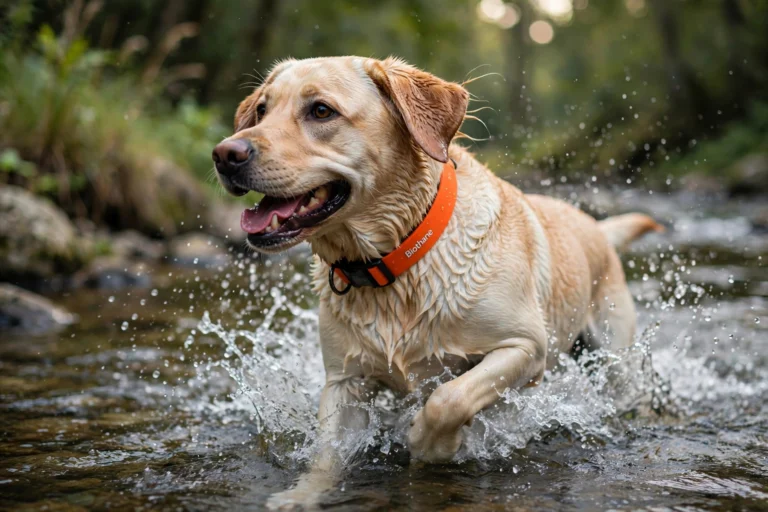
Occasional rain is fine — quality bridle leather is stuffed with waxes specifically for weather resistance. But don’t make a habit of soaking: repeated saturation followed by poor drying degrades any leather. After wet outings, wipe down, air-dry naturally, and condition a bit more often. For dogs that swim daily, keep a Biothane collar for water duty and the rolled leather for dry land — each material in its element.
Are rolled collars strong enough for big dogs?
Yes, when properly made — the leather cord on large-dog rolled collars is thick (often 8–10mm+), and bridle leather’s tensile strength is substantial. The weak points are the same as any collar: stitching, buckle, D-ring — which is why hardware quality matters. For giant pullers, pair with a harness for walks if needed; the rolled collar excels as the everyday/tag collar. Mendota and equivalent makers rate their large sizes for genuine working-dog use.
How do I clean a rolled leather collar?
Wipe with a damp cloth for routine dirt; for grime, use saddle soap sparingly, then condition after cleaning (cleaning strips oils). Never machine wash, never soak, never use harsh detergents. An old toothbrush cleans the stitching grooves and around hardware. This two-minute routine after muddy outings, plus quarterly conditioning, is the entire maintenance program — leather care is simple, it just needs to actually happen.
What’s the difference between rolled and flat leather collars?
Profile and purpose: rolled is a round cord, flat is a strap. Rolled prevents coat matting and suits long-haired breeds; flat distributes pressure over more area and suits short-coated dogs and strong pullers better. Rolled is generally more comfortable for the dog (less edge pressure) but offers less control surface for training. Many long-haired-dog owners use rolled for daily wear and switch to flat or harness for training sessions — the best of both geometries.
Do rolled collars twist or rotate?
Less than flat collars, generally — the round profile and snug fit keep them positioned, and quality rolled collars include a keeper or fixed D-ring placement that resists rotation. Some rotation is normal with any collar as the dog moves; excessive spinning usually means the collar is too loose. If your rolled collar constantly rotates the D-ring underneath, snug it slightly (maintaining comfort) — the fix is fit, not design. Sliding-adjustment styles (like Mendota’s) make micro-adjustments easy, which is part of their enduring popularity.
Are rolled collars OK for puppies?
I generally say wait — puppies outgrow the narrow adjustment range of rolled collars quickly, making them an expensive choice for a temporary neck size. More importantly, puppy training benefits from the control surface of a flat collar or harness. Start puppies on adjustable nylon, and graduate to rolled leather at adult size (around 12 months for most breeds, longer for giant breeds). The rolled collar then becomes a milestone purchase — the adult dog’s proper collar — which feels appropriate for the investment.
Verdict
For long-haired breeds, the best rolled leather dog collar is the Mendota — American-made, bridle leather, brass hardware, the standard everything else is measured against. The OOPSDOGGY reflective version is the smart pick for dark-walk visibility, and CollarDirect opens the category on a budget. The core truth: if your dog’s coat mats under flat collars, rolled leather isn’t an upgrade, it’s the solution. Buy the best leather you can justify, condition it quarterly, and enjoy a collar that protects the coat you spend hours grooming. Your brush will thank you.
4 Comments