
The best slip collars for dog training are tools of precision, not punishment: a loop of rope, nylon, or chain that tightens gently when the dog pulls and releases the instant the leash goes slack. Trainers have used British-style slip leads for decades because they give clear, well-timed feedback without buckles, clips, or hardware to fumble with. But that same tightening action is what makes humane use non-negotiable — a slip collar in the wrong position, left on unsupervised, or yanked in frustration can injure a dog’s neck and throat. This guide covers five slip-style training collars, from classic rope slip leads to gentler limited-slip martingales, and explains exactly how to fit and use them safely. If you are new to slip collars, consider booking even one session with a certified trainer first; ten minutes of hands-on coaching prevents most misuse.
Affiliate disclosure
As an Amazon Associate, I earn from qualifying purchases. If you buy through a link on this page, I may earn a commission at no extra cost to you.
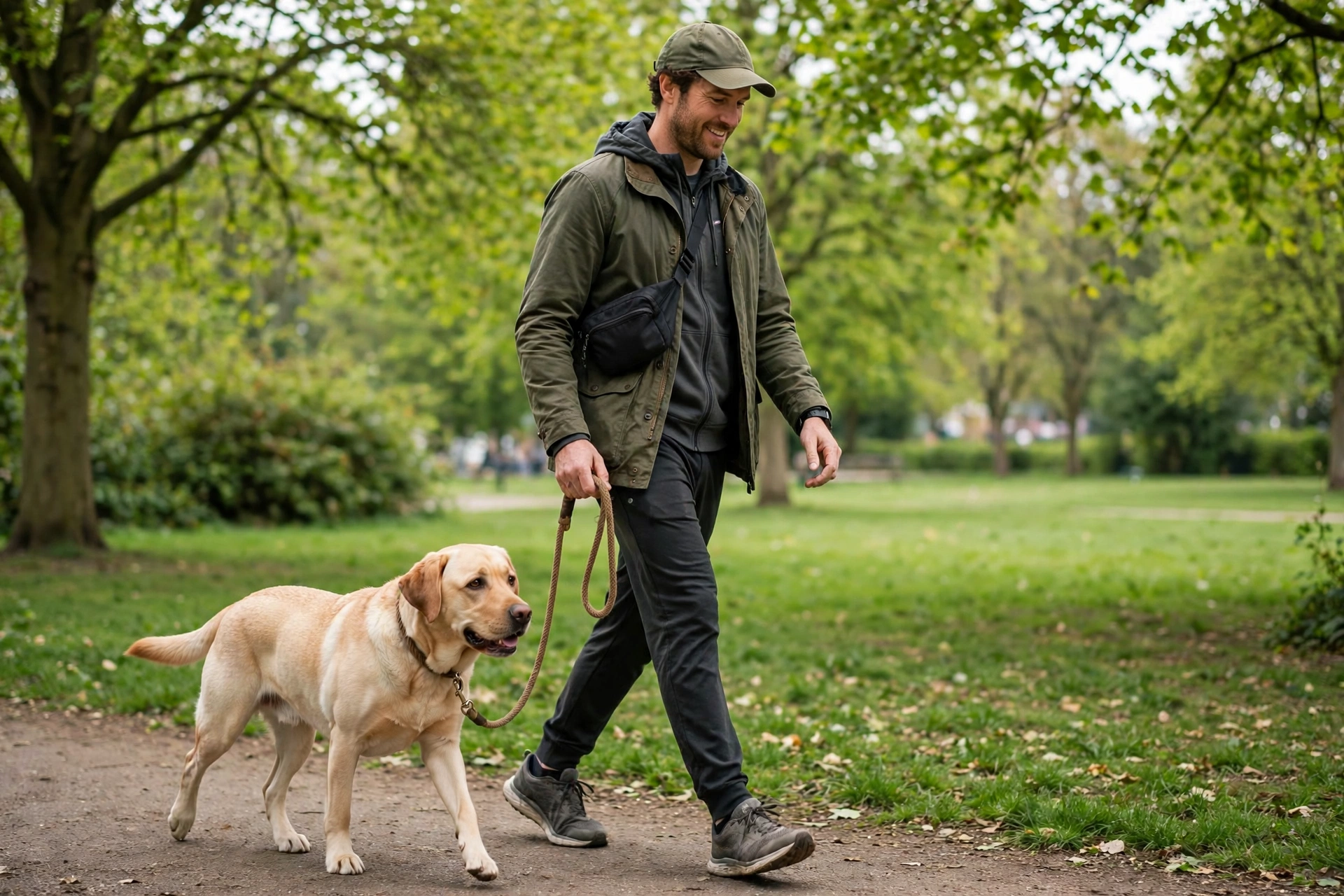
⚡ The short answer
🥇Mendota Slip Lead 1/2″ x 6′Best overall trainer pick→
🥈Mendota Slip Lead 3/8″ x 6′Small and medium dogs→
🥉Mendota Show Slip Leash 1/8″Show handling→
Quick Picks: Best Slip Collars for Training at a Glance
| Product | Best For | Standout Feature |
|---|---|---|
| Mendota Slip Lead 1/2″ x 6′ | Best overall trainer pick | Handmade USA rope, leather stop |
| Mendota Slip Lead 3/8″ x 6′ | Small and medium dogs | Lighter rope diameter, same build quality |
| Mendota Show Slip Leash 1/8″ | Show handling | Ultra-fine lead for ring presentation |
| ONEFOJOJO Reflective Martingale | Gentlest slip action | Limited cinch, reflective padding |
| Coastal Pet Titan Chain Training Collar | Traditional slip chain | Argon-welded chrome chain, 22 in, 4 mm links |
5 Slip Collars Trainers Actually Use
Slip collars fall into two families: true slip leads and chains that tighten without limit, and limited-slip martingales that cinch only to a preset size. Both appear below, because the right choice depends on your dog, your experience level, and what your trainer recommends.
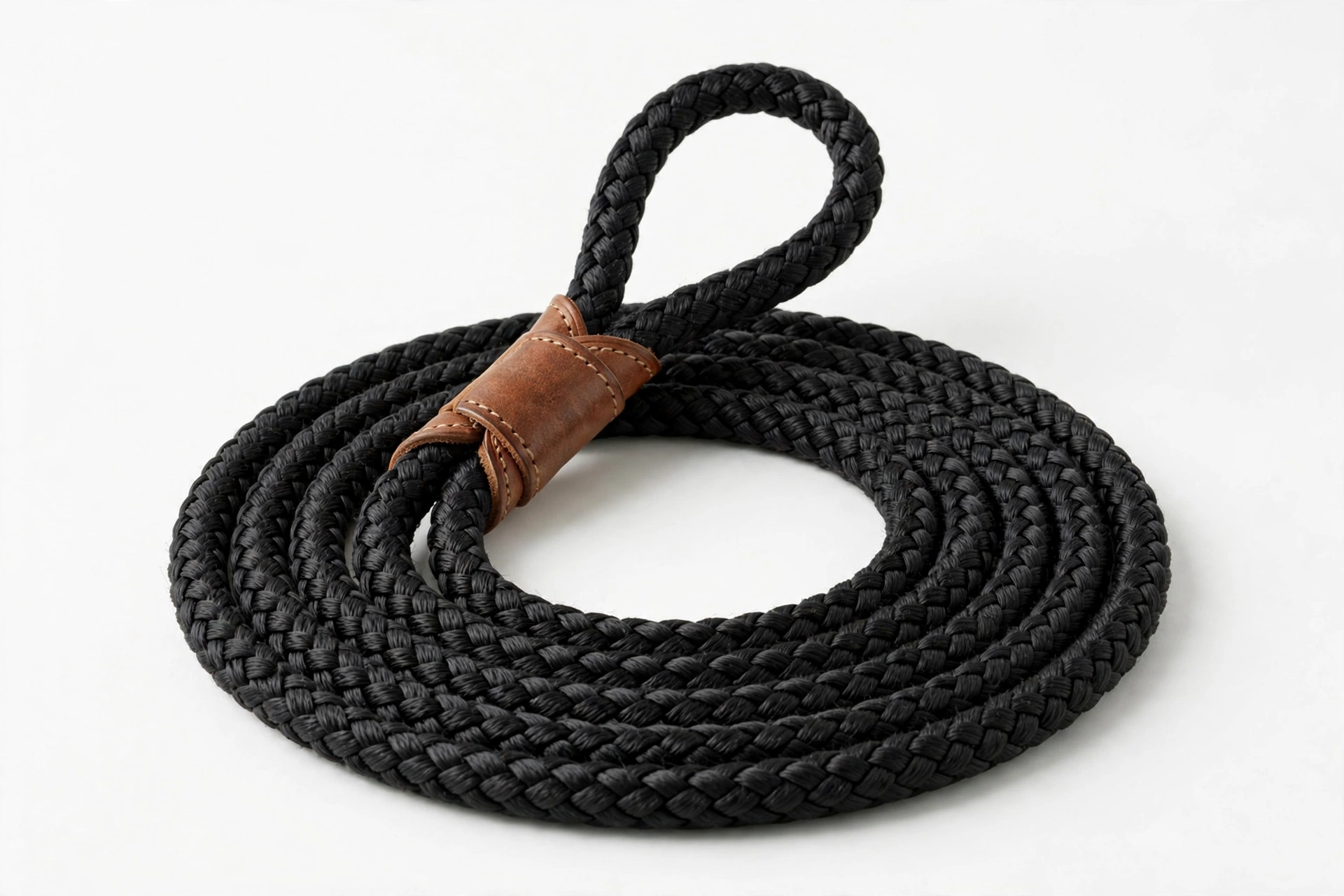
Mendota Slip Lead, 1/2″ x 6′
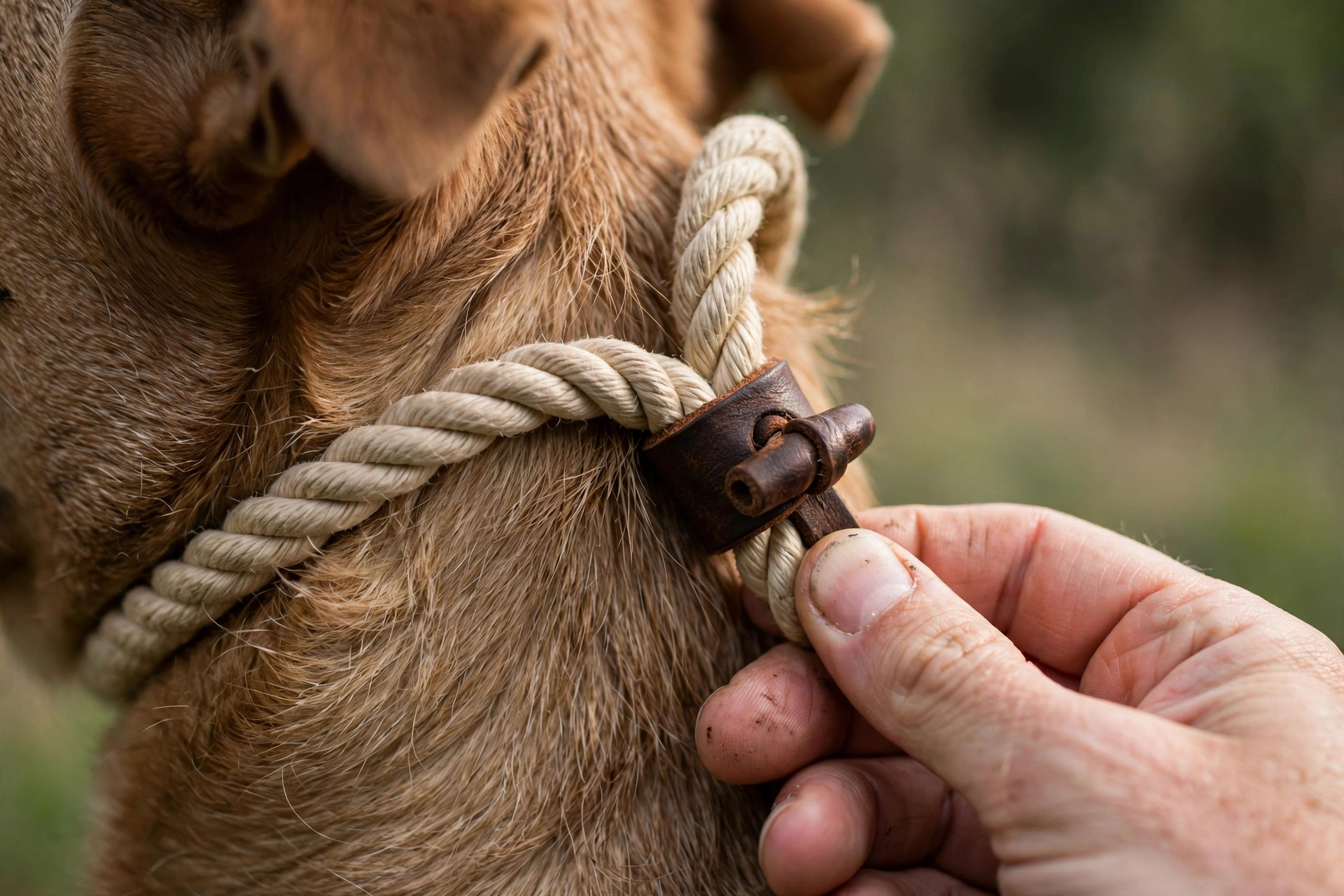
The Mendota Slip Lead is the benchmark rope slip lead: a leash and collar in one, handmade in the USA from multifilament braided polypropylene with a broken-in feel that is soft on human hands. You slip the loop over the dog’s head, slide the leather stop up behind the ears, and the loop tightens when the dog pulls and loosens when the dog yields — the classic British-style feedback mechanism trainers have used for generations. The 1/2-inch by 6-foot size suits dogs over about 50 pounds; it is machine washable, waterproof, and finished with oil-tanned leather splices and metal hardware. If you want one slip lead that covers serious training work, this is the one most professionals would hand you.
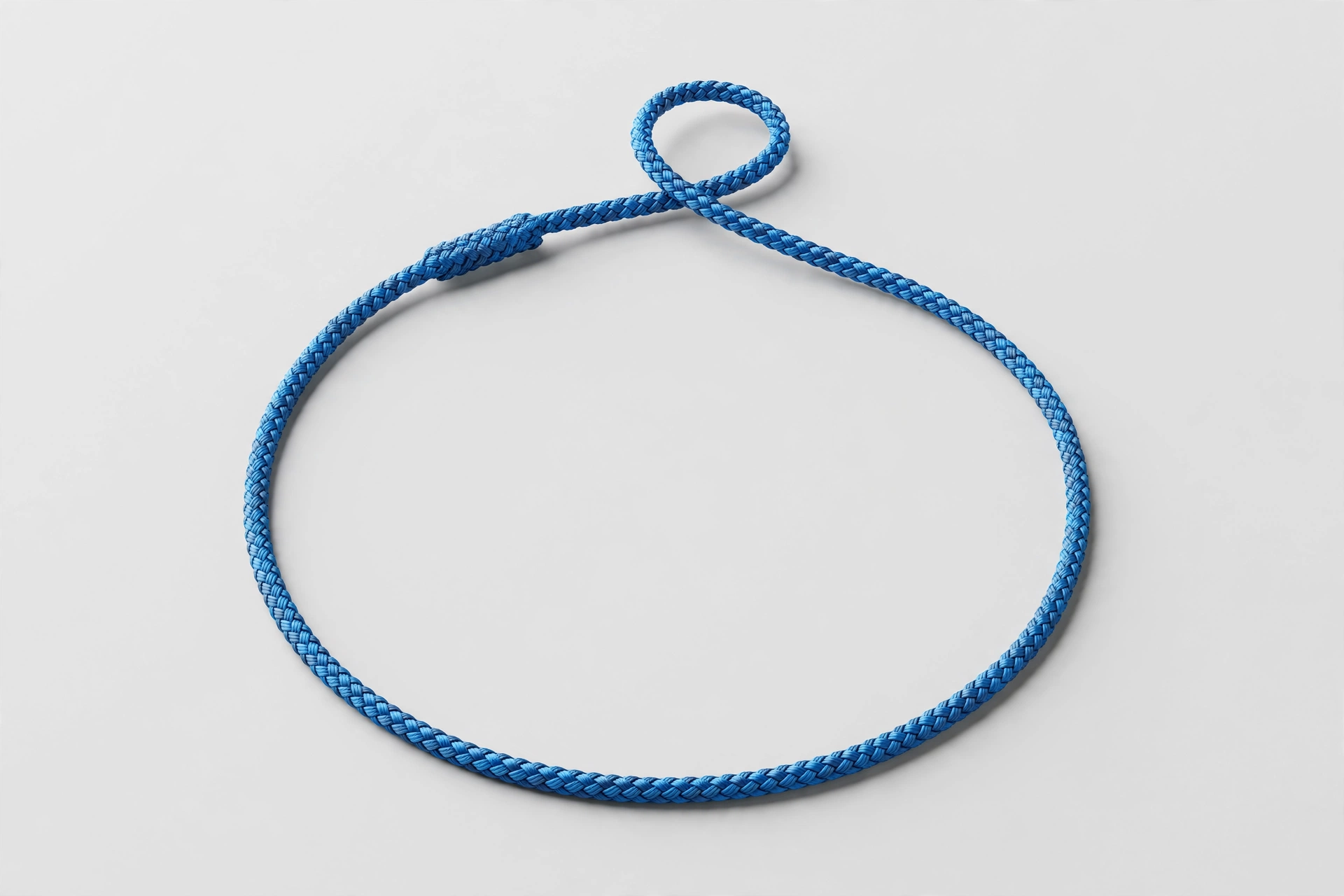
Mendota Slip Lead, 3/8″ x 6′
The 3/8-inch Mendota Slip Lead is the same handmade design scaled down for dogs around 50 pounds and under. Thinner rope means less weight on a small dog’s neck and finer, more precise feedback for the handler — important because light dogs feel every ounce of a heavy lead. Like its bigger sibling it combines leash and collar in one loop, uses a leather stop to keep the loop from opening too wide, and comes in the brand’s wide color range. For spaniels, terriers, and other small-to-medium training partners, this diameter is the better match than the half-inch version.
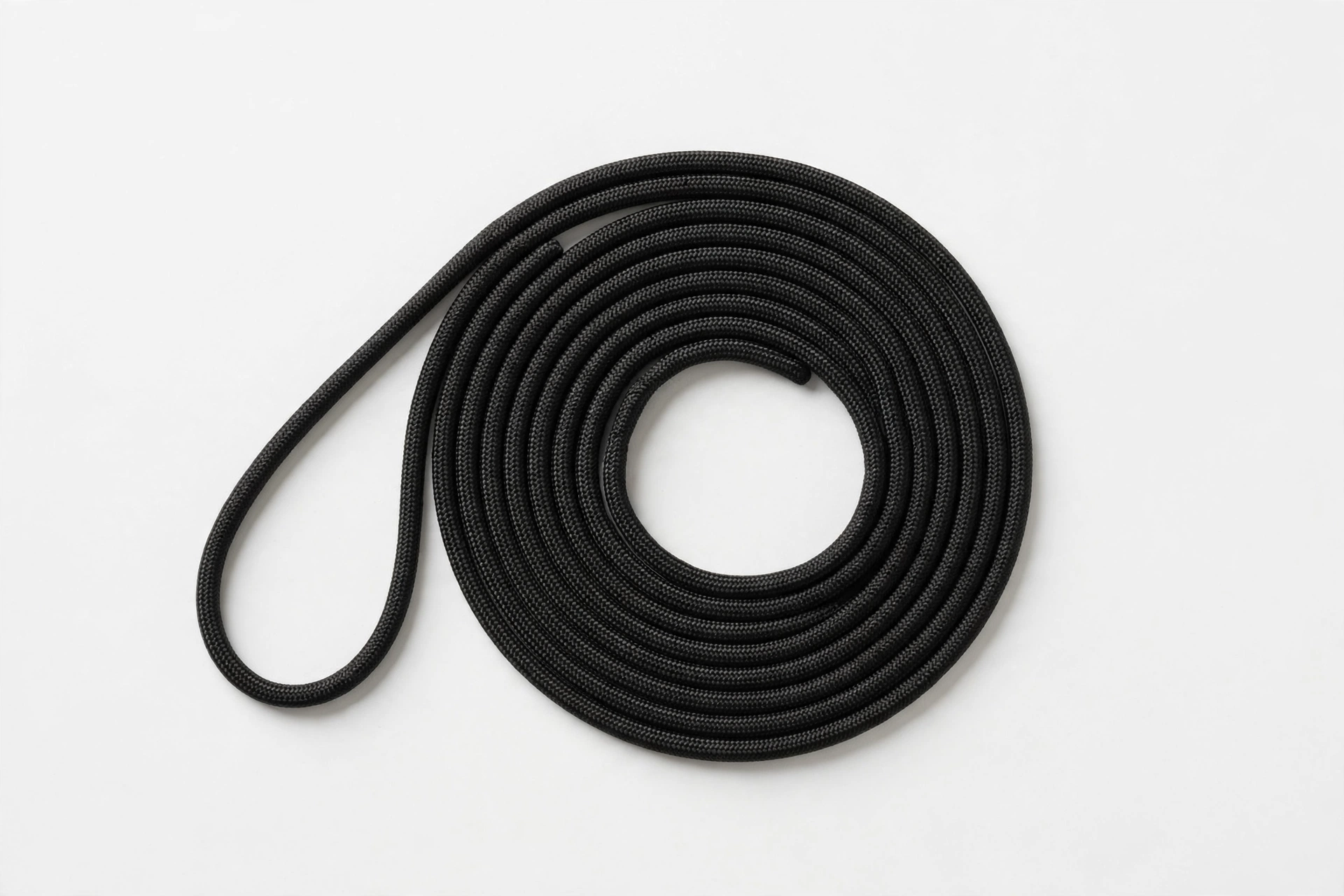
Mendota Show Slip Leash, 1/8″ x 54″
Conformation handlers live on slip leads, and the Mendota Show Slip Leash is built for the ring: a fine 1/8-inch diamond-braid cord, 54 inches long, that all but disappears against the dog’s neck so judges see the dog, not the equipment. It works on the same slip principle as the training leads, tightened and positioned high for precise control during gaiting and stacking. This is a specialist tool for experienced handlers rather than everyday walks — the thin cord concentrates pressure, so correct high placement and a light hand are essential, and it should never be a dog’s all-day collar.
ONEFOJOJO Reflective Martingale Collar
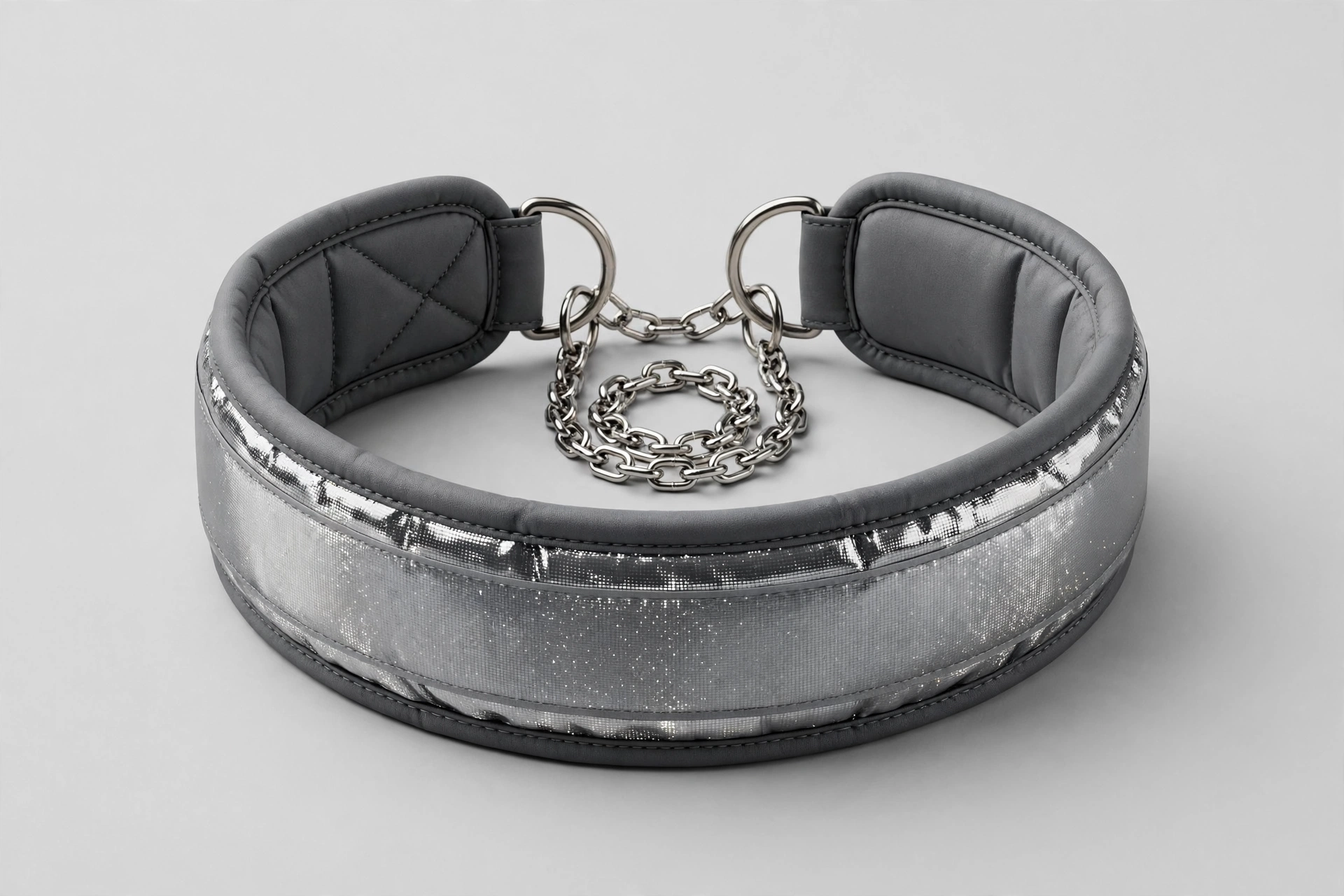
If the unlimited tightening of a true slip collar worries you, a martingale is the humane middle ground: the chain loop cinches only until the two D-rings meet, so the collar physically cannot keep tightening. The ONEFOJOJO version pairs that limited-slip action with a reflective nylon strap and soft padding, plus a second D-ring that lets you clip the leash as a standard flat collar when no cinch is wanted. It slips over the head for quick on-off, comes in multiple sizes, and the reflective webbing adds low-light visibility. For owners who want slip-style feedback with a built-in safety limit, this is the easiest recommendation in the guide.
Coastal Pet Titan Chain Training Collar
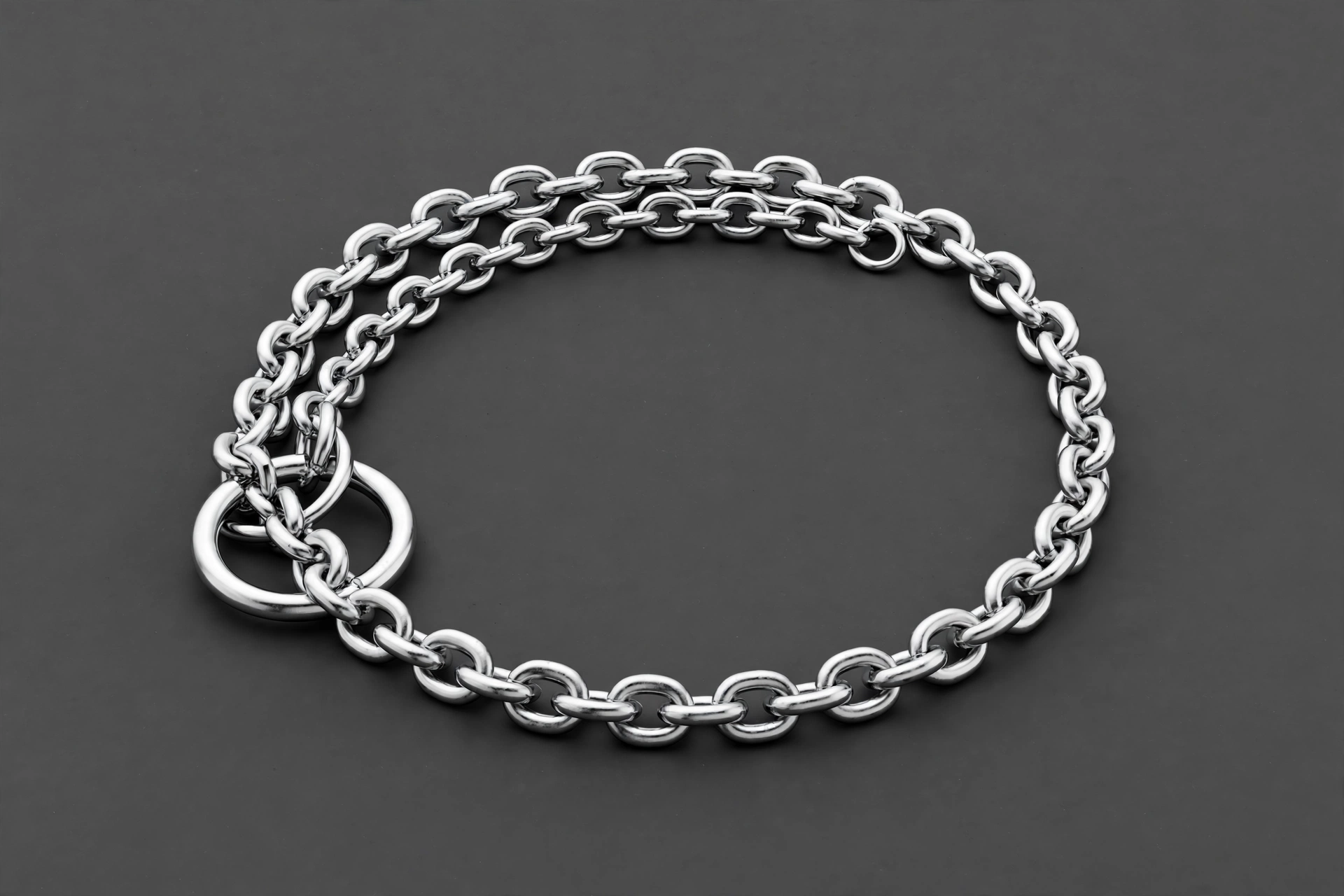
The chain slip collar — the classic “choke chain” — is the oldest tool in this category and the one that demands the most respect. The Coastal Pet Titan version is a 22-inch chain with 4 mm argon-welded, chrome-plated links that slide through the end ring, so the collar tightens with a pull and releases when the leash slackens; used with the quick “pop and release” timing trainers teach, it delivers a brief, precise signal. Chain collars are sized by total overall length including the rings, so measure the dog’s neck and add two to three inches. Used wrong — constant tension, dragging, or fitted too loosely so it hangs like a necklace — it can damage the trachea and neck. This pick belongs here for completeness and because many experienced trainers still use slip chains correctly, but beginners should start with a rope slip lead or martingale and get hands-on instruction before considering a chain.
Buying Guide: Using Slip Collars Humanely
A slip collar is only as humane as the hands holding the leash. The mechanism is simple physics — tension tightens, slack releases — which means your timing and leash handling determine whether the dog experiences a clear signal or chronic pressure. Everything below is what a good trainer would show you in your first session.
Correct placement: high and snug
A slip collar belongs high on the neck, just behind the ears and jaw — the strongest, least vulnerable part of the neck — never hanging low near the throat and trachea. Form the loop, slip it over the head, then slide the leather or rubber stop up so the loop stays in that high position with two to three fingers of slack. Placed low, the same collar that communicates clearly up top becomes a choking hazard; this single detail separates correct use from misuse.
The “P” shape and release timing
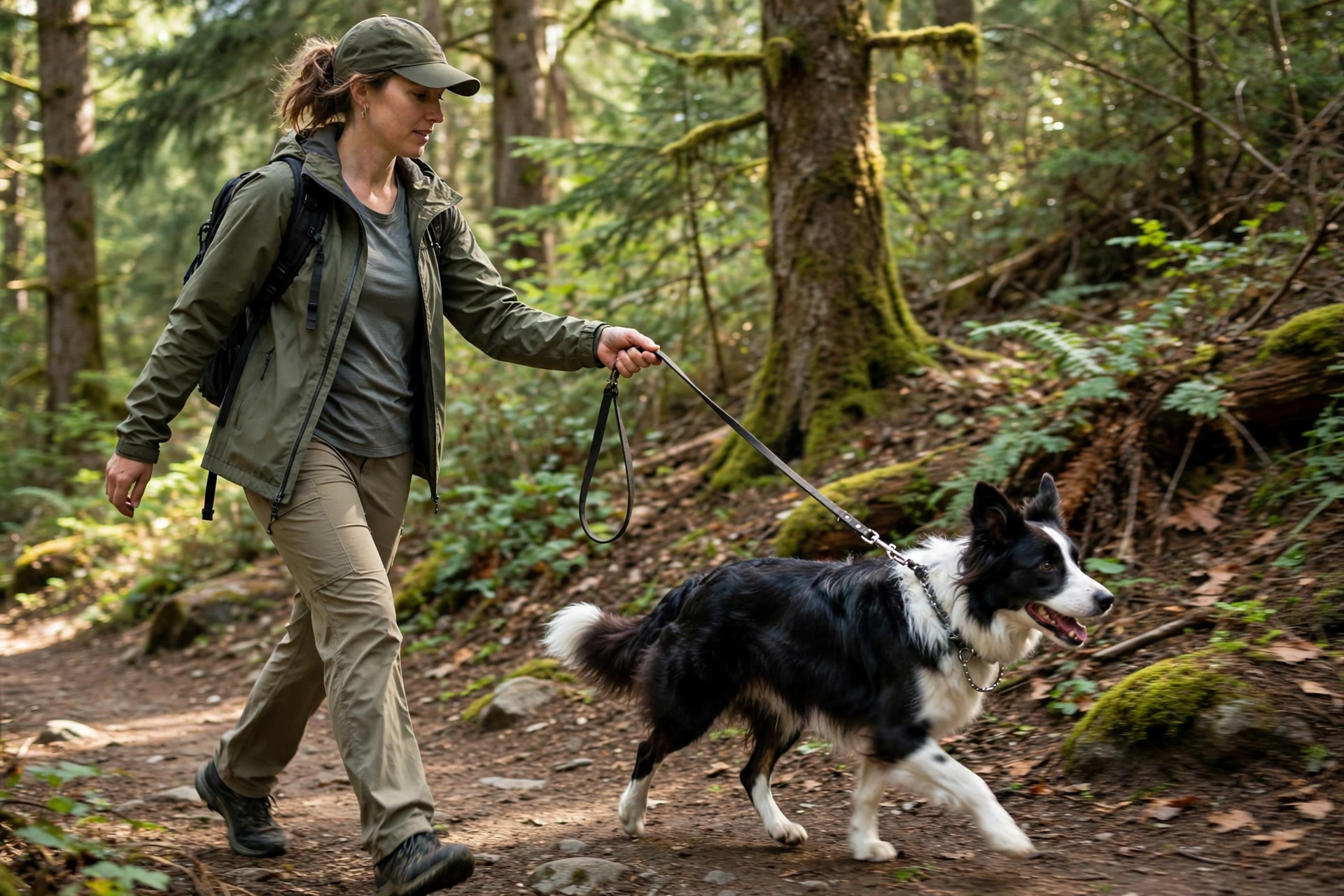
With the dog on your left, the slip lead should form the letter “P” — the live end of the rope coming over the top of the loop. In this orientation the collar tightens when the dog forges ahead and, crucially, releases the moment the dog yields. Reversed, the collar can lock tight instead of releasing. The correction itself is a quick sideways “pop” of the leash followed by immediate slack — never a sustained pull or drag. If you find yourself holding constant tension, stop and reset: the tool is being used as a restraint rather than a signal.
Fit, sizing, and when to size up or down
Choose rope diameter by dog size: roughly 3/8 inch for dogs under 50 pounds, 1/2 inch for larger dogs, with fine show leads reserved for experienced handlers. The loop must open wide enough to slip over the head comfortably but close small enough to sit high without sliding down. Chain slip collars are sized by adding two to three inches to the dog’s neck measurement — too long and the chain hangs and snags; too short and it cannot release properly.
Safety rules that are not optional
Never leave a slip collar on an unsupervised dog — the loop can catch on crates, fences, and branches with fatal results. Remove it after the walk or training session and switch to a flat collar with ID tags for all-day wear. Never tie a dog out on a slip collar, never use one on a dog with a known trachea, neck, or spinal issue (ask your vet), and never use it to drag or hang a dog into position. Puppies under about six months are generally better served by flat collars and positive training while they learn leash basics.
Rope vs. nylon vs. chain: material trade-offs
Rope slip leads, like Mendota’s braided polypropylene, are the most forgiving: the braid has slight give, the texture communicates clearly through the leash, and the rope is soft on both the dog’s neck and the handler’s hands. Flat nylon slip collars are lighter and cheaper but can feel sharper under tension and tend to twist. Chain slip collars deliver the crispest, fastest signal — metal slides freely and tightens instantly — which is exactly why they demand the best timing; there is no softness to absorb a late release. For most owners learning the tool, rope is the right starting material, with chain reserved for experienced handlers working under a trainer’s eye.
Consider a trainer consult
Slip collars reward good timing and punish bad timing — the dog cannot tell the difference between a well-timed pop and a frustrated yank, and beginners rarely have the timing right on day one. A single session with a certified professional trainer (CPDT-KA) to learn placement, the P-shape, and release timing will make the tool both more effective and more humane. Many trainers also offer a quick equipment-fitting check as part of a regular lesson.
Frequently Asked Questions
Are slip collars cruel?
A slip collar is a tool, and its humaneness depends entirely on use. Positioned high, fitted correctly, and used with brief, well-timed releases, it delivers a mild, momentary signal most dogs learn from quickly. Used with constant tension, poor placement, or frustration, it can cause pain, fear, and neck injury. If you are uncomfortable with the mechanics, a martingale or front-clip harness achieves similar training goals with wider margins for error.
Can I leave a slip lead on my dog all day?
No. Slip collars are training and walking tools, not everyday collars. Remove the slip lead after each session and use a flat collar with ID tags for the rest of the day. The tightening loop that makes a slip collar useful during training makes it dangerous unsupervised.
What is the difference between a slip collar and a martingale?
A true slip collar tightens without a built-in limit — the loop keeps closing as long as tension is applied. A martingale’s chain loop cinches only until its two rings meet, capping how tight it can get. Martingales were designed for sighthounds whose narrow heads slip out of flat collars, but the limited-slip action makes them a popular gentler alternative for any dog.
How do I stop the slip lead from sliding down the neck?
Use the leather or rubber stop: slide it up behind the ears after placing the loop high on the neck, leaving two to three fingers of room. The stop keeps the loop from opening fully and dropping to the throat. Also check the P-shape orientation — a reversed lead tightens unevenly and migrates downward.
Are slip chains (choke chains) still recommended?
Opinions differ. Many traditional trainers still use slip chains with precise timing, while many modern trainers prefer rope slip leads or martingales, which distribute pressure more evenly and forgive handler error better. If you are new to slip collars, start with a rope lead or martingale; consider a chain only under direct instruction from an experienced trainer.
Can puppies use slip collars?
Most trainers recommend waiting until a puppy has learned basic leash manners on a flat collar — usually around six months — before introducing a slip collar, and then only with guidance. Young puppies are still learning what leash pressure means, and precise timing matters more with small, delicate necks.
Related Buying Guides
The verdict
The Mendota Slip Lead in 1/2-inch remains the default recommendation for a reason: handmade quality, the right rope feel, and a design refined over decades of trainer use. Choose the 3/8-inch version for smaller dogs, the show lead only if you show, and the ONEFOJOJO martingale if you want slip-style feedback with a built-in tightening limit. Whichever you choose, invest the same care in learning to use it — correct high placement, the P-shape, and instant release — because with slip collars, technique is the product.

5 Comments