
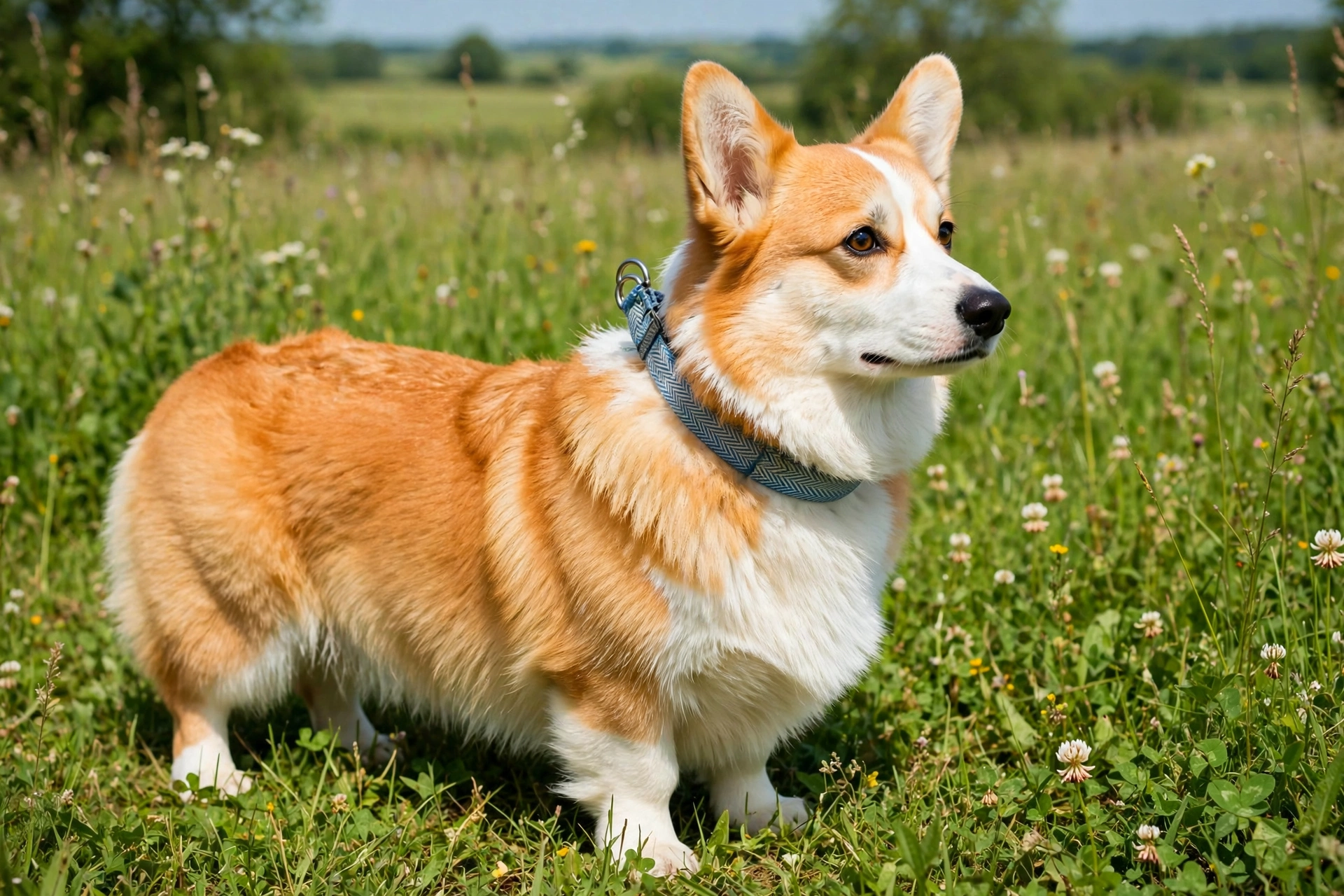
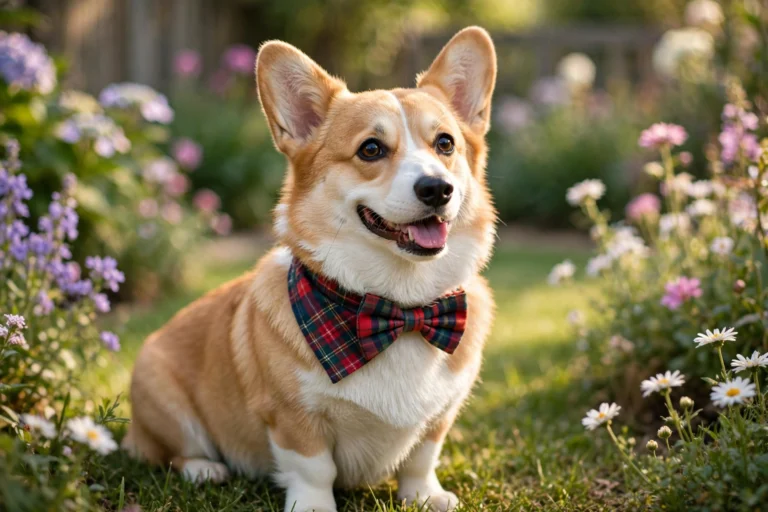
Corgis are sturdy little herding dogs with a big-dog attitude — and a talent for slipping out of poorly fitted collars that surprises every first-time owner. The best collars for corgis account for the breed’s unique geometry: a thick neck ruff, a wedge-shaped head that’s barely wider than the neck, and a low-slung body built for sudden bursts of speed. A standard collar sized “by weight” will sit too loose on that ruff and slide right off when your corgi spots a squirrel. I’ve picked five collars, all available on Amazon in 2026, that solve the corgi escape problem with martingale security, proper sizing, and coat-friendly materials.
Affiliate disclosure
As an Amazon Associate, Dogslifelearning earns from qualifying purchases. If you buy through a link on this page, Dogslifelearning may earn a commission at no extra cost to you — it helps keep these guides free and independent.
⚡ The short answer
🥇PetSafe Martingale Collar with Quick-Snap BuckleOverall best for corgis→🥈CollarDirect Martingale with Stainless Steel ChainDetermined escape artists→🥉Black Rhino Comfort CollarAll-day comfort→
Quick Picks: Best Collars for Corgis
| Collar | Best For | Why It Suits a Corgi |
|---|---|---|
| PetSafe Martingale Collar with Quick-Snap Buckle | Overall best for corgis | No-slip martingale action with easy clip-on fit |
| CollarDirect Martingale with Stainless Steel Chain | Determined escape artists | Strong chain loop for maximum slip-proof security |
| Black Rhino Comfort Collar | All-day comfort | Neoprene padding gentle on the thick neck ruff |
| Mendota Pet Double Braid Collar | Active outdoor corgis | Smooth braid that won’t mat the ruff; brass hardware |
| Ruffwear Knot-a-Collar | Adventure-ready security | Climbing-rope style with sliding adjustment knots |
The 5 collars, reviewed
PetSafe Martingale Collar with Quick-Snap Buckle
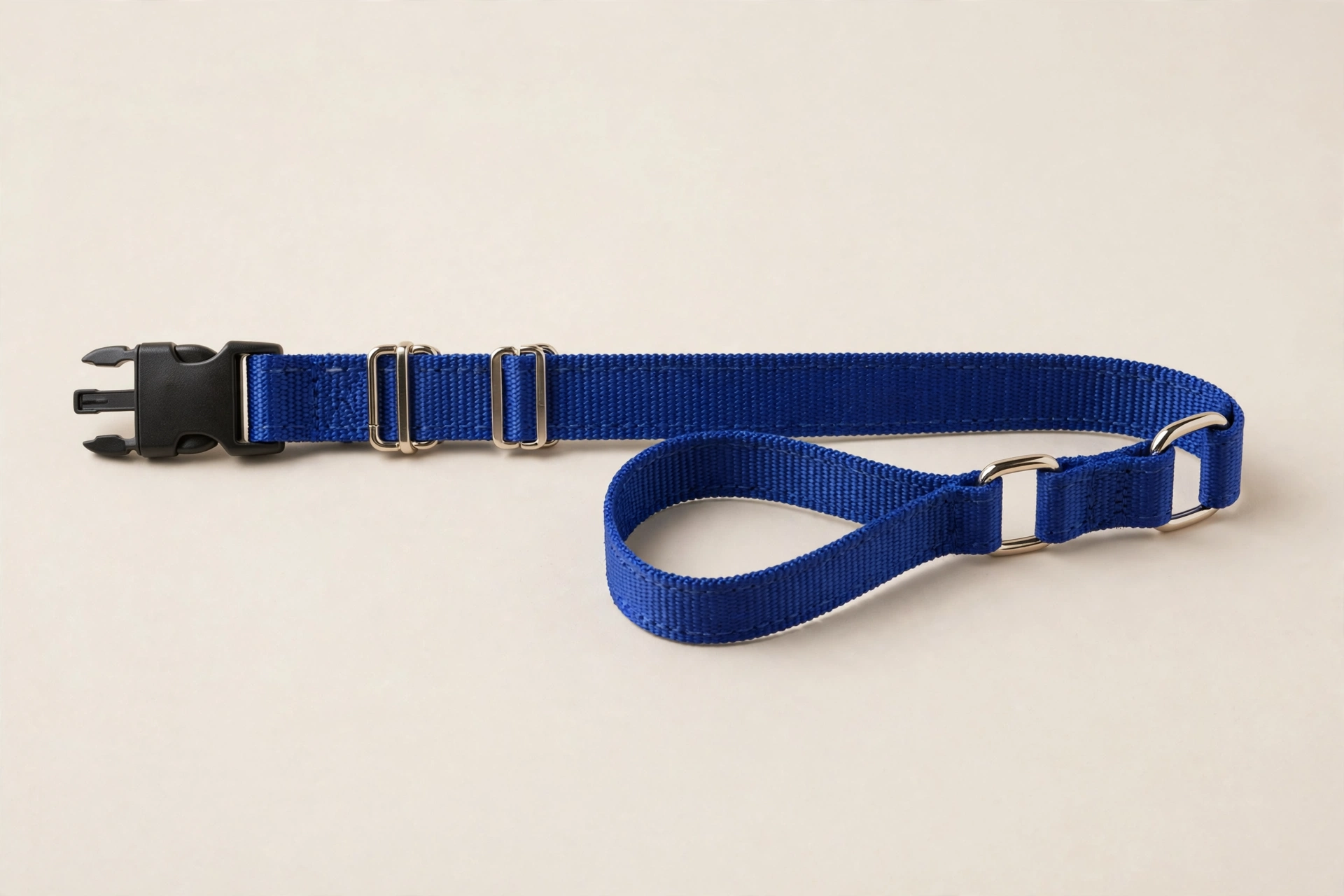
The corgi’s number-one collar problem is the backup-and-slip, and a martingale is the purpose-built solution. PetSafe’s martingale tightens gently when the leash goes taut — just enough that it can’t slide over the head — then relaxes the moment the dog stops pulling. The quick-snap buckle is a genuine quality-of-life upgrade over traditional slip-on martingales, because threading a wiggly corgi’s head through a loop is nobody’s idea of fun. The 1-inch nylon is light enough for a 25-pound dog, it adjusts across a wide range to accommodate the fluffy neck ruff, and it comes in colors bright enough to spot your low-rider in tall grass. For the average corgi, start here.
CollarDirect Martingale with Stainless Steel Chain
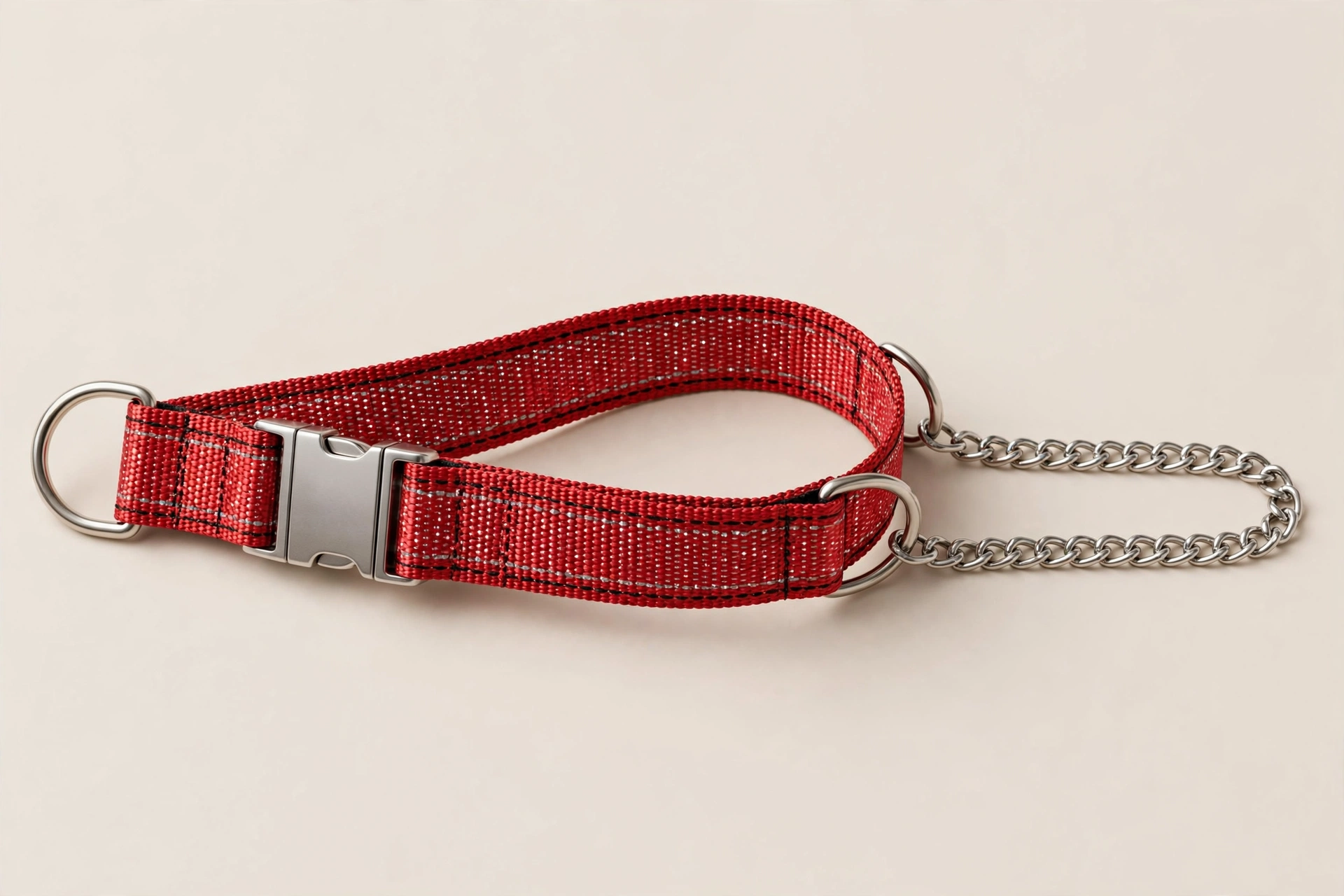
Some corgis elevate collar-slipping to an art form, honed over years of practice. For those committed Houdinis, the chain-loop martingale from CollarDirect offers the strongest version of the limited-slip design: a stainless steel chain control loop that cinches smoothly and won’t stretch or wear the way fabric loops eventually can. The reflective nylon webbing adds visibility for a dog whose eye level is roughly at bumper height, and the lockable quick-release buckle keeps on-off simple. Available in sizes that fit corgi necks comfortably, it’s the maximum-security option for the corgi that has defeated lesser collars.
Black Rhino Comfort Collar
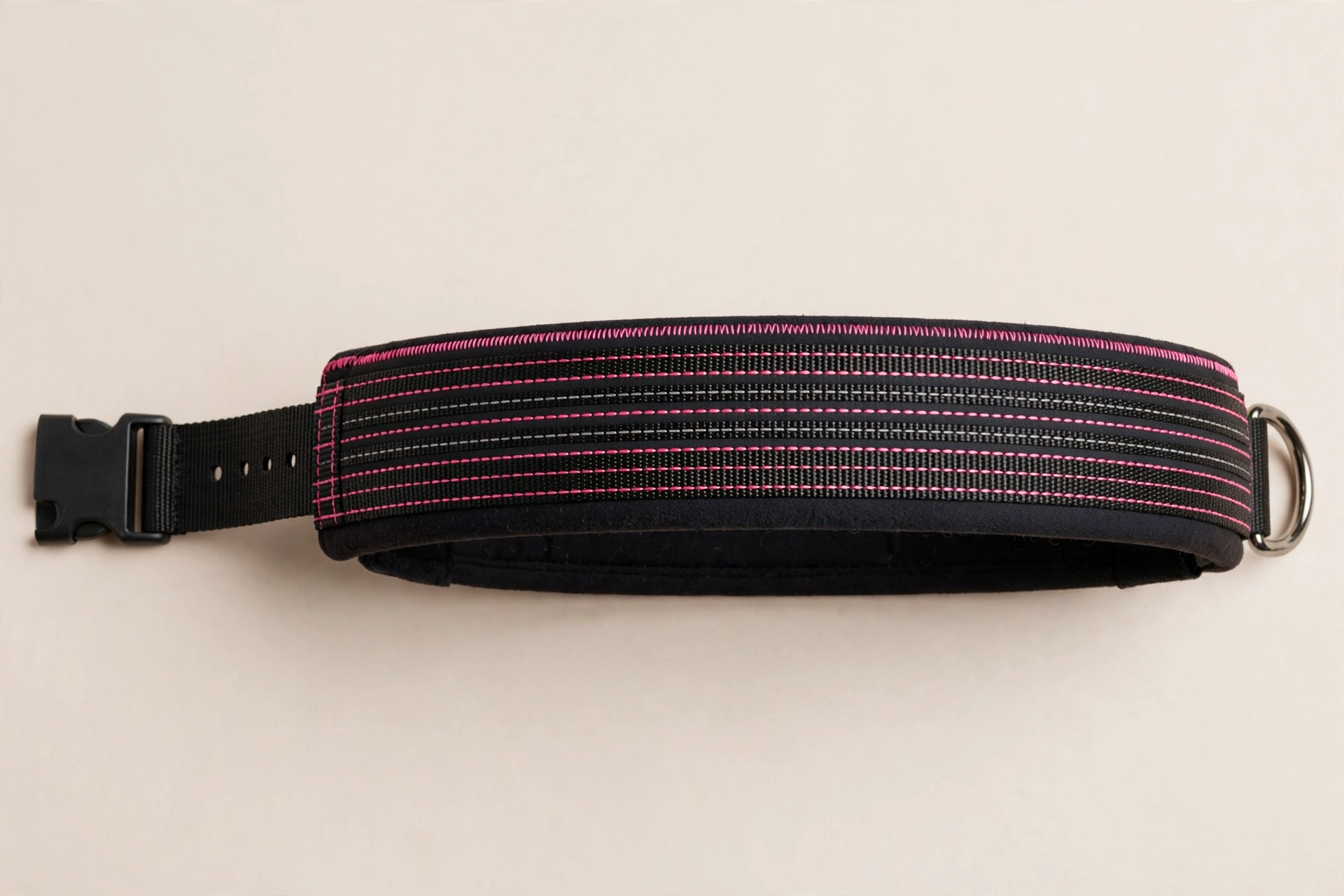
Not every corgi needs a martingale — many are perfectly content on a flat collar, provided it fits. The Black Rhino Comfort Collar earns its place with a full neoprene-padded lining that sits kindly against the corgi’s dense neck ruff instead of compressing and matting it. The padding also prevents the chafing that wide webbing can cause on short-legged dogs whose collars sit lower and shift more during movement. Reflective stitching helps drivers spot a corgi at dusk, the hardware is sturdy, and the small size fits most corgis well. A great everyday collar for the corgi that isn’t plotting an escape.
Mendota Pet Double Braid Collar
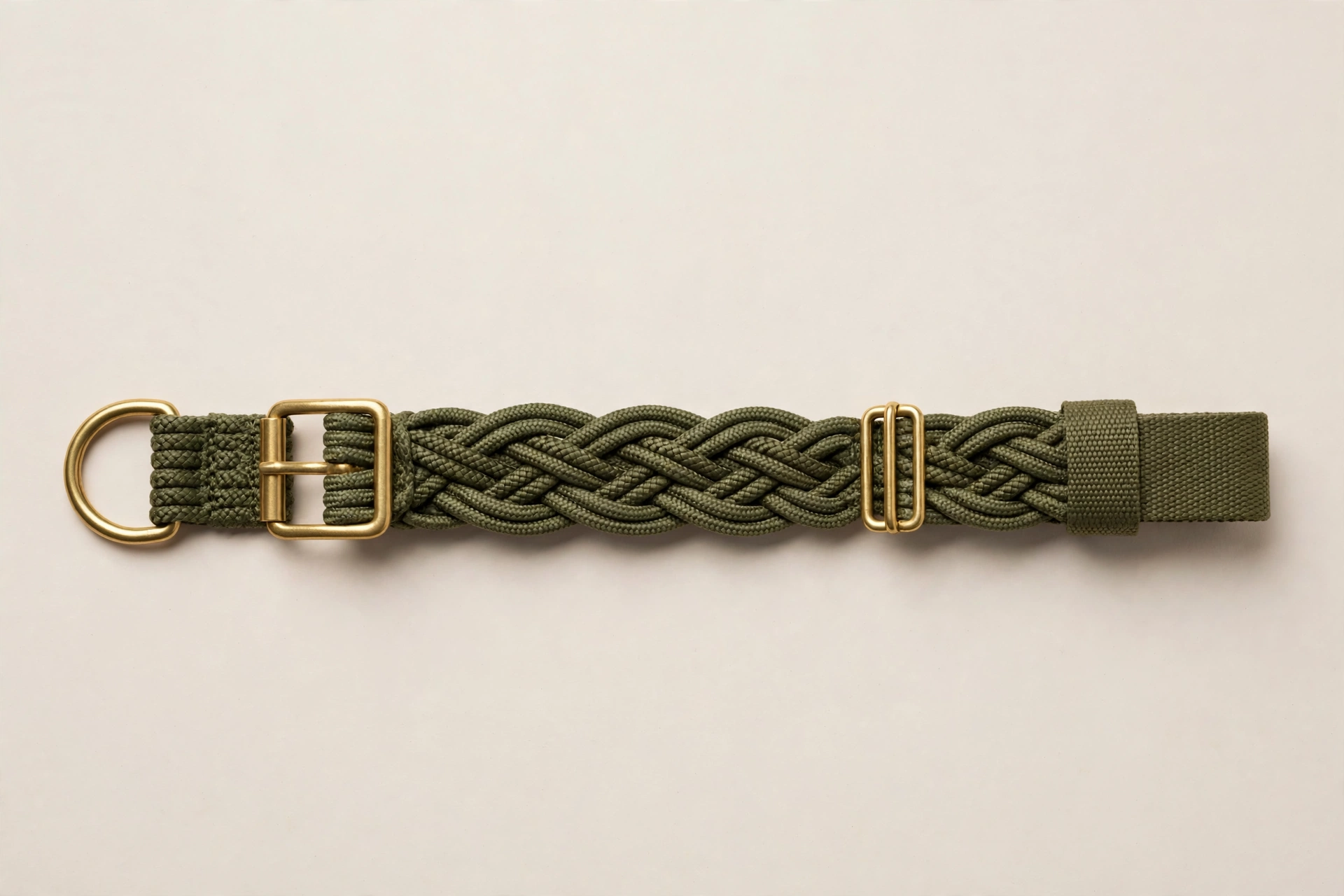
Corgis were bred to work all day, and the sporty ones hike, swim, and herd with enthusiasm. Mendota’s Double Braid collar suits that lifestyle: a smooth, rounded braided webbing that’s gentler on the neck ruff than standard flat nylon, fully waterproof for creek crossings, and fitted with solid brass hardware that won’t corrode. The 9/16-inch junior width is proportioned well for corgi necks, and the lifetime guarantee means it’s the last collar of its type you’ll buy. It pairs perfectly with Mendota’s matching snap leashes if you like a coordinated set. For the adventure corgi, this is the practical pick.
Ruffwear Knot-a-Collar
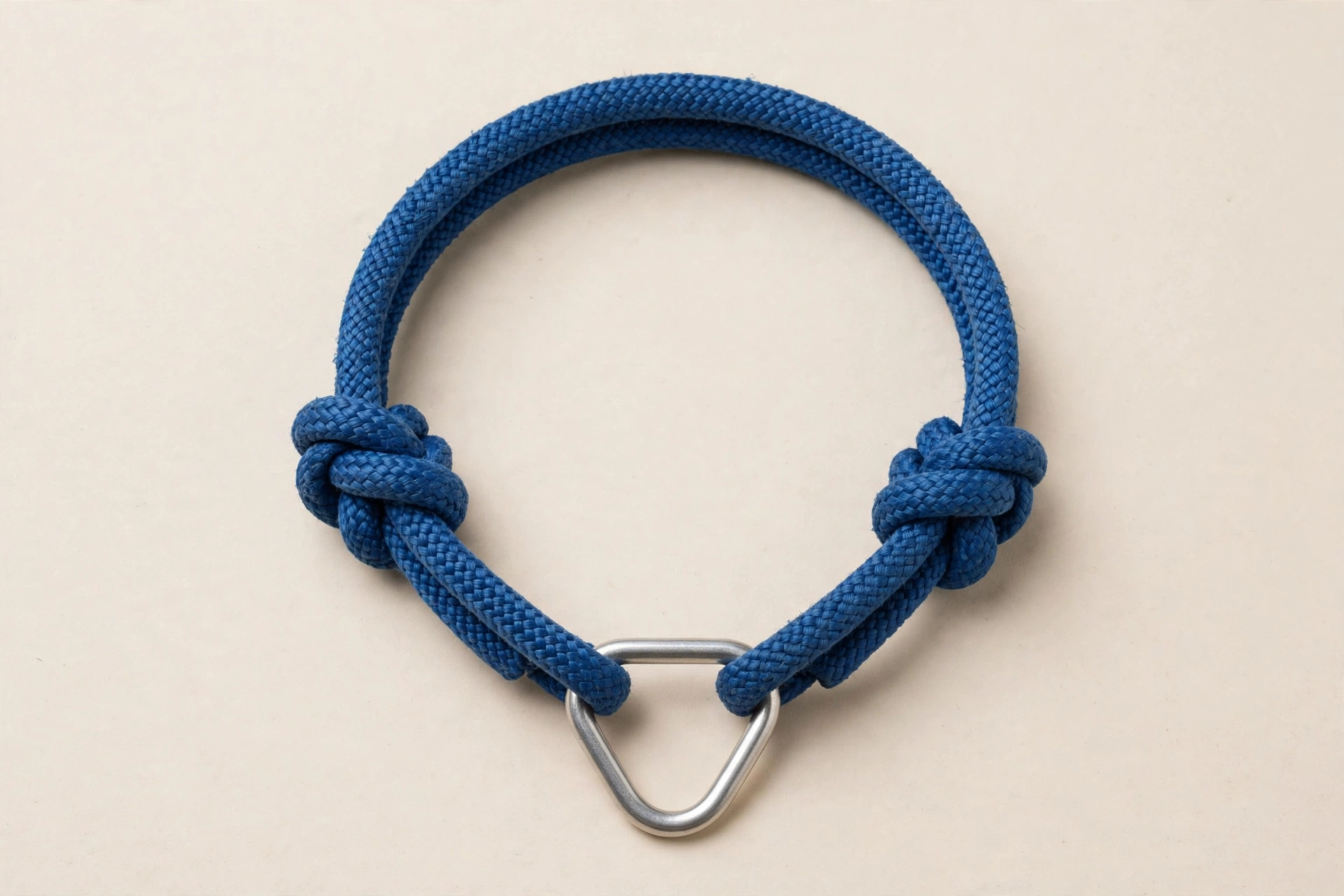
The Ruffwear Knot-a-Collar brings climbing-rope technology to the dog world: a low-profile rope collar adjusted with sliding fisherman’s knots rather than a buckle, with an aluminum V-ring for the leash and a separate quick-release tab for ID tags. For corgis, the appeal is twofold — the rope’s smooth, round profile doesn’t mat the ruff, and the knot adjustment lets you dial in a truly custom fit that defeats the slip-over-the-head trick. Integrated reflectivity adds night visibility, and the silicone tag silencer keeps things quiet. It’s a favorite among hiking-dog owners, and corgis that hit the trails will wear it well. The knot adjustment also means there’s no buckle to fail and no holes to stretch out — the fit stays exactly where you set it, walk after walk.
Buying Guide: Collars for Corgis
The corgi geometry problem
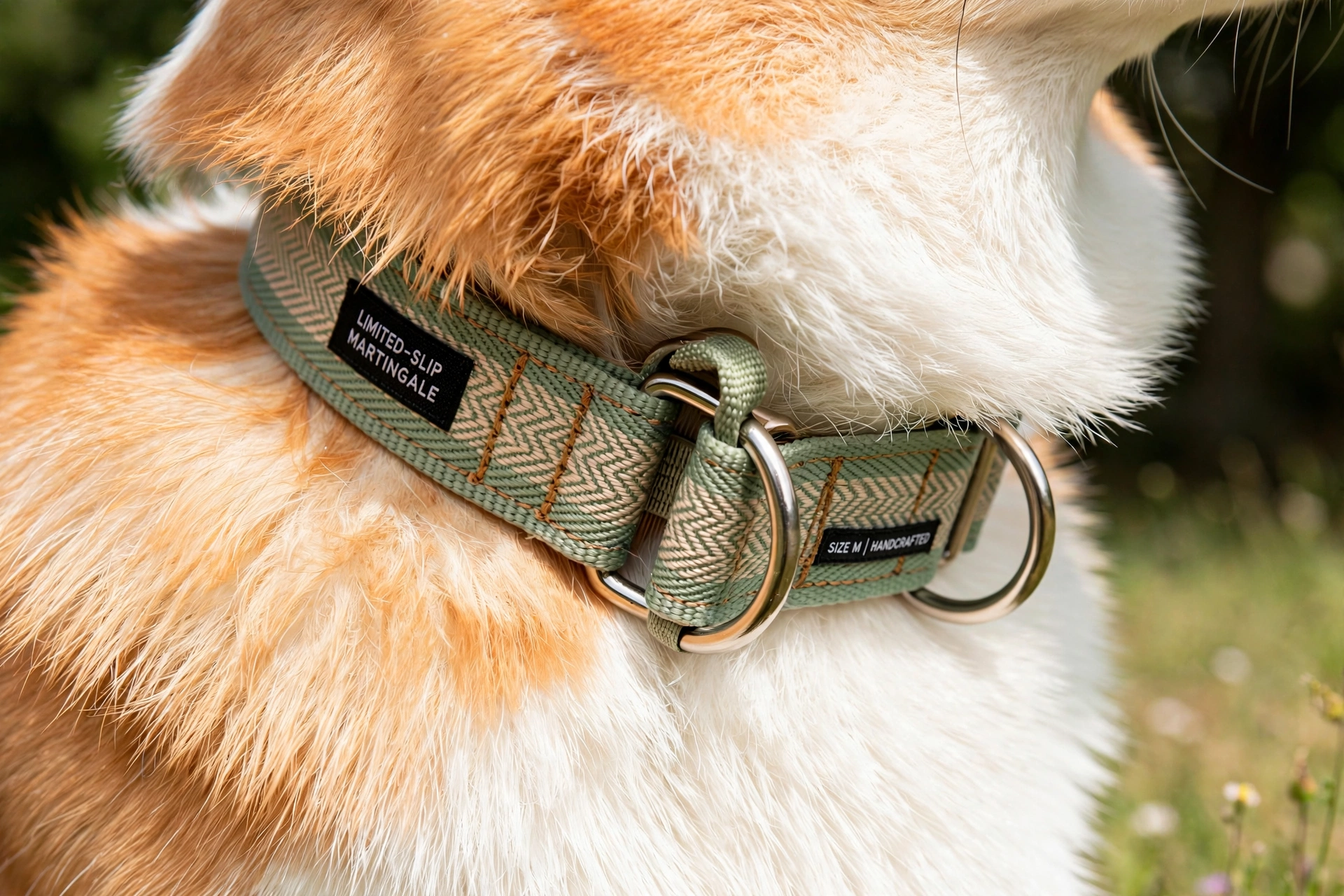
Here’s why corgis defeat ordinary collars: their heads are wedge-shaped and only slightly wider than their muscular necks, and the thick ruff around the neck compresses under a collar, effectively making the neck “smaller” than it measures. A collar fitted to the fluffed-up ruff measurement will be loose once the fur compresses — and off it comes with one good backward pull. The fix is fitting the collar to the compressed neck (press the ruff down when measuring) and favoring martingale or limited-slip designs that adapt to tension changes automatically.
Martingale vs. flat collar for corgis
For most corgis, I’d say a martingale is simply the right tool. It stays loose and comfortable when the dog isn’t pulling, then snugs down just enough to prevent escape when they lunge — no constant pressure, no choking. Flat collars work fine for calm, well-trained corgis that don’t test boundaries, especially padded ones that protect the ruff. What doesn’t work is a loose flat collar on an opportunistic corgi; that’s an escape waiting for a squirrel. If your corgi has never slipped a collar, a flat collar is fine. If they have, go martingale and don’t look back.
Sizing through the ruff
Measure around the middle of the neck with the ruff pressed flat, then add two inches. Most adult corgis land in the 14-to-18-inch neck range, but fluffy individuals can measure larger without actually needing a bigger collar — go by the compressed measurement. The two-finger rule still applies, checked with the fur pressed down. Re-check the fit after grooming or seasonal coat blows, when the ruff volume changes significantly.
Herding instinct and leash skills
Corgis are herders, which means they’re prone to sudden lunges, circling, and ankle-directed enthusiasm. A secure collar is safety equipment for a dog whose instincts fire at joggers, cyclists, and other dogs. Pair the collar with consistent loose-leash training — corgis are wicked smart and learn quickly, but they also learn exactly how much pulling you’ll tolerate. A front-clip harness can help during the training phase, with the collar handling ID duty.
Coat care around the collar
The corgi’s thick double coat sheds prodigiously and mats under a dirty or overly tight collar. Brush the neck area weekly, remove the collar for brushing sessions, and wash nylon collars monthly — a grimy collar plus loose undercoat is a recipe for hot spots. Padded and smooth-braid collars reduce friction matting noticeably compared to rough webbing. During heavy spring and fall sheds, check the collar fit more often; a shrinking ruff can leave a previously snug collar hanging loose.
Collar safety in multi-dog herding households
Corgis often live with other dogs, and collar safety gets extra attention in multi-dog homes. During rough play, a jaw can catch under another dog’s collar, creating a choking hazard for both dogs — this is true of all breeds but worth remembering with mouthy herding dogs that grab at necks and collars during play. The practical rules: remove collars for unsupervised play sessions, choose breakaway-style collars if your dogs wrestle unsupervised in the yard, and always supervise introductions between new dogs while collars are on. Martingales in particular should never be worn during dog-dog play, since the control loop adds a snag point. A few seconds of collar management prevents the rare but serious accidents that collar-safety campaigns warn about.
Visibility for a low-riding breed
At roughly a foot tall, a corgi is below many drivers’ sightlines, especially at dusk. Reflective collars, reflective leashes, and clip-on lights are cheap insurance for evening walks. Bright collar colors also help you spot your dog in tall grass or at the dog park — another small advantage that adds up for this ground-hugging breed.
Frequently Asked Questions
Why does my corgi keep slipping its collar?
The combination of a wedge-shaped head, thick compressible neck ruff, and enthusiastic backward pulling defeats loose flat collars. Measure with the ruff pressed flat, fit snugly to the two-finger rule, and switch to a martingale — its limited-slip design is specifically made for dogs shaped like corgis.
What size collar does a corgi need?
Most adult corgis wear a small or medium collar fitting 14-to-18-inch necks, but always measure your own dog with the ruff compressed. Puppies grow fast, so buy an adjustable collar and expect to size up at least once during the first year.
Are martingale collars safe for corgis?
Yes — martingales are among the safest collar choices for corgis because they only tighten to a preset limit and can’t choke like a slip chain. Fit them so the control loop just closes without squeezing when pulled taut, and never leave a martingale on an unsupervised dog.
Should corgis wear harnesses instead of collars?
Many corgi owners use both: a harness for walks (especially for pullers) and a collar for ID tags. Harnesses distribute pressure across the chest, which suits the corgi’s long back and short legs. Just be aware that some harnesses mat the chest and armpit coat, so check those areas during brushing. For training loose-leash walking, a front-clip harness gives you steering leverage that no collar can match, and you can always transition back to collar-only walks once the training sticks.
How do I stop collar matting on my corgi’s neck?
Choose a smooth or padded collar, remove it for brushing, brush the neck ruff weekly, and wash the collar regularly. Rolled or braided collars mat less than rough flat webbing. During heavy shedding seasons, daily quick brush-outs of the neck area prevent the undercoat from felting under the strap.
Can corgis wear their collars all day?
A comfortable flat collar can stay on for ID during the day. Remove martingales after walks, take any collar off for crate time, and give the neck a break indoors when possible — the ruff will thank you.
Do corgis need reflective collars?
Strongly recommended. A corgi’s low height makes them hard for drivers to see after dark, and reflective stitching or trim meaningfully improves visibility. It’s one of the cheapest safety upgrades you can buy.
What collar is best for a corgi puppy?
Start with a lightweight adjustable flat collar for a young puppy, then transition to a martingale around six months when the neck shape fills out and the escape-artist phase begins. Puppies grow quickly, so check the fit weekly and expect to size up at least twice in the first year. Keep early collar experiences positive with treats — a puppy that likes its collar is a puppy that’s easier to handle for life.
Related Buying Guides
The verdict
The PetSafe Martingale Collar with Quick-Snap Buckle is my top pick for corgis: it solves the breed’s signature escape problem with gentle limited-slip action, clips on easily, and stays comfortable on the ruff all walk long. Fit it to the compressed neck, not the fluff, and your corgi’s Houdini days are over. It’s the rare piece of dog gear that solves a breed-specific problem so completely you’ll wonder why every corgi owner doesn’t start here.
One Comment