
If you’ve ever wondered what a limited slip dog collar is, you’ve probably also seen it called a martingale collar — the two names describe the same clever design. I bought my first one for a rescue dog who could back out of a flat collar in about three seconds flat, and it solved the problem the same day. Here’s what makes these collars different, who they’re for, and how to tell one apart from the training collars they get confused with.
The Limited Slip Design, Explained
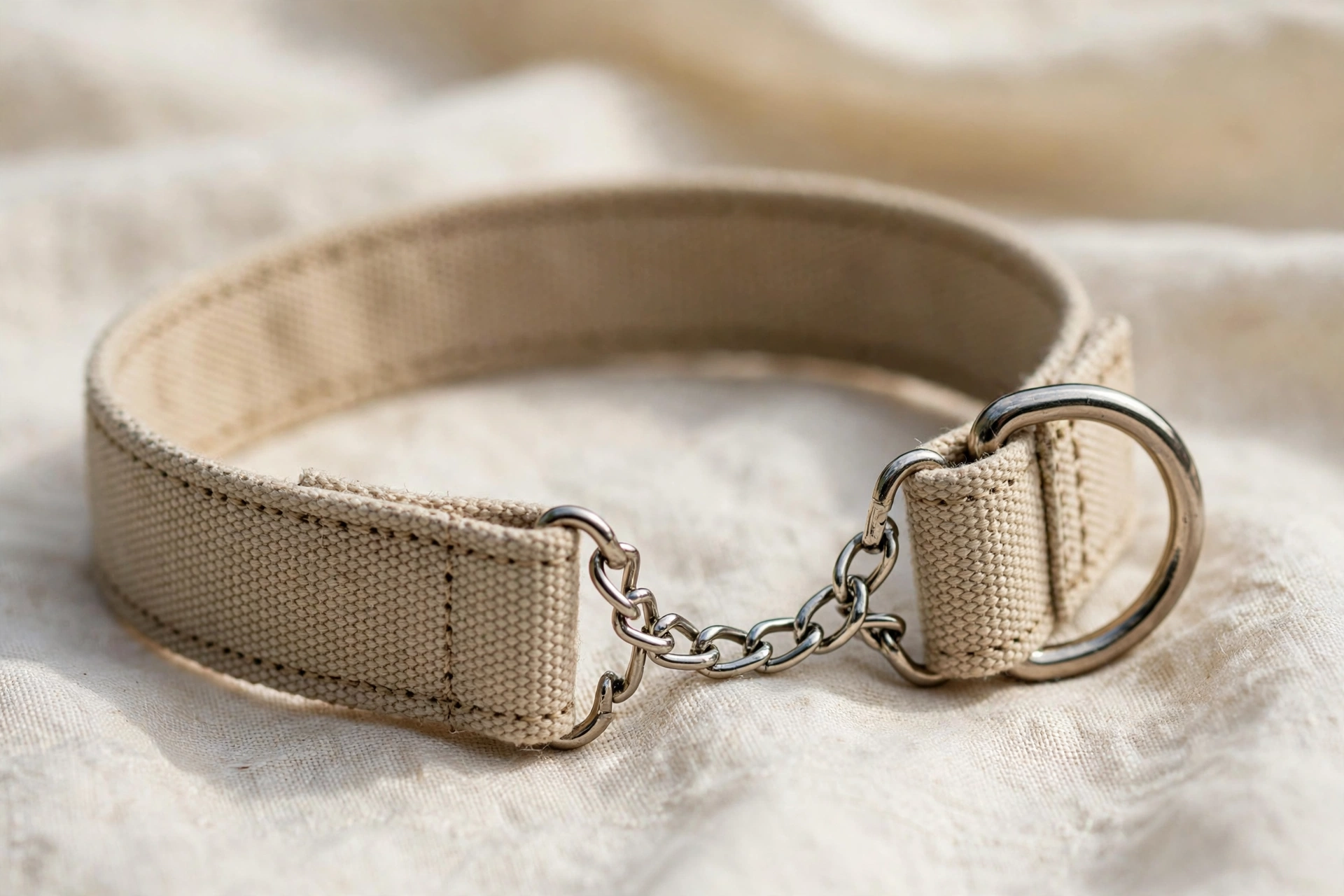
A limited slip collar is built from two connected loops instead of one. The larger loop encircles the dog’s neck, and a smaller secondary loop — the “control loop” — carries the D-ring where the leash attaches. When the dog pulls or backs up, leash tension draws the control loop tighter, which gently snugs the main loop around the neck. The instant the dog stops pulling, everything relaxes back to the resting fit.
The word “limited” is the key engineering detail: the control loop can only shorten so far, so the collar physically cannot keep tightening the way a choke chain can. That built-in stopping point is what separates a limited slip collar from unlimited-slip designs.
Martingale vs. Limited Slip: Are They the Same Thing?
Yes — “martingale collar” and “limited slip collar” are two names for the same mechanism. “Martingale” is the common name in the pet world; “limited slip” is the descriptive term you’ll see from trainers, sighthound rescues, and equipment makers. You’ll also hear “Greyhound collar,” since sighthound owners popularized the design.
The variations within the family come down to materials: fabric martingales use nylon or cotton webbing for the control loop, while chain martingales use a short length of metal chain. Both work identically; the chain versions tend to release more crisply and suit dogs that chew or get their collars filthy, while fabric versions are quieter and lighter.
Who Is a Limited Slip Collar For?
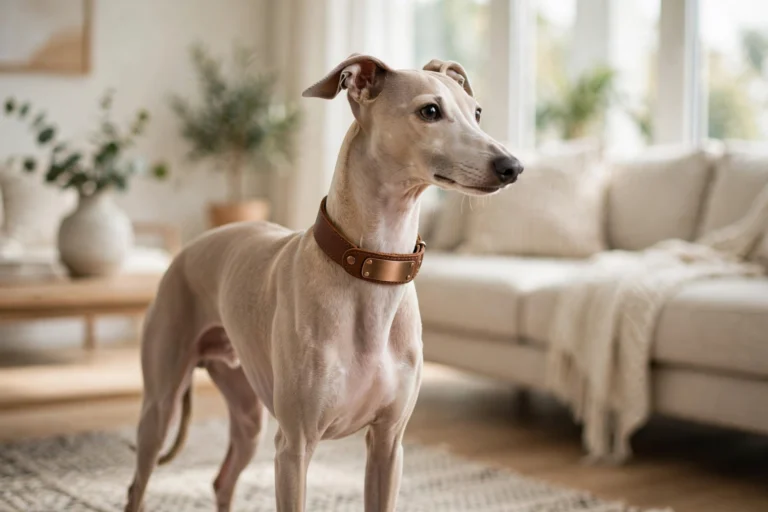
These collars were designed for sighthounds — Greyhounds, Whippets, Salukis, Italian Greyhounds — whose heads are narrower than their necks, making standard collars easy to slip off. But they’re genuinely useful for any dog that backs out of collars: nervous rescue dogs, Houdini puppies, and strong pullers who’ve learned the “reverse and duck” maneuver.
They’re also a favorite of trainers working on loose-leash manners, because the gentle tightening gives the dog clear feedback without the concentrated pressure of a choke chain or the aversive punch of a prong collar. I’ve recommended them to friends whose dogs aren’t aggressive pullers but are simply slippery.
Limited Slip Collars for Dogs: Which Dogs Benefit Most
Limited slip collars for dogs work best for any dog that can back out of a standard flat collar. The classic case is sighthounds — Greyhounds, Whippets, Salukis, and Italian Greyhounds have heads narrower than their necks, so flat collars slide right off. But the same design helps nervous rescue dogs that panic and reverse on walks, wiggly puppies that squirm free, and strong pullers that have learned the back-up-and-duck escape.
For all of these dogs, the appeal is the same: the collar tightens just enough to stay on, then releases the moment the dog stops pulling, because the control loop can only shorten to its built-in limit. That makes limited slip collars a practical everyday walking tool for escape-prone dogs, not just a training device. Correct fit matters more than brand — see our step-by-step guide on how to adjust a martingale collar before the first walk.
How It Differs From Other Training Collars
Limited slip vs. choke chain
A choke chain has no stopping point — the harder the dog pulls, the tighter it gets, with nothing limiting the pressure. A limited slip collar stops tightening at a fixed point. This is the single most important difference, and it’s why trainers who won’t touch choke chains will happily use martingales.
Limited slip vs. slip lead
A slip lead is a leash and collar in one that tightens without limit around the neck — great as a temporary vet-office or shelter tool, not ideal as everyday equipment. A limited slip collar gives you the same “can’t back out of it” security with the safety of a built-in limit.
Limited slip vs. prong collar
Prong collars work by concentrating pressure at metal points to create discomfort; limited slip collars work by distributing pressure evenly to prevent escape. Different mechanisms, different welfare profiles.
Fitting Basics
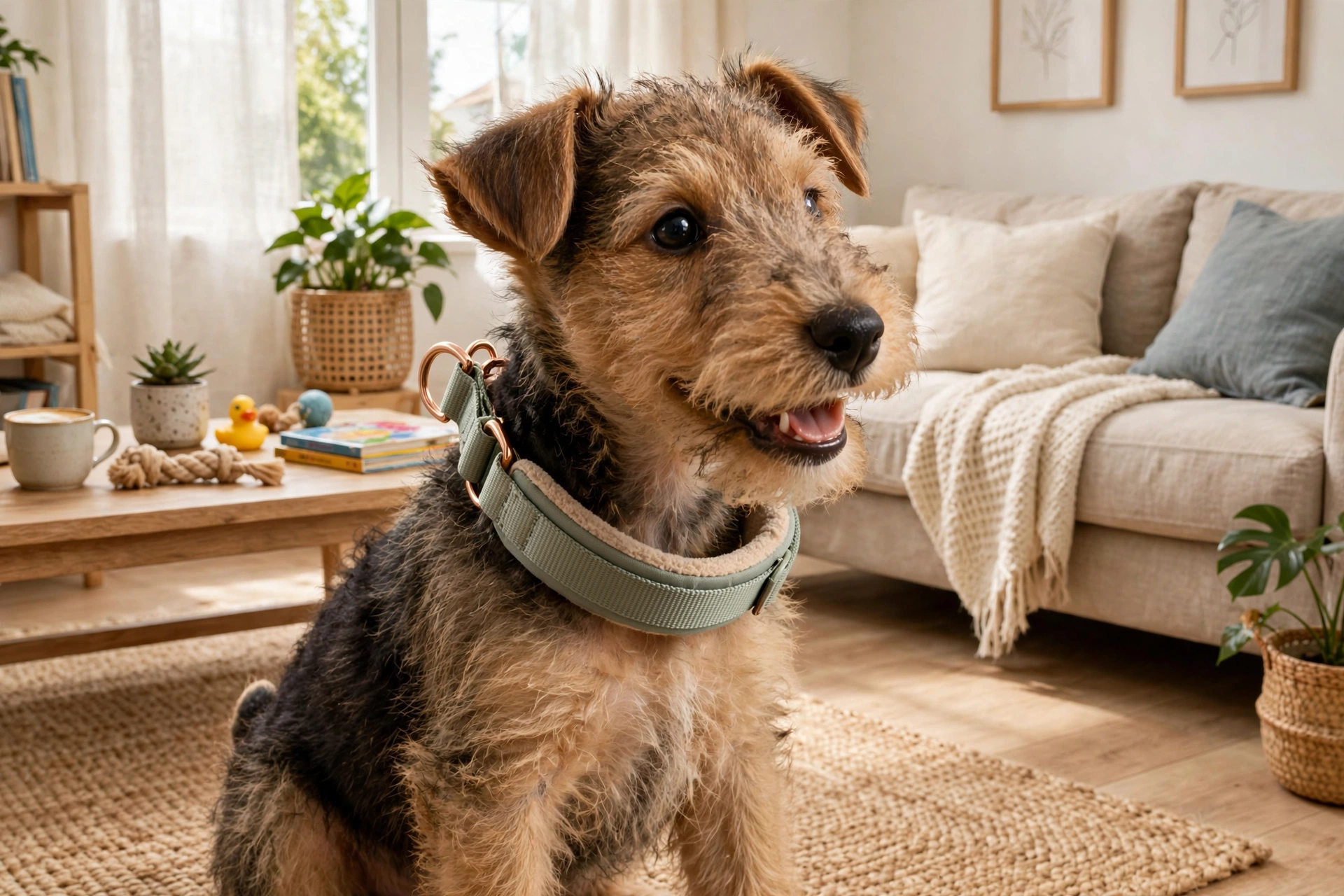
Fit is everything with this design. At rest, the collar should sit snug — two fingers should slide under it with mild resistance. When you pull the control loop closed the way a leash would, the two rings at its ends should come to within about an inch of each other without the main loop crushing the neck. Too loose and the dog slips it; too tight at rest and it loses its give-and-release action. I check the fit every few weeks, since webbing stretches and dogs’ weight fluctuates.
Safety Notes Worth Knowing
Like any collar with a loop, a limited slip collar should come off when the dog is crated, playing unsupervised, or romping with other dogs — the control loop can snag. It’s a walking and training tool, not an all-day-every-day collar for most dogs. And it’s not a substitute for training: it keeps a pulling dog safely attached, but it doesn’t teach loose-leash walking on its own.
Choosing the Right Limited Slip Collar
Once you understand the mechanism, picking one comes down to materials and construction. For the main loop, look for tightly woven nylon or cotton webbing at least 3/4 inch wide for small dogs and 1 to 1.5 inches for medium and large dogs — wider webbing distributes pressure better and is less likely to roll or dig. The stitching should be dense and even, especially where the loops join the hardware; loose or sparse stitching is the most common failure point I’ve seen on cheap collars.
For the control loop, decide between fabric and chain. Fabric control loops are quieter, lighter, and gentler — a good default for most pet dogs. Chain control loops (usually nickel-plated or stainless steel) release a fraction more crisply and survive chewing and heavy grime, which is why working-dog handlers favor them. Either way, check that the two rings joining the loops move freely and aren’t rough or sharp.
Sizing deserves care: measure your dog’s neck at its midpoint, add roughly two inches, and choose a collar whose adjustable range centers on that number rather than sitting at one extreme. A martingale adjusted to the very end of its slider has no room to adapt as the webbing stretches. And always buy from a maker that lists the tightening limit — reputable limited slip collars are designed so the control loop can only close to a safe, specified minimum circumference.
Frequently Asked Questions
Is a limited slip collar the same as a martingale?
Yes. The terms describe the identical two-loop mechanism. “Limited slip” emphasizes the safety feature — the collar can only tighten to a preset limit — while “martingale” is the traditional name.
Can puppies wear limited slip collars?
Yes, provided the collar is sized to the puppy and re-adjusted frequently as they grow. They’re actually a good choice for wiggly puppies that squirm out of flat collars, as long as an adult checks the fit weekly.
Will a limited slip collar stop my dog from pulling?
Not by itself. It gives clearer feedback than a flat collar and prevents the dog from escaping, which makes training easier — but lasting loose-leash walking comes from reward-based training, not hardware.
Are chain or fabric control loops better?
Chain loops release a touch more crisply and stand up to chewing and grime; fabric loops are quieter, lighter, and gentler on sensitive skin. For most pet dogs, either works — pick based on your dog’s coat, habits, and your noise tolerance.
Can my dog wear one all the time?
It’s safer to use a limited slip collar for walks and outings, then switch to a plain flat collar with ID tags at home. The control loop is a snag risk in crates and during unsupervised play.
What are the best limited slip collars for dogs that pull?
Any well-fitted limited slip collar will keep a pulling dog safely attached, because the design cannot slip off no matter how hard the dog backs up. Fit matters more than brand: follow our guide on how to adjust a martingale collar so the control loop closes correctly. For training options beyond martingales, see our guide to the best slip collars for dog training. Remember that no collar teaches loose-leash walking by itself — pair it with reward-based training.
Are limited slip collars safe for dogs?
Yes, when they are fitted correctly and used for walks and training. The built-in tightening limit is what makes limited slip collars safer than choke chains, which can keep tightening without limit. Remove the collar for crating, unsupervised play, and romping with other dogs, since the control loop can snag — the same rule applies to any collar with a loop.
Related Buying Guides
Related Reading
- How to Adjust a Martingale Collar — step-by-step fitting for the perfect limited-slip fit
- Prong Collar vs Martingale Collar — how limited slip compares to prong collars
2 Comments