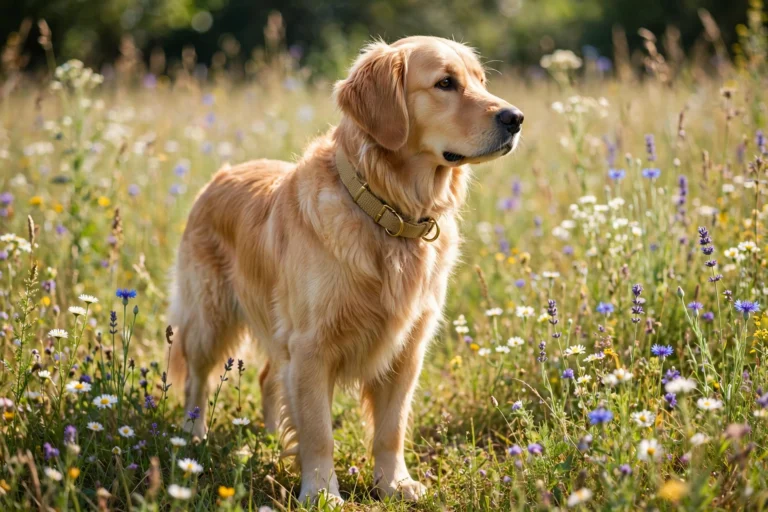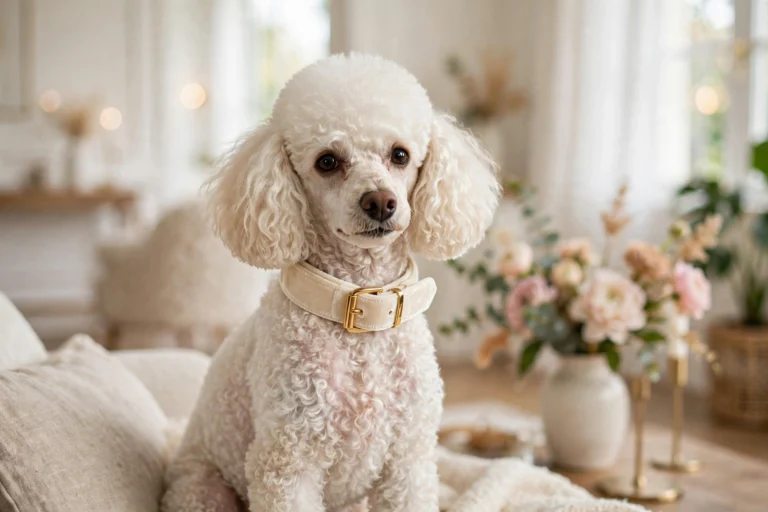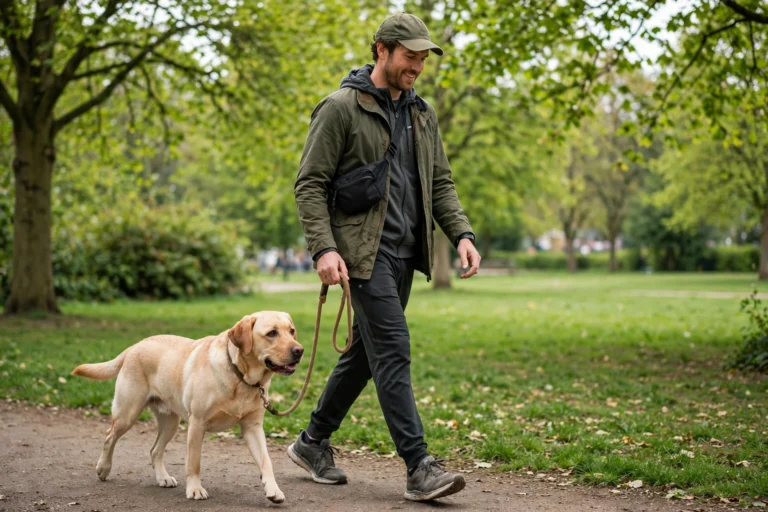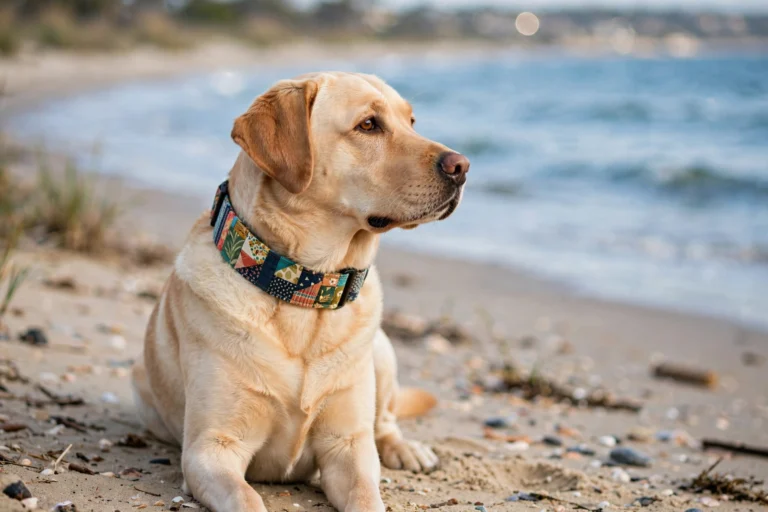
Senior dogs — generally seven and up, earlier for giant breeds — need collars chosen for comfort first and everything else second. The best collars for senior dogs are lightweight, softly padded, easy to fasten with arthritic human hands as well as stiff canine necks, and reflective enough to keep a slow-moving, possibly vision-impaired dog visible. The priorities flip from the dog’s youth: control matters less than kindness, because an older dog is not going to out-pull you — but a heavy, stiff, or chafing collar will genuinely diminish an old dog’s quality of life. This guide covers five collars suited to aging dogs’ needs and explains how senior-specific concerns like arthritis, skin thinning, and cognitive decline should reshape what you buy.
Affiliate disclosure
As an Amazon Associate, I earn from qualifying purchases. If you buy through a link on this page, I may earn a commission at no extra cost to you.
⚡ The short answer
🥇Comfort Fit Soft Padded CollarBest overall→🥈Joytale Neoprene Padded ReflectiveVisibility + comfort→🥉Colenumone Soft Padded CollarSensitive skin→
Quick Picks: Best Collars for Senior Dogs at a Glance
| Product | Best for | Standout feature |
|---|---|---|
| Comfort Fit Soft Padded Collar | Best overall | Pillow-like padding, ultralight |
| Joytale Neoprene Padded Reflective | Visibility + comfort | Neoprene padding, 360° reflective |
| Colenumone Soft Padded Collar | Sensitive skin | Ultra-soft fabric, lightweight |
| PWOD Reflective Neoprene Collar | Night safety | 360° reflective straps, neoprene |
| Blueberry Pet Essentials | Lightweight everyday | Featherlight, eco-friendly buckle |
5 Collars That Treat Old Dogs Gently
I chose every collar below for the same reason: it disappears on the dog. Light weight, soft padding, and hardware that does not fight arthritic fingers — because the best senior collar is the one the old dog never notices.
Comfort Fit Soft Padded Collar
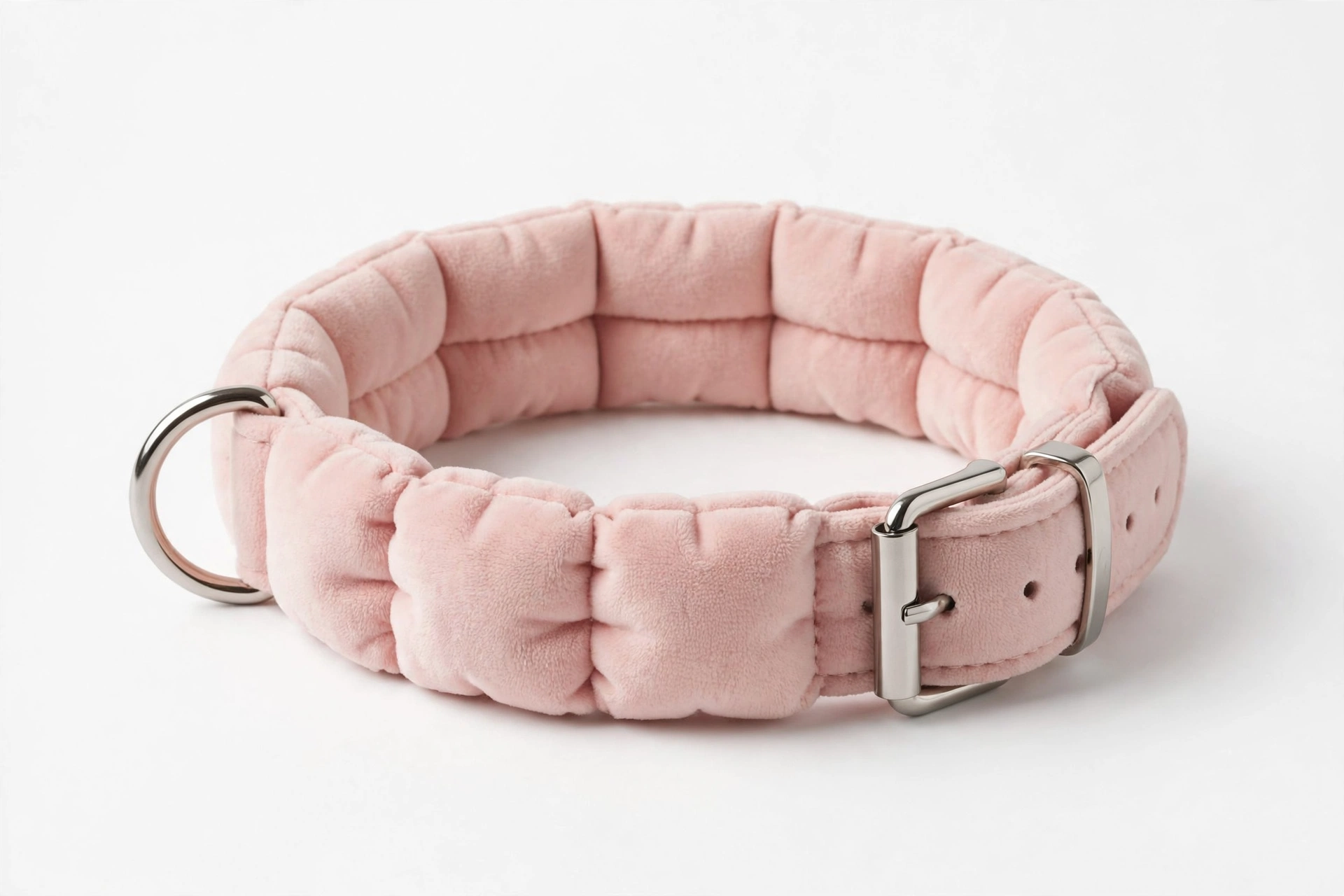
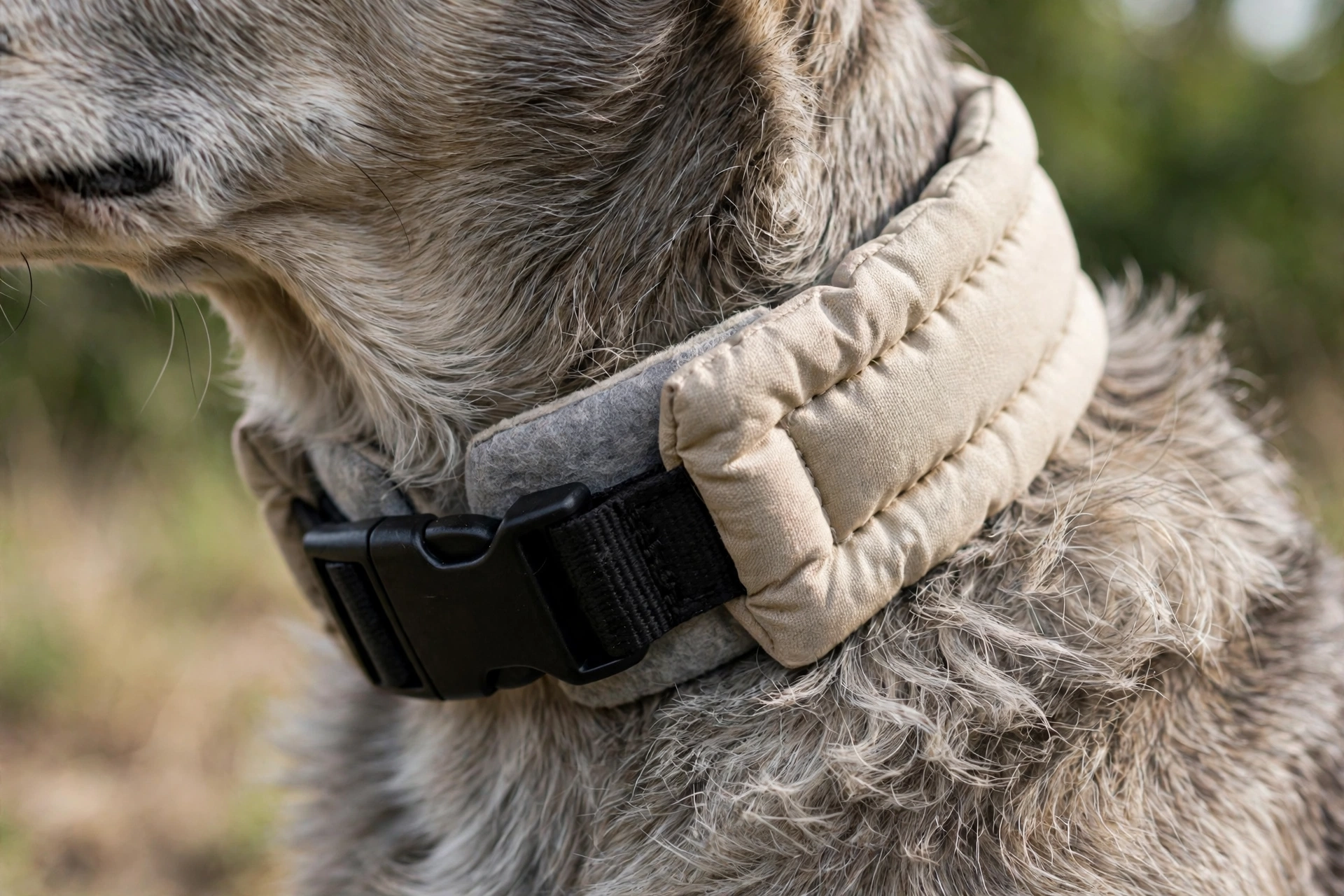
If I had to put one collar on every senior dog I know, it would be this style: a soft padded interior the maker describes as “pillow-like,” designed specifically to reduce strain on the neck, in a collar that weighs just over two ounces in the larger sizes. The adjustable design uses reinforced eyelets and an easy buckle rather than a fiddly slider, and the large D-ring makes leash attachment simple for stiff hands. For old dogs with neck arthritis, trachea sensitivity, or simply thin, delicate skin, this pillow-padding concept is exactly right — comfort engineered in, not added on.
Joytale Neoprene Padded Reflective Collar
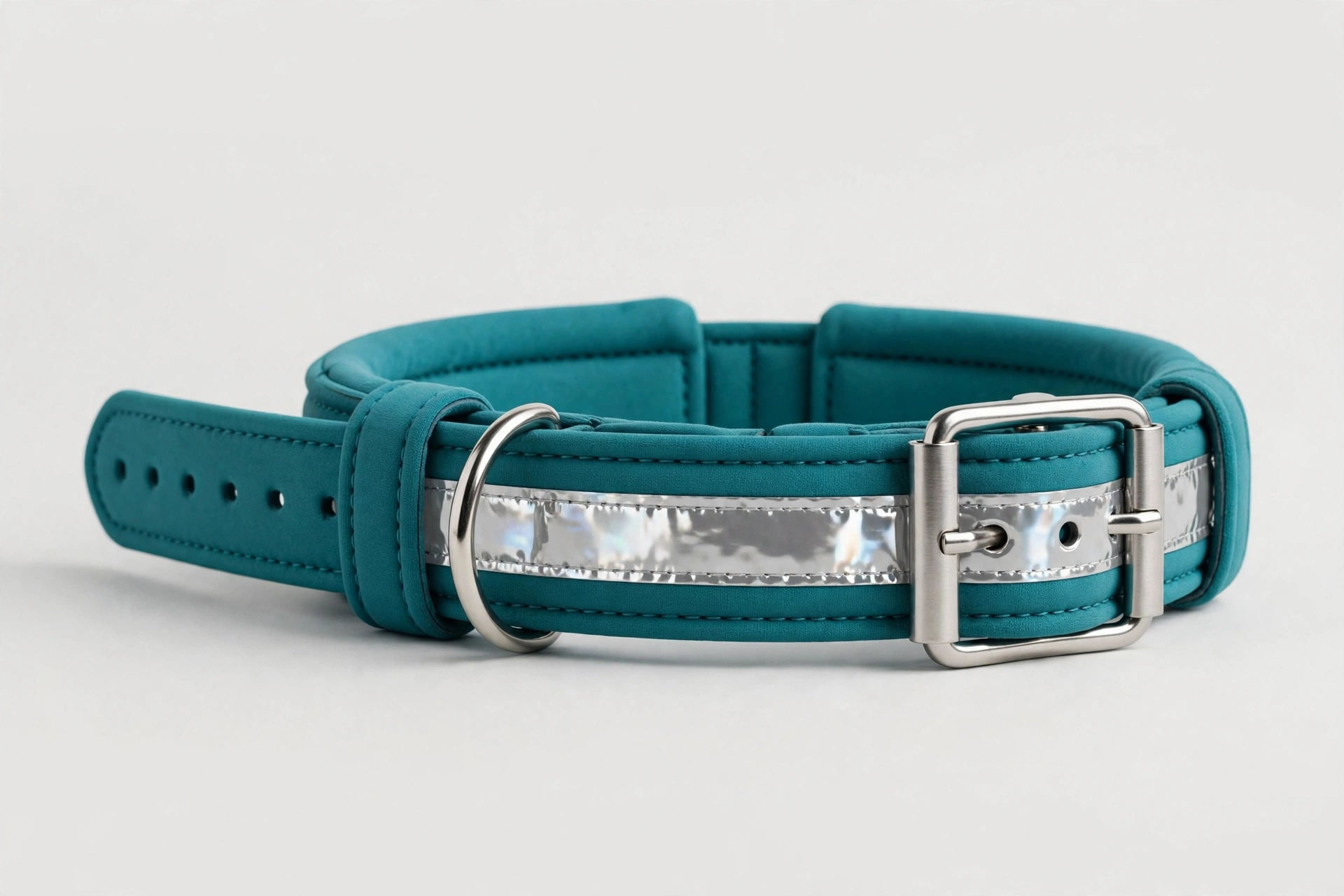
Senior dogs move slowly, sometimes unpredictably, and often in low light — I consider reflectivity non-negotiable for them. The Joytale collar wraps 360-degree reflective stitching around a neoprene-padded, double-layer nylon body, so the dog stays visible from every angle after dark. The neoprene padding absorbs the small shocks of leash tension (kinder on arthritic necks than bare webbing), the metal pin buckle is easy to work, and it comes in sizes up to XL for big old dogs. My pick for the senior who still insists on the evening stroll.
Colenumone Soft Padded Collar
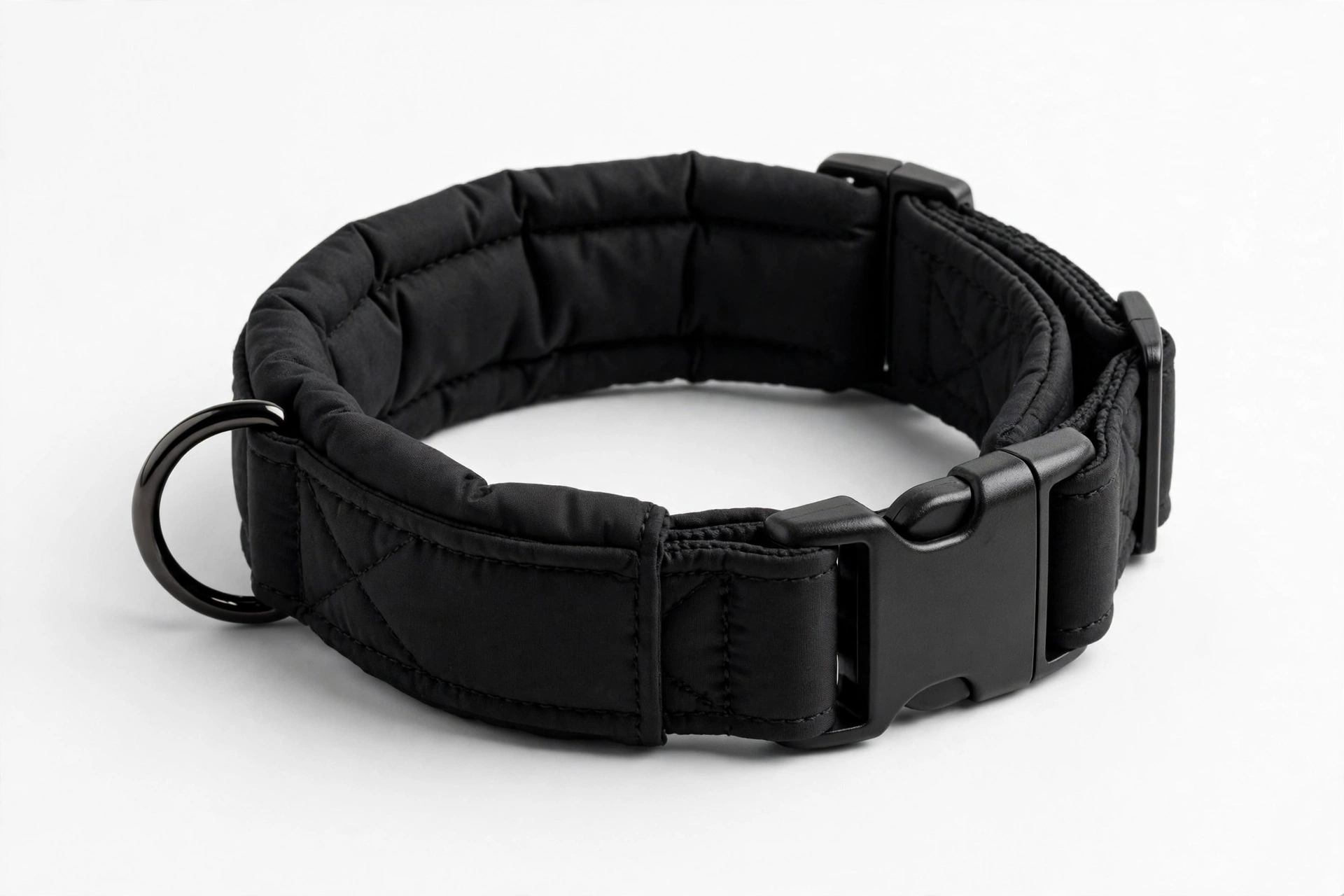
Old skin is thin skin — it tears, chafes, and heals slowly. The Colenumone collar addresses that directly with an ultra-soft padded fabric interior and a wide profile that spreads contact, specifically marketed for sensitive dogs and all-day wear. The quick-release buckle keeps on-off simple, the metal D-ring is weather-resistant, and the whole collar stays lightweight despite the padding. I recommend this one for seniors with a history of collar rub, hot spots under the collar line, or post-surgical neck sensitivity (with vet approval).
PWOD Reflective Neoprene Collar
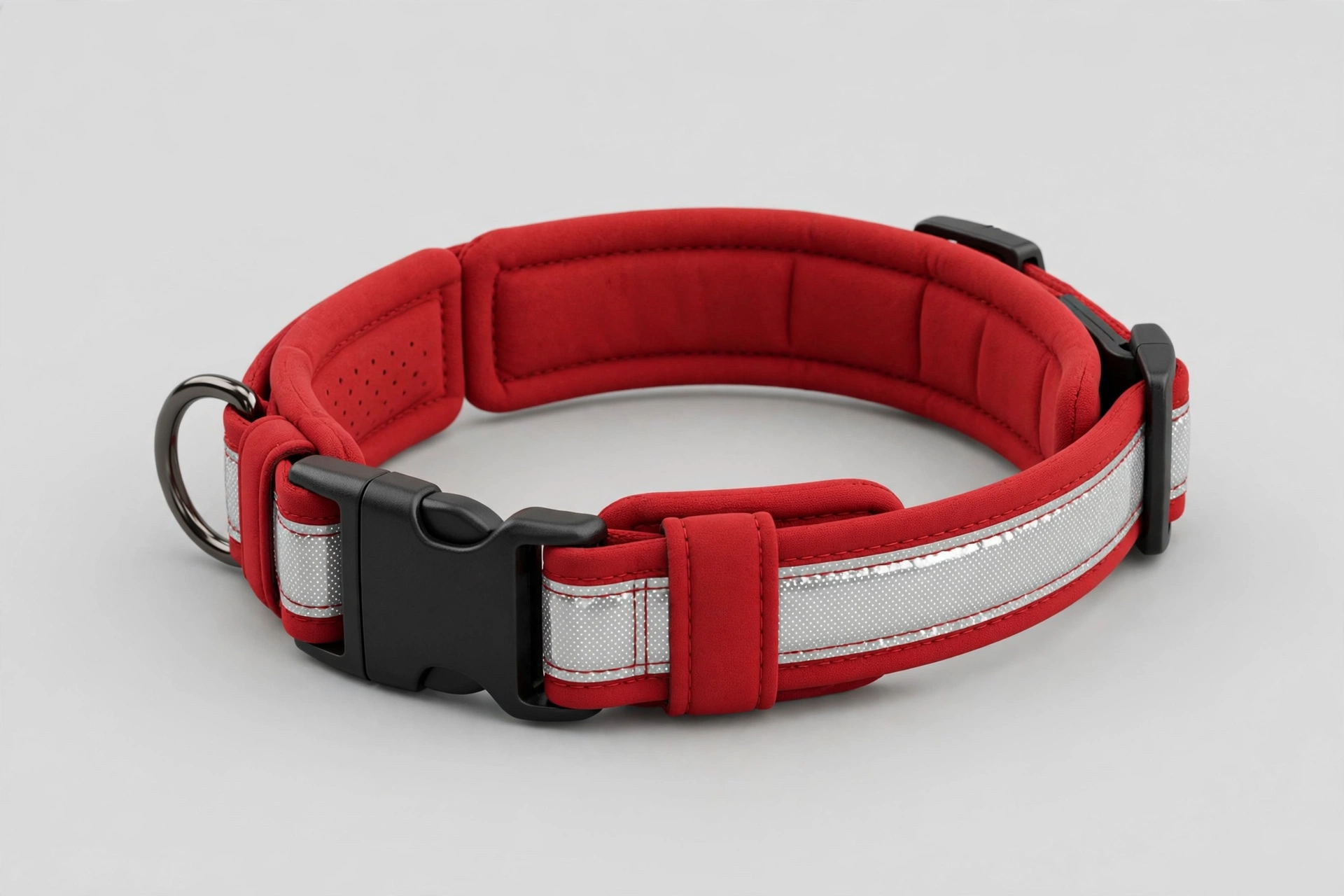
The PWOD collar doubles down on the two things senior night walks need: 360-degree reflective straps for maximum visibility and a soft neoprene-padded nylon body that will not irritate a thin-coated old neck. The quick-release ABS buckle is light and easy to operate, the fit adjusts across five sizes, and a separate tag loop keeps ID from jangling against the buckle. It is a simpler, lighter alternative to the Joytale above — my pick when the senior is small or when every ounce matters.
Blueberry Pet Essentials Collar
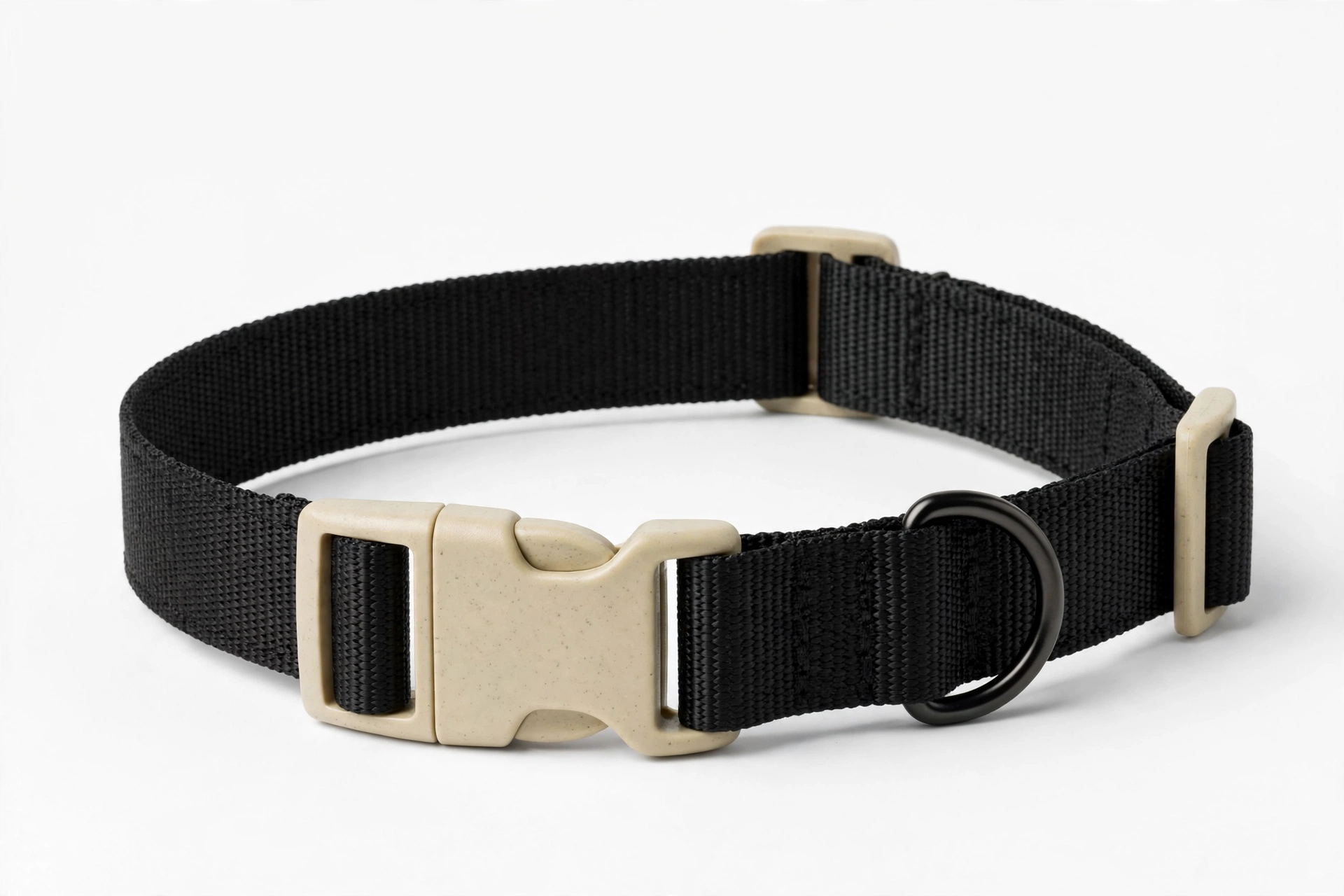
Sometimes the kindest collar is simply the lightest one. Blueberry Pet’s Essentials collar in high-density nylon with an eco-friendly plastic buckle weighs almost nothing, adjusts easily, and does the everyday job — ID tags, leash attachment, wipe-clean simplicity — without burdening an old neck. I like it as the “house collar” for seniors: the always-on, forget-it-is-there piece, paired with a padded walking collar for outings. Award-winning brand, proven durability, minimal fuss.
Buying Guide: What Senior Dogs Need From a Collar
Buying for a senior dog means re-ranking every collar criterion you used in the dog’s youth. Strength and style step back; softness, weight, and ease step forward. Here is how I think through it.
Weight: every ounce counts now
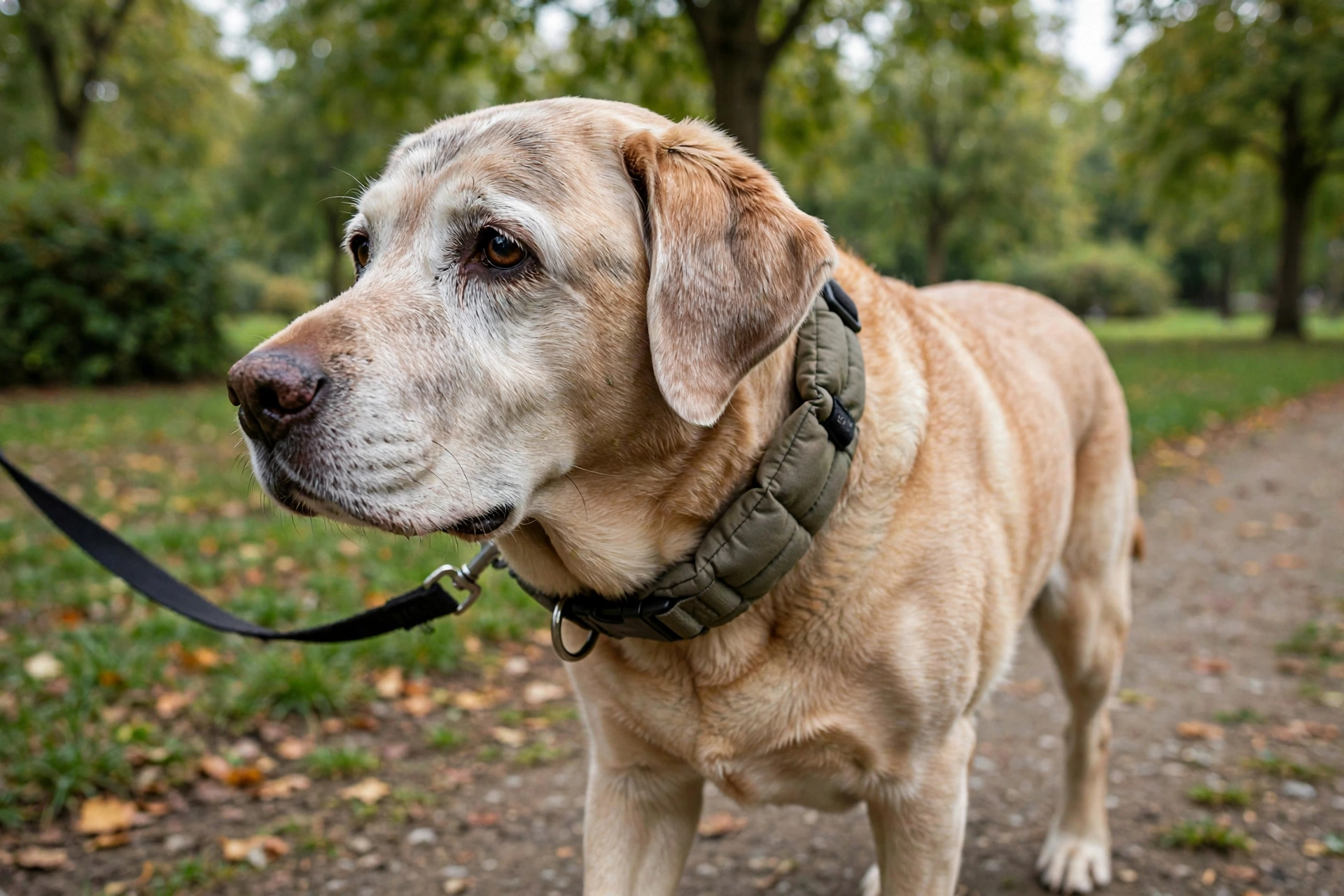
A young dog never notices a four-ounce collar. A 14-year-old with cervical arthritis does. I look for collars under three ounces for small seniors and as light as reasonably possible for large ones — which usually means padded nylon or soft fabric rather than heavy leather or chain. If you can feel the collar’s weight in your hand, the old dog feels it on the neck all day.
Padding for thin skin and bony necks
Senior dogs lose muscle mass and subcutaneous fat, leaving bony prominences with less natural cushioning; their skin also thins and tears more easily. Pillow-style padding (Comfort Fit), neoprene linings (Joytale, PWOD), or ultra-soft fabric interiors (Colenumone) all solve the same problem: distributing contact so no single edge digs in. I check the collar’s underside with my fingertip — if I can feel a hard edge or rough seam, the dog’s thin skin will feel it too.
Buckles your hands can work
Here is the part nobody talks about: senior-dog owners are often seniors themselves, and stiff, arthritic fingers struggle with small, stiff buckles. I prefer large, smooth-action side-release buckles or simple pin buckles with big holes — hardware you can operate without looking, even with gloves on. Avoid tiny buckles, fiddly sliders, and anything requiring real thumb strength. The human’s arthritis matters as much as the dog’s.
Visibility for fading senses
Senior dogs lose vision and hearing, which makes them less responsive to hazards and harder to recall — and their slower reactions give drivers less margin. Reflective collars (woven-in threading, not printed) meaningfully improve dusk-and-dawn safety, and I consider them standard equipment for any senior walked in low light. Pair with a reflective leash for the full effect.
Fit as the body changes
Old dogs’ bodies change in both directions: muscle wasting slims the neck while reduced activity adds weight elsewhere. As dogs age, their needs shift in predictable ways — see Wikipedia’s overview of aging in dogs. I recheck collar fit monthly on seniors — the two-finger rule still applies, but watch for new pressure points as the neck’s shape changes. Also watch for collar-related coughing that is new: in seniors, it can signal tracheal weakening or other conditions worth a vet visit, not just a too-tight collar.
ID matters more, not less
Canine cognitive dysfunction — doggy dementia — causes disorientation, and a confused senior that slips out is less able to find home than a young dog. Keep ID tags current and consider a collar with an embroidered phone number as backup to hanging tags. If your senior ever wanders, that phone number on the collar is the fastest way home.
When the collar becomes a health monitor
I pay attention to how a senior tolerates the collar over time, because changes tell a story. A dog that suddenly resists collaring may have neck pain worth investigating. New rubbing or hair loss under a long-worn collar can signal skin changes or Cushing’s-related skin thinning. Increased coughing when the leash tightens deserves a vet visit, not just a softer collar. The collar is in daily contact with the dog — treat what you notice there as data, and bring observations to checkups.
Travel and routine: keep the gear consistent
Senior dogs lean hard on routine, and I keep their gear boring on purpose: the same lightweight house collar every day, the same padded walking collar for outings, the same leash. Familiar equipment means one less novel stressor on vet-visit days or trips. If you board a senior or use a sitter, send the usual collar and a written note on how it fastens — a confused old dog handled with unfamiliar gear by an unfamiliar person is a recipe for a bad day.
Frequently Asked Questions
Should senior dogs wear collars all the time?
A lightweight, soft flat collar with ID tags is fine for all-day wear on most seniors — and I recommend it, because confused older dogs do slip out. Remove the collar for crate time and switch to a padded walking collar for outings if the house collar is minimal. The key is that the all-day collar must be genuinely comfortable, not merely tolerated.
What is the most comfortable collar for an old dog?
Padded collars with soft interiors — pillow-style padding, neoprene, or soft fabric — in the lightest weight that still holds up. Avoid narrow unpadded nylon, heavy leather, and chain on seniors; all three concentrate pressure or add weight that old necks feel.
My senior dog coughs when the leash pulls. What should I do?
First, see your vet — new coughing in a senior can indicate tracheal collapse, heart issues, or other conditions that need diagnosis, not just gear changes. In parallel, switch leash attachment to a harness to take pressure off the neck entirely, and use the collar for ID only. Do not just buy a softer collar and hope the cough resolves.
Are harnesses better than collars for senior dogs?
For walking, often yes — a well-fitted harness removes neck pressure completely, which helps dogs with arthritis, trachea issues, or collapsing episodes. I recommend a harness-plus-collar system for most seniors: harness for the leash, lightweight collar for ID. Make sure the harness does not rub the armpits, a common senior complaint.
How do I put a collar on a dog with neck pain?
Use a buckle collar rather than anything that slips over the head — lifting a painful neck through a loop hurts. Open the buckle, wrap the collar around the neck without lifting the head, and fasten gently. If the dog flinches, yelps, or guards the neck, stop and consult your vet before continuing; neck pain in seniors deserves diagnosis.
Do senior dogs need reflective collars?
I think so, yes. Fading vision makes seniors less aware of traffic, slower reactions give drivers less time, and many seniors are walked at dawn or dusk when light is poor. Reflective threading is cheap insurance — there is no comfort downside, so there is no reason to skip it.
What collar is best for a senior dog that pulls?
First, rule out pain — some seniors pull because stopping hurts (arthritis makes standing still uncomfortable) or because they are anxious. For the mechanical problem, I move leash attachment to a front-clip harness and keep the collar for ID. For the underlying cause, a vet check for pain management can transform an old dog’s walks more than any gear change.
Related Buying Guides
Senior-dog gear overlaps with several other collar categories:
The verdict
My top pick for senior dogs is the Comfort Fit Soft Padded Collar — its pillow-like padding and ultralight build are exactly what aging necks need, and the easy buckle respects the owner’s hands too. I would pair it with the Joytale reflective padded collar for evening walks. The through-line for every senior collar decision is simple: prioritize softness, lightness, and ease over everything else, recheck fit monthly as the body changes, and let the vet weigh in on any new neck sensitivity or coughing. Old dogs have earned the comfortable option.