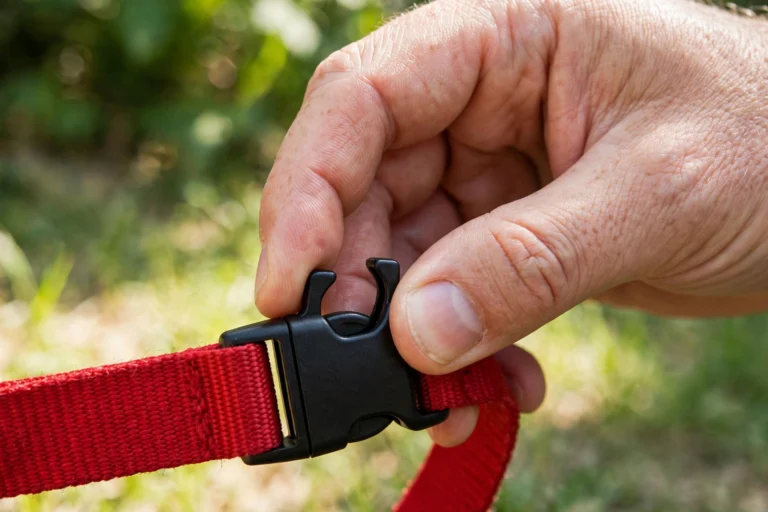
“Grooming collars” means something specific: the grooming noose (loop) and grooming arm setups that hold a dog safely in position on the grooming table — not walking collars. The best dog grooming collars (loops, arms, and haunch holders) keep the dog standing comfortably and humanely while you clip, brush, bathe, or trim nails, with quick-release safety features and hardware that will not fray or absorb odors. I have evaluated the grooming restraint systems that home groomers and pros actually buy, and this guide covers five solid options plus the safety rules that matter far more than the hardware.
Affiliate disclosure
As an Amazon Associate, I earn from qualifying purchases. If you buy through a link on this page, I may earn a commission at no extra cost to you.
⚡ The short answer
🥇Downtown Pet Supply Grooming ArmBest overall→🥈KELIXU H-Shape Grooming ArmFull-body control→🥉getlstub Arm + HammockAnxious dogs→
Quick Picks: Best Dog Grooming Collars at a Glance
| Product | Best for | Standout feature |
|---|---|---|
| Downtown Pet Supply Grooming Arm | Best overall | Pro quality, brass/SS hardware |
| KELIXU H-Shape Grooming Arm | Full-body control | H-shape, 3 loops included |
| getlstub Arm + Hammock | Anxious dogs | Hammock calms wiggly dogs |
| HIDOG Grooming Arm Kit | Complete kit | Arm + hammock + haunch holders |
| tiuire Grooming Arm Starter Kit | Beginners | Arm + tools for small dogs |
5 Grooming Collars, Loops, and Arms
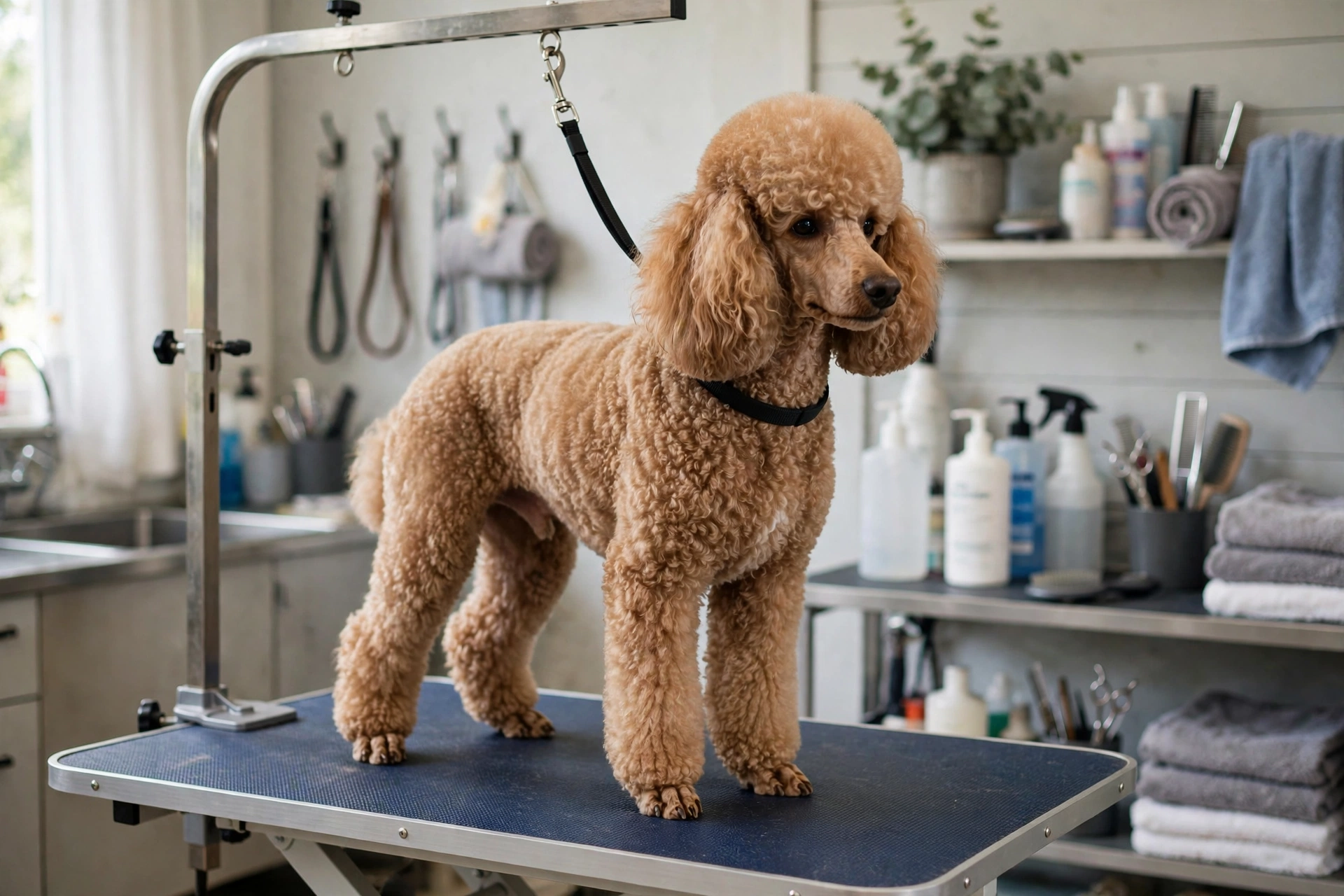
A grooming “collar” setup has three parts: the arm (clamps to the table), the loop/noose (goes around the dog’s neck), and optionally a haunch holder (keeps the rear end from sitting). These five cover the range from pro-grade to beginner-friendly.
Downtown Pet Supply Grooming Arm
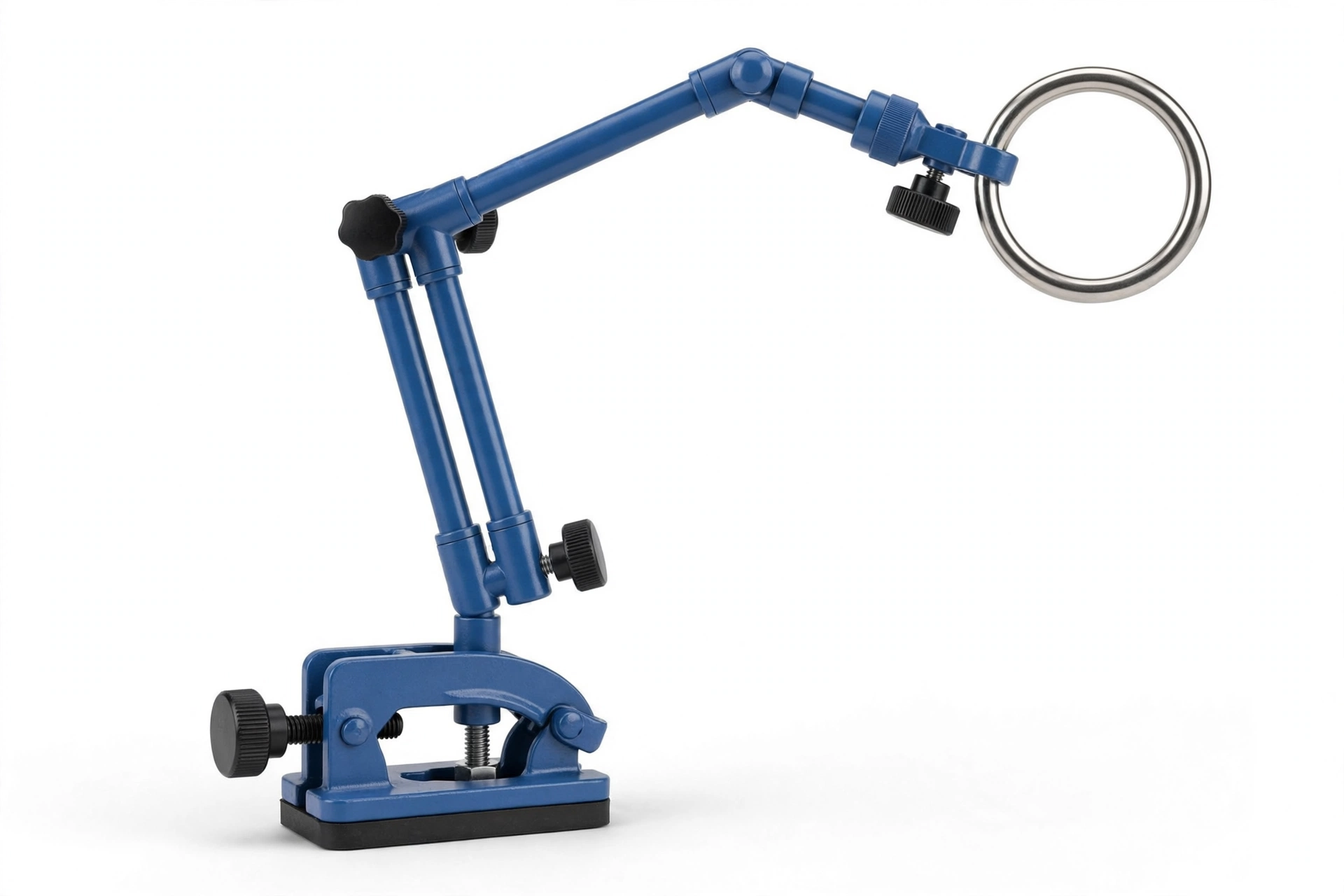
Downtown Pet Supply is the name professionals trust, and their grooming arm shows why: a steel arm with quality powdercoating (water-resistant for bath sessions), a heavy-duty universal clamp fitting tables up to 1.8″, an 18″ grooming loop, and a free no-sit haunch holder — all with brass, aluminum, and stainless steel hardware that will not fray like nylon or absorb dirt and odors. The haunch holder is the standout: it keeps the dog standing comfortably instead of collapsing into a sit mid-clip. Adjustable to 36″ for different dog sizes. This is the buy-it-once setup I recommend.
KELIXU H-Shape Grooming Arm
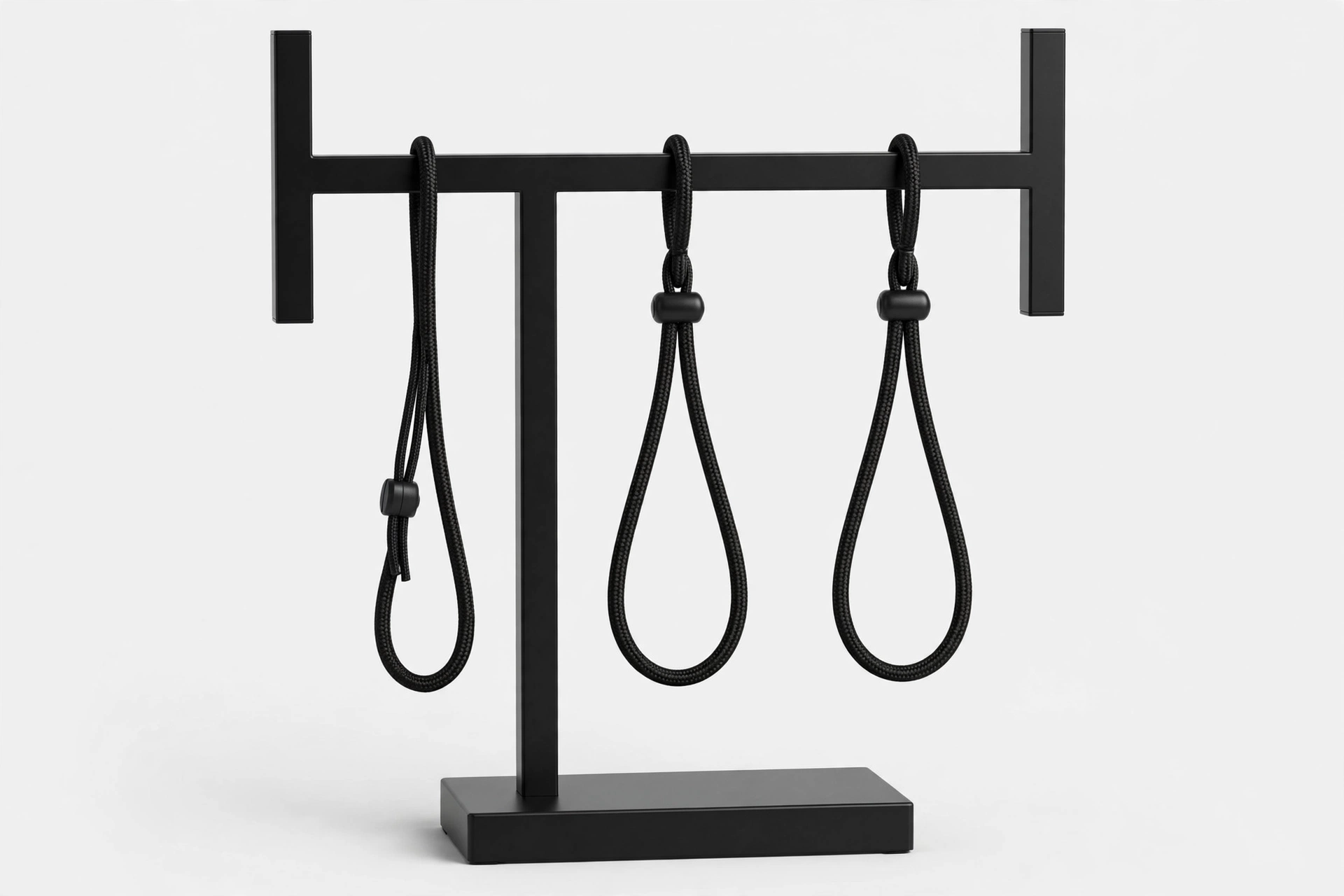
The H-shape design is the answer for dogs that spin, sit, or try to exit the table: with height adjustable to 32″ and width from 34″ to 50″, plus three included 21″ loop nooses, it secures both the head and the hips — the two ends dogs use to cause chaos. Heavy-duty metal construction with tension-knob connections and metal clamps (sturdier than plastic), folding for storage. For large, strong, or dramatic dogs, the H-shape’s two-point control is meaningfully safer than a single overhead loop.
getlstub Grooming Arm with Hammock
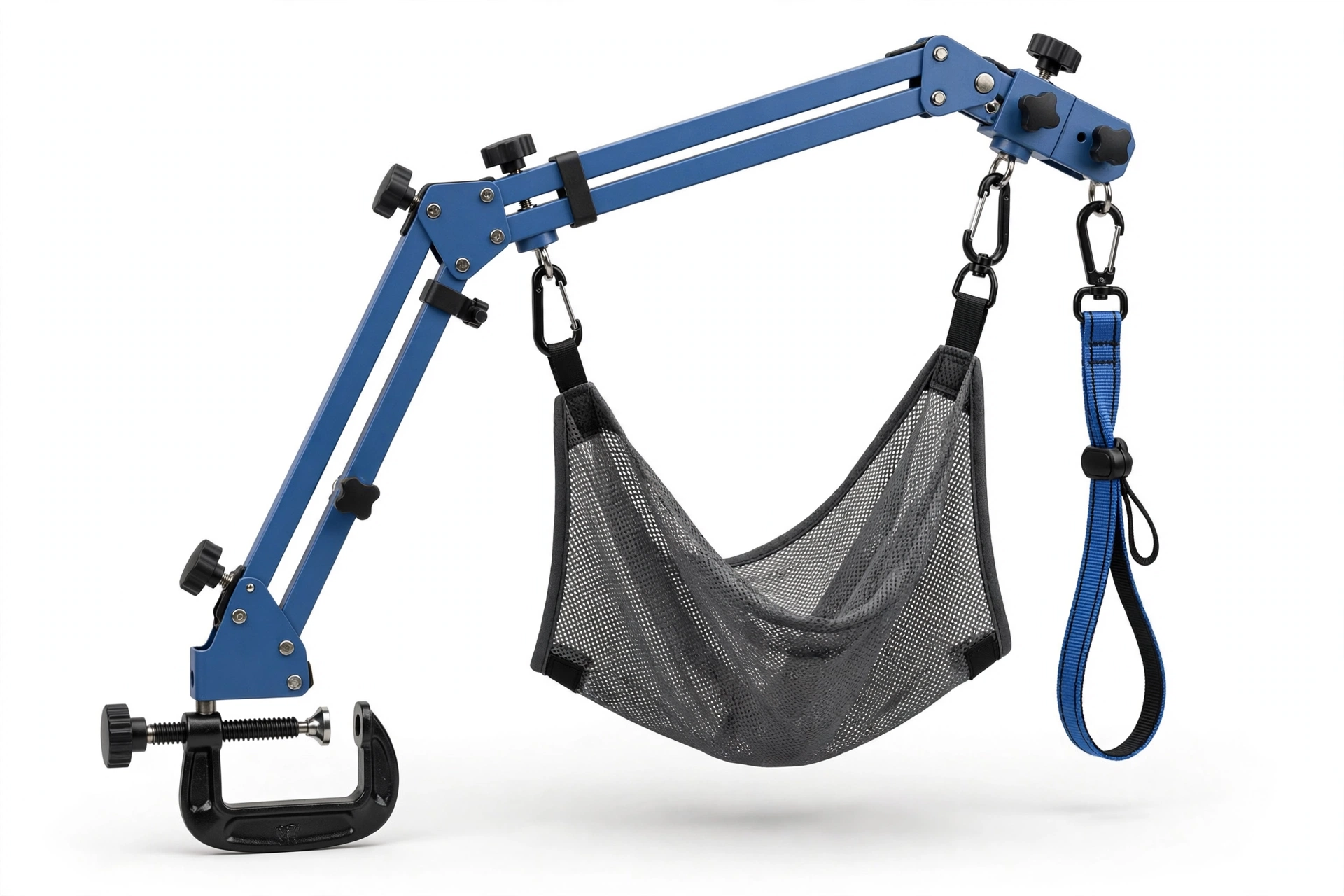
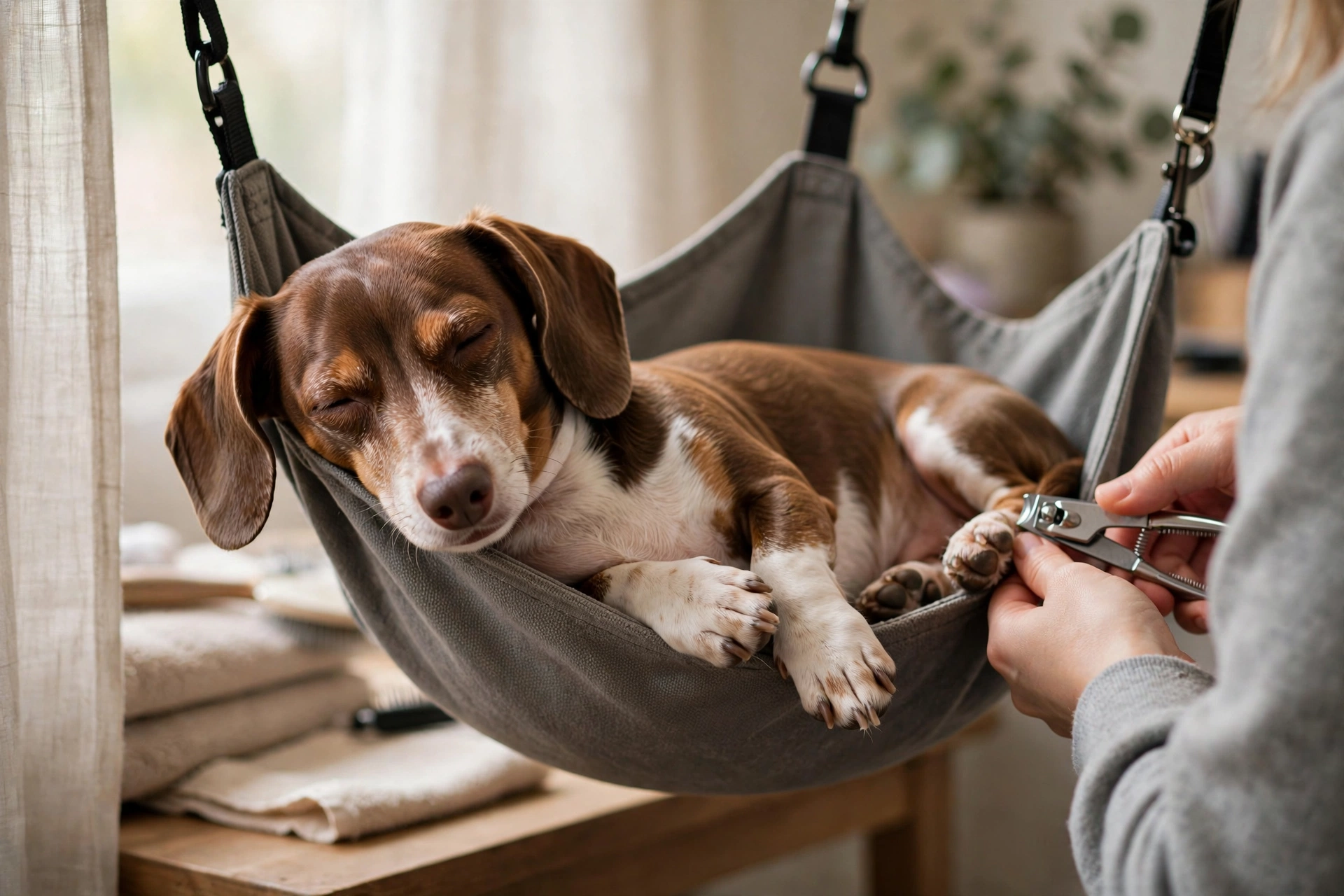
Some dogs do not fight the table — they panic on it. The getlstub setup adds a grooming hammock to the standard arm-and-loop arrangement: the soft mesh hammock supports the dog’s body, reducing the dangling-leg anxiety that makes small dogs thrash, while the adjustable loop noose and two no-sit haunch holders keep positioning secure. Height adjusts from 18″ to 35″ for small and medium dogs under 30 lbs. For the nervous first-timer, the hammock’s calming effect is worth more than any hardware upgrade.
HIDOG Grooming Arm with Hammock
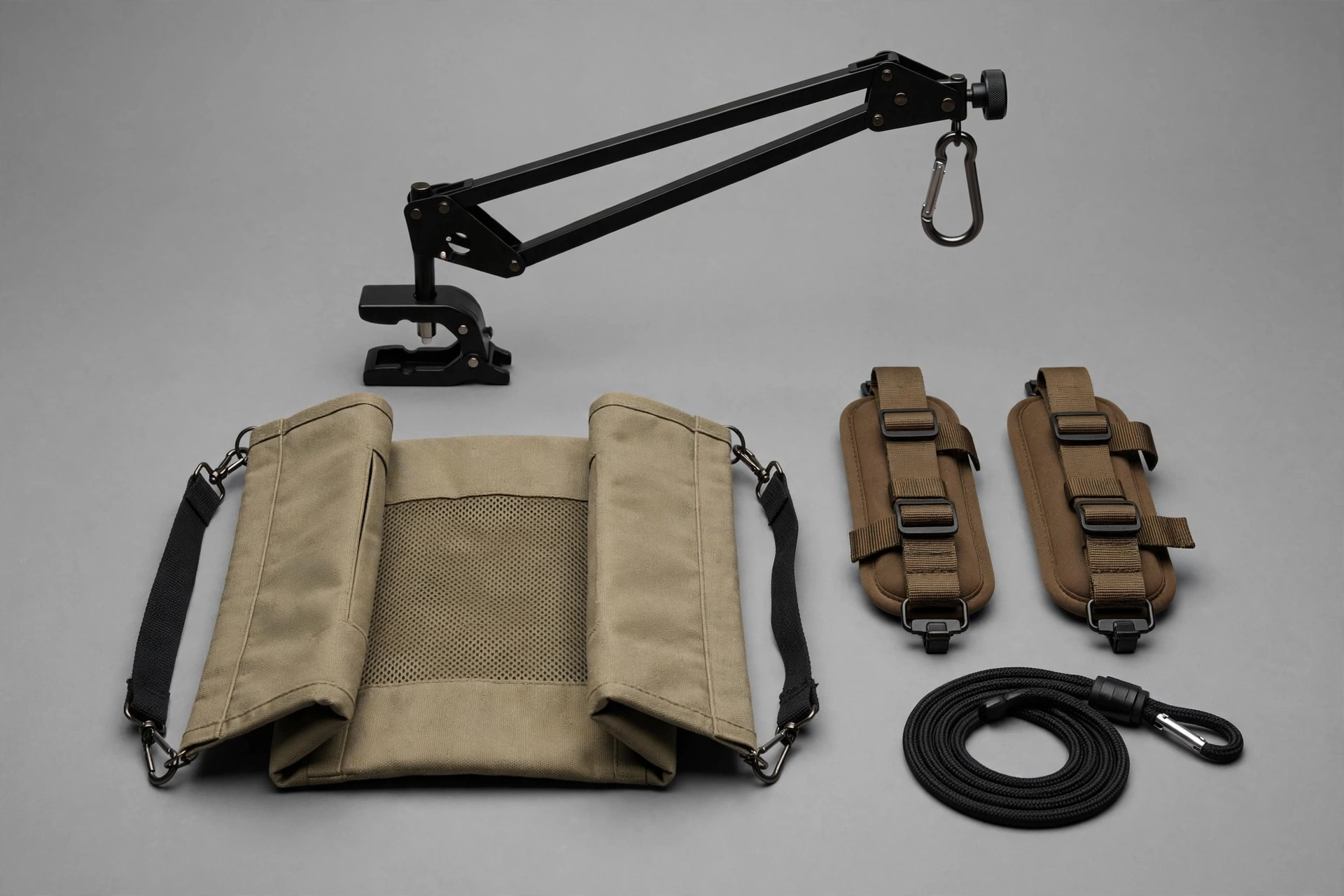
The HIDOG kit bundles everything in one box: foldable 36″ grooming arm with metal clamps, loop noose, two no-sit haunch holders, and a 20″ x 29.5″ hammock harness — the full restraint wardrobe for small and medium dogs. The arm extension rotates 270 degrees for positioning flexibility, and the matte metal finish resists scratching. If you are setting up a home grooming station from zero, this single purchase covers the restraint side completely.
tiuire Grooming Arm Starter Kit
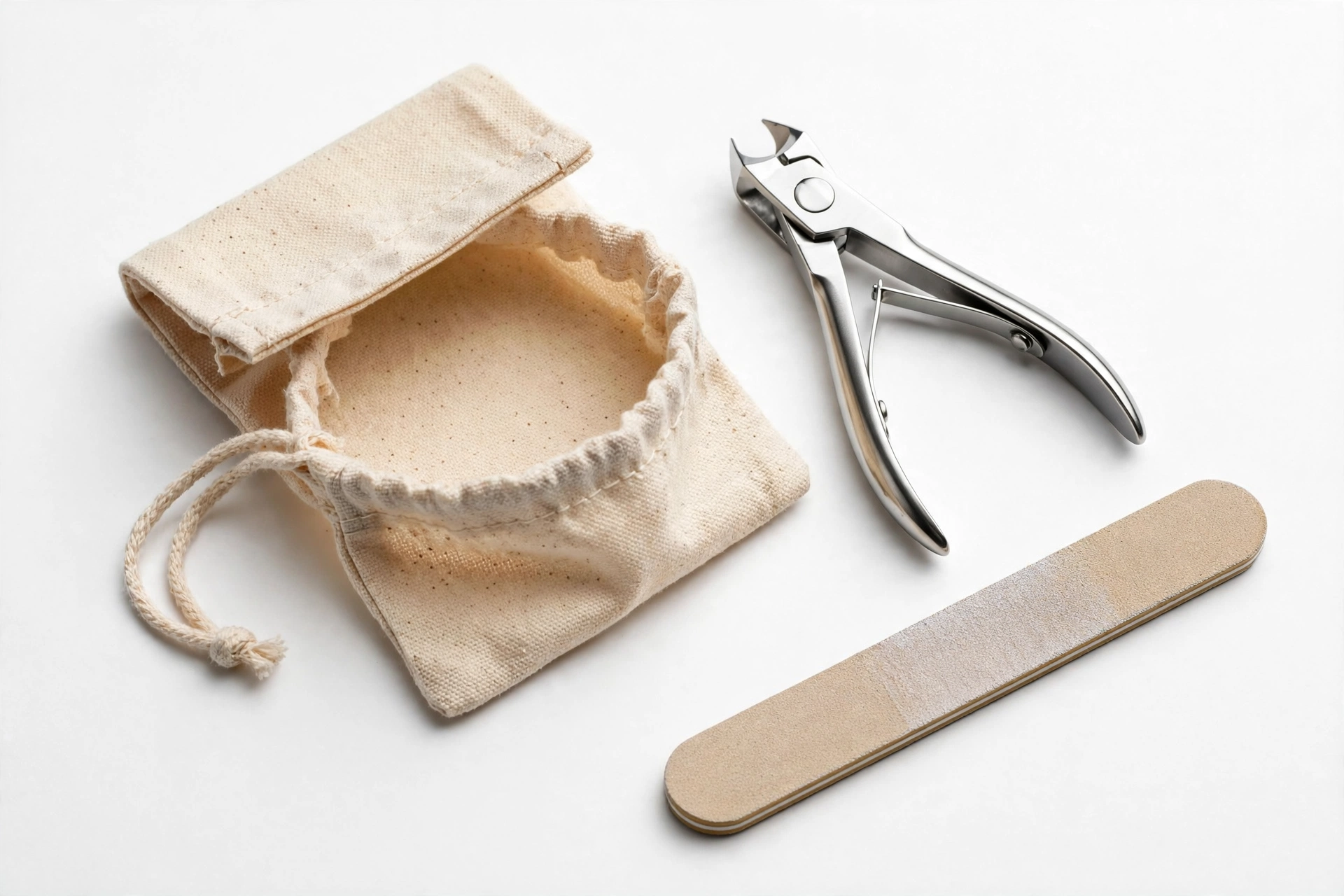
For the owner grooming a small dog for the first time, the tiuire kit pairs the arm, hammock, and loop with actual grooming tools — stainless nail clippers with a safety guard and a nail file — so the restraint and the task arrive together. Sized for small dogs and cats under 10 lbs, with 1-2 minute clamp installation and fold-flat storage. I like this as a first kit because it removes the “what else do I need” guesswork; upgrade individual pieces as your skills grow.
Buying Guide: Grooming Collars and Restraints
Grooming restraints are safety equipment first and convenience second. The buying decisions are straightforward; the usage rules are where it counts. A full grooming routine goes beyond restraint — ear cleaner and a toothbrush kit cover the two jobs most owners forget.
The non-negotiable safety rule
Never leave a dog on the grooming table — or in a tub — unattended, even for seconds. Every product in this guide carries this warning, and I repeat it because it is the single most important sentence in this article: dogs have strangled in grooming loops during momentary lapses. The loop is a positioning aid for an attended dog, never a babysitter. I keep one hand aware of the dog at all times and never step away, not even to answer the door.
Loop fit: snug, never tight
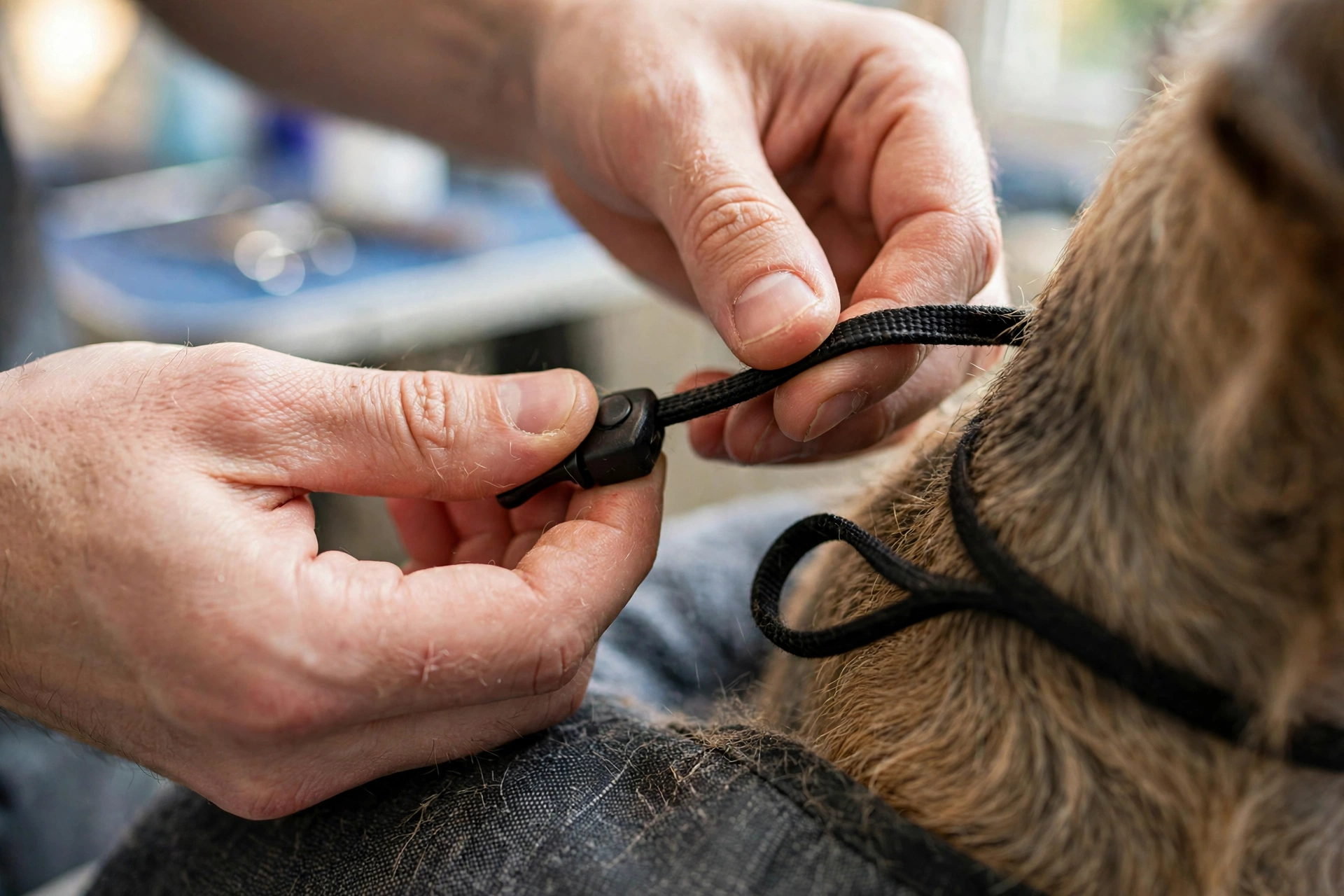
The grooming loop should hold the dog’s head up and still, not cinch the neck. I fit it with the same two-finger slack as a walking collar, positioned high behind the jaw — and I re-check it constantly, because dogs shift. A loop that was fine when the dog stood square becomes tight when the dog sits or lies down, which is exactly why the haunch holder (preventing the sit) is such a valuable companion piece. If the dog is ever gasping, pawing at the loop, or going limp, release it immediately.
Single loop vs. H-shape vs. hammock
Match the restraint to the dog’s temperament. Calm, table-trained dogs do fine with a single overhead loop. Dogs that sit, spin, or back off the table need the H-shape’s two-point control or a haunch holder. Panicky small dogs often do best in a hammock, which removes the falling sensation. I recommend starting with more support than you think you need — you can always simplify as the dog gains table confidence, but you cannot undo a terrifying first session.
Materials: metal hardware, non-absorbent loops
Grooming gear lives in a wet, soapy, hairy environment. I prefer metal hardware (brass, stainless, aluminum) over plastic for the arm and clamps, and loops that wipe clean rather than absorb water and odor. The Downtown Pet Supply’s all-metal hardware is the standard here. Avoid fabric loops that stay damp — they harbor bacteria and smell, and a damp loop against the neck for an hour is a skin-irritation risk.
Conditioning the dog to the table
The best grooming restraint is a dog that does not need one. I condition table behavior separately from actual grooming: short sessions of standing on the table with the loop on, heavily rewarded, then released — no clippers, no water, just the setup. Build duration gradually over days before combining the restraint with real grooming tasks. A dog that has learned the table predicts treats will stand relaxed; a dog whose first table experience was a full groom while terrified will fight every session after.
Cats and tiny dogs: scale the setup
Grooming arms work for cats and tiny dogs too, but the setup needs scaling: lower arm height, a smaller loop adjusted carefully (cats tolerate loops poorly — keep sessions very short), and the hammock becomes nearly essential for cats, who feel more secure supported than dangled. I use the tiuire-style small kits for this bracket and I never force a cat that is truly panicking — for cats, a patient floor groom with breaks beats any table restraint. Know when the equipment is not the answer.
Maintaining the grooming arm
Grooming arms live hard lives: water, shampoo, hair, disinfectant. I wipe the arm and clamps down after wet sessions, check tension knobs monthly (they loosen with vibration), and inspect loops for fraying or stiff spots — a compromised loop gets replaced, not repaired. Metal hardware lasts years with this basic care; neglected clamps seize and neglected loops become the weak link in a safety system. Five minutes of maintenance protects the investment and the dog.
Frequently Asked Questions
What is a grooming noose (loop)?
A grooming loop is a short restraint loop that attaches to an overhead grooming arm and goes around the dog’s neck, keeping the dog standing in position on the grooming table. It is a positioning aid for attended grooming — not a walking collar, not a tie-out, and never to be used unsupervised.
Are grooming nooses safe?
They are safe when used correctly: proper two-finger fit, high neck position, a haunch holder to prevent sitting (which tightens the loop), and — critically — the dog is never left unattended. They are dangerous when misused: left alone, fitted too tight, or used on a panicking dog. The safety is in the handler, not the hardware.
What is a no-sit haunch holder?
A strap that loops around the dog’s belly/haunches and attaches to the grooming arm, preventing the dog from sitting down during grooming. It matters because sitting while looped tightens the neck loop — the haunch holder keeps the dog standing so the neck loop stays at its fitted slack. I consider it essential, not optional.
Can I groom my dog without a grooming arm?
Yes, for simple tasks — many owners brush and trim nails with the dog on the floor or a non-slip mat. The arm earns its keep for precision work (face trims, full haircuts) where both your hands are needed and the dog must hold still. Start without one; add the arm when the dog’s movement starts limiting what you can safely do.
How do I keep my dog calm on the grooming table?
Condition the table separately from grooming (short rewarded sessions), consider a hammock for anxious small dogs, keep sessions short, and watch for stress signals — lip licking, yawning, whale eye — that mean you should pause. I never push through panic; a aborted session beats a traumatized dog that fears every future groom.
What size grooming loop does my dog need?
Loops are generally adjustable via sliding clips — the 18-21″ standard loops fit most dogs when adjusted. The arm height matters more: it should position the loop so the dog stands naturally with head up, not stretched or crouched. Measure your table setup and your dog’s standing height before choosing.
My dog fights the grooming loop — what should I do?
Stop and reassess before forcing it. Fighting usually means the loop is too tight, the session is too long, or the dog was never conditioned to the table. I go back to basics: short loop-on sessions with high-value rewards and no grooming, a properly fitted loop with real slack, and possibly a hammock for support. If the dog continues to panic, groom on the floor in short sessions instead — some dogs simply never accept the table, and their welfare outranks your convenience. A cooperative dog groomed on the floor beats a terrified dog groomed on the table every time.
Related Buying Guides
The verdict
My verdict: the Downtown Pet Supply grooming arm is the restraint setup I recommend — pro-grade materials, the invaluable haunch holder included, and hardware that survives the wet reality of grooming. Dogs that need more control get the KELIXU H-shape; anxious small dogs get a hammock setup. And above every product recommendation stands the rule: never leave the dog unattended, fit the loop with care, and condition the table as its own skill. The restraint holds the dog still; your judgment keeps the dog safe. Buy the right hardware once, then invest your real effort in the training that makes it almost unnecessary.