
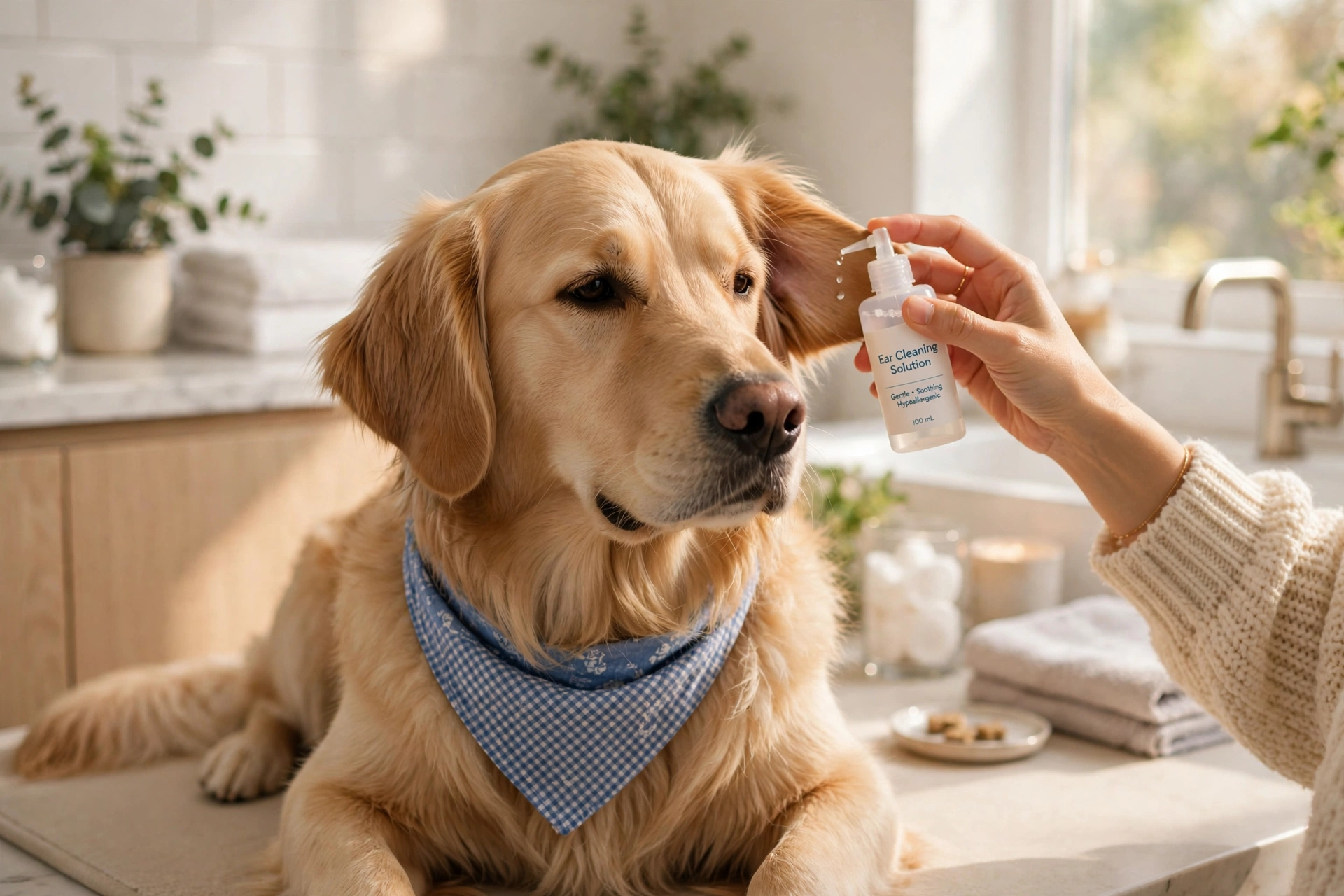
If your dog keeps shaking its head, scratching at its ears, or leaving waxy brown gunk on the couch, finding the best dog ear cleaner for regular home use can make a real difference. Dogs — especially floppy-eared breeds like Cocker Spaniels, Basset Hounds, and Labradors — trap moisture and wax in the ear canal, creating the perfect environment for itching, odor, and ear infections. The right ear-cleaning solution dissolves wax, dries the canal, and helps keep yeast and bacteria in check without stinging or irritating sensitive skin.
Affiliate disclosure
As an Amazon Associate, Dogslifelearning earns from qualifying purchases. If you buy through links on this page, we may earn a small commission at no extra cost to you.
Our Top Picks at a Glance
⚡ The short answer
🥇Zymox Otic Enzymatic Solution with 1% HydrocortisoneBest Overall→🥈Virbac Epi-Otic Advanced Ear CleanerBest for Routine Cleaning→🥉Curaseb Ear Infection TreatmentBest for Infection-Prone Ears→
- Best overall: Zymox Otic Enzymatic Solution with 1% Hydrocortisone — enzyme-powered relief for itchy, inflamed ears
- Best for routine cleaning: Virbac Epi-Otic Advanced Ear Cleaner — gentle, vet-trusted daily-use formula
- Best for infection-prone ears: Curaseb Ear Infection Treatment — chlorhexidine + ketoconazole antimicrobial wash
- Best budget natural pick: Vet’s Best Ear Relief Wash — plant-based, alcohol-free, easy on the wallet
- Best drying flush for swimmers: Pet MD Veterinary Tris Flush — TRIS-EDTA formula that dries the ear canal fast
- Best for wax and odor: Mighty Petz 4-in-1 Dog Ear Cleaner — salicylic acid formula with a fresh cucumber-melon scent
- Best alcohol-free sensitive formula: PetLab Co. Clear Ears Therapy — no-sting wash for yeast-prone, itchy ears
Comparison Table: The Best Dog Ear Cleaners
| Product | Best For | Key Ingredients | Alcohol-Free | Format | Size |
|---|---|---|---|---|---|
| Zymox Otic with 1% Hydrocortisone | Itchy, inflamed ears | LP3 enzyme system (lysozyme, lactoferrin, lactoperoxidase), hydrocortisone | Yes | Liquid drops | 1.25 oz |
| Virbac Epi-Otic Advanced | Routine weekly cleaning | Monosaccharides, keratolytic agents, drying agents | Yes | Liquid wash | 8 oz |
| Curaseb Ear Infection Treatment | Infection-prone ears | Chlorhexidine, ketoconazole, aloe vera | Yes | Liquid solution | 8 oz |
| Vet’s Best Ear Relief Wash | Budget natural option | Witch hazel, chamomile, tea tree oil, aloe vera | Yes | Liquid wash | 4 oz |
| Pet MD Veterinary Tris Flush | Drying after swimming | TRIS-EDTA (tromethamine), EDTA | Yes | Liquid flush | 4 oz / 12 oz |
| Mighty Petz 4-in-1 | Wax and odor | Salicylic acid, aloe vera, cucumber-melon infusion | No (contains SD alcohol 40) | Liquid wash | 8 oz |
| PetLab Co. Clear Ears Therapy | Sensitive, yeast-prone ears | Alcohol-free botanical cleansers | Yes | Liquid wash | 4 oz |
Zymox Otic Enzymatic Solution with 1% Hydrocortisone
When a dog’s ears are red, itchy, and miserable, Zymox is the product owners and vets reach for most often. Its patented LP3 enzyme system — a blend of lysozyme, lactoferrin, and lactoperoxidase — breaks down the biofilms that bacteria, fungi, and yeast hide in, while 1% hydrocortisone calms inflammation and stops the itch. Unlike many cleaners, it works without scrubbing or flushing: you apply the drops and let the enzymes do the work, which makes it ideal for dogs that hate ear cleanings.
Why we picked it: It goes beyond cleaning to actively soothe irritated ear tissue, and it’s one of the few over-the-counter options with a real mechanism for managing mild yeast and bacterial overgrowth.
Good to know: The bottle is small (1.25 oz) and pricier per ounce than basic washes, but a little goes a long way since you use drops, not full flushes. Important: do not pre-clean the ear before applying Zymox — the enzymes need direct contact with debris to work. And if your dog has a diagnosed ear infection, see your vet first; this supports care but doesn’t replace a vet visit.
Virbac Epi-Otic Advanced Ear Cleaner
Epi-Otic is the classic vet-clinic ear wash, and for good reason. It’s a gentle, non-irritating cleanser designed for regular maintenance of healthy ear canals: it emulsifies wax, flushes out debris, and contains drying agents that discourage the moist environment bacteria and yeast love. Its monosaccharide complex (glycotechnology) has an anti-adhesive effect, meaning microorganisms have a harder time clinging to the skin of the ear canal. The low pH formula won’t interfere with topical ear medications, so vets often recommend it alongside prescribed treatments.
Why we picked it: No other routine wash has this depth of veterinary backing. It’s alcohol-free, soap-free, and well tolerated even by sensitive ears, making it the safest default choice for weekly cleanings.
Good to know: This is a maintenance cleaner, not a treatment — it won’t resolve an active infection on its own. The 8 oz bottle is excellent value for multi-dog households or frequent use.
Curaseb Ear Infection Treatment
Dogs with chronic otitis externa — recurrent bacterial or yeast ear infections — need something stronger than a basic wash. Curaseb combines chlorhexidine (a proven broad-spectrum antiseptic) with ketoconazole (an antifungal effective against Malassezia yeast), plus soothing aloe vera. The formula deodorizes while it cleans, which matters because smelly ears are one of the hallmarks of yeast overgrowth. It’s designed to be used daily during flare-ups, then tapered to a maintenance schedule.
Why we picked it: It’s the strongest over-the-counter antimicrobial ear wash on this list, and its dual antibacterial/antifungal action covers the two most common causes of recurring ear infections.
Good to know: This is a powerful formula — if your dog’s ear is raw, bleeding, or the eardrum may be ruptured, do not use it and see a vet immediately. Curaseb supports ongoing management of infection-prone ears; it is not a substitute for veterinary diagnosis and prescription treatment of an active infection.
Vet’s Best Ear Relief Wash
For owners who prefer plant-based ingredients, Vet’s Best blends witch hazel, chamomile, echinacea, clove oil, tea tree oil, and aloe vera into an alcohol-free, no-sting wash. It’s formulated by veterinarians and priced well below the premium options, with a 16 oz refill available for heavy users. The formula removes wax and debris while the botanical oils calm redness and itching on contact.
Why we picked it: It’s the best-value natural option that actually performs — gentle enough for sensitive ears, effective enough for routine wax and odor control.
Good to know: The 4 oz bottle is small, so buy the larger size if you clean ears weekly. As with any tea tree oil product, use only as directed and keep it out of reach of cats, for whom concentrated tea tree oil can be toxic. Also great paired with Vet’s Best Ear Relief Dry for moisture control after swimming.
Pet MD Veterinary Tris Flush
Dogs that swim regularly — Labradors, Golden Retrievers, spaniels — trap water deep in the ear canal, and that lingering moisture is a top cause of swimmer’s ear and yeast flare-ups. Pet MD’s Veterinary Tris Flush uses TRIS-EDTA (tromethamine and EDTA) to acidify the ear canal and strip moisture, creating an environment where bacteria and yeast struggle to thrive. It’s alcohol-free and non-stinging, and vets often use TRIS-EDTA flushes as a pre-treatment step before applying ear medications because the flushing action improves drug penetration.
Why we picked it: No other pick dries and acidifies the canal as effectively. If your dog swims or gets bathed often, a dedicated drying flush after water exposure is the single best prevention habit.
Good to know: This is a flush, not a daily soothing wash — it’s functional and unscented. Use it after swimming or bathing, then follow with your regular maintenance cleaner if needed.
Mighty Petz 4-in-1 Dog Ear Cleaner
Mighty Petz takes a 4-in-1 approach: the vet-formulated solution cleans, dries, acidifies, and deodorizes in one step. Salicylic acid — a keratolytic (wax-dissolving) ingredient — breaks up stubborn cerumen and dead skin cells, while aloe vera soothes and the cucumber-melon infusion leaves ears smelling noticeably fresher. It’s specifically positioned for infection-prone ears that need frequent maintenance.
Why we picked it: For dogs with heavy wax buildup and lingering ear odor, the salicylic acid + deodorizing combo tackles both problems at once, and the scent is genuinely pleasant rather than perfumey.
Good to know: Unlike the other picks, this formula contains SD alcohol 40, so it may sting if the ear canal is raw or inflamed — stick to healthy or mildly dirty ears, and choose an alcohol-free option for irritated skin. Available in a generous 8 oz bottle.
PetLab Co. Clear Ears Therapy
PetLab Co.’s Clear Ears Therapy is built for dogs with yeast-prone, itchy ears that react badly to harsh formulas. The alcohol-free wash supports a healthy ear canal environment and helps manage the itching and odor associated with yeast overgrowth, without the sting that drives sensitive dogs away from ear cleaning. It’s a newer brand, but its targeted “yeast and itch support” positioning fills a real gap for owners dealing with chronic Malassezia issues.
Why we picked it: If your dog flinches at ear cleaner because past products stung, this no-sting, alcohol-free formula can rebuild a positive ear-cleaning routine.
Good to know: As a newer product line, look for the current packaging (“Packaging May Vary”). Pair it with regular vet checkups if yeast issues keep returning — chronic Malassezia often signals an underlying allergy that needs diagnosis.
How to Choose the Best Dog Ear Cleaner: Buying Guide
Match the formula to the problem
Not all dirty ears need the same product. For routine maintenance of healthy ears, a gentle alcohol-free wash like Virbac Epi-Otic or Pet MD Tris Flush is ideal. For waxy buildup, look for ceruminolytics (wax-dissolving agents) such as salicylic acid. For itchy, inflamed ears, anti-itch ingredients like hydrocortisone or soothing botanicals (aloe, chamomile, witch hazel) help. For recurring infections, antimicrobial formulas with chlorhexidine or ketoconazole offer stronger support — but always with your vet in the loop.
Insist on alcohol-free for irritated ears
Alcohol-based cleaners evaporate quickly and dry well, but they sting painfully on inflamed or broken skin — and a dog that gets stung once may never let you clean its ears again. If your dog’s ears are red, raw, or chronically irritated, choose an alcohol-free, no-sting formula. Reserve alcohol-containing washes for healthy ears that just need drying after a swim.
Look for drying and acidifying agents
Moisture is the enemy. Yeast (Malassezia) and bacteria thrive in warm, damp ear canals. Drying agents and acidifiers — like TRIS-EDTA, boric acid, or salicylic acid — lower the canal’s pH and remove moisture, making the environment hostile to microbes. This is especially important for floppy-eared breeds and dogs that swim.
Liquid wash vs. wipes vs. drops
Liquid washes flush the canal most thoroughly and are the best choice for waxy or dirty ears. Drops (like Zymox) are easiest for dogs that hate having their ears filled with liquid. Ear wipes are convenient for quick cleanups of the outer ear flap (pinna), but they can’t reach deep into the L-shaped ear canal — use them for maintenance between full cleanings, not as a replacement.
Consider your dog’s ear type and breed
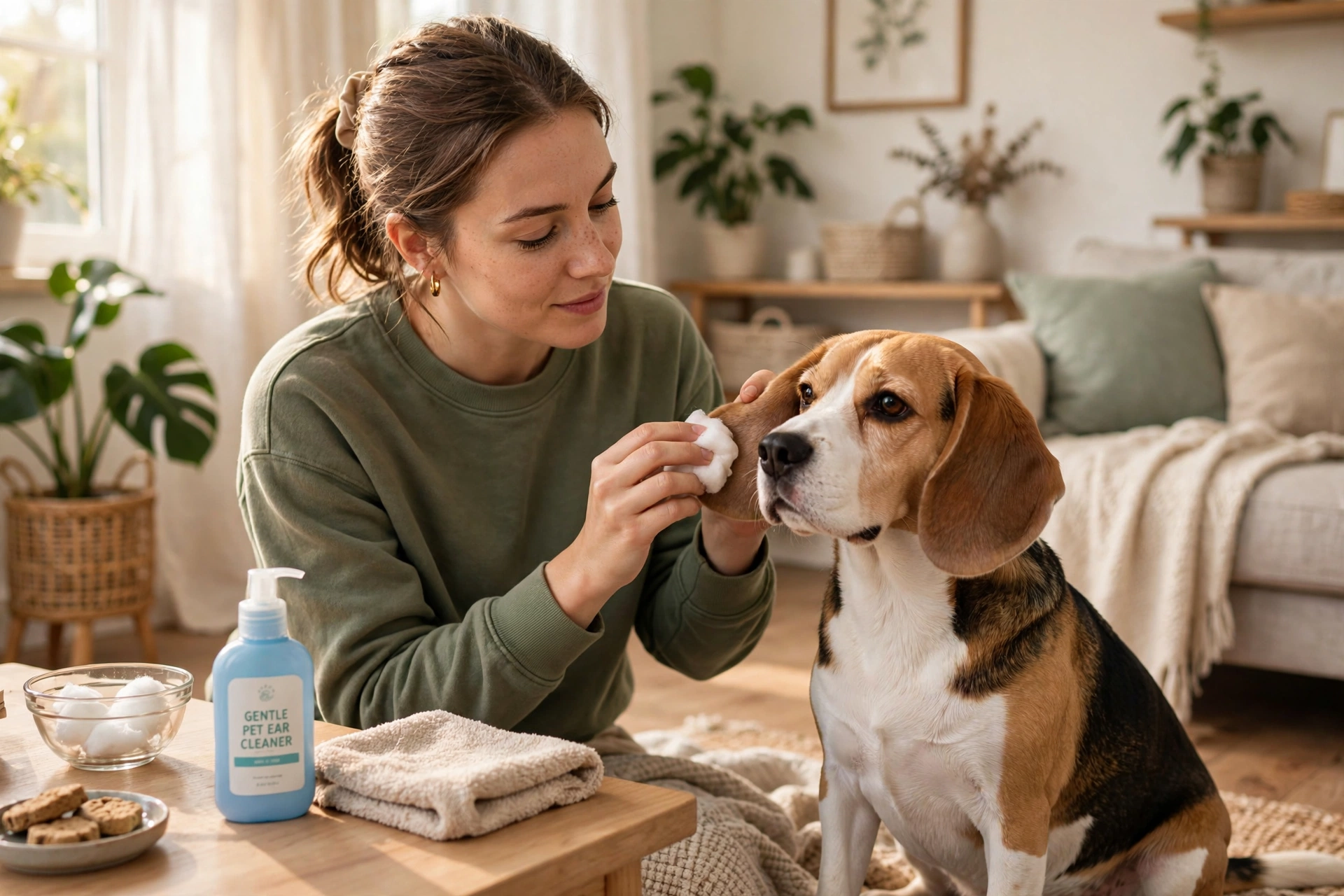
Floppy-eared breeds (Cocker Spaniels, Basset Hounds, Beagles) trap heat and moisture and usually need weekly cleaning. Dogs with hairy ear canals (Poodles, Schnauzers, Shih Tzus) accumulate wax and debris faster. Upright-eared breeds (German Shepherds, Huskies) ventilate better and may only need monthly attention. Puppies, seniors, and allergy-prone dogs deserve gentler, alcohol-free formulas.
How to Clean Your Dog’s Ears at Home (Step by Step)
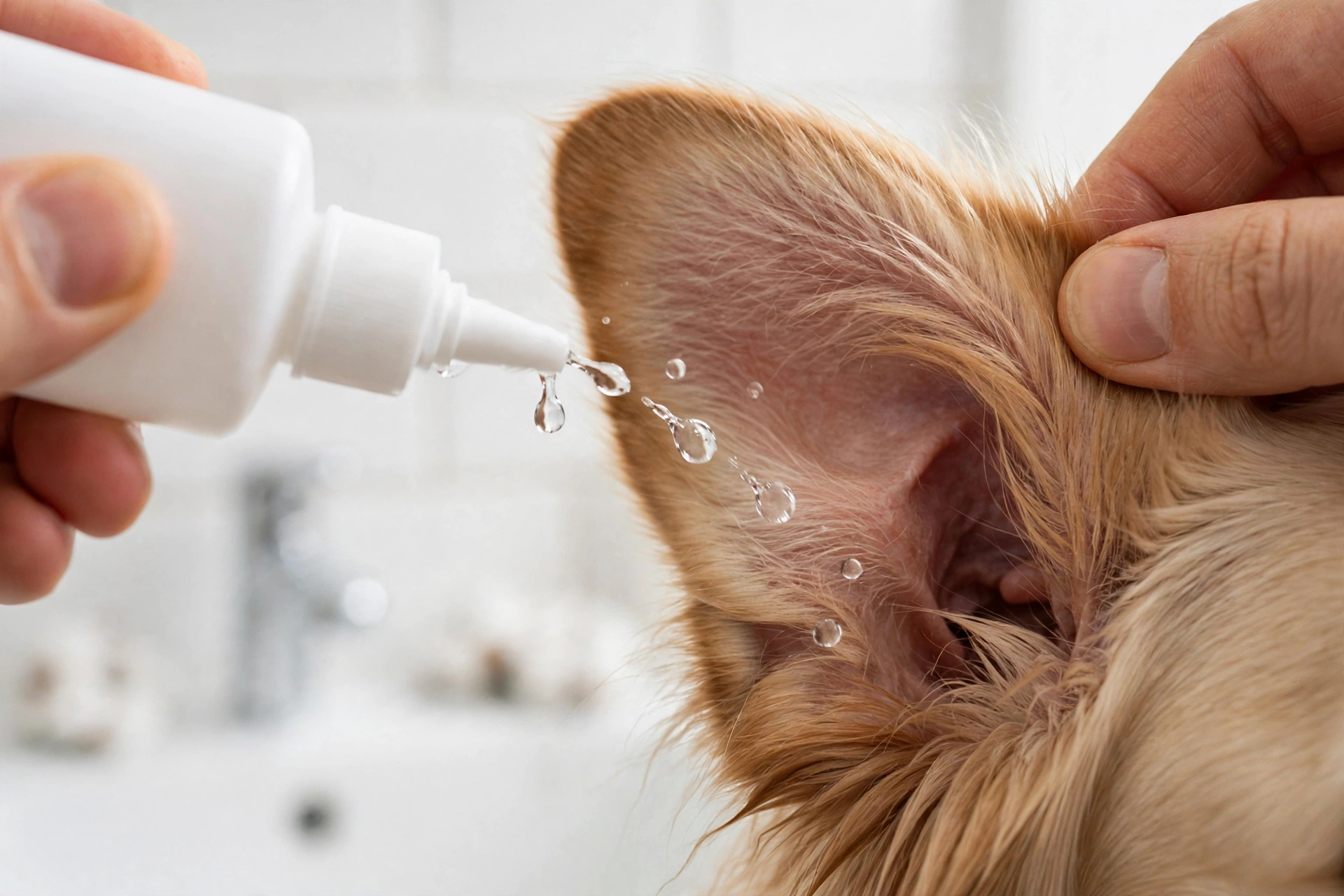
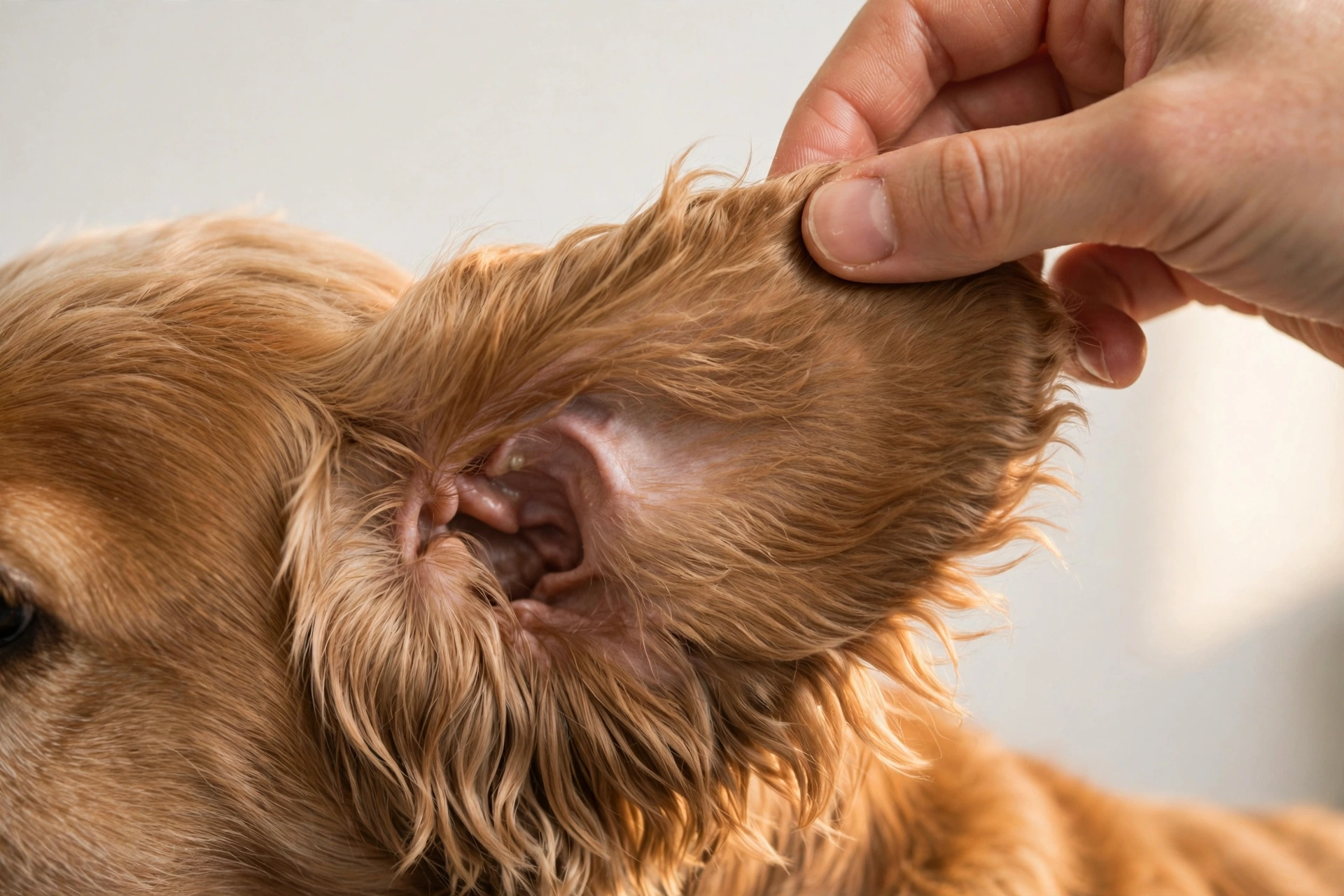
- Gather supplies: your chosen ear cleaner, cotton balls or gauze pads, and treats. Never use cotton swabs (Q-tips) inside the canal — they push wax deeper and can injure the eardrum.
- Inspect first: lift the ear flap and look. Healthy ears are pale pink with minimal wax. If you see heavy dark discharge, swelling, bleeding, or smell a strong odor, stop and call your vet.
- Fill the canal: hold the ear flap up and squeeze enough cleaning solution into the ear canal to fill it. Don’t touch the bottle tip to the ear to keep it clean.
- Massage the base: gently massage the base of the ear for 20–30 seconds. You’ll hear a squishing sound — that’s the solution breaking up wax and debris.
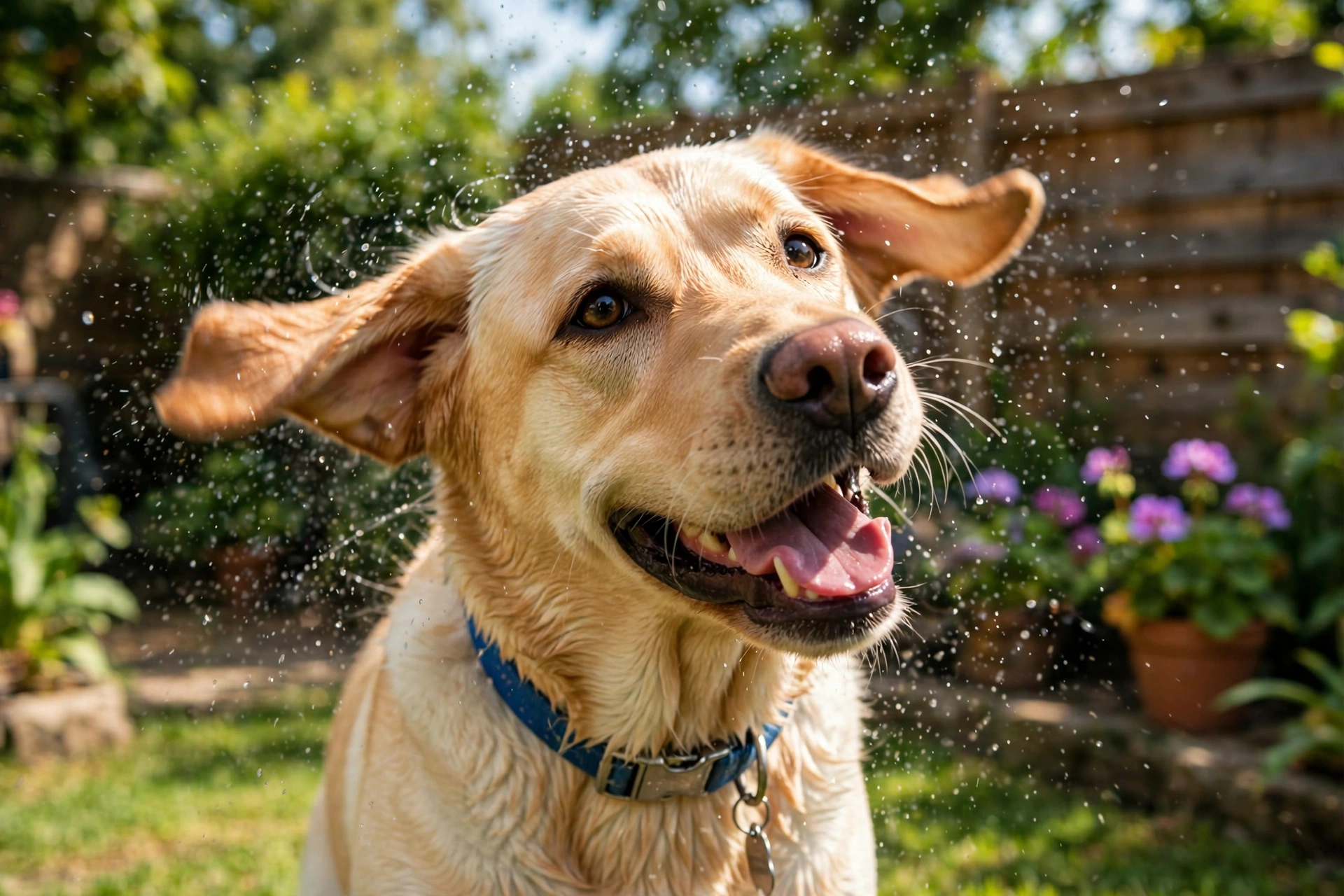
- Let them shake: step back and let your dog shake its head. This brings loosened debris up out of the canal.
- Wipe away debris: use a cotton ball or gauze to gently wipe the visible parts of the inner ear flap and canal opening. Never push material deeper.
- Reward: praise and treat your dog so ear cleaning stays a positive experience.
For routine maintenance, clean healthy ears every 1–2 weeks. Dogs prone to wax buildup, infections, or allergies may need weekly cleanings — ask your vet for a schedule tailored to your dog.
When to See a Vet Instead
Ear cleaners are for maintenance and prevention, not for treating established ear infections. See your veterinarian promptly if you notice any of these signs:
- Persistent head shaking, scratching, or rubbing ears on furniture
- Strong, foul, or yeasty odor from the ears
- Dark brown, yellow, green, or bloody discharge
- Redness, swelling, scabs, or pain when the ear is touched
- Head tilt, loss of balance, or hearing changes
- Symptoms that don’t improve after a few days of cleaning
Never try to treat a suspected ear infection with home remedies like hydrogen peroxide, vinegar, or rubbing alcohol — these can burn inflamed tissue, damage the eardrum, and make the problem worse. Your vet can identify whether the infection is bacterial, yeast, or mite-related and prescribe the right treatment.
Frequently Asked Questions
What is the best thing to clean dogs’ ears with?
A vet-formulated, alcohol-free ear cleaning solution is the best choice for most dogs. Products like Virbac Epi-Otic (for routine cleaning) or Zymox Otic with hydrocortisone (for itchy, irritated ears) dissolve wax and dry the canal without stinging. Avoid homemade remedies like vinegar or peroxide, which can irritate or damage the ear canal.
How often should I clean my dog’s ears?
For most dogs, cleaning every 1–2 weeks is enough. Floppy-eared breeds, swimmers, and dogs prone to wax buildup or infections may need weekly cleanings. Over-cleaning can irritate the canal, so ask your vet for a schedule suited to your dog’s breed, ear type, and history.
Can I use hydrogen peroxide to clean my dog’s ears?
No. Hydrogen peroxide can burn and damage the delicate skin of the ear canal and harm the eardrum, especially if the ear is already inflamed. Use only products formulated for canine ears, and choose alcohol-free, no-sting formulas if your dog’s ears are red or irritated.
What causes waxy ears in dogs?
Earwax (cerumen) is normal and protects the canal, but excess wax comes from allergies, moisture trapped in floppy ears, ear mites, or yeast overgrowth. Breeds with floppy or hairy ears are most affected. Regular cleaning with a ceruminolytic wash containing salicylic acid helps keep wax under control.
Can I treat my dog’s ear infection at home?
No — a true ear infection needs veterinary diagnosis. Ear cleaners can support ongoing ear health, but only your vet can determine whether the infection is bacterial, yeast, or mite-related and prescribe proper treatment. Delaying vet care can lead to chronic pain, hearing loss, or a ruptured eardrum.
Are dog ear wipes as good as liquid ear cleaner?
Wipes are convenient for cleaning the outer ear flap between full cleanings, but they can’t flush the deep, L-shaped ear canal where wax and moisture collect. For thorough cleaning, use a liquid wash or flush; reserve wipes for quick touch-ups and dogs that won’t tolerate liquid.
Related Buying Guides
The verdict
For most owners dealing with waxy, itchy ears, Zymox Otic Enzymatic Solution with 1% Hydrocortisone is the best dog ear cleaner overall — it calms itching while its enzyme system tackles the microbes behind recurring flare-ups. If your dog’s ears are generally healthy and you just want a reliable maintenance routine, Virbac Epi-Otic Advanced is the vet-trusted workhorse. Swimmers should keep Pet MD Veterinary Tris Flush on hand for post-swim drying, and budget-conscious owners will do well with Vet’s Best Ear Relief Wash.
Whichever you choose, remember that ear cleaning is prevention, not treatment. Clean regularly, watch for the warning signs above, and partner with your vet at the first sign of infection — healthy ears mean a happier, more comfortable dog.
Disclaimer: This article is for informational purposes only and is not a substitute for professional veterinary advice, diagnosis, or treatment. Always consult your veterinarian about your dog’s ear health, especially if you suspect an infection.
One Comment