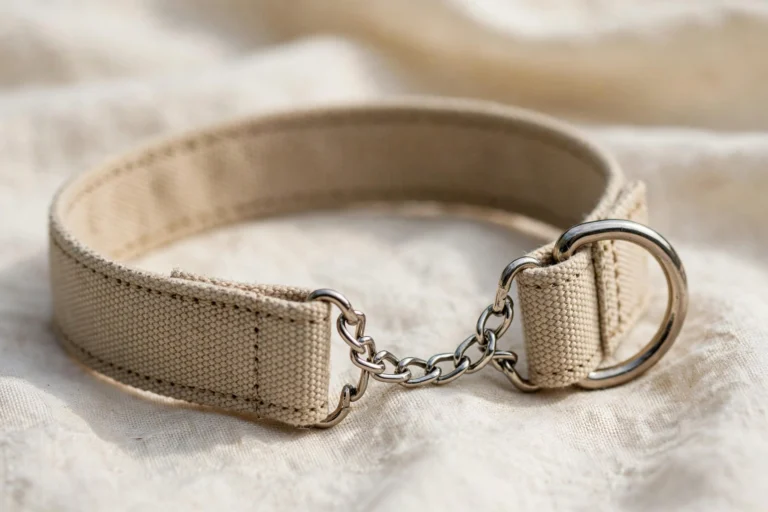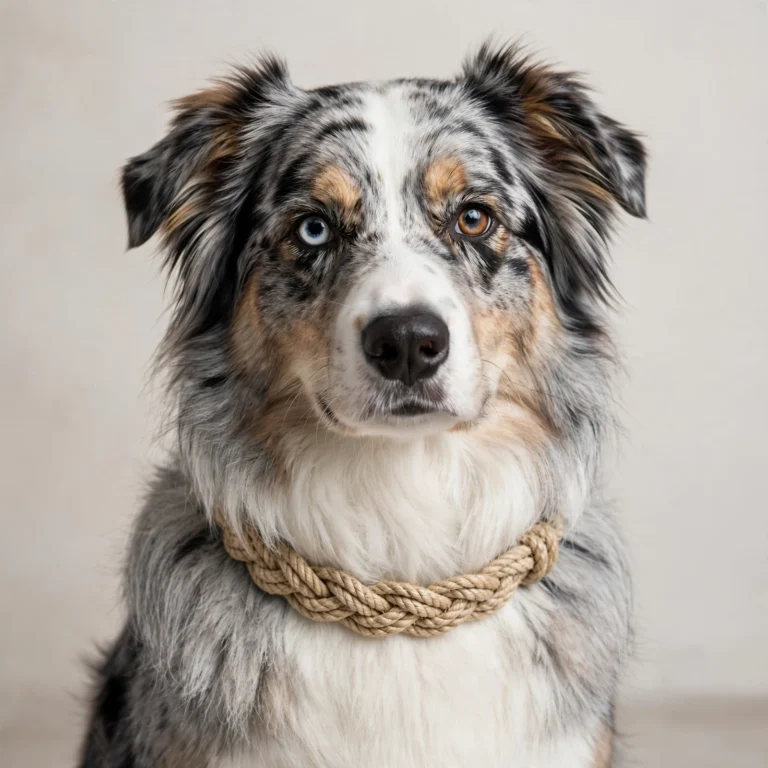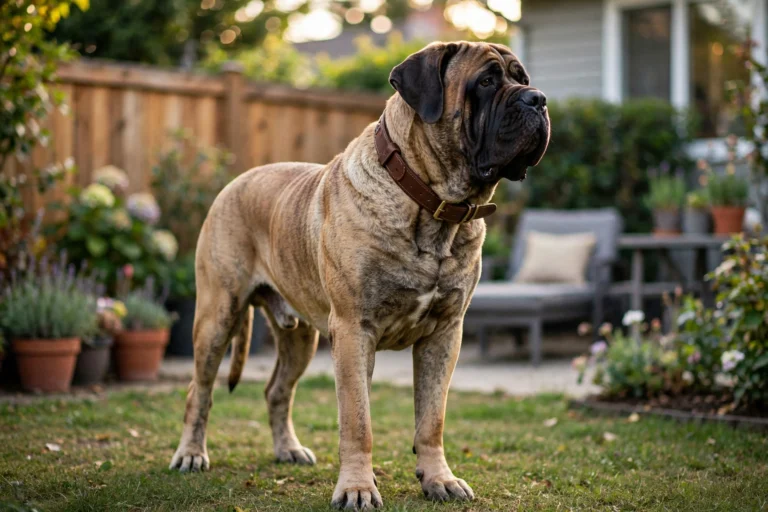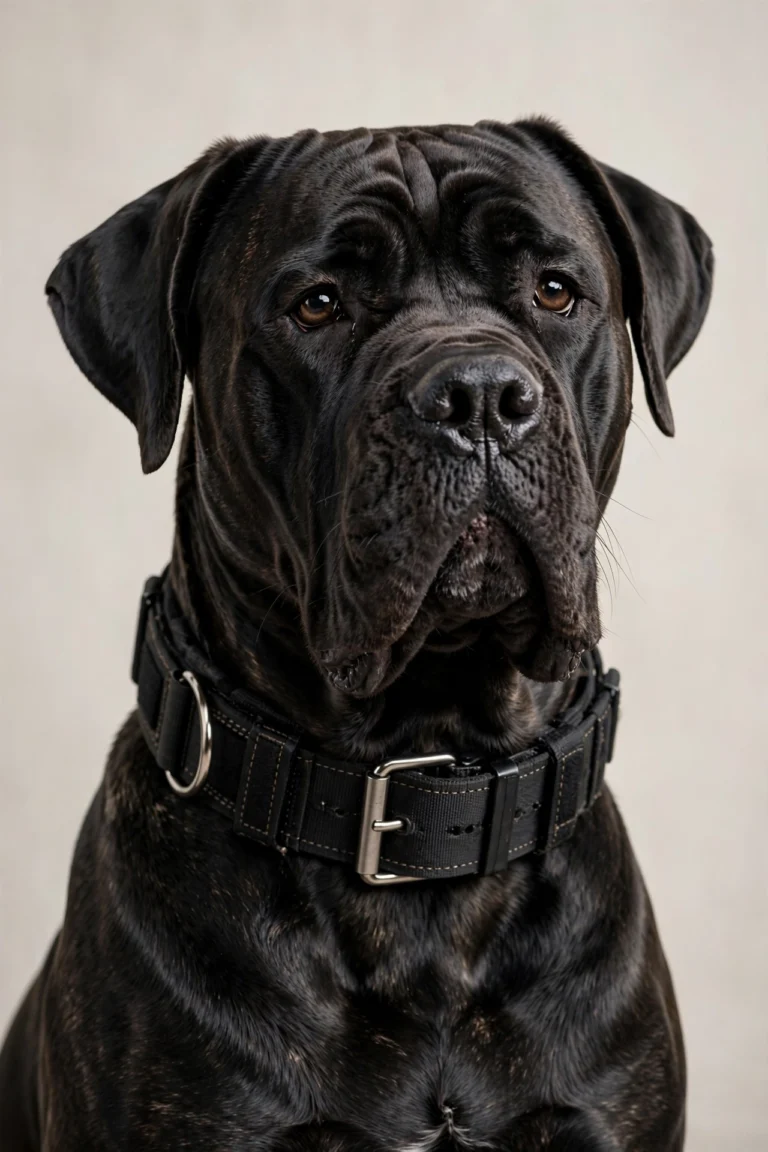
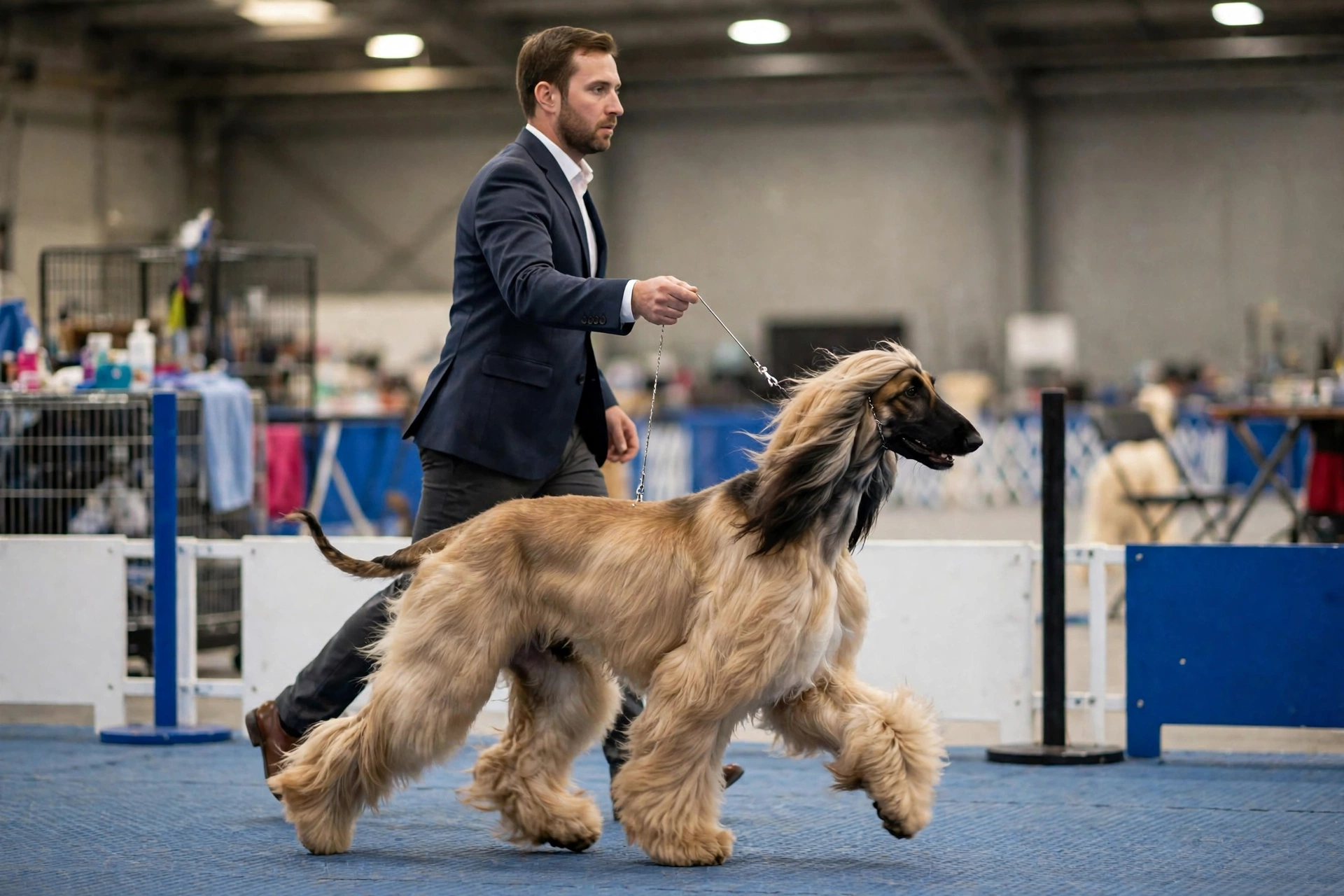
In the conformation ring, the collar is part of the presentation: it must control the dog invisibly, complement rather than distract from the dog’s outline, and satisfy the conventions of the venue and breed. The best show dog collars are typically fine slip leads, martingale show leads, or delicate chain collars — minimal, elegant, and chosen to suit the breed’s size, coat, and the handler’s technique. I have evaluated the show leads and collars that handlers actually use, and this guide covers five proven options plus the ring etiquette, breed conventions, and kennel-club context you need to choose wisely before you buy.
Affiliate disclosure
As an Amazon Associate, I earn from qualifying purchases. If you buy through a link on this page, I may earn a commission at no extra cost to you.
⚡ The short answer
🥇Mendota Show Martingale LeadBest overall→🥈Resco Cordo-Hyde Show LeadClassic choice→🥉SGang Martingale (Sighthounds)Sighthounds→
Quick Picks: Best Show Dog Collars at a Glance
| Product | Best for | Standout feature |
|---|---|---|
| Mendota Show Martingale Lead | Best overall | USA-made, diamond braid, leather slide |
| Resco Cordo-Hyde Show Lead | Classic choice | Wax-coated cotton, American made |
| SGang Martingale (Sighthounds) | Sighthounds | Wide martingale for narrow heads |
| Mendota Show Slip Lead | Slip lead purists | Ultra-fine 1/8″ show slip |
| Alvalley Fine Chain Collar | Traditional look | Fine brass snake chain |
5 Show Ring Collars and Leads
Show “collars” are usually lead-collar combinations — the lead itself forms the collar. Each option below is a proven ring choice; the right one depends on your breed’s conventions and your handling style.
Mendota Show Martingale Lead
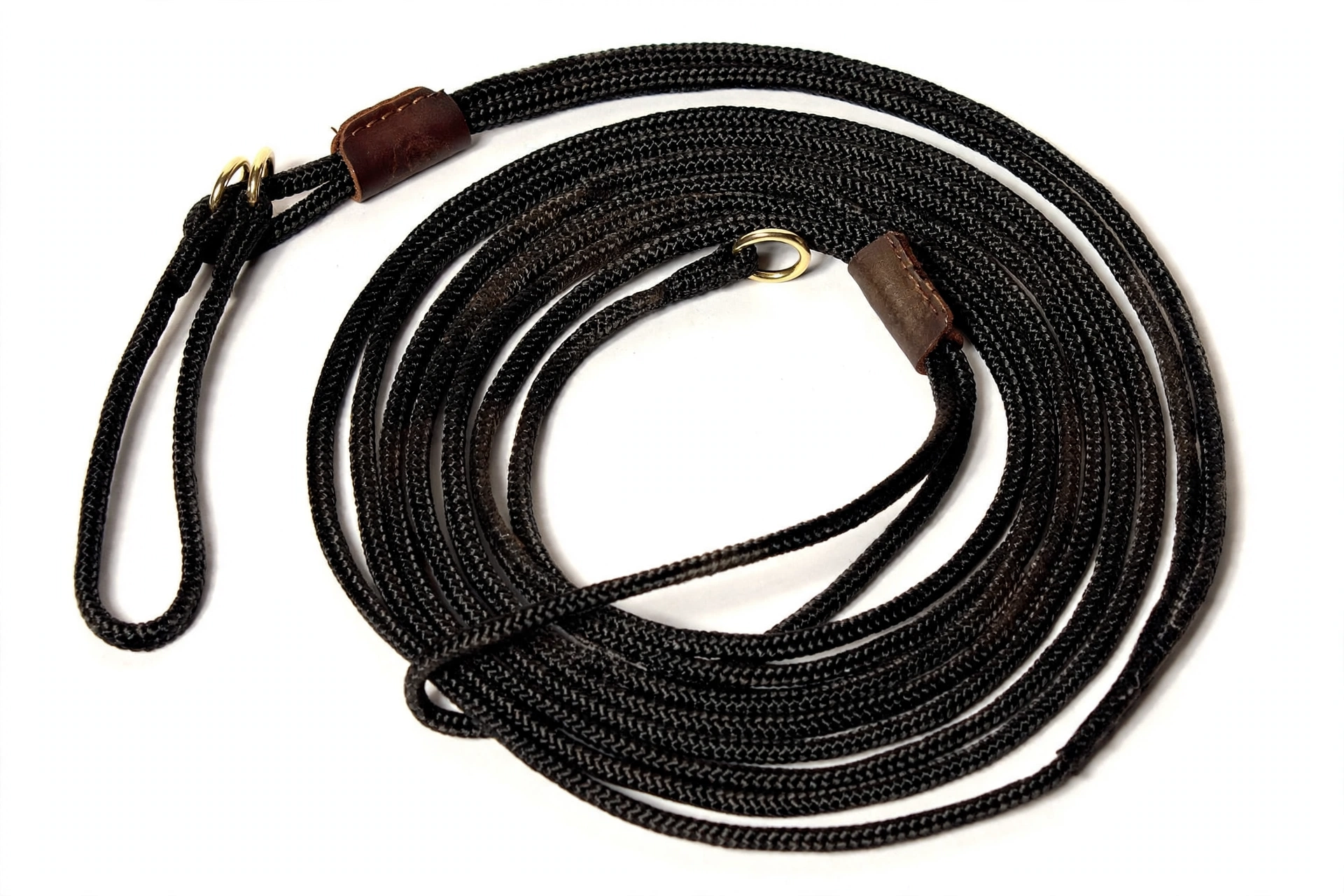
The Mendota show martingale is the ring standard I recommend first: handmade in the USA from soft, pliable diamond-braid polypropylene rope, with an adjustable oil-tanned leather slide that sets the collar size and durable brass hardware. The martingale action secures the dog without the continuous tightening of a plain slip lead, and the fine 1/8″ profile all but disappears against the dog’s neck — exactly what a judge wants to see. Mendota backs it with a lifetime guarantee. Available in multiple colors and collar sizes to suit different breeds.
Resco Cordo-Hyde Martingale Show Lead
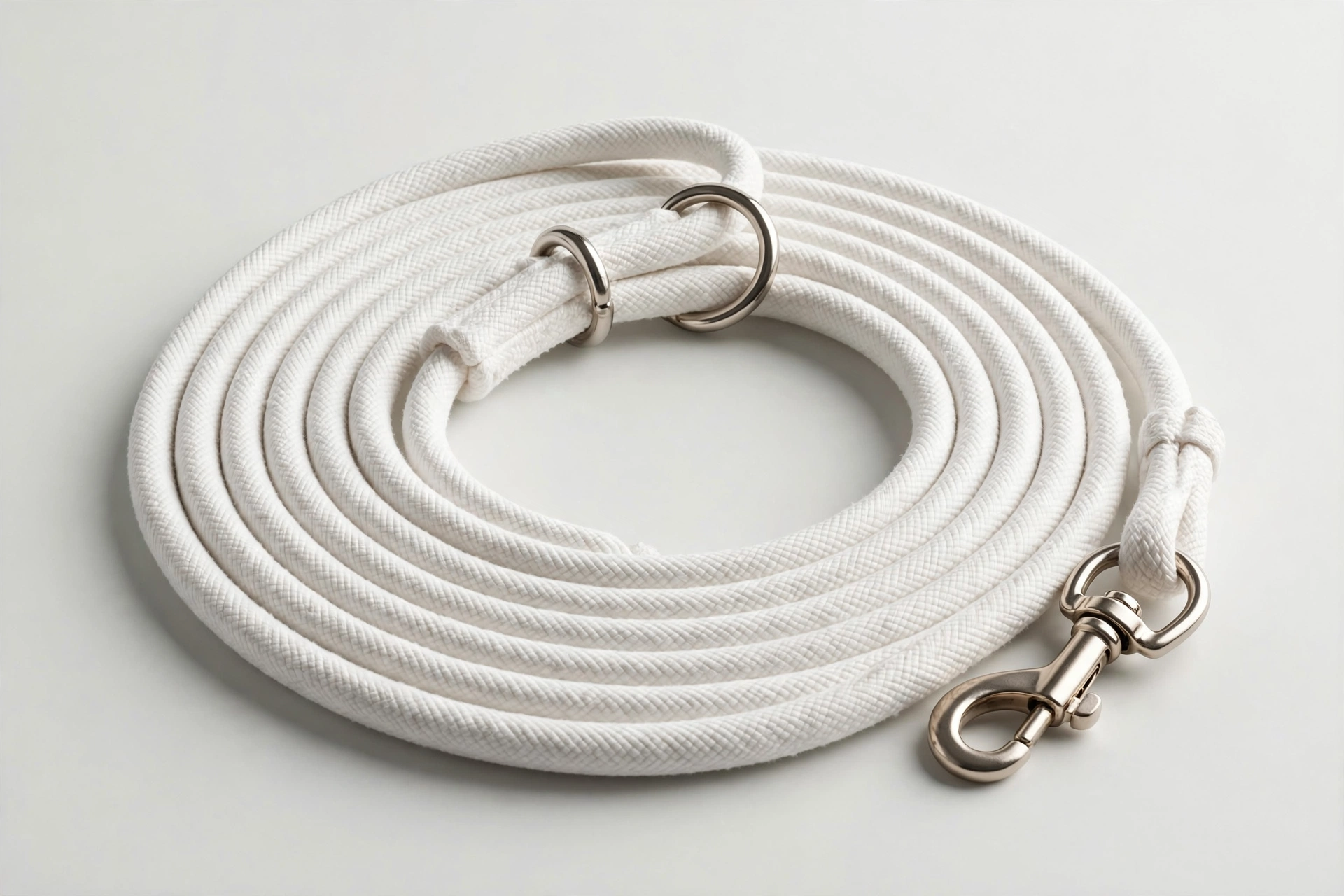
Resco’s Cordo-Hyde leads are American-made classics: a unique wax-coated cotton material that can be balled up in the hand to hide the lead, stiff enough that the dog responds to subtle handler cues. The martingale design combines show lead and control collar, with a nickel-plated bolt snap for quick release. This is the old-school handler’s choice — generations of exhibitors have won with Cordo-Hyde in hand. The white is traditional for many breeds; the waxed cotton develops character with use.
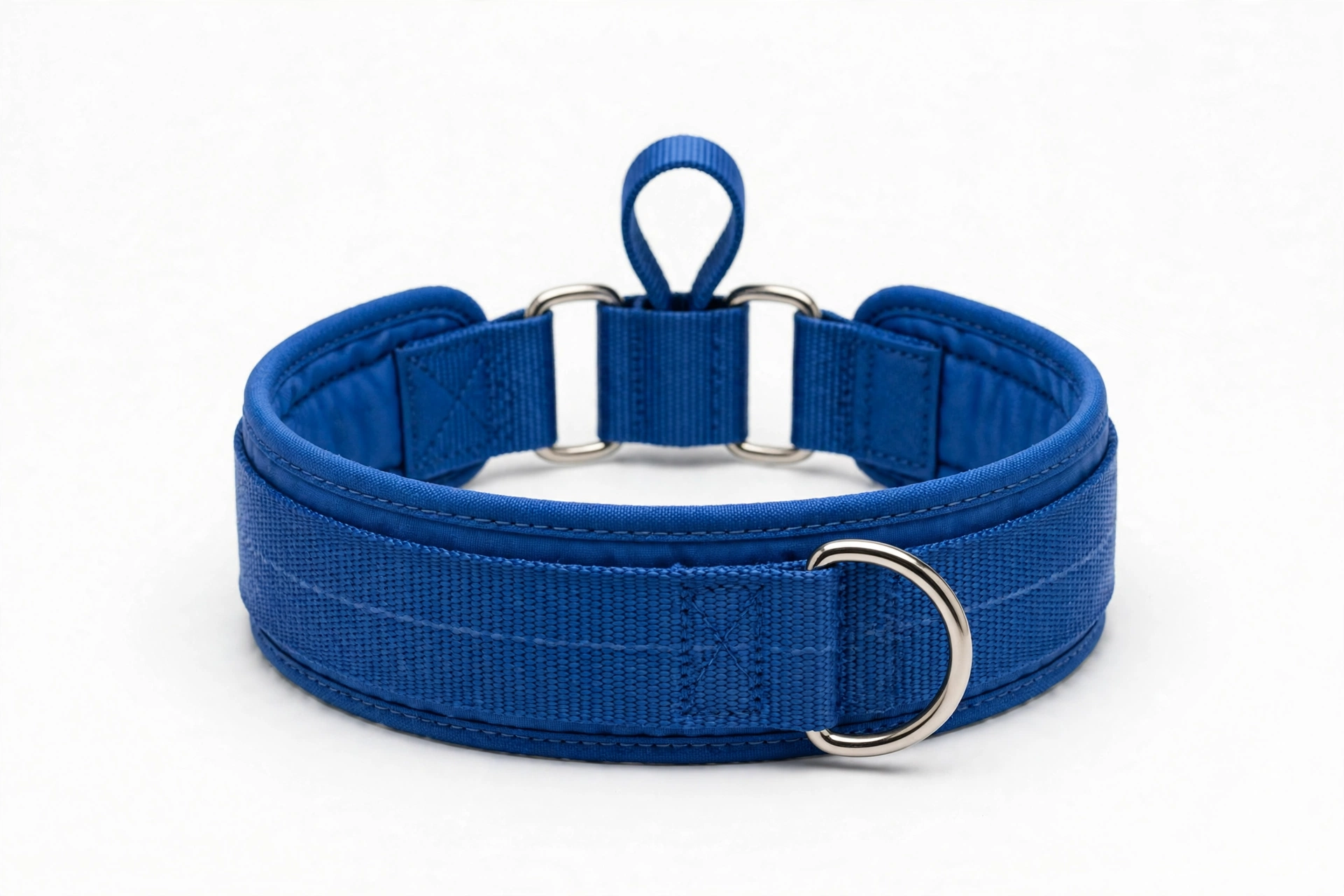
SGang Martingale Collar
Sighthounds — Greyhounds, Whippets, Salukis, Borzois — have necks wider than their heads and slip standard collars effortlessly, which is why the martingale was invented for them. The SGang martingale in a wide 2″ cut suits the sighthound neck: the limited-slip action prevents escape without choking, and the wider band distributes pressure elegantly. For sighthound breeds shown on collars rather than slip leads, this is the correct tool. Measure both the neck (behind the ears) and the head circumference before choosing a size.
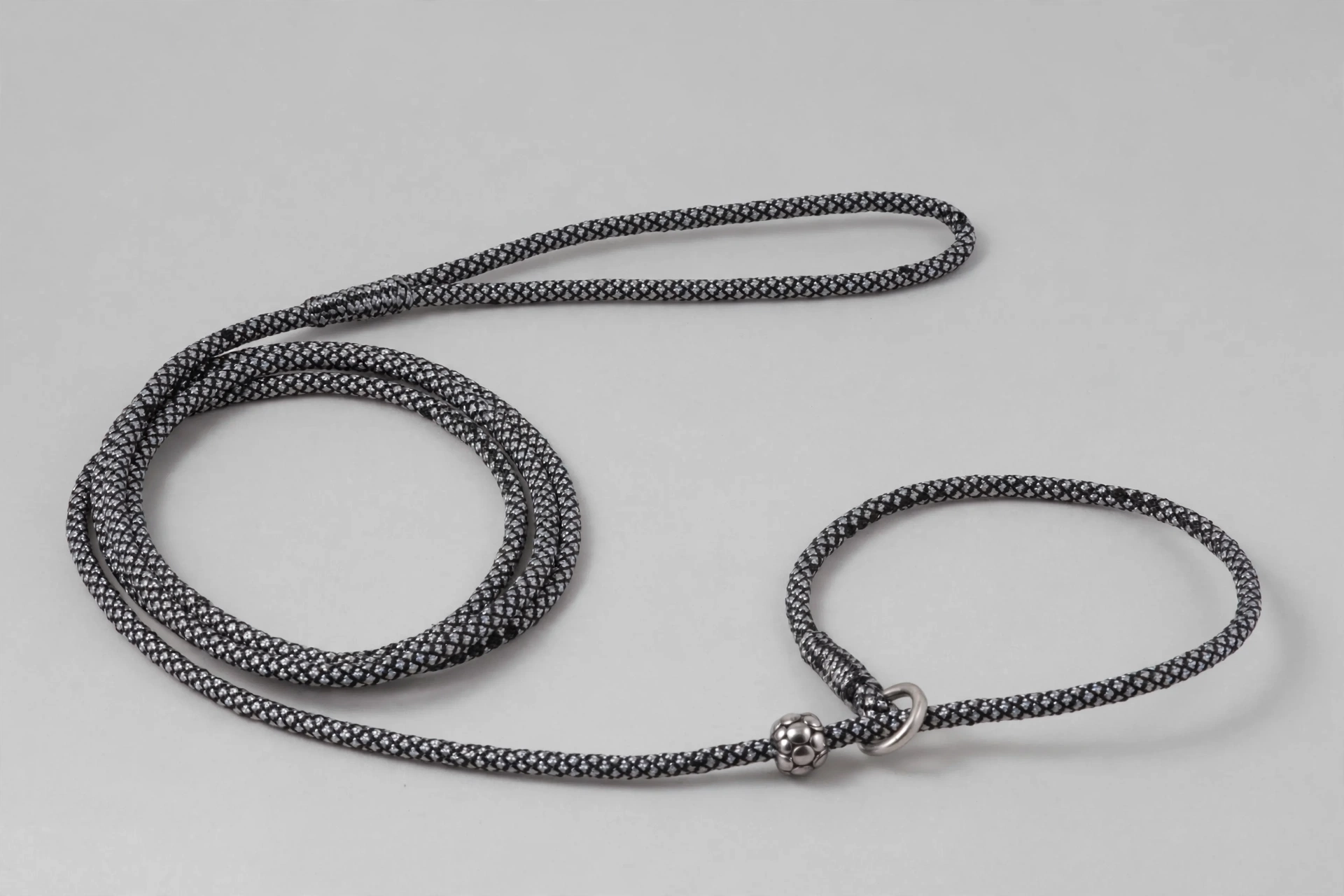
Mendota Show Slip Lead
For handlers who prefer a true slip lead, Mendota’s show slip in 1/8″ diamond braid is the refined choice: ultra-fine, soft, and pliable, it communicates the subtlest cues and visually vanishes on the dog. The slip action requires handler skill — it tightens without a stop, so timing and a light hand matter. I recommend this for experienced handlers and for breeds traditionally shown on slip leads; beginners should start with the martingale version above, which is more forgiving.
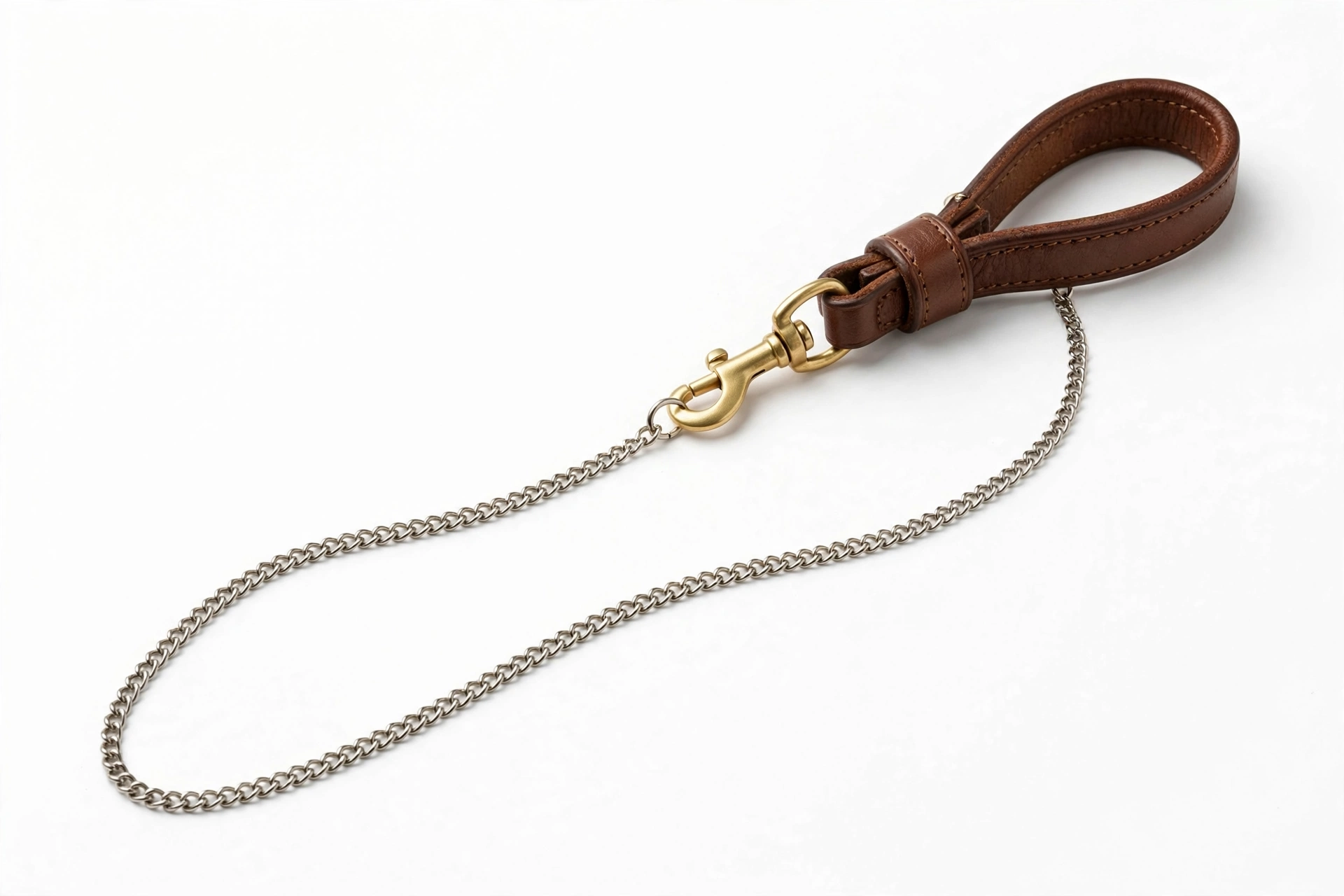
Alvalley Fine Chain Show Collar
The fine chain show collar — a delicate brass snake chain that pairs with your own lightweight lead — remains the traditional choice for many large and coated breeds, where the chain’s subtle correction and classic look suit the presentation. The Alvalley’s fine brass chain sits elegantly against the coat without distracting from the dog’s outline. Choose a fine gauge appropriate to your dog’s size; heavy chain has no place in the ring. Check the current fine chain show collar options on the listing and match the chain weight to your breed’s convention.
Buying Guide: Show Collars and Leads
Show equipment is judged by invisibility: the best lead is the one the judge never notices. Here is how I think about the choices. For the ring, a stainless steel chain collar is the classic presentation choice for some breeds, while velvet collars suit breeds where a soft, understated look wins.
Slip lead vs. martingale show lead
The fundamental choice. A slip lead is a single loop that tightens without limit — maximum subtlety, maximum handler responsibility. A martingale show lead adds a limited-slip action with a defined stopping point — nearly as invisible, far more forgiving. I recommend beginners start with the martingale show lead (the Mendota is the classic) and graduate to a true slip lead only when their timing is reliable. An overtightened slip lead on a nervous dog is visible to any judge, and it never helps.
Matching the lead to the breed
Breed conventions matter enormously in the ring, and they vary: fine slip leads for many toy and sporting breeds, martingale show leads broadly, chain leads for some large and working breeds, wide martingales for sighthounds. I strongly recommend studying your breed’s parent club guidance and watching how successful handlers in your breed present their dogs before buying. The “wrong” lead will not disqualify you, but the right one signals that you understand the breed — and presentation is part of the game.
Material and color: disappear, don’t decorate
The lead should complement the dog, never compete with it. Dark leads on dark dogs, light leads on light coats — the goal is a continuous visual line from handler’s hand to dog. Diamond braid, Cordo-Hyde, and fine leather all work; the choice is handler feel. I avoid bright colors in the ring (save them for practice), and I avoid anything reflective or embellished — the ring is about the dog, full stop.
Sizing: the high-neck position
Show leads are worn high on the neck, just behind the ears and jaw — this gives the handler control of the head carriage, which is the point of the exercise. The collar loop should be sized to sit in that position without sliding down to the base of the neck. The Mendota’s leather slide exists precisely for this adjustment. I fit the loop snugly in the high position; a lead that migrates down the neck during gaiting defeats its purpose.
Kennel-club context: check your rulebook
Conformation rules live with the registries — AKC, UKC, CKC, FCI affiliates, and breed parent clubs — and they evolve. I do not quote specific equipment rules here because they change and vary by venue; instead, I advise every new exhibitor to read their registry’s current conformation rulebook and their breed club’s guidance before purchasing. What I can say generally: choke chains used harshly, prong collars, and electronic collars have no place in the conformation ring, and most venues’ sportsmanship expectations align with humane handling. When in doubt, ask a mentor in your breed.
Practicing with the show lead at home
The show lead is a communication instrument, and I practice with it the way a musician practices scales: short daily sessions of stacking, gaiting patterns, and free-stacking on the fine lead. The goal is a dog that responds to feather-light cues — a slight lift for head carriage, a whisper of tension for pace. I do all of this practice on the same type of lead I will show on, because the dog learns the specific feel. Heavy-handed practice on a fine lead teaches the dog to lean into pressure; light, reward-based practice teaches the responsiveness that wins. I end every practice session with the dog wanting more — a young show prospect that loves the lead will forgive your handling mistakes while you learn together.
Travel and show-day lead management
On show day, I keep the show lead in a dedicated pocket or pouch — never loose in a gear bag where it tangles with bait pouches and brushes. The dog wears a regular collar and leash until minutes before ring time, then I switch to the show lead for the final warm-up. After the class, the show lead comes off and goes straight back in its pouch. This ritual keeps the lead clean and kink-free, and it teaches the dog a useful association: show lead on means it is time to sparkle.
Frequently Asked Questions
What collar do show dogs wear in the ring?
Most show dogs are presented on fine slip leads or martingale show leads — minimal, elegant lead-collar combinations that control invisibly. Some breeds use fine chain leads or wide martingales (sighthounds). The choice follows breed convention more than personal taste.
Are choke chains allowed in dog shows?
Fine slip leads and slip chains have a long tradition in conformation, but harsh use is penalized under sportsmanship expectations everywhere. I recommend the martingale show lead for anyone still developing their hands — it gives the traditional look with a built-in safety limit. Always check your registry’s current rulebook.
What is the difference between a show lead and a regular leash?
A show lead is a combined collar-and-lead in one: a fine loop that goes around the neck plus a lead, designed for invisible control and presentation. A regular leash clips to a separate collar. Show leads are worn high on the neck for head control; regular leashes attach at whatever collar position the dog wears daily.
How do I choose the right color show lead?
Match the lead to the dog so it disappears: dark leads for dark-coated dogs, light or white leads for light coats. The goal is an unbroken visual line. Avoid bright colors, patterns, and anything reflective in the ring — save those for training.
Can I use a show lead for everyday walks?
You can, but I recommend keeping the show lead pristine for the ring and using a regular collar and leash daily. Show leads are fine instruments — daily wear grinds them down and teaches the dog to ignore their subtle cues. Many handlers keep the show lead in the show bag, where it stays clean and the dog learns its appearance predicts ring time.
At what age should I introduce a show lead?
Introduce the feel of a fine lead during puppyhood as part of stacking and gaiting practice — short, positive sessions. I start puppies on a light slip or martingale show lead for brief training well before their first show, so the equipment is boring and familiar by ring time. Keep early sessions short and reward heavily.
Do I need a different show lead for each breed I show?
Often, yes — at least in size and color. A lead that suits a Great Dane will swallow a Papillon, and the color that disappears on a black dog stands out on a white one. I keep a small rotation: fine and medium weights, dark and light colors. The investment is modest compared to entry fees, and having the right lead for each dog is part of professional presentation.
Related Buying Guides
The verdict
My verdict: the Mendota show martingale lead is the show-ring default I recommend — handmade in the USA, nearly invisible, forgiving enough for developing handlers, and backed for life. Traditionalists should look at the Resco Cordo-Hyde; sighthound exhibitors need the wide martingale. And whatever you choose, let breed convention and your mentor’s advice guide you — in the conformation ring, the equipment should be the last thing anyone notices, and the dog the only thing they remember. Buy the lead, then put in the practice hours: the finest lead in the world cannot substitute for a well-prepared dog, quiet hands, and ring confidence earned through patient practice.