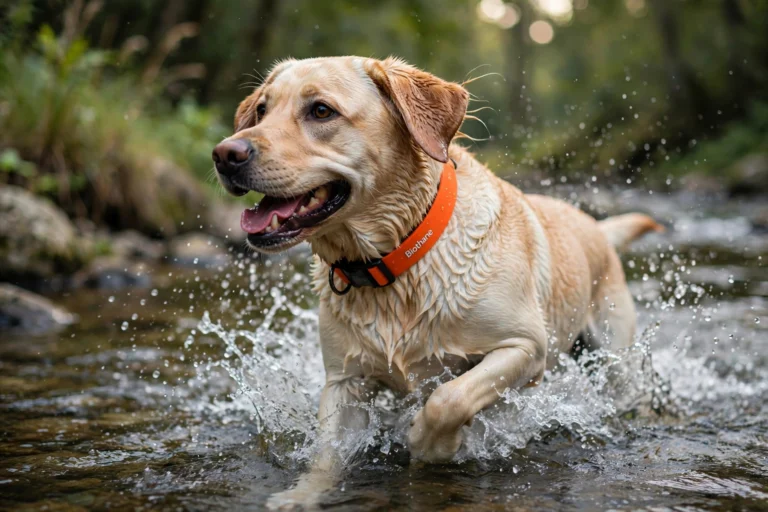
Agility asks more of a collar than almost any other dog sport: it must be light enough not to distract a dog mid-course, secure enough to hold a fired-up athlete at the start line, quick enough to remove in one motion before the run, and snag-free so nothing catches on equipment. The best agility dog collars nail all four — typically flat, lightweight designs with quick-release buckles, no dangling tags, and materials that survive outdoor training in all weather. I have evaluated the options agility handlers actually reach for at trials and in training, and this guide covers five collars built for the sport, plus the ring rules, safety habits, and start-line routines that matter more than the gear itself.
Affiliate disclosure
As an Amazon Associate, I earn from qualifying purchases. If you buy through a link on this page, I may earn a commission at no extra cost to you.
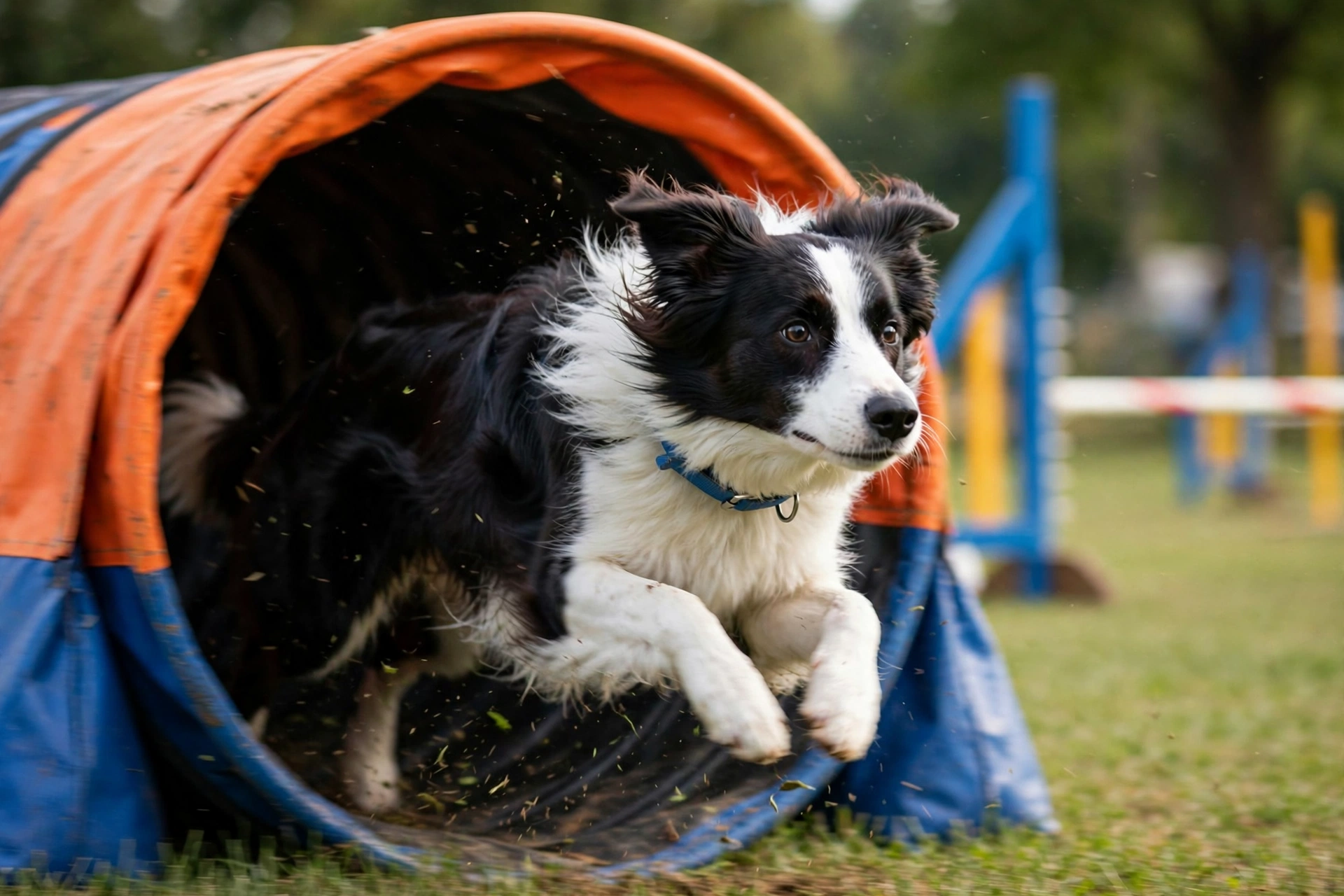
⚡ The short answer
🥇Dogline Biothane Quick ReleaseBest overall→🥈DHTails Magnetic Quick ReleaseFastest on/off→🥉Lightweight Nylon Flat CollarBudget pick→
Quick Picks: Best Agility Dog Collars at a Glance
| Product | Best for | Standout feature |
|---|---|---|
| Dogline Biothane Quick Release | Best overall | Waterproof, odor-proof, lightweight |
| DHTails Magnetic Quick Release | Fastest on/off | Magnetic buckle, instant release |
| Lightweight Nylon Flat Collar | Budget pick | Simple, light, ring-legal |
| CHENHELL Martingale | Start-line control | Chain-loop martingale, quick release |
| Tagless Embroidered Collar | Safety pick | No dangling tags to snag |
5 Agility-Ready Collars
Agility handlers generally run dogs either naked (no collar) or in a flat collar — many venues require collars to be removed or taped before running. The collars below are the ones that make the on-off dance effortless and the waiting time comfortable.
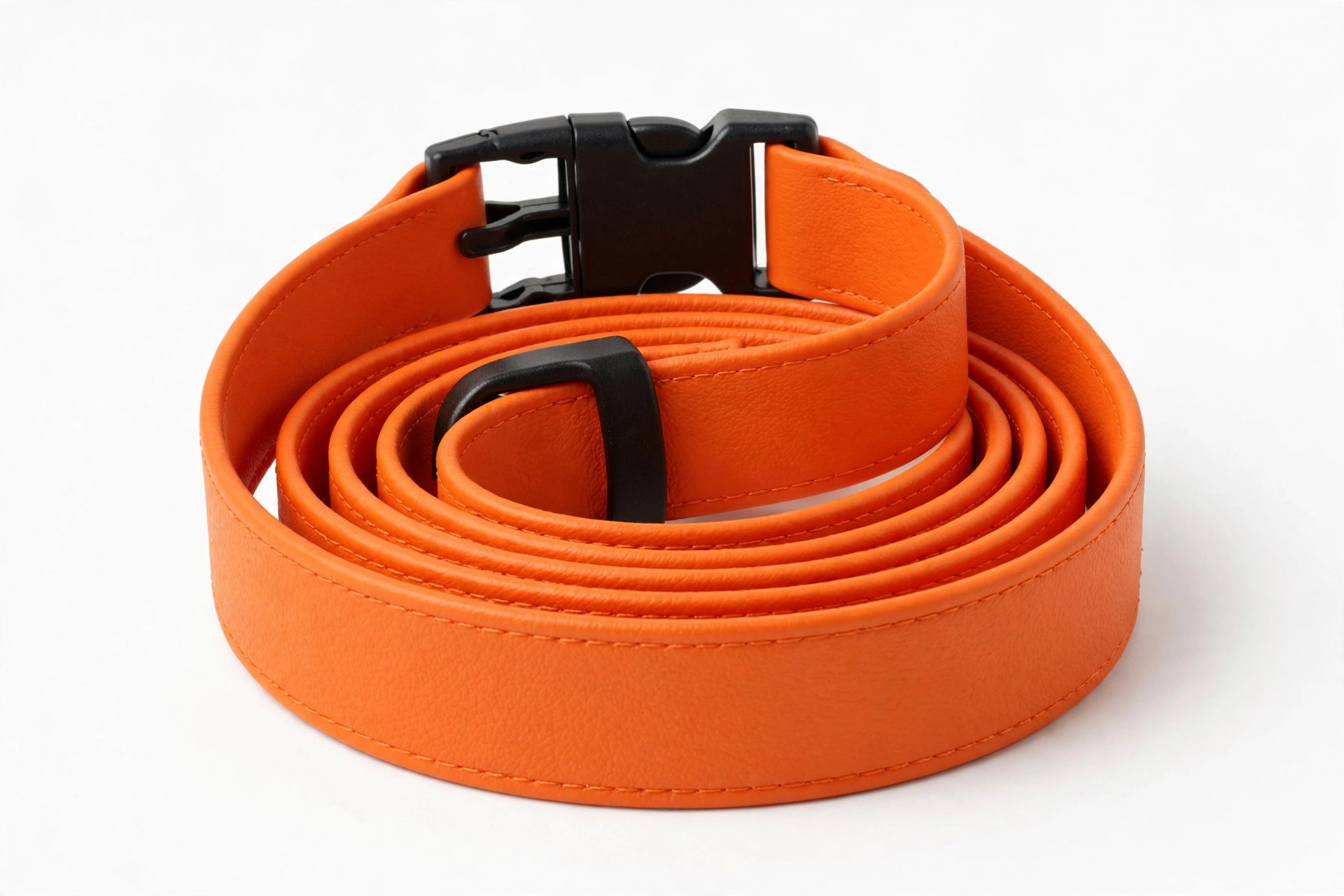
Dogline Biothane Quick Release Collar
Biothane is the agility world’s favorite collar material for good reason: a polyester webbing core bonded with a waterproof coating that is stronger than leather or nylon, stays flexible, wipes clean with a damp cloth, and never absorbs water or odor — critical for a sport trained outdoors in all weather. Dogline’s version pairs it with a quick-release buckle for instant on-off at the ring gate and a sturdy D-ring for tags and leash, in 17 colors and multiple widths. Lightweight, weatherproof, and easy to clean: I consider this the default agility collar, and the one I recommend first.
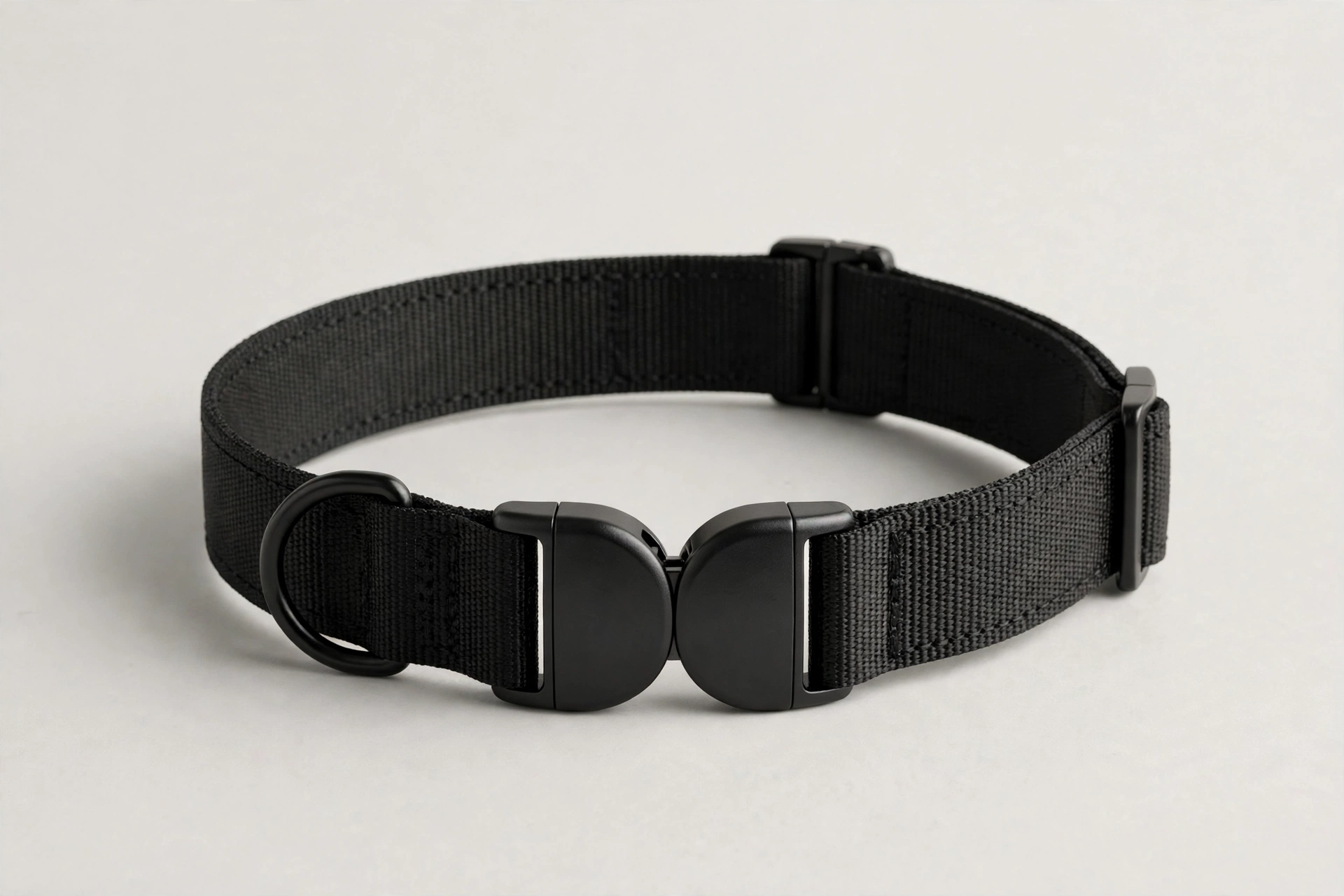
DHTails Magnetic Quick Release Collar
The start-line ritual — collar off, dog released, run, collar back on — happens dozens of times per training day, and the DHTails magnetic buckle makes it nearly instant: the strong magnetic clasp snaps on and off with one hand, no fumbling with side-release buckles while holding a leash and a revved-up dog. The lightweight nylon-plus-PU-leather build is gentle on coat, with a large D-ring for the leash and a small dedicated tag ring. For handlers who value ring-gate efficiency above all, this is the pick. (Check the magnetic buckle’s hold against your dog’s strength before trusting it at a trial.)
Lightweight Nylon Flat Collar
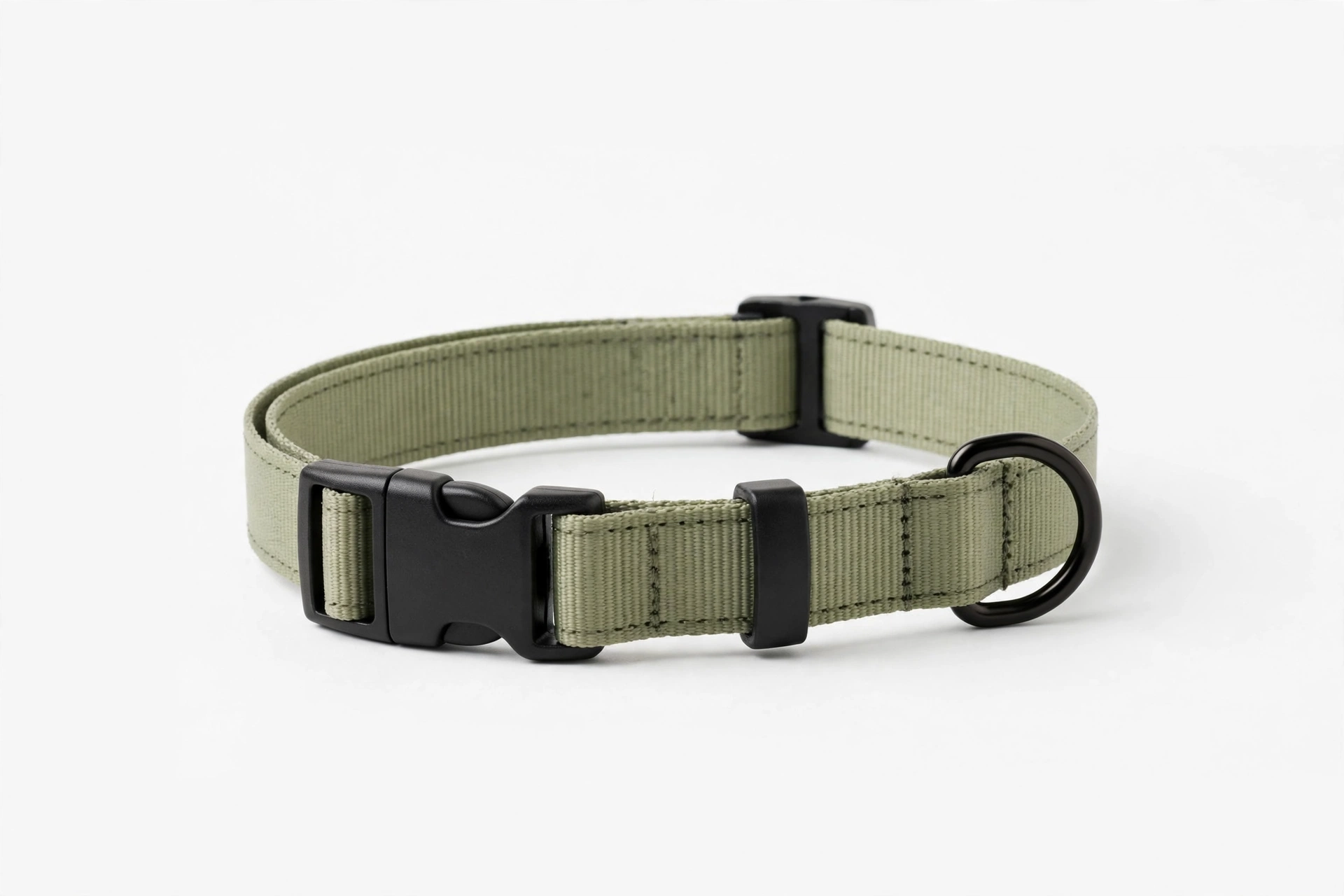
Sometimes the best agility collar is the simplest: a lightweight flat nylon collar with a standard side-release buckle — no handles, no bulk, no hardware to catch on a wing or tunnel. It is ring-legal everywhere flat collars are allowed, cheap enough to keep spares in the trial bag, and light enough that most dogs forget they are wearing it. Check the current lightweight options on the listing and choose a snug, tag-free setup for running.
CHENHELL Martingale Collar
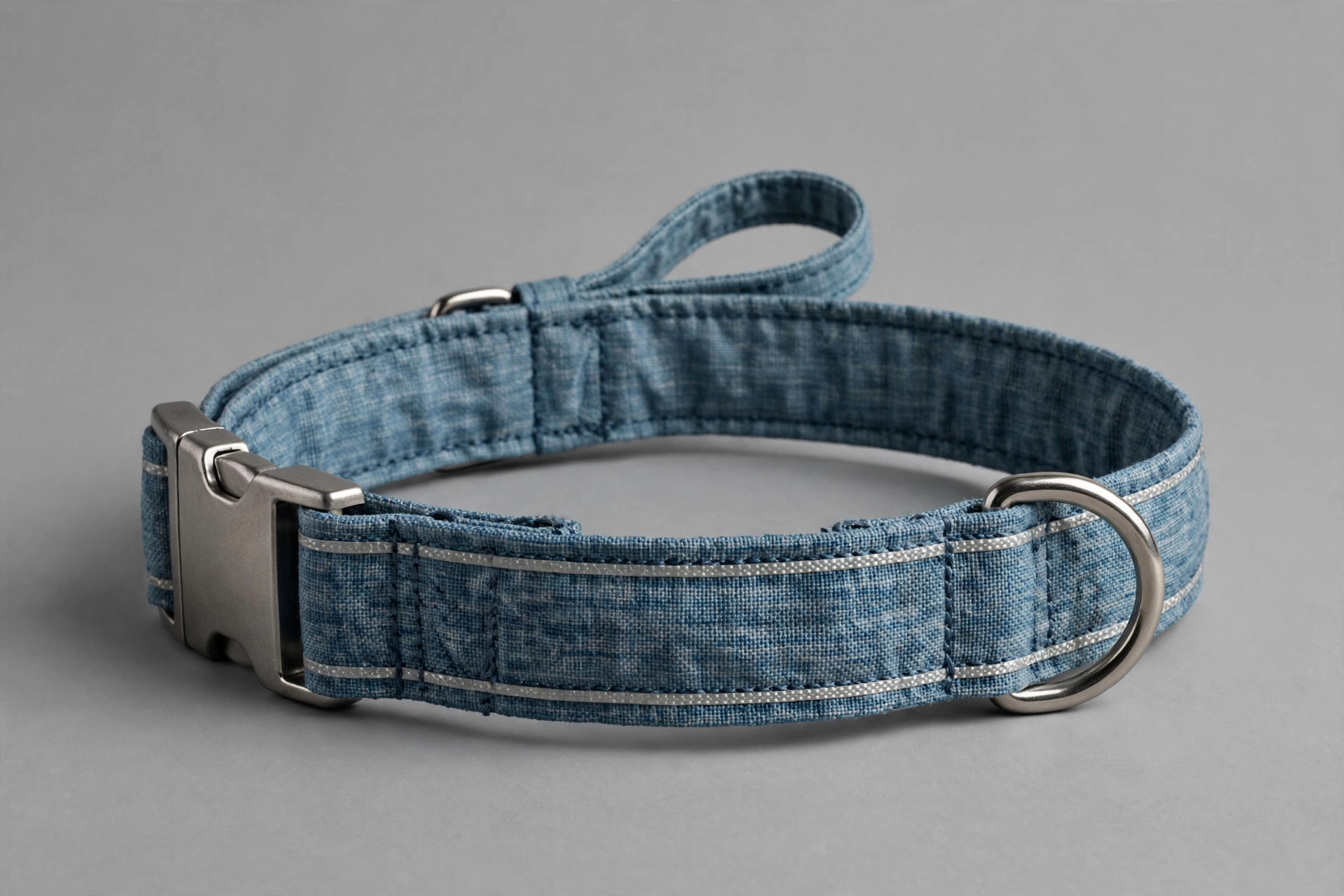
Many agility handlers prefer a martingale for the walk to the ring: the limited-slip action gives control over an aroused dog without choking, and a quick-release martingale comes off in one motion at the start line. The CHENHELL pairs a reflective fabric body with a stainless-steel chain martingale loop and a quick-release buckle: the chain loop gives smooth, even limited-slip action, the reflective webbing keeps the dog visible on early-morning walks to the ring, and the buckle pops off in one motion at the start line. Size it so it cannot slip over the head when loose. Note the chain loop adds a little weight versus an all-fabric martingale — a fair trade for the smoother slip.
Tagless Embroidered Collar
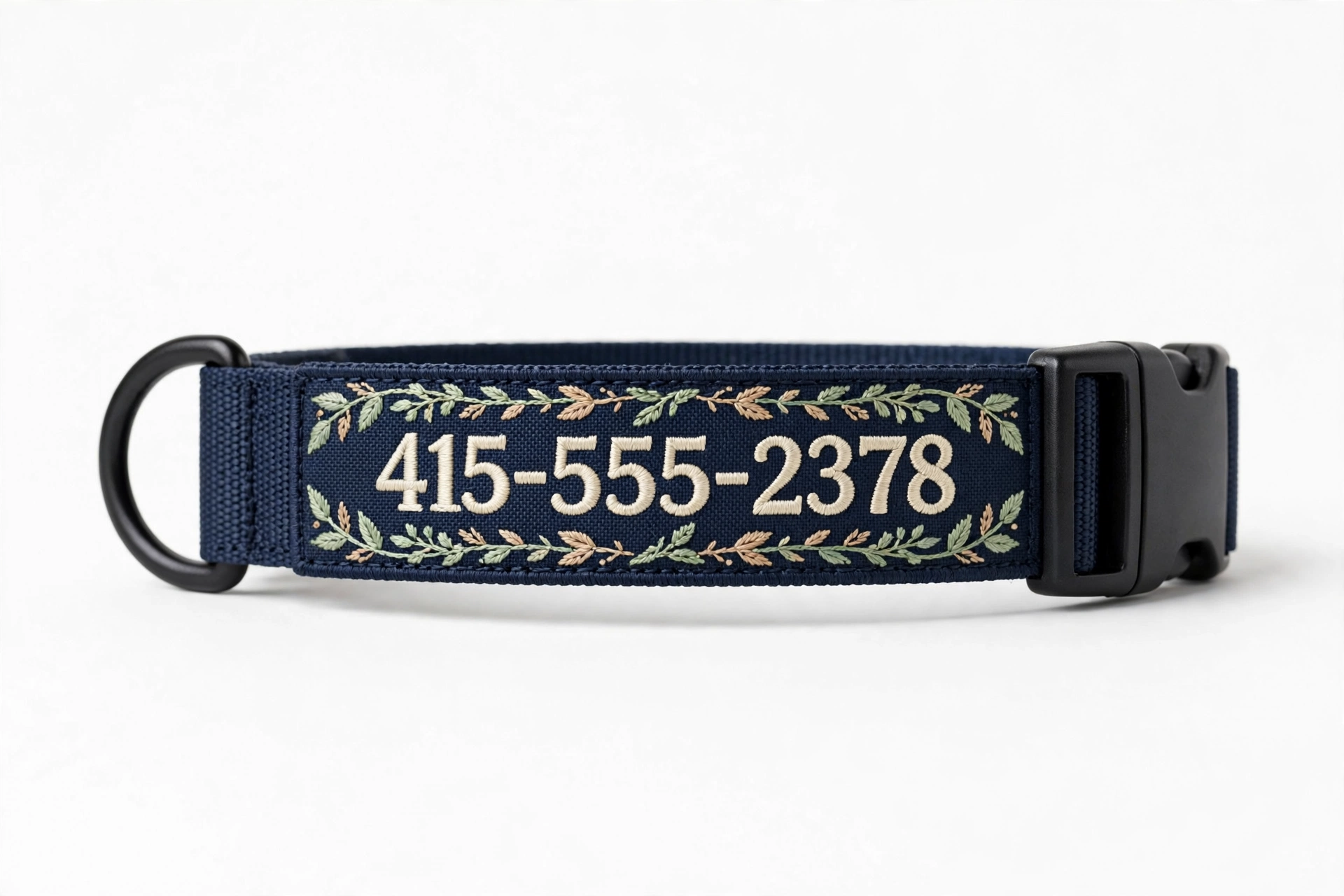
Dangling tags are a genuine agility hazard — they catch on equipment, distract the dog, and violate some venues’ rules. An embroidered collar puts the phone number directly on the webbing: ID without anything to snag. I recommend this as the running collar for any handler whose venue allows collars on course, or as the everyday collar for the agility dog that trains in varied environments. Check the current embroidered-collar options on the listing and get the phone number stitched large enough to read at a distance.
Buying Guide: Agility Collars
The right agility collar is defined as much by what it lacks as what it has. Here is the handler’s checklist. Handlers who also struggle with pulling on the walk to the ring should look at no pull dog collars, and a matched collar and leash set keeps the whole setup consistent.
The ring rules: know before you buy
Agility venues regulate collars, and the rules differ: many organizations require dogs to run without collars, or with collars taped/covered; some allow flat collars but prohibit tags, choke chains, or anything dangling. I strongly recommend checking your venue’s rulebook (AKC, USDAA, CPE, UKI all publish theirs) before investing. The practical upshot: whatever you buy must come off and go on in seconds, because you will do it constantly. This is why quick-release buckles dominate agility — not fashion, but regulation.
Weight and profile: less is more
On course, a heavy collar is a distraction and a pendulum. I favor the lightest collar that safely holds the dog: thin Biothane, light nylon, minimal hardware. Skip control handles (they catch on equipment), skip bulky padding (unnecessary for a collar worn minutes at a time), and skip anything with protruding hardware. The ideal agility collar nearly disappears on the dog.
Snag hazards: the safety audit
Walk through your collar with fresh eyes for catch points: dangling tags, loose D-rings, tag silencers that stick out, decorative elements. Equipment contact at speed is the nightmare scenario — a caught collar can injure the dog or wreck the run. Embroidered ID, flat tag pockets, or removing the collar entirely are the safe answers. I also check the buckle: it should release under deliberate human force but never from equipment contact.
Weather and training reality
Agility is trained outdoors year-round: mud, rain, snow, dust. This is where Biothane earns its reputation — it rinses clean and never stinks, while nylon absorbs odor and leather degrades. If you train in wet conditions, waterproof materials are not a luxury but a practical necessity. I keep a dedicated “training collar” that lives in the gear bag and gets hosed off without a second thought.
The start-line routine
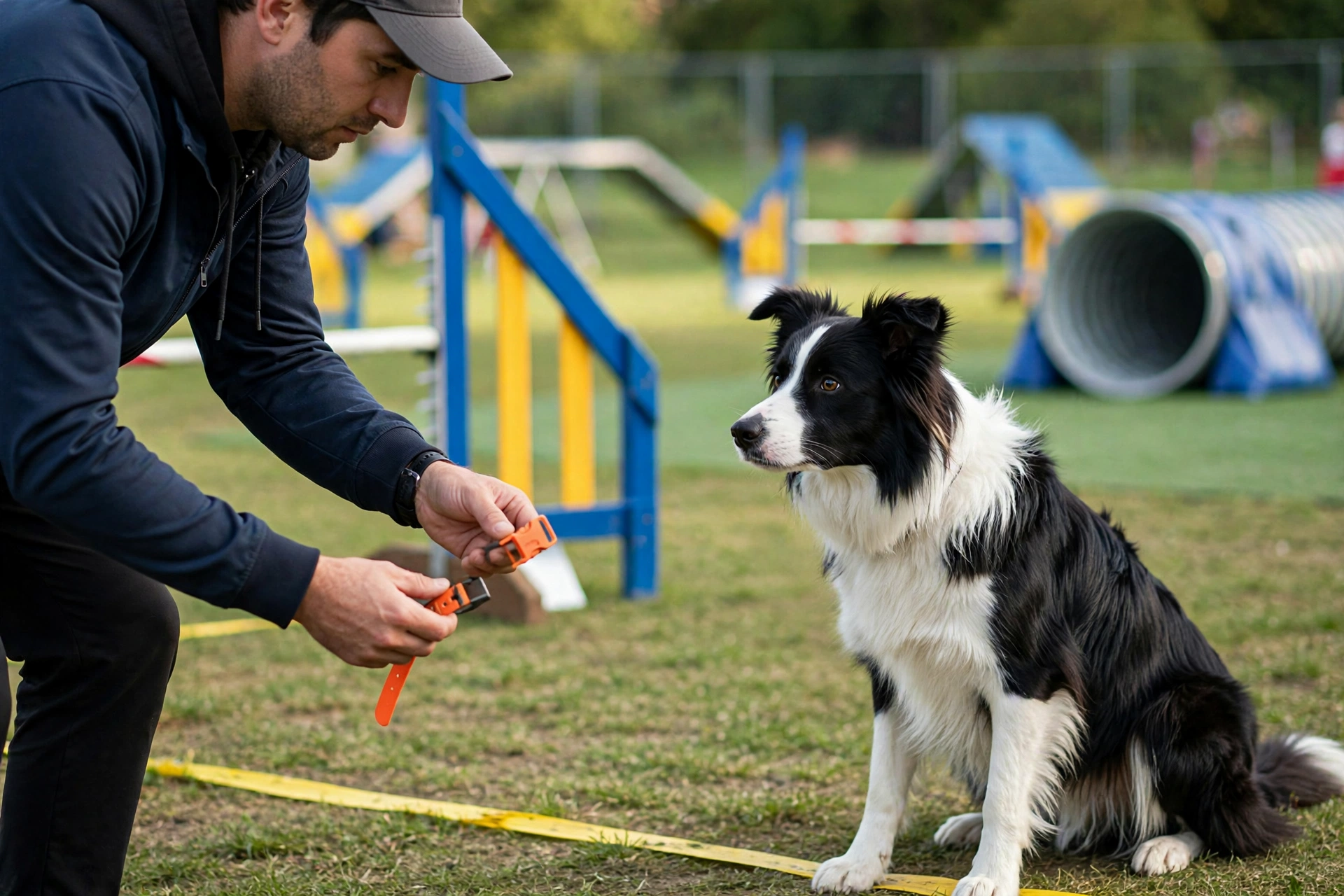
Gear serves the routine, not the other way around. My recommended setup: a quick-release collar for the walk to the ring and waiting, removed (or per venue rules) at the start line, with the leash runner handing it back or it going in your pocket. Practice the on-off until it is muscle memory — fumbling at the start line transmits tension down the leash. The magnetic and quick-release buckles in this guide exist to make that ritual invisible.
Training collar vs. trial collar: do you need two?
I keep two, and I think most serious handlers should. The training collar is the workhorse — Biothane, rinsed without ceremony, living in the gear bag. The trial collar is the clean, sharp-looking one reserved for competition days: same fit and feel so the dog notices no difference, but photo-ready. The reason is practical, not vain: a mud-caked collar at a trial looks sloppy in photos you will keep forever, and keeping the trial collar pristine means it is always exactly where you expect it on competition morning.
Puppy foundations: collar manners start early
Agility prospects should learn collar neutrality as puppies: collar on, collar off, leash clipped, leash unclipped — all boring, all routine. I introduce the quick-release buckle sound early so the click predicts good things, and I practice the start-line removal ritual with a young dog long before it matters. A dog that stands calmly for collar removal at the start line is a dog whose handler can focus on the course, not the gear. This is trained, not innate — put the reps in during foundation work.
The dog’s opinion: watch for collar stress
Some dogs run measurably better naked — not because of the collar’s weight, but because the removal ritual itself has become a stress cue. If your dog perks up when the collar comes off and dulls when it goes on, the collar has acquired emotional baggage, usually from tense handling at the buckle. I fix this by re-conditioning: collar on, treat party, collar off, treat party, until the buckle click predicts rewards. The best agility collar in the world underperforms if the dog has negative associations with wearing it.
Frequently Asked Questions
Can dogs wear collars during agility runs?
It depends on the venue. Many organizations require collars to be removed before running; others allow flat collars but prohibit tags and dangling items. Always check your specific venue’s rulebook. When in doubt, I default to removing the collar — running naked is never penalized.
What is the best collar material for agility?
Biothane is the handler favorite: lightweight, waterproof, odor-proof, and strong. Lightweight nylon is the budget alternative. I avoid leather for agility (water damage, heavier) and full chain collars on course (noise, catch hazard, usually prohibited) — a chain-loop martingale is a walk-up tool, not a running collar.
Are martingale collars allowed in agility?
For getting to and from the ring, yes — martingales are popular for start-line control. On course, the same collar-removal rules apply as any other collar. Use a quick-release martingale — fabric or chain-loop — for the walk-up; the chain loop gives a smoother limited-slip action.
Should tags be removed for agility?
Yes — dangling tags are a snag hazard and are prohibited by many venues during runs. I recommend embroidered collars (ID on the webbing) or flat tag attachments for the training collar, and removing tags entirely for competition runs where required.
How tight should an agility collar be?
The standard two-finger rule applies, but I fit agility collars on the snug side of that range — a loose collar is more likely to catch on equipment. It should not rotate freely around the neck. Re-check fit regularly, since athletic dogs’ conditioning changes their neck size across a season.
Can I use my dog’s everyday collar for agility?
You can, but I recommend a dedicated agility collar. Everyday collars tend to be heavier, carry tags, and accumulate odor — all things you do not want at the ring. A lightweight Biothane collar in the gear bag costs little and keeps the routine clean.
What about GPS trackers on agility collars?
Leave them off for runs — a tracker adds weight, bulk, and a snag point with zero benefit on a fenced course. For the walk to the venue or off-leash warm-ups in open areas, a tracker has its place, but I remove it before the start line along with everything else non-essential. The agility collar should carry nothing but ID.
Do small dogs need different agility collars?
The principles are identical, but the margins are tighter: use the narrowest width that is safe (3/8″ to 5/8″ for most small breeds), the lightest hardware you can find, and be extra strict about snag hazards since small dogs run closer to equipment edges. Biothane in narrow widths is ideal — strong enough despite the light build.
Related Buying Guides
The verdict
My verdict: the Dogline Biothane quick-release collar is the agility default I recommend — light, waterproof, odor-proof, and ring-gate fast. If start-line fumbling is your nemesis, the DHTails magnetic buckle is worth a look. And whatever you choose, pair it with embroidered ID and a practiced on-off routine: in agility, the best collar is the one you never have to think about, on or off the course. Get the gear right once, and it disappears into the background where it belongs — leaving you and your dog free to run clean every time.