
Choosing the best flea collar for dogs shouldn’t feel like navigating a minefield of paid press releases — but that’s exactly what the current search results are: one brand’s PR syndicated across dozens of news sites. This is the independent comparison those results don’t give you. We put the premium benchmark, Seresto, head-to-head against proven budget picks like Hartz and Adams Plus, plus genuinely natural alternatives, so you can decide based on ingredients, duration, and safety — not sponsored hype.
Affiliate disclosure
As an Amazon Associate, Dogslifelearning earns from qualifying purchases. If you buy through links on this page, we may earn a commission at no extra cost to you. Our recommendations are independent and based on research, not sponsorships.
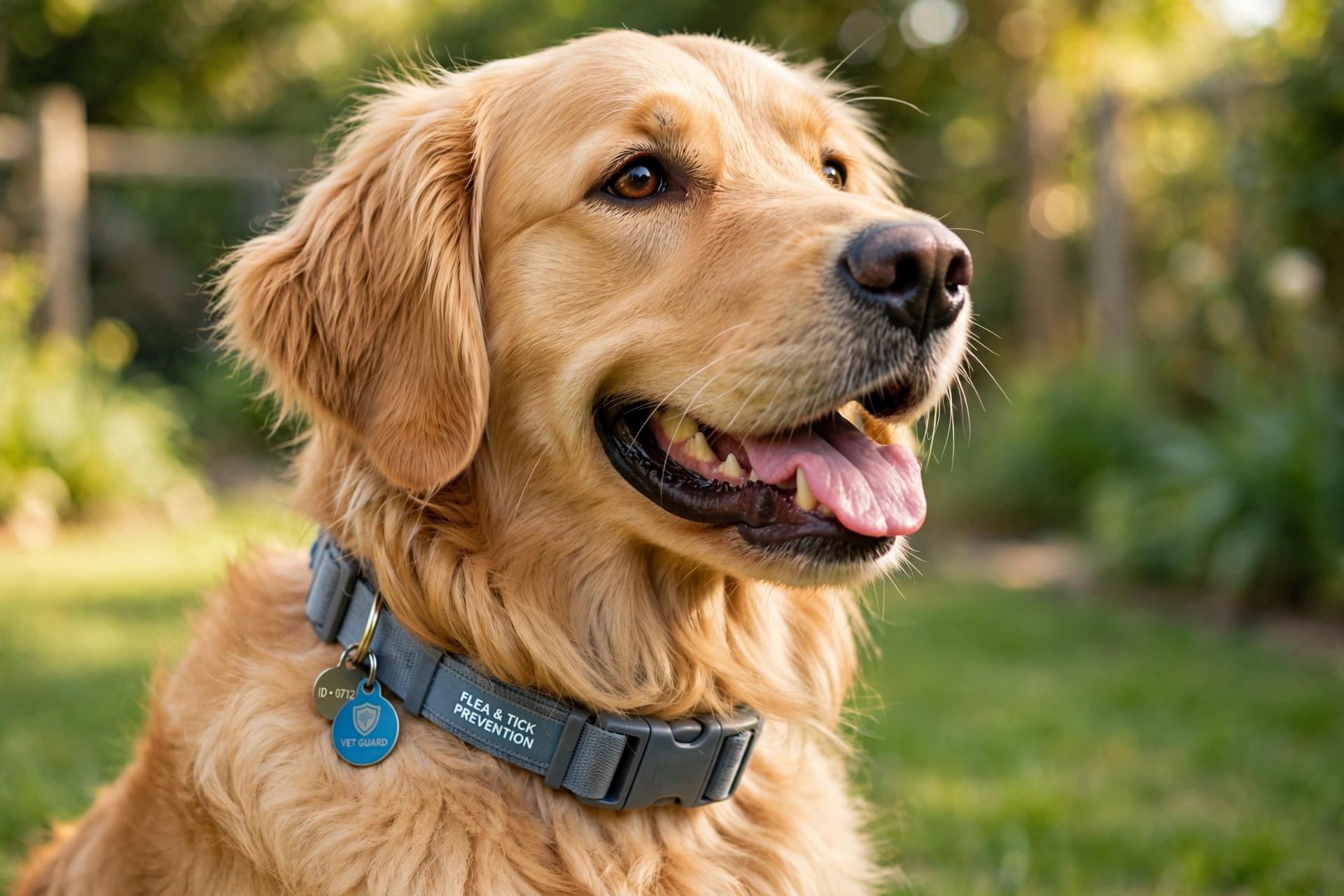
Our Top Flea Collar Picks at a Glance
⚡ The short answer
🥇Seresto Flea & Tick Collar for Dogs (Elanco)Best Overall→🥈Hartz UltraGuard Plus Flea & Tick Collar for DogsBest Budget→🥉Hartz UltraGuard Pro Reflective Flea & Tick CollarBest Budget With Night Visibility→
- Best overall: Seresto Flea & Tick Collar for Dogs — 8 months of vet-trusted protection
- Best budget: Hartz UltraGuard Plus Flea & Tick Collar — 7 months for a fraction of the price
- Best budget with night safety: Hartz UltraGuard Pro Reflective Collar — 7 months plus reflective visibility
- Best mid-range: Adams Plus Flea & Tick Collar — kills fleas, ticks, eggs and larvae
- Best full-body coverage value: Zodiac Flea & Tick Collar — 7 months, multiple size options
- Best natural: Wondercide Flea & Tick Collar — plant-powered, chemical-free
- Best gentle natural: Vet’s Best Flea + Tick Collar — essential oils, no synthetic pesticides
Seresto vs Budget Picks: Full Reviews
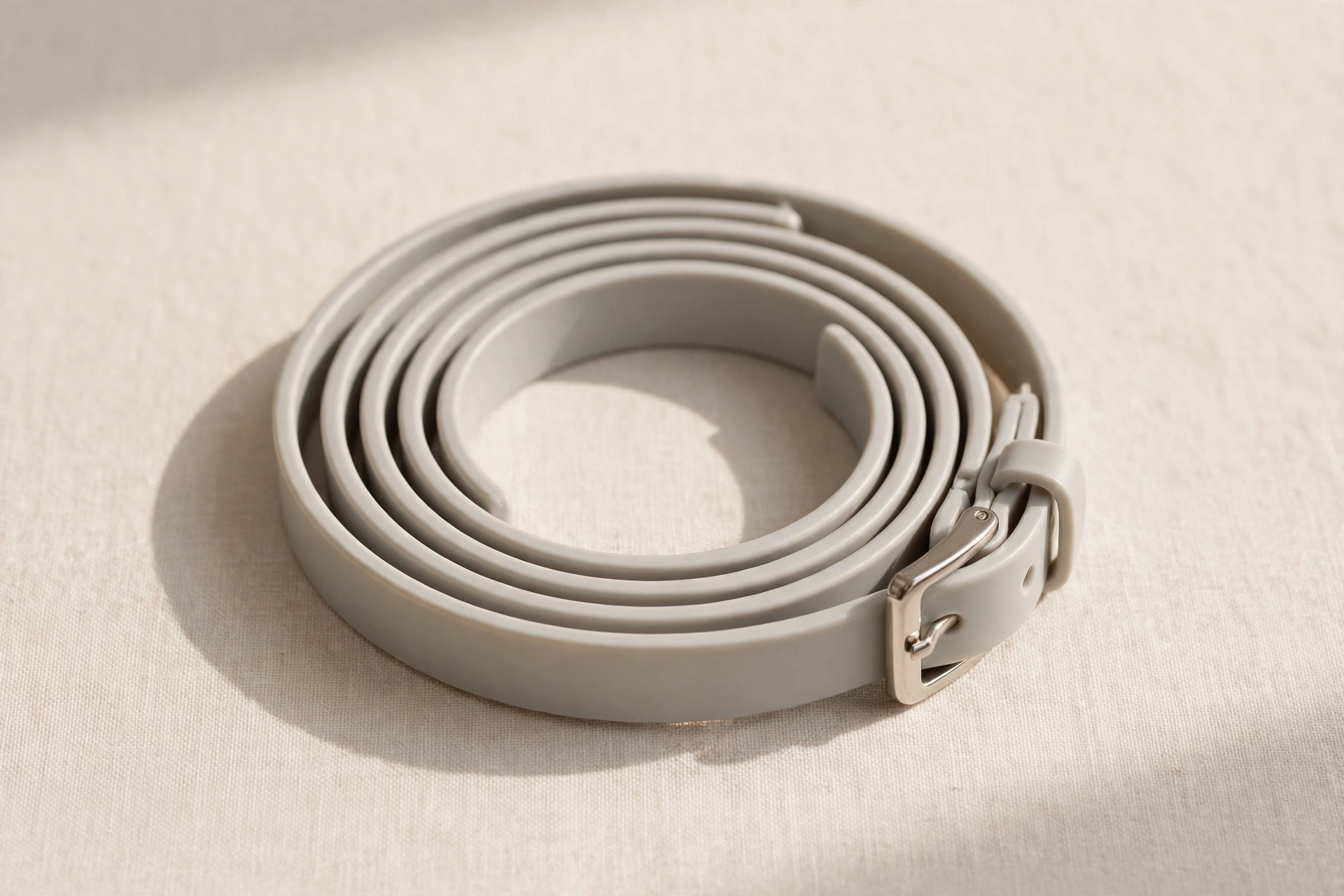
Seresto Flea & Tick Collar for Dogs (Elanco)
Seresto remains the benchmark every other flea collar for dogs is measured against. Its sustained-release polymer matrix delivers steady doses of imidacloprid (a neonicotinoid that kills fleas) and flumethrin (a pyrethroid that repels and kills ticks) across the skin and coat for a full 8 months. It’s odorless, water-resistant, and comes in sizes for small dogs (up to 18 lb) and large dogs (over 18 lb). Seresto is labeled for puppies 7 weeks of age and older, younger than most chemical collars allow.
Pros & cons
- Longest protection (8 months)
- repels and kills ticks before they bite
- odorless and water-resistant
- widely recommended by veterinarians
- Premium price
- the highest number of reported side effects of any collar on this list — see our safety section below
- counterfeits are common online, so buy from a trusted retailer
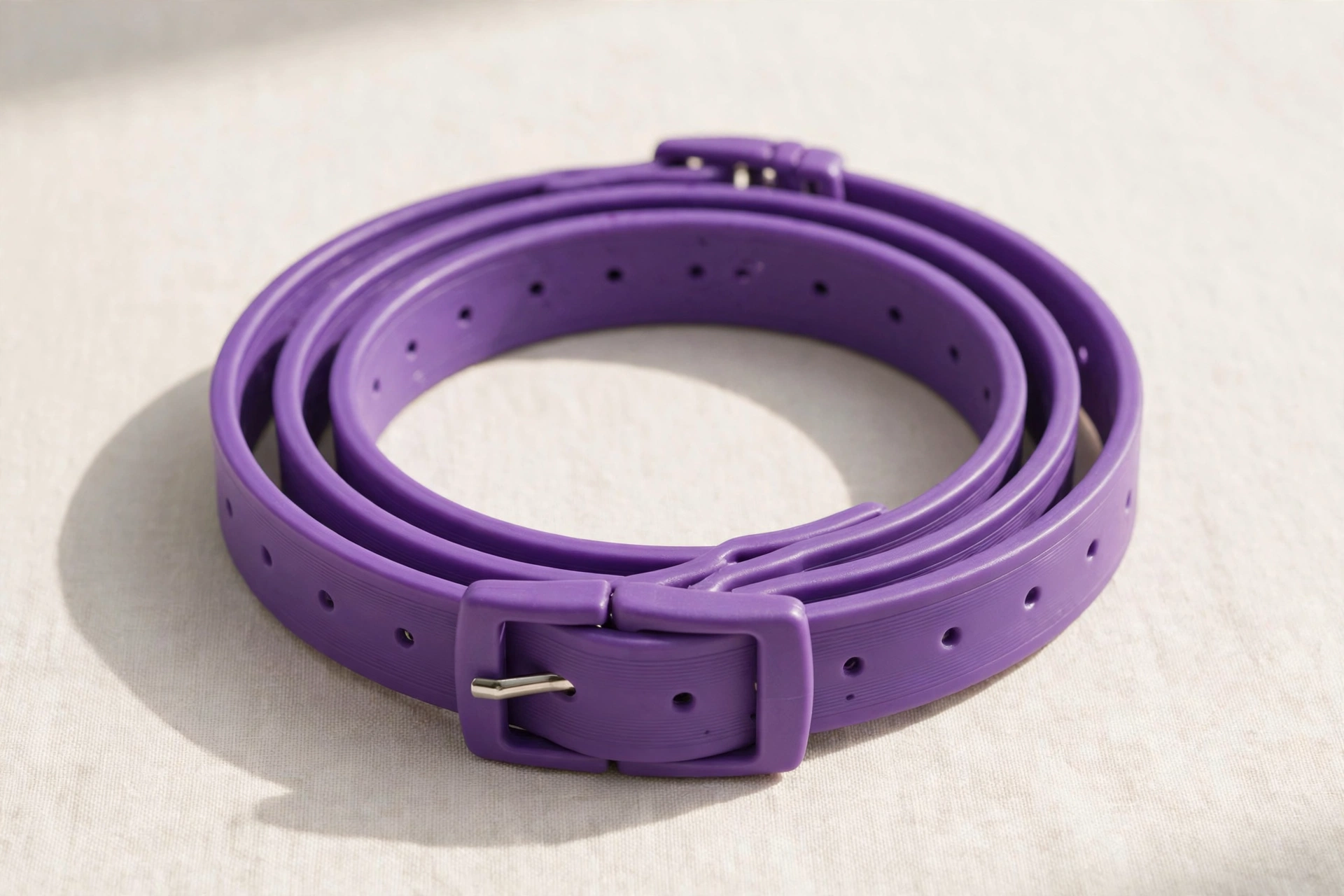
Hartz UltraGuard Plus Flea & Tick Collar for Dogs
The best budget flea collar for dogs is Hartz UltraGuard Plus. At roughly one-fifth the price of Seresto, it still delivers 7 months of continuous flea and tick protection via a synthetic pyrethroid active ingredient, with a water-resistant design that holds up for active outdoor dogs. It fits necks up to 26 inches and is labeled for puppies 12 weeks and older.
Pros & cons
- Excellent value for 7 months of protection
- water-resistant
- available in a fresh-scented version
- Only one collar size range
- some dogs show skin sensitivity to the collar material
- not as strong a tick-killer as Seresto
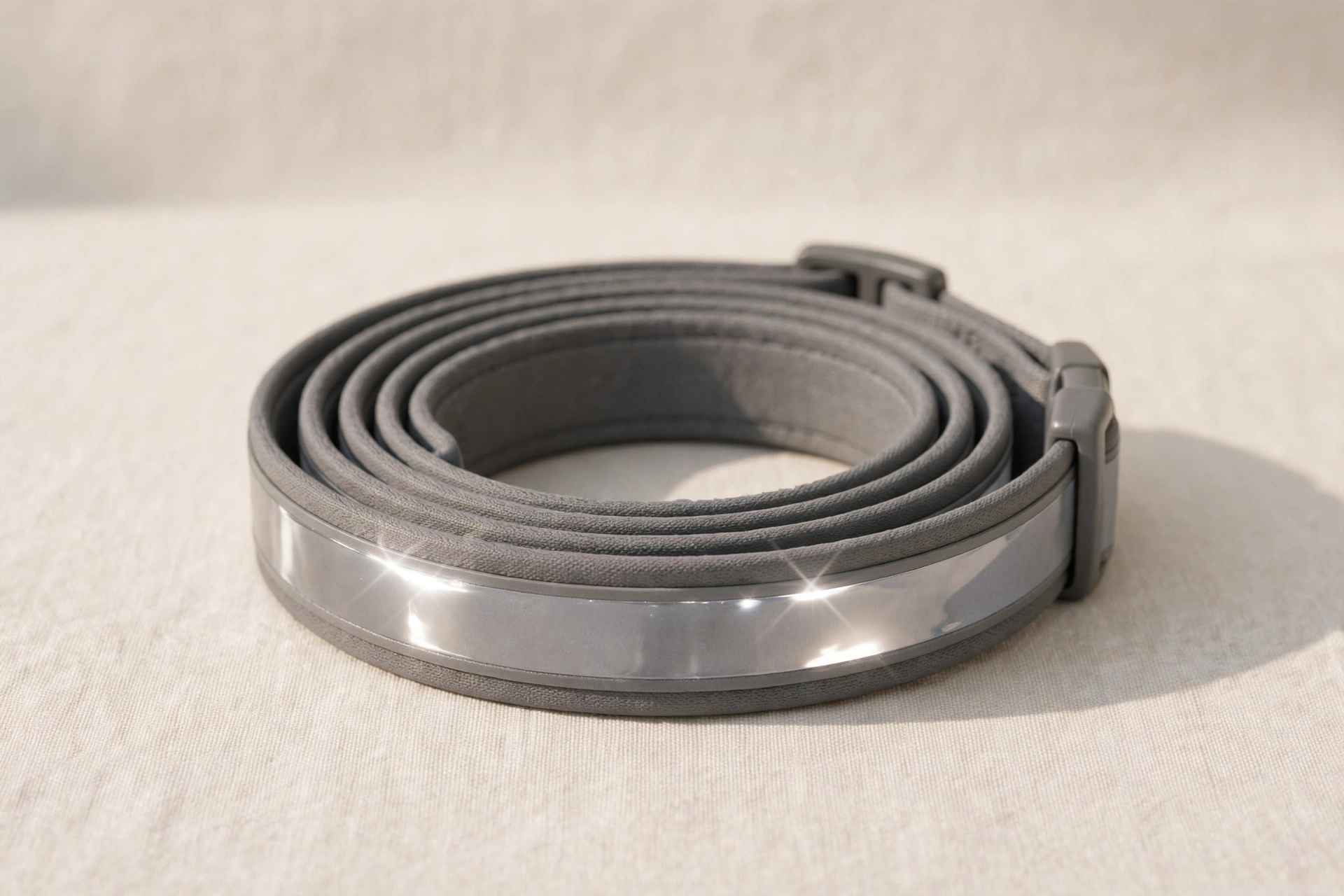
Hartz UltraGuard Pro Reflective Flea & Tick Collar
Hartz’s UltraGuard Pro pairs 7 months of flea and tick protection with a reflective band visible up to 450 feet — a genuinely useful feature for evening walks that premium collars don’t offer. It uses the same chemical protection approach as the standard UltraGuard line, in a lightweight collar labeled for puppies 12 weeks and older.
Pros & cons
- Budget-friendly
- reflective strip boosts night visibility
- 7-month duration
- Fresh scent may be strong for sensitive noses
- like all chemical collars, it can irritate sensitive skin
Adams Plus Flea & Tick Collar for Dogs
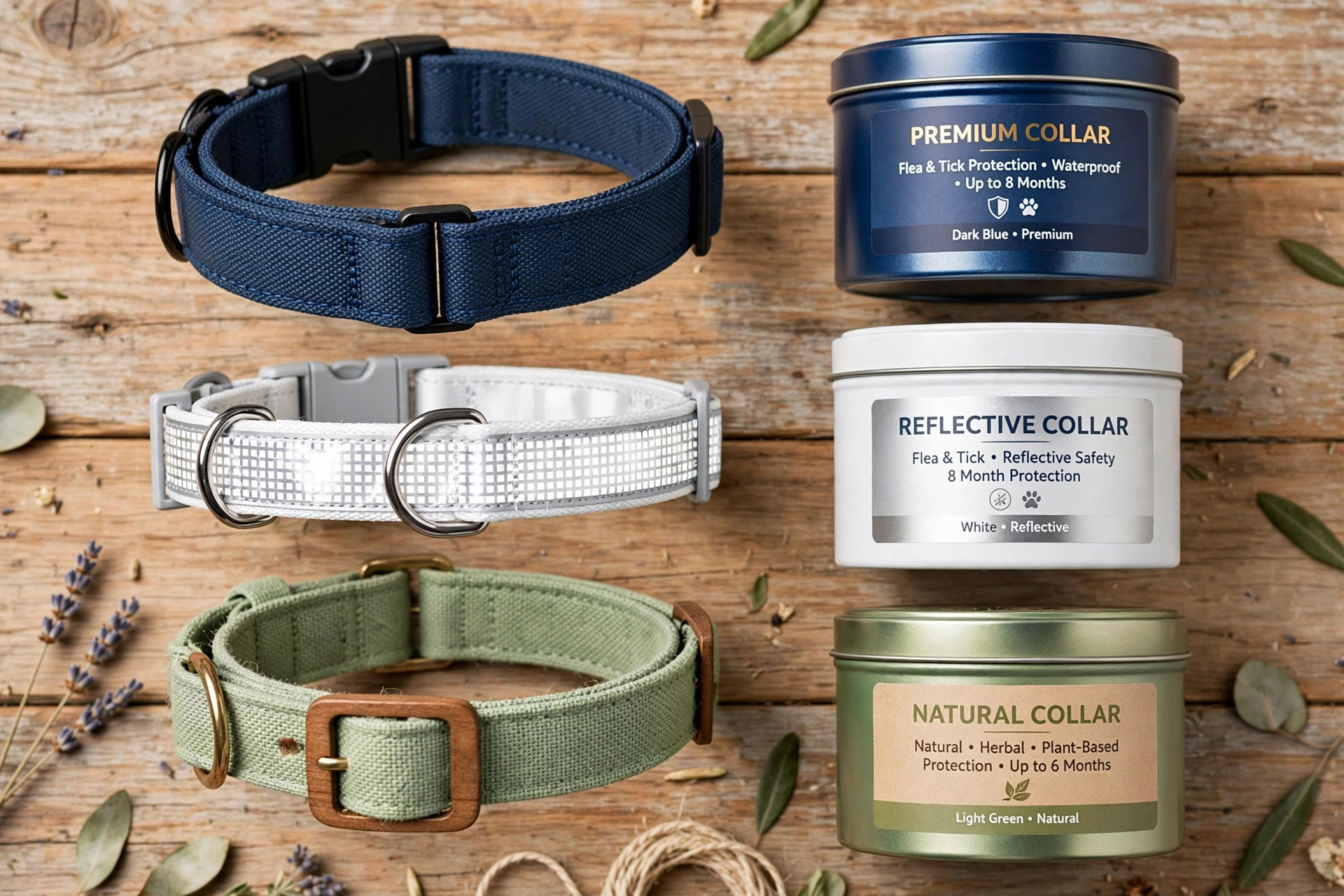
Adams Plus stands out because it targets the whole flea life cycle: it kills adult fleas and ticks plus flea eggs and larvae, helping break reinfestation cycles in the home. You get up to 6 months of protection in small and large dog sizes, for a modest price that sits between Hartz and Seresto.
Pros & cons
- Attacks eggs and larvae, not just adults
- good mid-range value
- widely available
- Shorter duration than Seresto or Hartz
- less tick-repellent action than flumethrin-based collars
Zodiac Flea & Tick Collar for Dogs
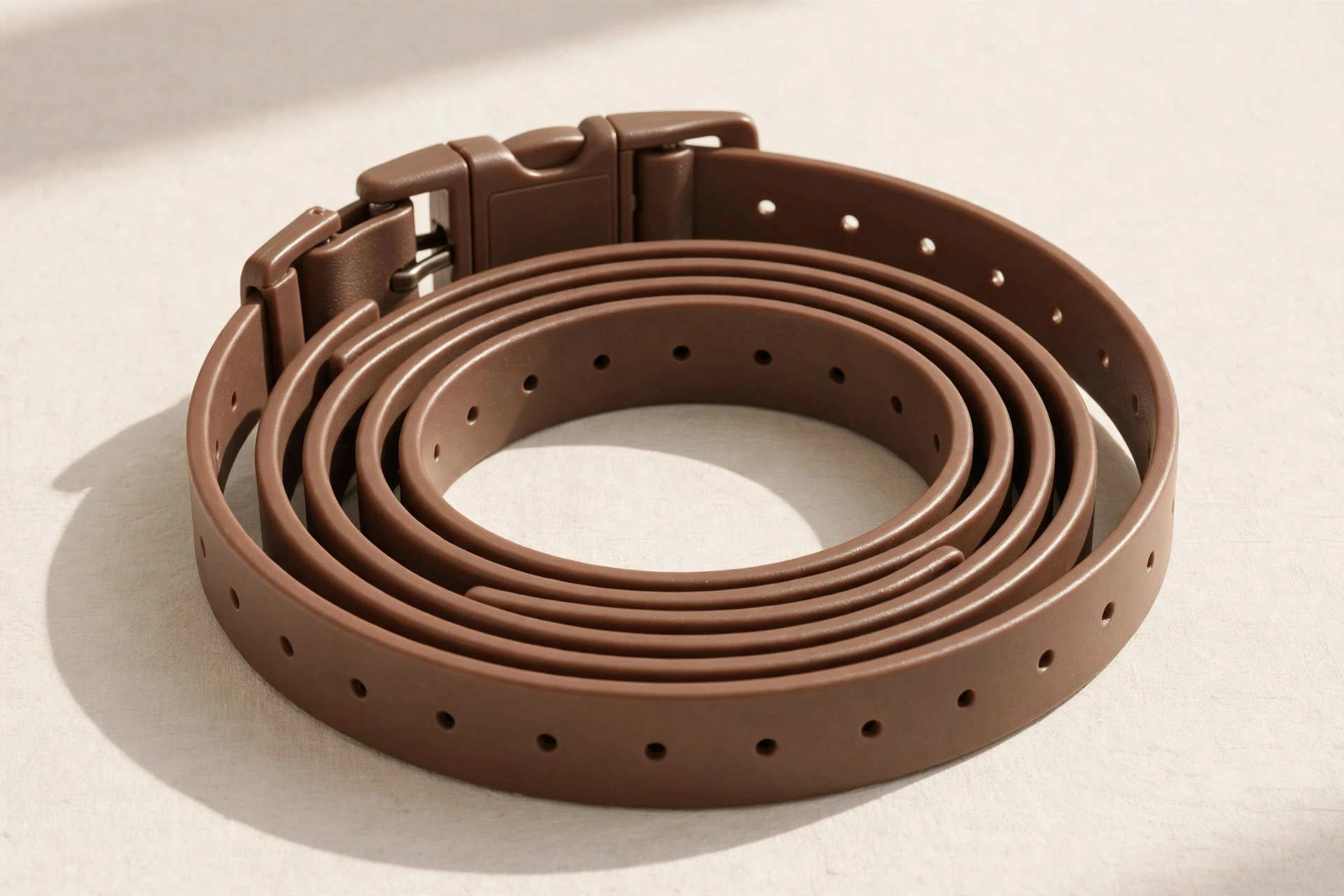
Zodiac’s collar distributes its active ingredient from neck to tail for 7 months of full-body flea and tick protection. It’s offered in sizes for extra-small, small, medium, large and giant breeds, making it one of the easiest collars to fit correctly — and correct fit is half of collar effectiveness. Labeled for puppies 12 weeks and older.
Pros & cons
- 7 months protection
- wide size range for precise fit
- affordable
- Takes a couple of days to reach full effectiveness
- not the strongest option for severe infestations
Wondercide Flea & Tick Collar for Dogs
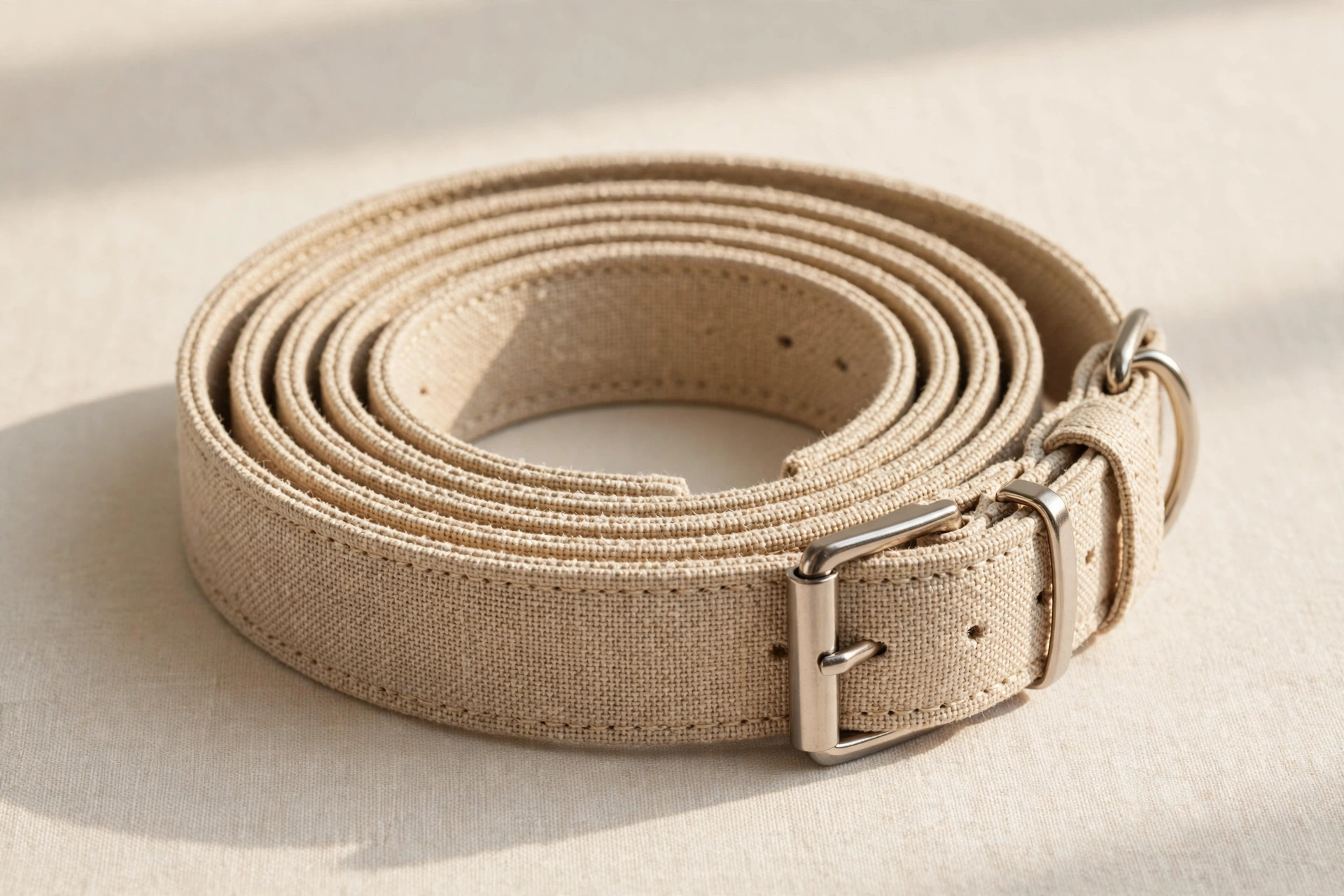
For owners who want to skip synthetic pesticides, Wondercide’s collar uses plant-powered essential oils (cedarwood and peppermint) to repel fleas, ticks and mosquitoes. It provides up to 4 months of protection, is water-resistant, and is labeled for puppies 4 months and older. Natural collars are best as preventatives in low-risk areas rather than treatment for active infestations.
Pros & cons
- No synthetic pesticides
- pleasant scent
- water-resistant
- Shorter duration
- essential-oil repellents generally kill fewer pests than chemical collars
- needs replacing more often
Vet’s Best Flea + Tick Collar for Dogs
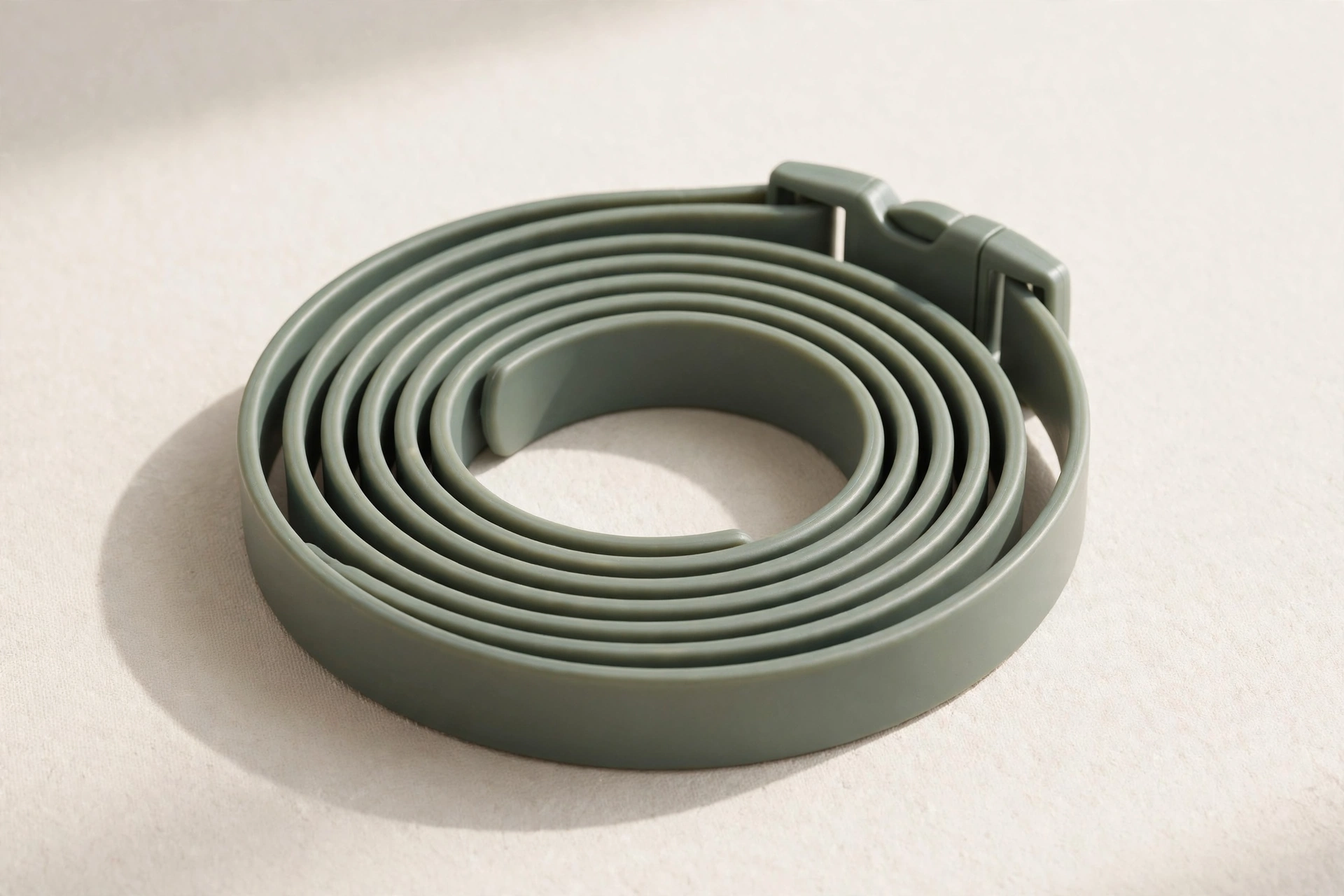
Vet’s Best uses plant-based essential oils including geraniol and peppermint oil to repel fleas and ticks, with no synthetic pesticides. Each collar lasts about 4 months. It’s a reasonable choice for dogs with chemical sensitivities or households that prefer botanical products — with the honest caveat that no natural collar matches the kill rate of imidacloprid/flumethrin or pyrethroid-based options.
Pros & cons
- Gentle, chemical-free formula
- good for sensitive dogs
- affordable
- 4-month duration means more replacements
- repellent action only — won’t knock down an existing infestation
Flea Collar Comparison Table
| Collar | Protection | Active ingredients | Water-resistant | Puppies | Best for |
|---|---|---|---|---|---|
| Seresto (Elanco) | 8 months | Imidacloprid + flumethrin | Yes | 7 weeks+ | Best overall protection |
| Hartz UltraGuard Plus | 7 months | Synthetic pyrethroid | Yes | 12 weeks+ | Budget shoppers |
| Hartz UltraGuard Pro Reflective | 7 months | Synthetic pyrethroid | Yes | 12 weeks+ | Night-walk safety |
| Adams Plus | 6 months | Chemical (flea life-cycle formula) | Yes | 12 weeks+ | Egg/larvae control |
| Zodiac | 7 months | Chemical (full-body distribution) | Yes | 4 months+ | Value + easy fit |
| Wondercide | 4 months | Cedarwood + peppermint oils | Yes | 4 months+ | Natural prevention |
| Vet’s Best | 4 months | Geraniol + peppermint oils | Yes | Per label | Sensitive dogs |
What to Look For in a Flea Collar for Dogs: Buying Guide
Active ingredients: chemical vs. natural
Chemical collars work in two ways: some kill fleas and ticks on contact (imidacloprid, synthetic pyrethroids like flumethrin and deltamethrin), while others repel them. Seresto’s imidacloprid + flumethrin combo does both — and flumethrin’s repellent action means ticks often die before delivering painful bites that transmit disease. Natural collars rely on essential oils (cedarwood, peppermint, geraniol) that repel but rarely kill. For heavy tick areas or active infestations, chemical collars are the evidence-backed choice; for low-risk prevention in sensitive dogs, natural collars can play a role.
Duration of protection
Duration is where collars beat monthly topicals: Seresto lasts 8 months, Hartz and Zodiac 7 months, Adams Plus 6 months, and natural collars typically 4 months. Longer duration means fewer replacements — and fewer gaps in protection when you forget to reorder.
Water resistance
All seven collars above are water-resistant, so baths and rain won’t ruin them. Still, frequent swimming or weekly medicated baths gradually shorten effectiveness of any collar — replace it sooner if your dog is a water dog.
Sizing and fit
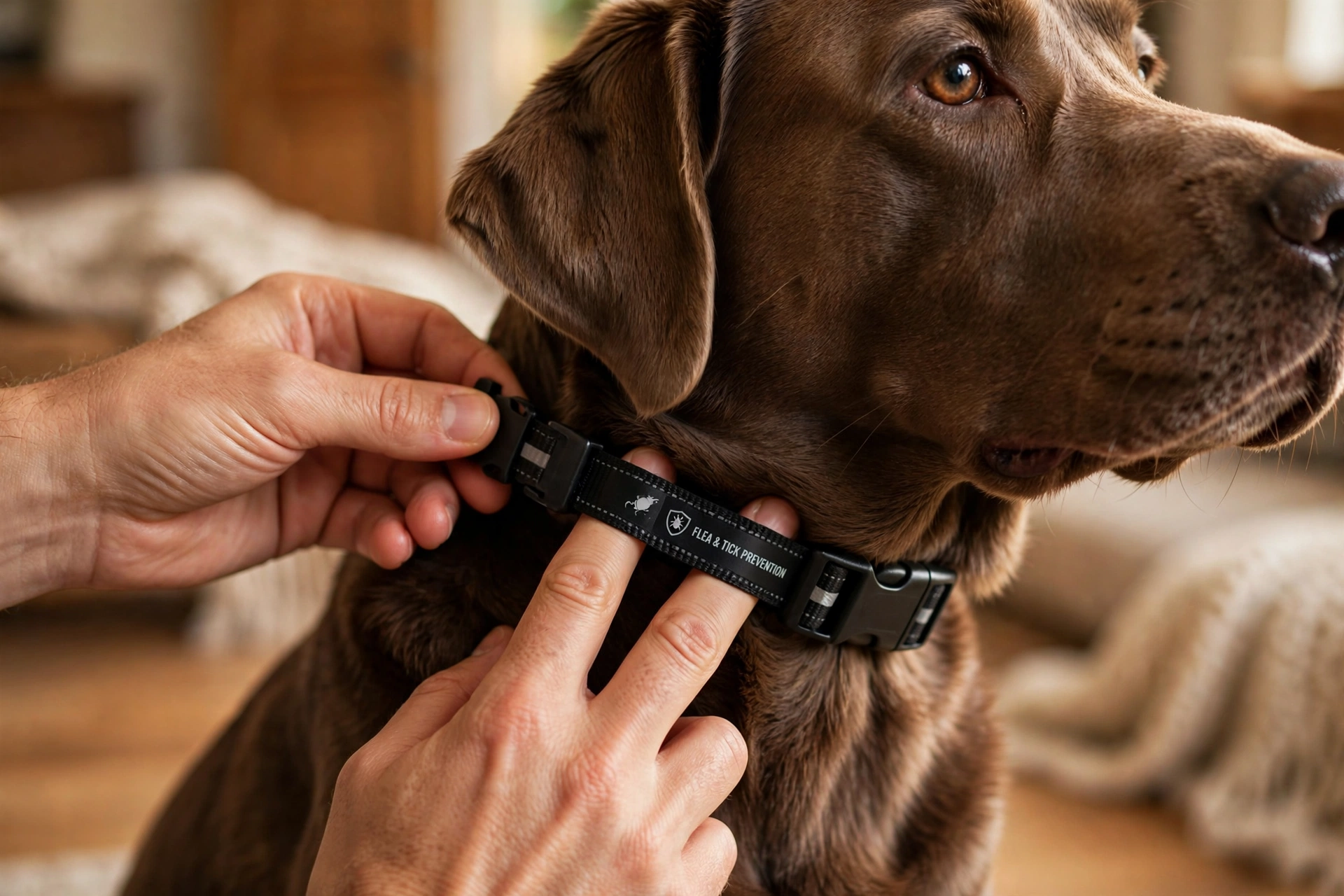
A collar only works when it touches skin. Choose the size matched to your dog’s weight, trim excess length (leave about 2 inches), and use the two-finger rule: you should be able to slide two fingers between the collar and your dog’s neck. Too loose and the active ingredient won’t distribute; too tight and you risk skin irritation or choking.
Flea Collar Safety: What the Seresto Reports Actually Mean
Because this is a health-adjacent product, here’s the honest picture. In 2021, reporting on EPA incident data linked Seresto collars to approximately 1,700 reported pet deaths; a 2022 House Oversight subcommittee investigation followed. Crucially, incident reports do not prove causation — the EPA reviewed roughly 49,000 reports and found the most common issues were pruritus (itchy skin, 54% of cases), lethargy (~10%), and anorexia (~10%). In 2026, Reuters reported that the EPA completed a multi-year review and affirmed Seresto meets its registration safety standards, with additional label mitigation measures; the American Veterinary Medical Association opposed canceling the collar’s registration.
Separately, the EPA moved to ban flea collars containing tetrachlorvinphos over neurological concerns (Seresto does not contain it). The takeaway: no collar is risk-free. Monitor your dog closely for the first 48 hours after fitting any chemical collar, buy only from your veterinarian or an authorized retailer (counterfeit Seresto collars are a documented problem and may contain unknown chemicals), and stop use and call your vet if you see skin irritation, lethargy, vomiting, tremors, or loss of coordination.
Fleas and ticks transmit Lyme disease, ehrlichiosis, anaplasmosis, and Rocky Mountain spotted fever — real, rising risks that prevention protects against. For most dogs, the disease risk outweighs the collar risk, but that’s a decision to make with your veterinarian, not a search result.
When to See a Vet
- Your dog shows collar-side-effect signs: persistent scratching at the collar site, hair loss, red or raw skin, lethargy, vomiting, tremors, unsteady gait, or seizures.
- You see signs of flea allergy dermatitis (intense itching, hot spots, scabs around the tail base) or anemia in puppies (pale gums, weakness) — these need treatment beyond a collar.
- You find an engorged tick or your dog develops fever, joint pain, or loss of appetite weeks after a bite — possible tick-borne illness.
- You’re dealing with an active infestation: collars prevent; heavy infestations usually need a vet-prescribed treatment plus home decontamination.
- Your dog is pregnant, nursing, on other medications, or has a seizure history — always ask your vet before using any pesticide collar.

Frequently Asked Questions
Are flea collars safe for dogs?
Flea collars approved by the EPA are considered safe when used as directed, but no pesticide product is risk-free. The most common side effect is skin irritation. Monitor your dog for 48 hours after fitting any collar, buy from authorized retailers to avoid counterfeits, and consult your vet if your dog is very young, pregnant, or has a seizure history.
Is Seresto safe, or was it recalled?
Seresto was never recalled and remains on the market. After a congressional investigation and review of incident reports, the EPA completed a multi-year review in 2026 and affirmed Seresto meets its safety standards, with added label precautions. Reported side effects were mostly minor (itchy skin), but remove the collar and call your vet if your dog reacts.
Which is better, Seresto or Hartz?
Seresto offers longer protection (8 vs. 7 months), repels and kills ticks more effectively, and suits puppies from 7 weeks. Hartz UltraGuard costs roughly a fifth of the price and covers most of flea season. Choose Seresto for heavy tick areas or maximum duration; choose Hartz if budget matters and your flea pressure is moderate.
How long do flea collars last?
It depends on the collar: Seresto lasts 8 months, Hartz and Zodiac 7 months, Adams Plus 6 months, and natural options like Wondercide and Vet’s Best about 4 months. Frequent swimming or bathing can shorten effectiveness, so replace collars sooner for water-loving dogs.
Do natural flea collars work?
Natural flea collars with essential oils like cedarwood, peppermint, and geraniol can repel fleas and ticks, making them useful preventatives in low-risk areas or for chemically sensitive dogs. However, they generally don’t kill pests as effectively as chemical collars and need replacing every 4 months, so they’re a poor choice for active infestations.
Can puppies wear flea collars?
It depends on the product. Seresto is labeled for puppies 7 weeks and older, while Hartz, Adams, and Zodiac collars require puppies to be at least 12 weeks old, and Wondercide requires 4 months. Never use a chemical collar on a younger puppy than the label allows — ask your vet for alternatives.
Can my dog swim with a flea collar on?
Yes — all the collars in this guide are water-resistant, so swimming, rain, and baths won’t immediately destroy them. That said, repeated swimming gradually washes active ingredients from the collar, shortening its effective life. If your dog swims often, consider replacing the collar ahead of schedule.
Related Buying Guides
The verdict
The best flea collar for dogs overall is still Seresto: 8 months of kill-and-repel protection, odorless, and the collar most veterinarians actually recommend. But the gap is smaller than the price difference suggests — Hartz UltraGuard Plus gives you 7 months for a fraction of the cost, making it the smart pick for budget-conscious owners with moderate flea pressure. If you want to avoid chemicals entirely, Wondercide is the most credible natural option — just treat it as prevention, not treatment. Whatever you choose, fit it correctly, watch the first 48 hours, and loop in your vet for anything unusual.
Medical disclaimer: This article is for informational purposes only and is not veterinary advice. Flea and tick products are pesticides regulated by the EPA; always follow label directions and consult your veterinarian before choosing a prevention product, especially for puppies, pregnant or nursing dogs, or dogs with health conditions.


One Comment