Air Fryer Dog Food Made With Pumpkin and Salmon for Picky Eaters – Simple, Fresh, and Flavorful
Some dogs can make dinner feel like a negotiation. They sniff the bowl, take a few steps away, and somehow manage to look completely uninterested in the food you just prepared for them. If that sounds familiar, a warm salmon and pumpkin mixture may be worth trying.
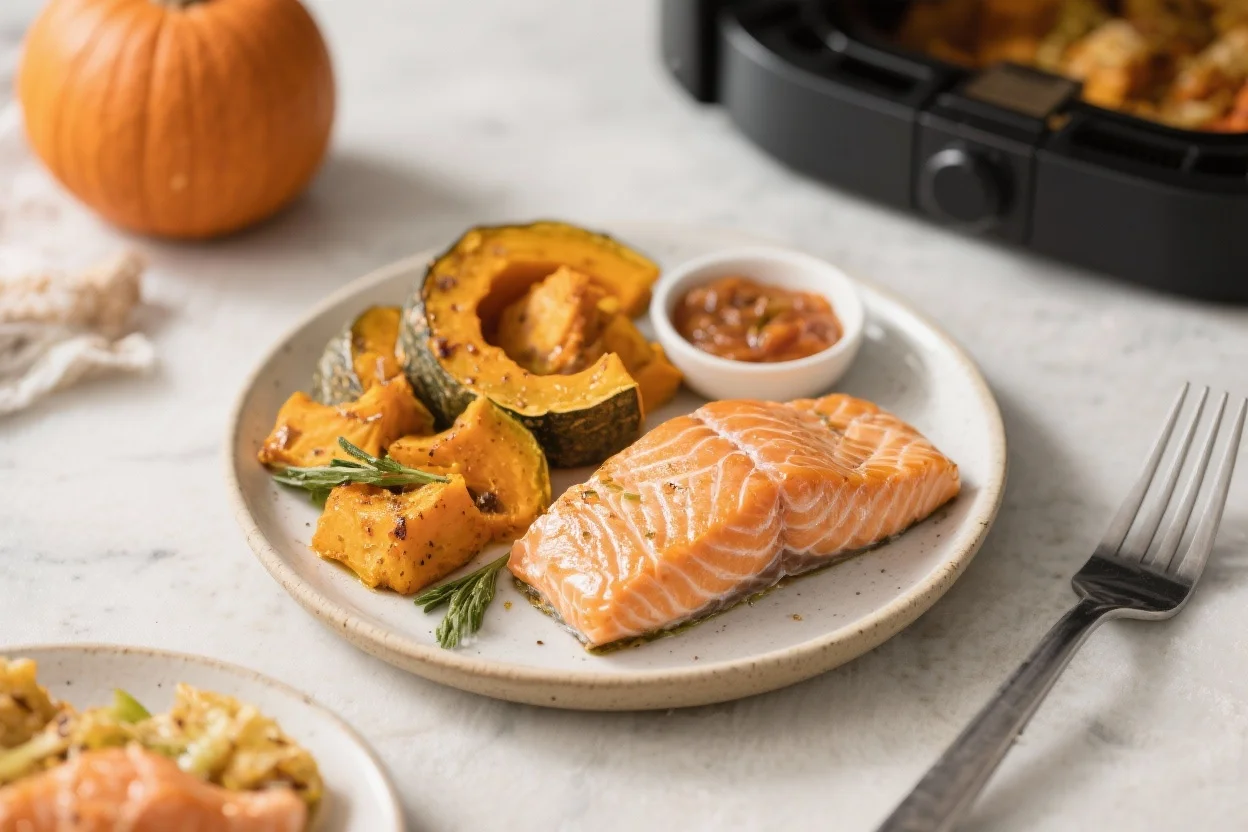
Salmon brings plenty of natural aroma to the bowl, which can be particularly useful when you’re dealing with a dog that tends to lose interest in food. Pumpkin gives the mixture a soft, moist consistency and a gentle flavor without needing sauces, salt, or spices.
The air fryer is especially handy here because you can cook the salmon quickly without heating up the whole kitchen. Once the fish is cooked, everything comes together in one bowl.
This recipe can work as a topper or an occasional homemade meal component. It should not automatically be treated as a complete everyday diet, though. If your dog has a medical condition, food allergy, digestive issue, or special nutritional requirement, talk with your veterinarian before changing their regular food.
Disclosure: As Amazon Associates, we earn from qualifying purchases at no extra cost to you.
What Makes This Special
There are a few reasons this combination works particularly well for a homemade dog-food topper.
- The smell can make a difference: Salmon has a naturally noticeable aroma. For some selective eaters, that smell can be much more interesting than a plain bowl of food.
- Pumpkin keeps the mixture moist: Rather than making a dry rice-and-meat mixture, pumpkin gives everything a softer consistency that’s easy to mix and serve.
- Minimal preparation: Once the salmon is cooked, you simply flake it and combine the remaining ingredients.
- No seasoning is necessary: Dogs don’t need the salt, sauces, butter, or spice blends commonly used in human recipes. The ingredients provide the flavor on their own.
- You can change the consistency: Leave the ingredients in small pieces for dogs that enjoy chewing, or mash everything more finely for dogs that prefer softer food.
- It is easy to portion: You can prepare a larger batch, divide it into individual servings, and refrigerate or freeze what you won’t use immediately.
Shopping List
Here’s what you’ll need to make the basic version:
- 1 pound fresh salmon fillets, with the bones carefully removed
- 1 cup plain pumpkin puree — use pure pumpkin, not pumpkin pie filling
- 1–2 cups cooked brown rice or quinoa, prepared without salt or seasoning
- 1 cup unsalted peas and carrots, thawed and cooked until tender
- A little plain low-sodium bone broth or water, if you want a softer mixture
- 1–2 tablespoons ground flaxseed, optional
- A small amount of salmon oil or olive oil, optional and only if it fits your dog’s diet
The simplest version doesn’t require oil at all. If your dog needs a lower-fat diet, leaving the added oil out is usually the easier approach.
Step-by-Step Instructions
- Get the salmon ready.Before cooking, run your fingers carefully over the fillet and remove any pin bones you find. Pat the salmon dry so it cooks nicely in the air fryer.If your particular air fryer tends to stick, you can use air-fryer-safe parchment underneath the fish.
- Cook the salmon.Set the air fryer to 375°F (190°C). Put the salmon into the basket in a single layer, with the skin facing down if you’re leaving the skin on.Cooking time will depend on the thickness of the fillets, but around 8–12 minutes is a useful starting point. The fish should be completely cooked, separate easily with a fork, and reach approximately 145°F (63°C) internally.
- Cool the fish before handling it.Transfer the salmon to a plate and allow it to cool for a few minutes. Flake the fish into small pieces using a fork.This is also your second opportunity to look for bones. Take your time here because even a small bone can be dangerous.
- Prepare the rice or quinoa.If you’re starting with uncooked rice or quinoa, prepare it separately using plain water. Keep garlic, onion, salt, butter, and seasoning out of the cooking water.Let the cooked grain cool before mixing it with the other ingredients.
- Soften the vegetables.Cook the peas and carrots until they’re tender enough to mash easily between your fingers or with a fork. Drain them well so they don’t add unnecessary water to the finished mixture.
- Start with the pumpkin.Put the pumpkin puree into a large bowl and stir it until smooth.If your dog prefers wetter food, add a small splash of water or suitable low-sodium broth. Add liquid gradually—you can always add more later.
- Bring everything together.Add the flaked salmon, cooked rice or quinoa, and vegetables to the pumpkin.Fold the ingredients together gently until the pumpkin is distributed throughout the mixture. There’s no need to turn the salmon into a paste.
- Add optional extras.If flaxseed is appropriate for your dog’s diet, mix in a small amount at this stage.You can also add a little salmon oil or olive oil, but don’t assume that more fat makes the recipe healthier. Dogs with certain health conditions may need their fat intake carefully controlled.
- Make the texture right for your dog.This is where you can personalize the recipe.A larger dog that enjoys texture may do well with small flakes and soft vegetable pieces. For a small dog, senior dog, or particularly fussy eater, lightly mash the mixture with a fork.You can briefly pulse it in a food processor if necessary, but avoid automatically turning it into baby-food consistency.
- Serve a small amount first.Let the mixture cool to a comfortable temperature before putting it in your dog’s bowl.If this is a new food, start with a modest portion rather than replacing your dog’s normal meal with a large serving immediately. Watch how your dog handles the new ingredients.
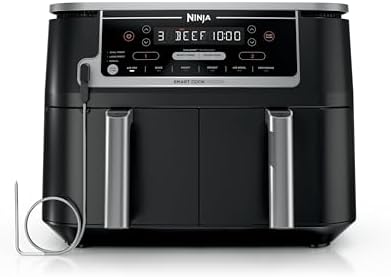
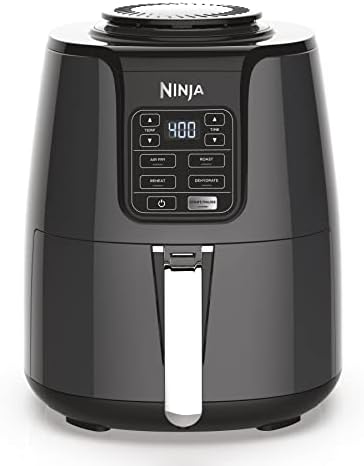
Don’t have an air fryer yet? No problem! Check out this list or explore the models mentioned below—each one is a fantastic option to consider.
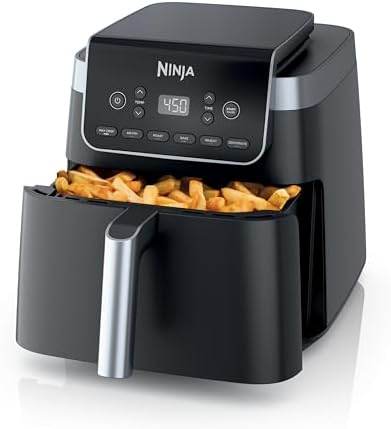
Ninja Air Fryer XL with MaxCrisp
$119.99
Storage Instructions
Homemade food containing cooked fish needs sensible storage from the moment it comes out of the kitchen.
- Refrigerator: Transfer leftovers into a clean, airtight container and refrigerate promptly. Use within about 3 days.
- Freezer: For longer storage, divide the mixture into individual portions and freeze for up to about 2 months.
- Reheating: Thaw frozen portions in the refrigerator. Warm the food gently and serve it lukewarm rather than hot.
- Moisture fix: Refrigerated food can become firmer as it sits. Stir in a little warm water before serving if needed.
Don’t leave cooked salmon sitting at room temperature for extended periods. When in doubt about whether a portion has been stored safely, it’s better not to serve it.
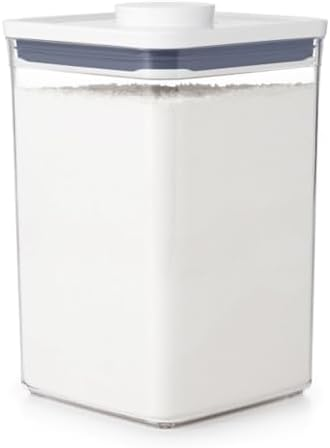
OXO, Good Grips Pop Container – 4.4 Qt/, Airtight Food Storage
$21.92
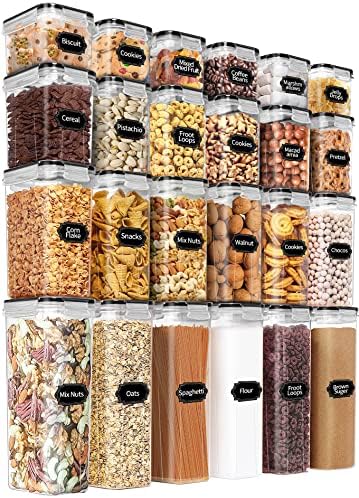
PRAKI Airtight Food Storage Containers Set with Lids – 24 PCS, BP
$28.49
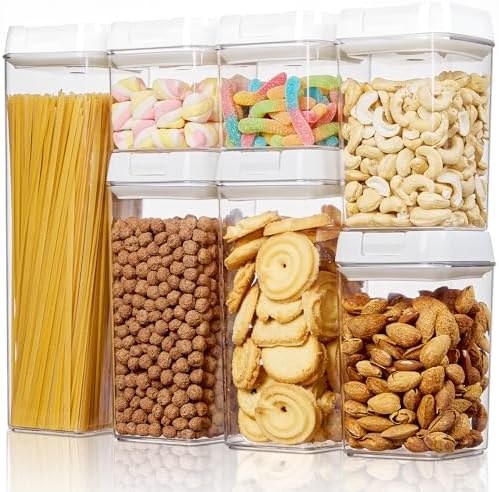
Vtopmart Airtight Food Storage Containers, 7 Pieces
Why This is Good for You
Preparing this recipe yourself isn’t just about making something your dog may enjoy. It also gives you greater visibility into what’s going into the bowl.
- You know the ingredients: There are no mystery flavorings or unnecessary seasoning blends hiding in the recipe.
- Salmon supplies protein: It provides a source of animal protein that can contribute to maintaining normal body tissues.
- Omega-3 fats are naturally present: Salmon contains EPA and DHA, types of omega-3 fatty acids commonly associated with supporting normal skin and coat health.
- Pumpkin contributes fiber: Plain pumpkin can add fiber to the meal and is tolerated well by many dogs when introduced appropriately.
- The meal contains moisture: Pumpkin and optional added water or broth can make the finished food considerably softer than dry ingredients alone.
- You can adapt the preparation: Dogs have different preferences. Some want recognizable pieces while others prefer everything mashed together.
Of course, homemade does not automatically mean nutritionally complete. The overall diet matters more than any individual recipe.
Pitfalls to Watch Out For
A few small mistakes can turn an otherwise simple recipe into something unsuitable for your dog.
- Bones in the fish: Don’t assume a fillet is completely bone-free. Inspect it before and after cooking.
- Human seasonings: Garlic, onion, chives, excessive salt, and many seasoning mixtures have no place in this recipe.
- Too much added fat: Oils can increase calories quickly. Dogs that need a low-fat diet may need this recipe prepared without added oil and with veterinary guidance.
- Using the wrong pumpkin: Pumpkin pie filling isn’t the same thing as plain pumpkin puree. Pie filling can contain ingredients that aren’t appropriate for dogs.
- Changing too much at once: A dog that has eaten the same diet for months may not react well to suddenly receiving a large serving of unfamiliar ingredients.
- Treating it as a complete diet: Salmon, pumpkin, rice, and vegetables alone don’t guarantee that a dog is receiving every vitamin and mineral required for long-term nutrition.
- Ignoring individual sensitivities: Fish, grains, or vegetables can cause problems for individual dogs even when they are tolerated by many others.
- Keeping leftovers too long: Fish-based homemade food should be handled and refrigerated carefully.
Recipe Variations
Once your dog accepts the basic recipe, there are several ways to adjust it without completely changing the idea behind the meal.
- Grain-free version: Leave out the rice or quinoa and use plain cooked sweet potato instead. This creates a soft, scoopable mixture.
- Low-fat tweak: Choose skinless salmon and don’t add oil. You can increase the pumpkin slightly if you want more moisture.
- Extra protein: A little fully cooked egg white can be mixed through the food if eggs are suitable for your dog.
- Veggie swap: Replace the peas and carrots with cooked green beans or zucchini for a different combination of vegetables.
- Crunch topper: Cut plain sweet potato into very small pieces and air fry them until tender. A few pieces can be used as a topper rather than mixed throughout the meal.
- Pro tip: If your dog is motivated by smell, slightly warming the finished food can make the salmon aroma more noticeable. Always check the temperature before serving.
FAQ
Can I use canned salmon?
You can use canned salmon as an alternative when fresh salmon isn’t convenient.
Choose a plain variety and check the label for unnecessary seasonings or high sodium. Drain it well before using it, and inspect the fish for bones.
Fresh salmon works nicely in this recipe, but canned salmon can be a practical shortcut.
How much should I feed?
There isn’t one universal serving size for this recipe.
A Chihuahua, an active Labrador, and an older dog with a health condition obviously don’t have the same nutritional requirements. Portion size should take your dog’s body size, normal food, activity, age, and health into account.
If you’re introducing this as a topper, start with a small quantity alongside the food your dog already eats. Your veterinarian can help you determine an appropriate amount for your individual dog.
Is this a complete-and-balanced diet?
Not by itself.
This recipe contains several nutritious ingredients, but that doesn’t mean the combination meets every nutritional requirement a dog has over the long term.
Think of it as a topper, occasional homemade food, or part of a diet that has been properly formulated. If you want to feed homemade food as your dog’s primary diet, work with a veterinary nutrition professional to formulate it appropriately.
Can I make it without an air fryer?
Definitely.
The air fryer is simply a convenient way to cook the salmon. You can bake the fish in a conventional oven at 375°F (190°C) until it is completely cooked and flakes easily.
Depending on the thickness of the fillet, baking may take roughly 12–15 minutes. Always judge doneness by the fish itself and its internal temperature rather than relying only on the clock.
Once the salmon is cooked, follow the same cooling, flaking, mixing, and storage steps.
Will pumpkin upset my dog’s stomach?
Plain pumpkin is generally well tolerated by many dogs, but every dog is different.
If your dog has never eaten pumpkin before, don’t start with a large amount. Introduce it gradually and monitor their stool, appetite, and overall behavior.
If digestive symptoms appear or your dog already has a gastrointestinal condition, speak with your veterinarian rather than continuing to experiment with new ingredients.
What if my dog won’t eat fish?
Don’t force the issue.
You can begin with a very small amount mixed into a food your dog already enjoys and see whether the stronger salmon aroma changes their interest. Warming the food slightly may also make the smell more noticeable.
If your dog consistently refuses fish, simply ask your veterinarian about another protein that would be appropriate for your dog’s nutritional needs.
Final Thoughts
Getting a picky dog excited about food doesn’t always require complicated ingredients or elaborate cooking. This salmon and pumpkin combination keeps the preparation straightforward while giving you a soft, moist meal with a naturally appealing aroma.
The air fryer takes care of the salmon quickly, and the remaining ingredients can be combined in just a few minutes. You can also adjust the texture depending on whether your dog likes chunky pieces or a softer mixture.
Most importantly, treat this recipe as one part of your dog’s overall nutrition rather than assuming that every homemade meal is automatically complete. Introduce new foods gradually, store leftovers properly, and get veterinary advice when your dog’s health or long-term diet is involved.