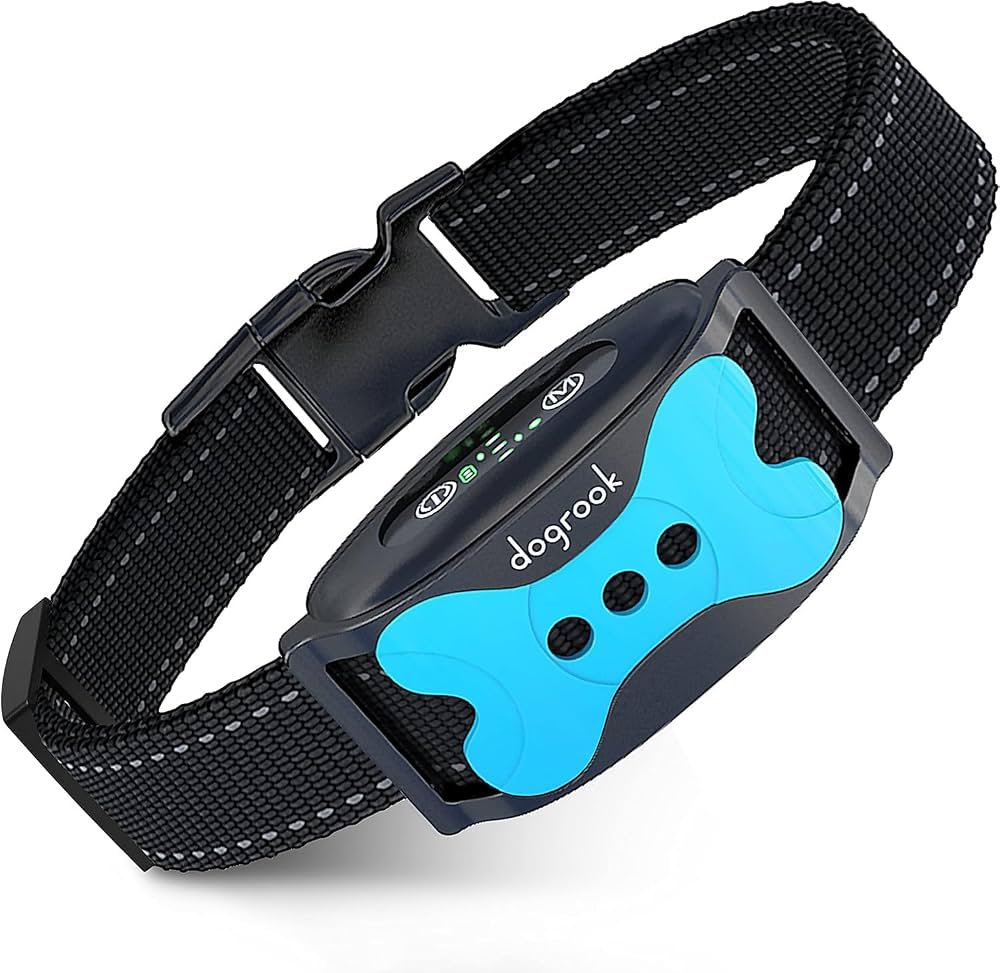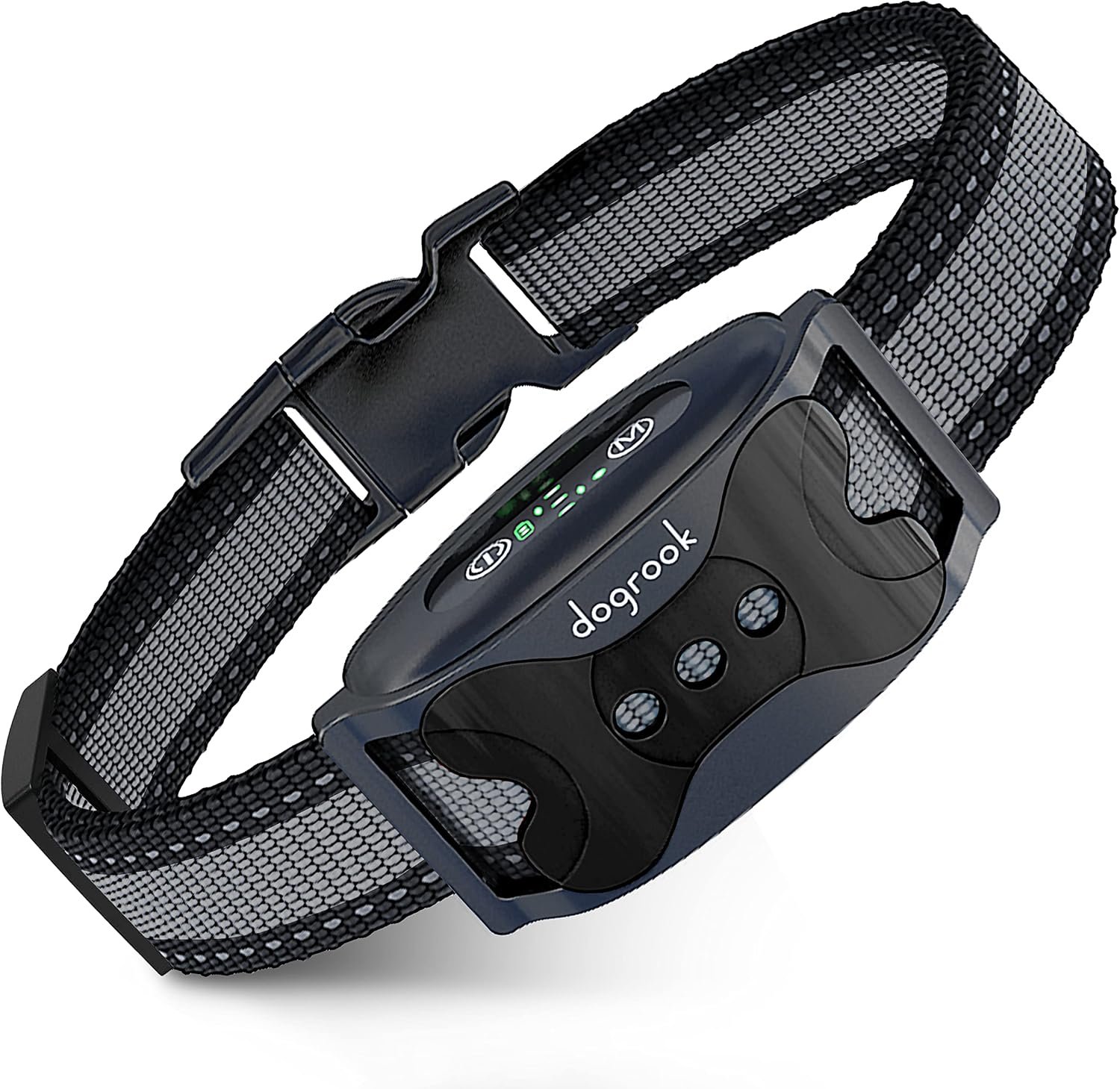
DogRook Bark Collar for Small Dogs No Shock Tiny Breeds
Most bark collars are designed for medium dogs and overwhelm a 10-pound neck — heavy receiver, wide strap, correction levels calibrated for bigger ani
As an Amazon Associate, Dogslifelearning earns from qualifying purchases.
Product Description
Most bark collars are designed for medium dogs and overwhelm a 10-pound neck — heavy receiver, wide strap, correction levels calibrated for bigger animals. This DogRook variant is scaled for small breeds, and that scaling is a humane issue, not just a comfort one.
Here’s why: an oversized collar on a small dog sits poorly, delivers correction through a badly positioned device, and causes unnecessary stress. A collar built for little necks — lighter receiver, narrower strap, vibration levels appropriate for small dogs — communicates clearly without overwhelming.
The features small-breed owners need are all here: adjustable beep and vibration modes, smart bark detection to reduce false corrections, and USB recharging. The lightweight receiver won’t drag on a tiny neck, and the strap adjusts small enough for proper fit.
If your barker weighs under 15 pounds — Chihuahua, Yorkie, Maltese, Mini Dachshund — this is the DogRook to choose, not the standard size. Fit matters most on small dogs: the receiver should sit snugly high on the neck with the strap adjusted so the unit stays positioned.
Pair it with training: interrupt, redirect, reward quiet. For the little dog with a big bark, check the DogRook small-dog collar on Amazon.
Frequently Asked Questions
Is this collar safe for very small dogs?
Yes — it's specifically designed for small and tiny breeds. The no-shock beep and vibration correction is gentle, and the lightweight unit won't weigh down a little neck. Check the minimum weight and neck size to make sure your dog qualifies before buying.
Will the vibration be too strong for a tiny dog?
The collar uses progressive correction that starts with the gentlest beep and only steps up if barking continues — it doesn't blast a tiny dog with maximum intensity. The vibration is comparable to a phone buzz, which small dogs tolerate well.
How do I fit the collar on a small dog's thin neck?
Adjust the strap so it's snug with the receiver box centered under the chin — you should fit one finger (not two, as with big dogs) between strap and neck on tiny breeds. A snug fit is essential for the bark sensor to detect vibrations correctly.
Can small dogs wear it all day?
Limit wear to 8-12 hours per day and remove it at night, as with any bark collar. Give your small dog's neck regular breaks, and check the skin under the contact points daily for the first week for any redness.
Does it work for yappy small breeds like Chihuahuas and Yorkies?
Yes — those are exactly the breeds it's made for. Small terriers and toy breeds are among the most common bark-collar users, and the adjustable sensitivity lets you tune it to a high-pitched little bark without false triggers from household noise.