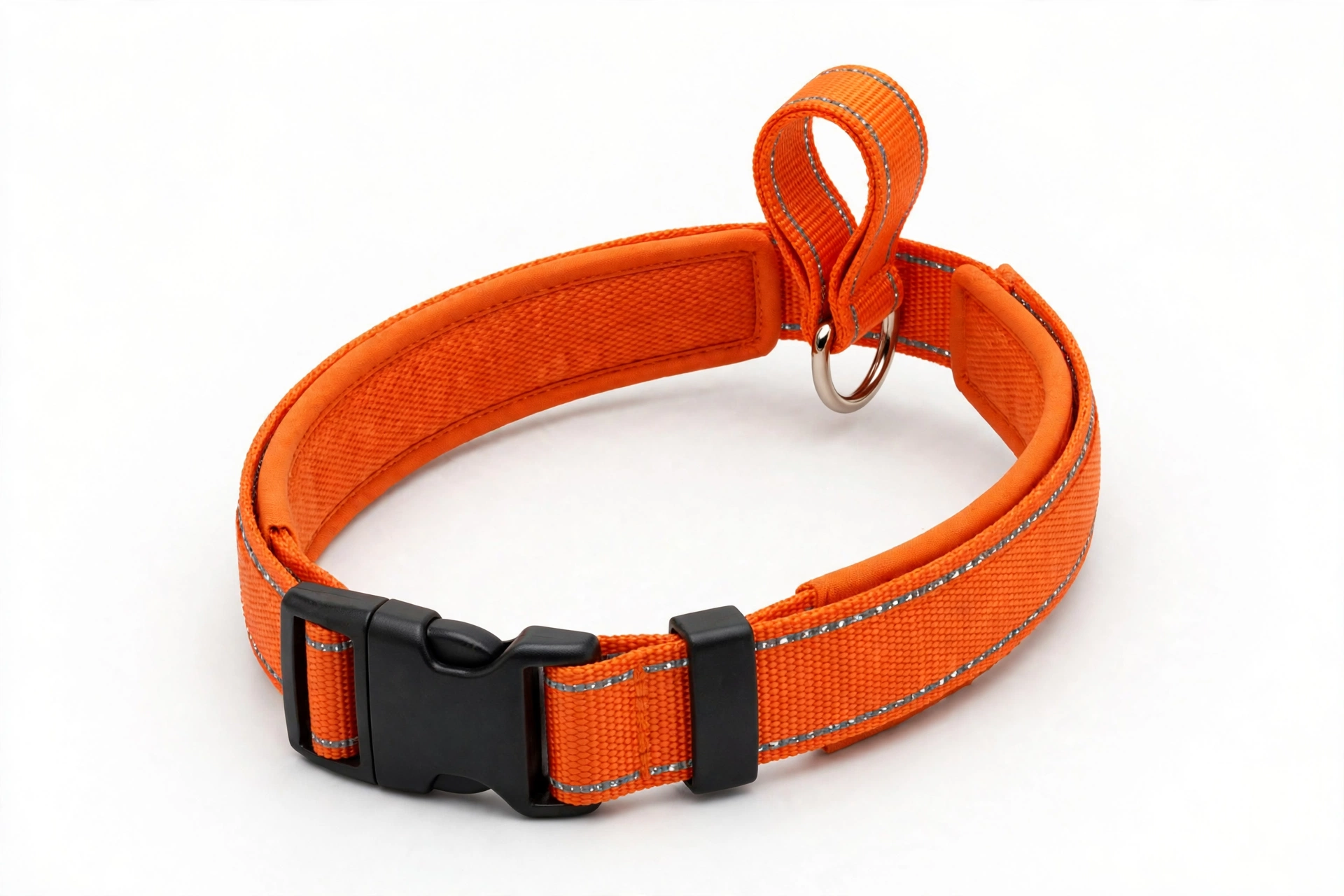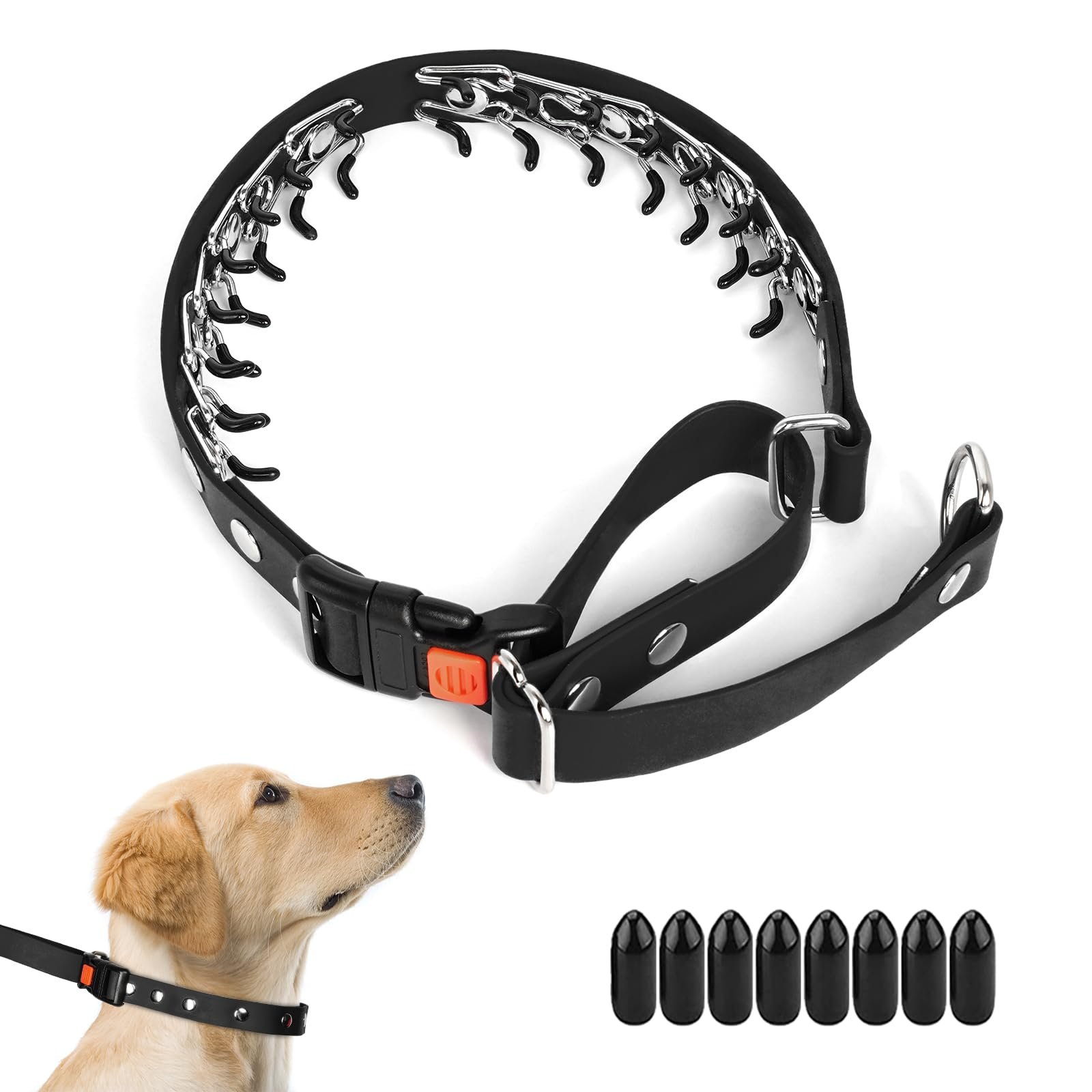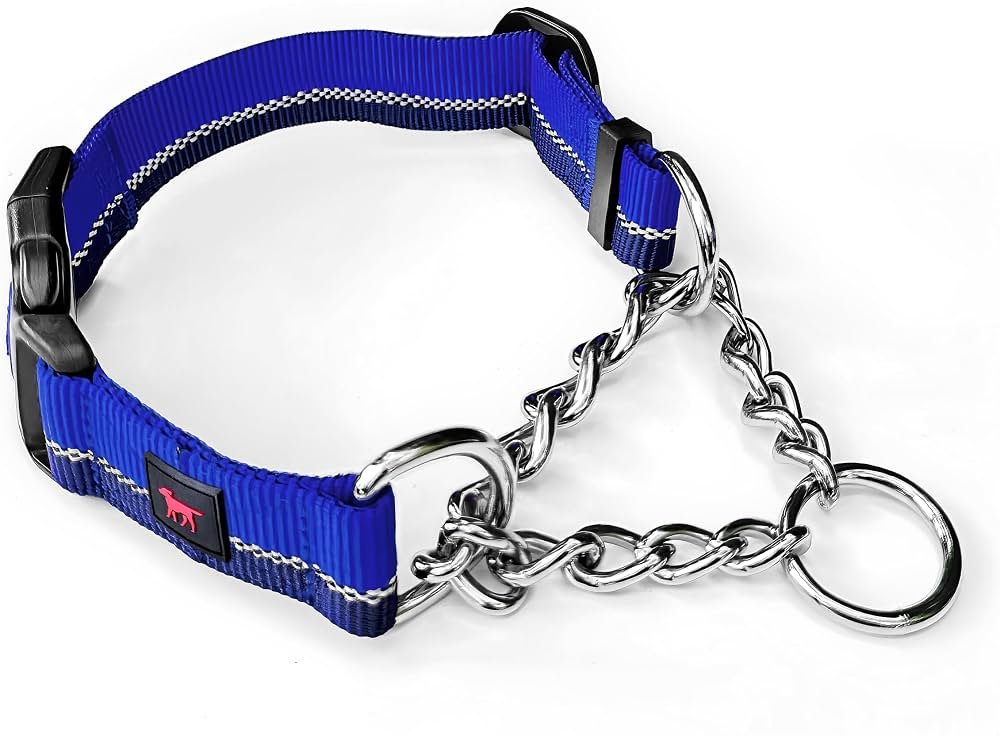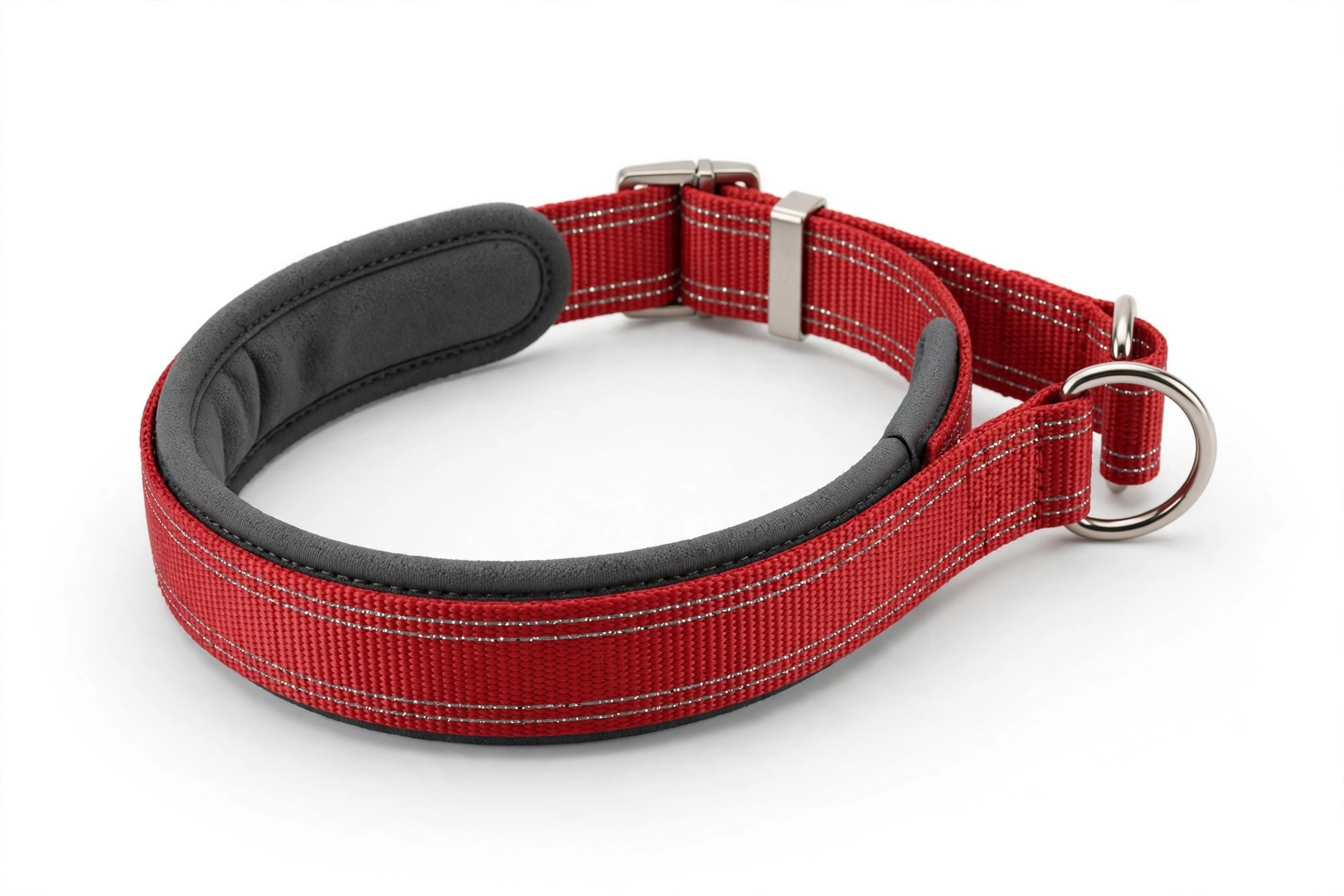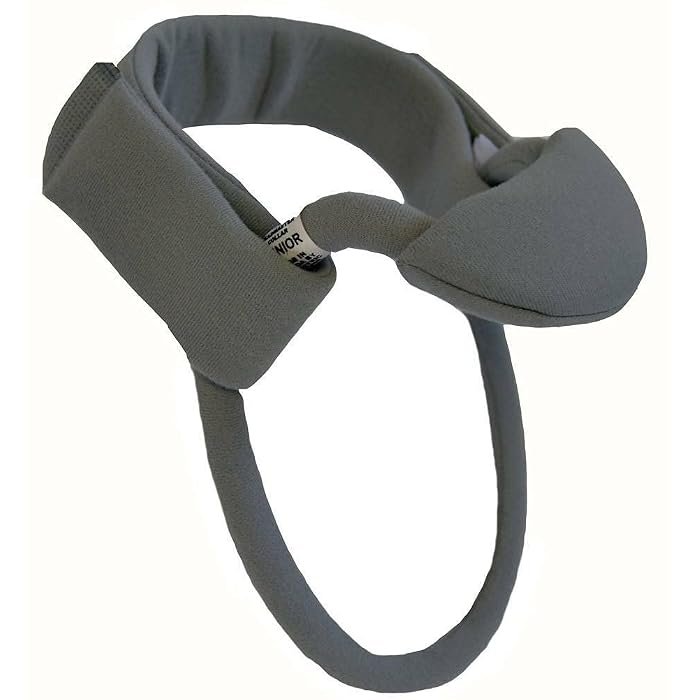
EupHHonycs No-Pull Dog Collar – Gentle Anti-Pull Training
EupHHonycs offers a straightforward no-pull design at a budget price, and sometimes straightforward is exactly right. The collar provides gentle corre
As an Amazon Associate, Dogslifelearning earns from qualifying purchases.
Product Description
The EupHHonycs no-pull dog collar offers straightforward anti-pull design at a budget price — and sometimes straightforward is exactly right. It provides gentle corrective feedback when your dog pulls, without complicated hardware or a steep learning curve, making it approachable for first-time owners.
The mechanism is simple: the collar’s design discourages pulling through mild, even feedback rather than pain. That makes it a reasonable everyday collar for mild to moderate pullers while you work through a loose-leash training program — which, honestly, is what fixes pulling long-term.
My genuine advice: think of this as a starter collar. The money you save versus premium options can go toward a few sessions with a certified trainer, which will do more for pulling than any collar ever will. Gear manages symptoms; training solves the problem.
Check sizing carefully against the chart — budget collars vary more in true-to-size accuracy — and aim for the standard two-finger fit. The materials are easy to wipe clean.
For owners who want affordable, uncomplicated help with pulling right now, the EupHHonycs is a sensible starting point. Pair it with training and you’ll see real progress.
Frequently Asked Questions
Do no-pull collars actually work?
They manage pulling rather than cure it — the design tightens gently or redirects to discourage lunging, giving you control while you train. Real progress comes from pairing the collar with loose-leash training: reward slack, stop when they pull. Most owners see improvement within 2–4 weeks of consistent work.
Are no-pull collars bad for dogs' necks?
Gentle no-pull designs that distribute pressure or use limited-slip action are far safer than choke chains or constant leash jerks. Avoid anything that concentrates force on the trachea, fit with two fingers of slack, and never use corrections harsh enough to make your dog yelp or cough.
What's the difference between a no-pull collar and a martingale?
Martingales are a type of limited-slip collar that prevents escape; 'no-pull' is a broader marketing term covering martingales, head halters, and front-clip designs. This EupHHonycs uses a gentle tightening action similar to a martingale — safe, escape-resistant, and suitable for daily walks.
How tight should a no-pull collar be?
Snug enough that it can't slip over the ears, loose enough for two fingers underneath at rest. When the dog pulls and the collar engages, it should tighten only to the neck's size — never constricting. Check the fit weekly, especially on growing dogs.
Can I use this collar for training a puppy?
Yes, gentle no-pull collars are fine for puppies over about 4–6 months, but keep training sessions short and positive. Puppies learn fastest with reward-based loose-leash work — the collar is a management aid while those habits form, not a substitute for training.
You May Also Like